

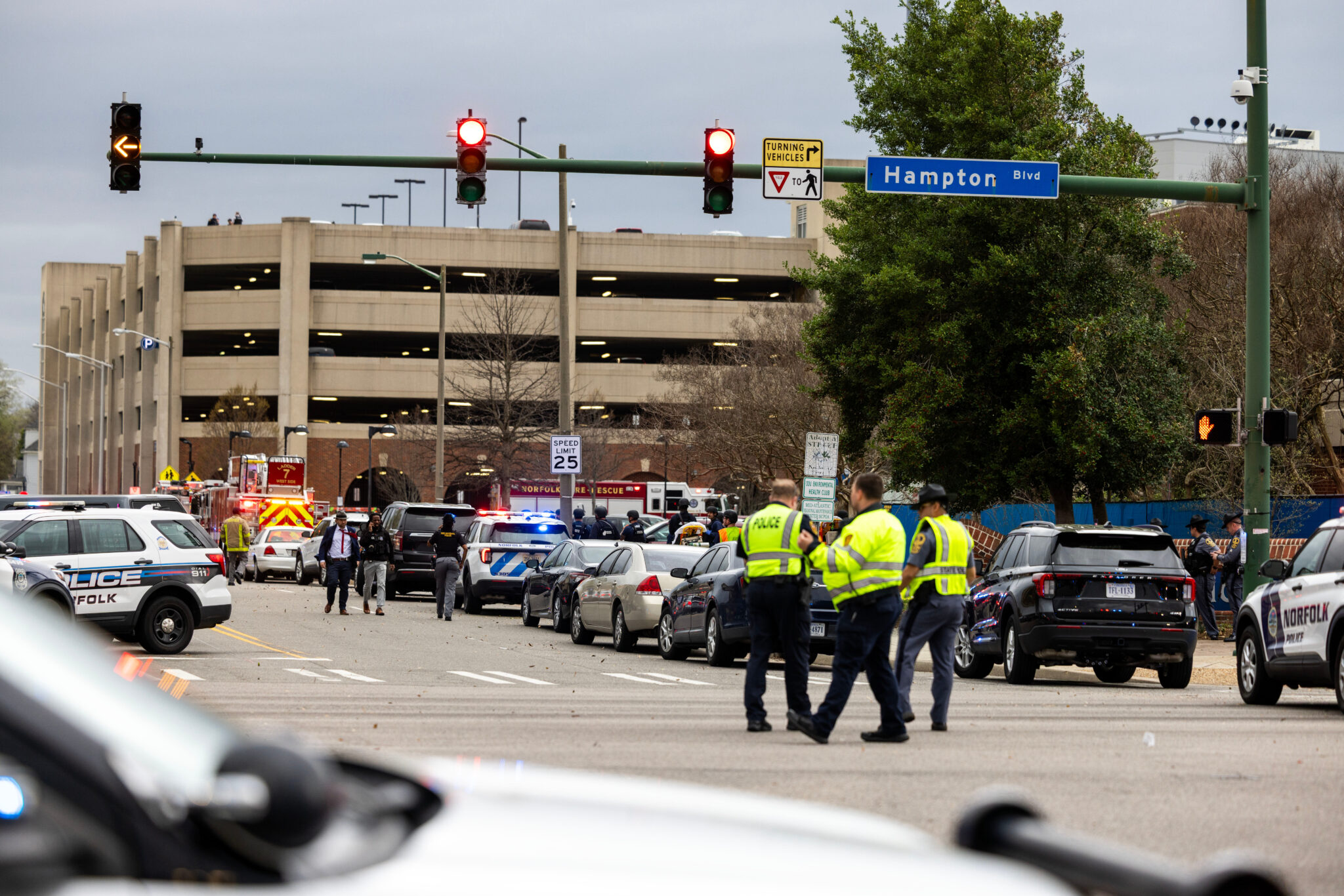
Old Dominion Shooter With ISIS Ties Released Early/ Newslooks/ WASHINGTON/ J. Mansour/ Morning Edition/ The gunman who opened fire at Old Dominion University had previously served prison time for attempting to support the Islamic State group. Mohamed Bailor Jalloh was released from federal prison in 2024 and was on supervised release when the shooting occurred. The attack, which left one person dead and two injured, has sparked debate over terrorism sentencing and prison release policies.
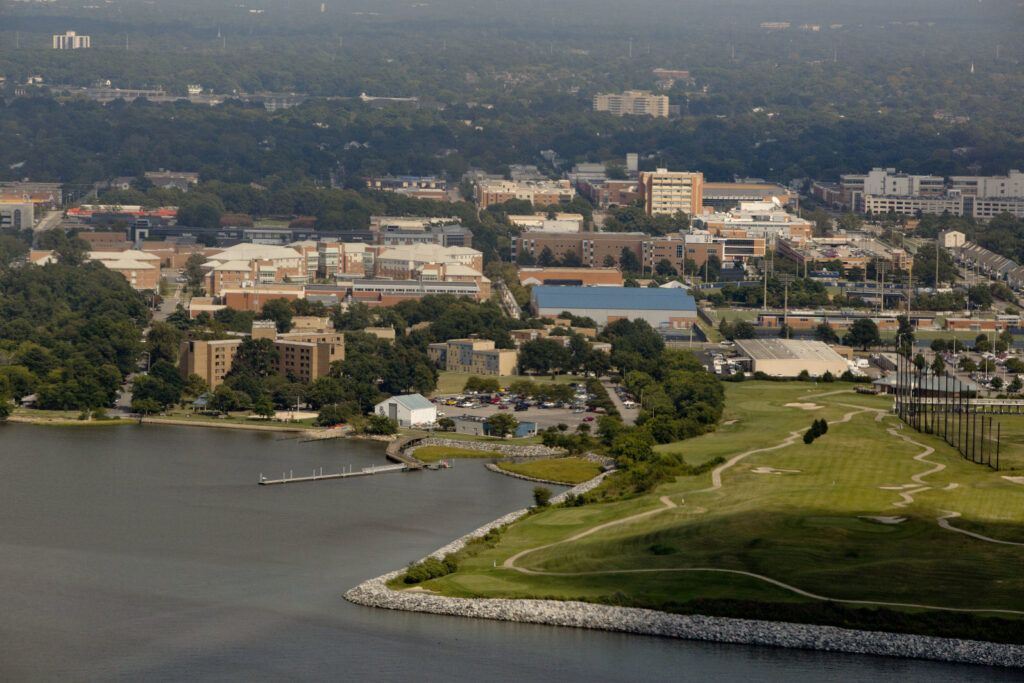
Old Dominion University Shooting Quick Looks
- The ODU gunman was identified as Mohamed Bailor Jalloh, a former terrorism convict.
- He had been released from prison less than two years before the attack.
- Jalloh previously pleaded guilty to providing support to the Islamic State group.
- The campus shooting left one person dead and two others injured.
- ROTC students intervened and subdued the attacker during the incident.
- Jalloh had been serving supervised release until 2029.
- Officials and lawmakers are questioning how he was released early.
Deep Look
Old Dominion University Shooter History
Court records show that the man who opened fire inside a classroom at Old Dominion University had previously been convicted of attempting to aid the Islamic State extremist group and was released from prison less than two years before the attack.
The gunman, identified by federal authorities as Mohamed Bailor Jalloh, was shot and killed Thursday after Reserve Officers’ Training Corps (ROTC) students confronted and subdued him during the shooting.
The incident left one person dead and two others injured, triggering renewed scrutiny over how individuals convicted of terrorism-related offenses are monitored after being released from prison.
Questions Over Early Prison Release
Jalloh had pleaded guilty in October 2016 to providing material support to the Islamic State, a designated foreign terrorist organization. In 2017, a federal judge sentenced him to 11 years in prison, with credit for time already served since his arrest in July 2016.
Despite the sentence, records show Jalloh was released from federal custody on December 23, 2024.
Authorities have not yet explained why he left prison earlier than expected. In some cases, inmates can receive sentence reductions for reasons including program participation, credit for time served, or other adjustments.
After leaving prison, Jalloh was placed on supervised release, a condition similar to probation that required monitoring by federal authorities. According to court documents, his supervised release was scheduled to continue until 2029.
The shooting has prompted criticism from some political leaders who questioned whether someone previously linked to a terrorist group should have been able to carry out a violent attack.
U.S. Representative Jen Kiggans, whose congressional district neighbors the university, called the shooting a tragedy that should have been prevented.
“The horrific tragedy that occurred today on ODU’s campus never should have happened,” Kiggans wrote on social media.
FBI Sting Operation in 2016
Jalloh’s original conviction came after an undercover FBI operation that began in 2016.
Investigators launched the probe after learning that Jalloh had made contact with individuals connected to the Islamic State in Africa. During the investigation, he spoke with an undercover FBI agent posing as a contact who could help him support the extremist group.
According to court filings, Jalloh told the agent he had considered carrying out a violent attack similar to the 2009 Fort Hood shooting, in which 13 people were killed.
He attempted to donate $500 to the Islamic State, though the funds were actually routed to an FBI-controlled account as part of the investigation.
Court documents also say Jalloh attempted to purchase an AR-15 rifle at a gun store in Virginia but was initially denied because he lacked the necessary paperwork.
He returned the following day and successfully purchased a different rifle. Authorities had secretly modified the weapon so it could not function. Jalloh was arrested the next day.
Sentencing Debate
During sentencing in 2017, federal prosecutors urged the court to impose a 20-year prison sentence, arguing that Jalloh had repeatedly attempted to assist the Islamic State and had taken steps toward carrying out a violent attack.
Prosecutors said Jalloh framed potential violence in religious terms and described killing U.S. military personnel as a path to spiritual reward.
“The defendant was fully aware of what he was doing and the consequences of those actions,” prosecutors wrote in a sentencing memo.
Defense attorneys requested a significantly shorter sentence of six and a half years, arguing that Jalloh struggled with addiction and mental health issues. They asked the court to place him in a federal prison program focused on substance abuse treatment.
U.S. District Judge Liam O’Grady, who presided over the case, ultimately imposed an 11-year sentence. The judge also ordered Jalloh to participate in mental health and substance abuse treatment programs while incarcerated.
Prison Programs and Sentence Reductions
Some federal inmates can shorten their prison sentences through participation in rehabilitation programs.
One of the most significant is the Residential Drug Abuse Program (RDAP) run by the Federal Bureau of Prisons. Inmates who complete the program may receive up to a year off their sentence.
However, it was not immediately clear whether Jalloh participated in RDAP or whether any other factors contributed to his early release.
Typically, individuals convicted of terrorism-related crimes are not eligible for certain sentence reductions, including the “good conduct time” credits expanded under the First Step Act, a criminal justice reform law enacted in 2018.
Officials have not publicly clarified whether exceptions or administrative adjustments played a role in Jalloh’s release.
Background and Radicalization
Public information about Jalloh’s personal life remains limited, but court documents describe him as someone who became radicalized through exposure to extremist propaganda.
Investigators said he was influenced by Anwar al-Awlaki, an American-born cleric who became a prominent al-Qaida propagandist.
Before his arrest, Jalloh served as a specialist in the Virginia Army National Guard from 2009 until 2015. The military confirmed he received an honorable discharge.
According to an FBI affidavit, Jalloh told a government informant that he left the National Guard after listening to lectures by al-Awlaki.
Personal Struggles
During the court proceedings in his earlier case, Jalloh wrote a letter expressing regret for his actions and rejecting the extremist ideology he once supported.
In the letter, he told the judge that emotional turmoil and substance abuse had contributed to his behavior.
Jalloh said he began using drugs after the end of a long-term relationship, describing feelings of deep personal distress.
“The pain I felt internally was unbearable,” he wrote, according to excerpts included in legal filings.
Despite those statements, the recent shooting at Old Dominion University has renewed debate about the risks posed by individuals previously convicted of terrorism offenses and how authorities evaluate rehabilitation before releasing them back into society.



You must Register or Login to post a comment.