Paris Summit Tests Unity on Ukraine Amid U.S. Distraction/ Newslooks/ WASHINGTON/ J. Mansour/ Morning Edition/ Allies met in Paris to discuss Ukraine’s post-war security, but U.S. attention is shifting toward Venezuela and Greenland. While European leaders push for concrete commitments, the summit’s outcome is clouded by rising tensions and unclear U.S. priorities. Ukrainian President Zelenskyy urged firm guarantees as Russian aggression shows no signs of slowing.
Ukraine Peace Talks in Paris: Quick Looks
- Paris hosts major summit on Ukraine’s future security framework
- U.S. focus on Venezuela, Greenland raises doubts over unity
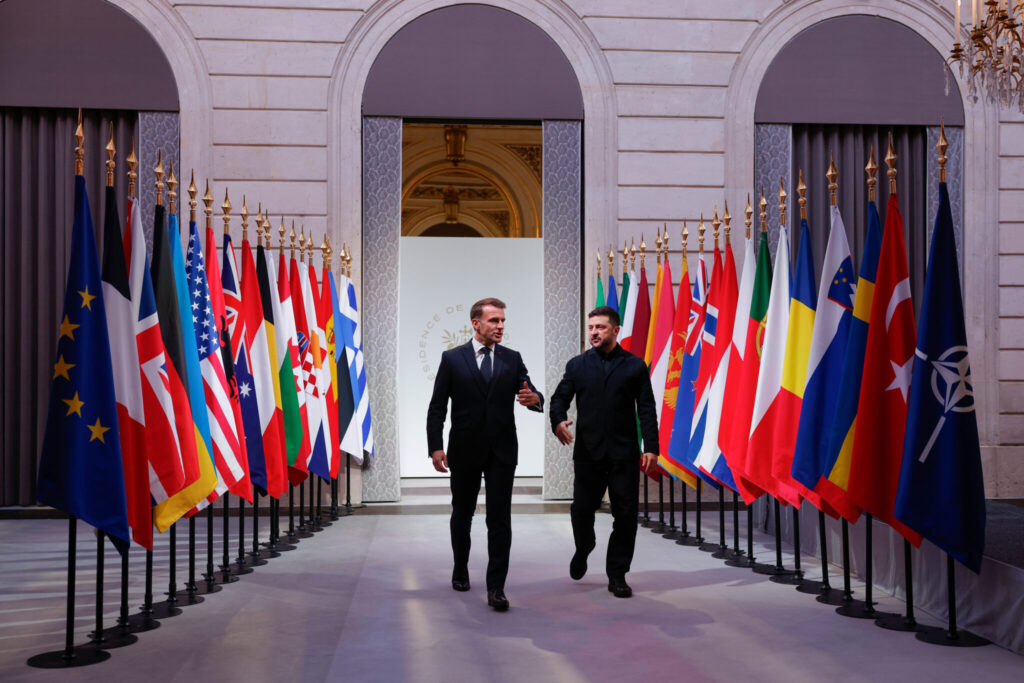
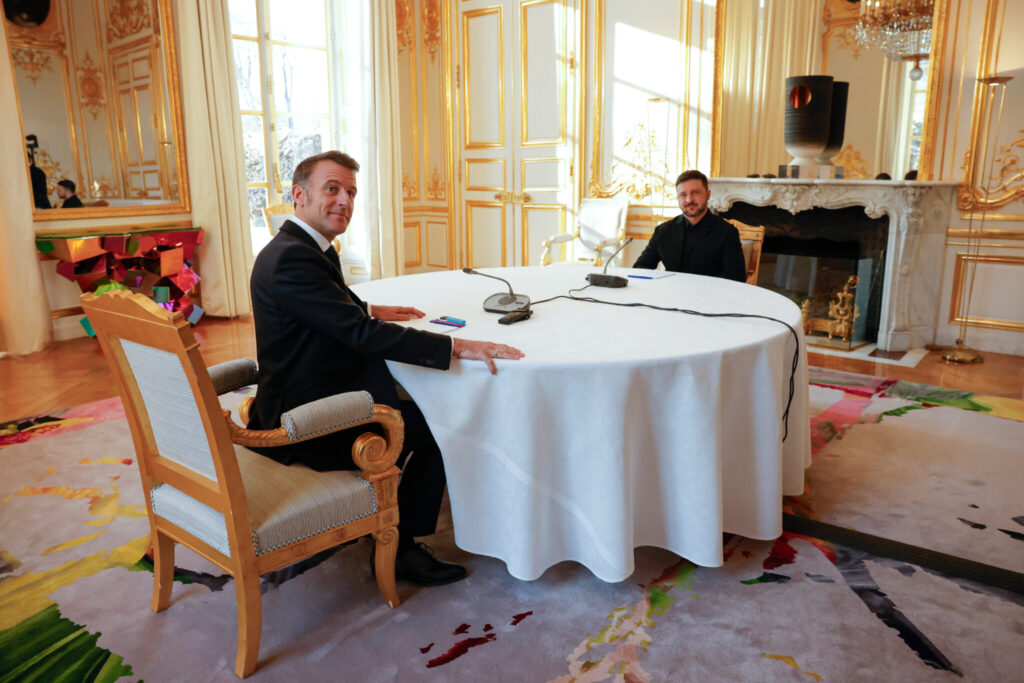
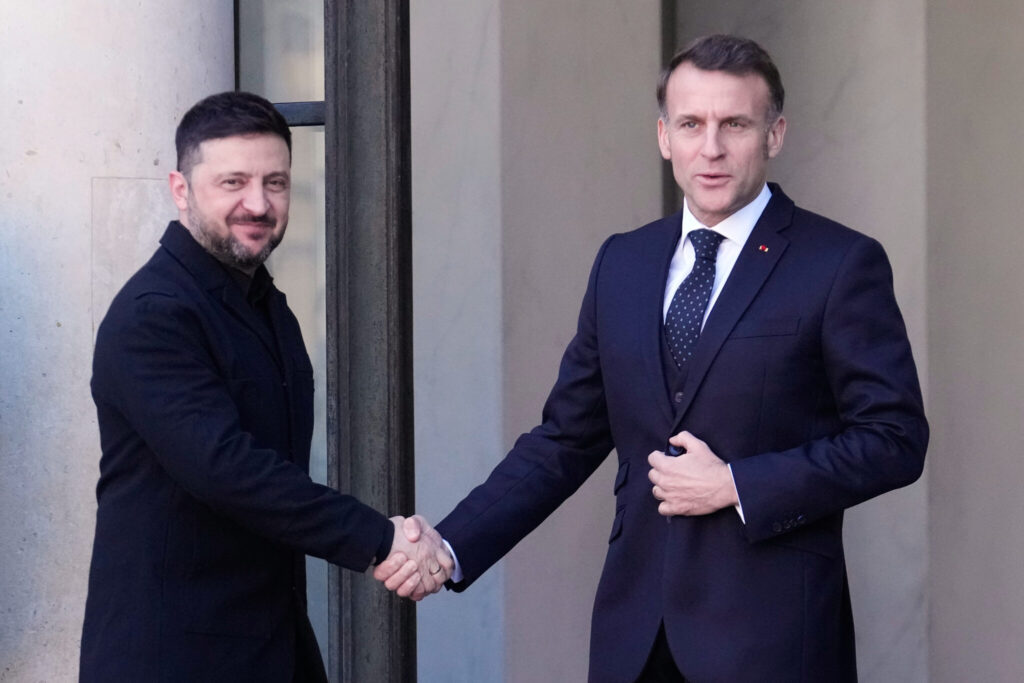
- Zelenskyy meets with Macron ahead of summit sessions
- NATO’s top general joins military leaders to discuss security guarantees
- Trump renews Greenland takeover idea, sparking European backlash
- Macron, Starmer, and Merz to speak alongside Zelenskyy
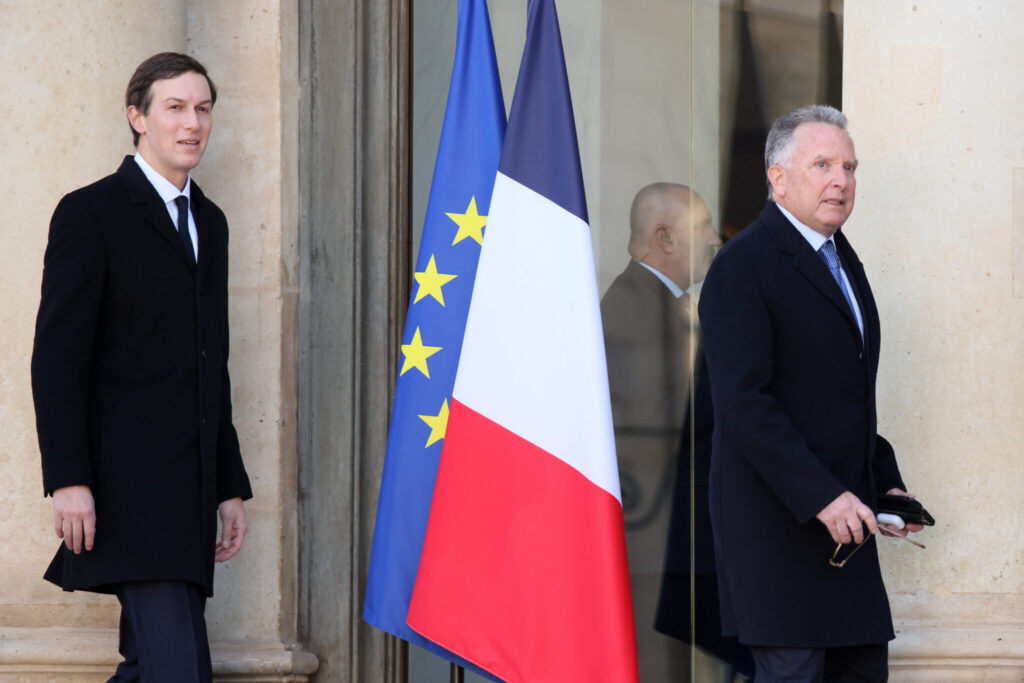
- U.S. delegation led by Witkoff and Kushner after Rubio drops out
- European troop deployments still uncertain, key details unresolved
- Kyiv demands binding defense commitments from allies
- Ukraine strikes deep into Russia amid ongoing battlefield tension
Paris Summit Tests Unity on Ukraine Amid U.S. Distraction
Deep Look
World leaders and top military officials gathered in Paris on Tuesday for high-level talks aimed at shaping Ukraine’s security framework following any future peace deal with Russia. But progress remains uncertain, as shifting U.S. priorities and internal tensions among allies cast a shadow over the summit’s potential outcomes.
French President Emmanuel Macron, the summit’s host, had previously voiced optimism that the gathering of what he called the “coalition of the willing” would result in concrete commitments to deter future Russian aggression. The coalition includes more than 35 officials, including 27 heads of state and government, making this one of the most significant Ukraine-related meetings since the war began nearly four years ago.
However, the mood has grown more cautious. The U.S. military’s recent operation in Venezuela — which led to the capture of Nicolás Maduro — and President Trump’s revived proposal for the U.S. to claim Greenland have raised concerns among European leaders. The latter sparked a firm rebuke from Denmark and six other European powers, who jointly defended Greenland’s sovereignty. These developments have led some European officials to question Washington’s diplomatic bandwidth and long-term commitment to Ukraine’s defense.
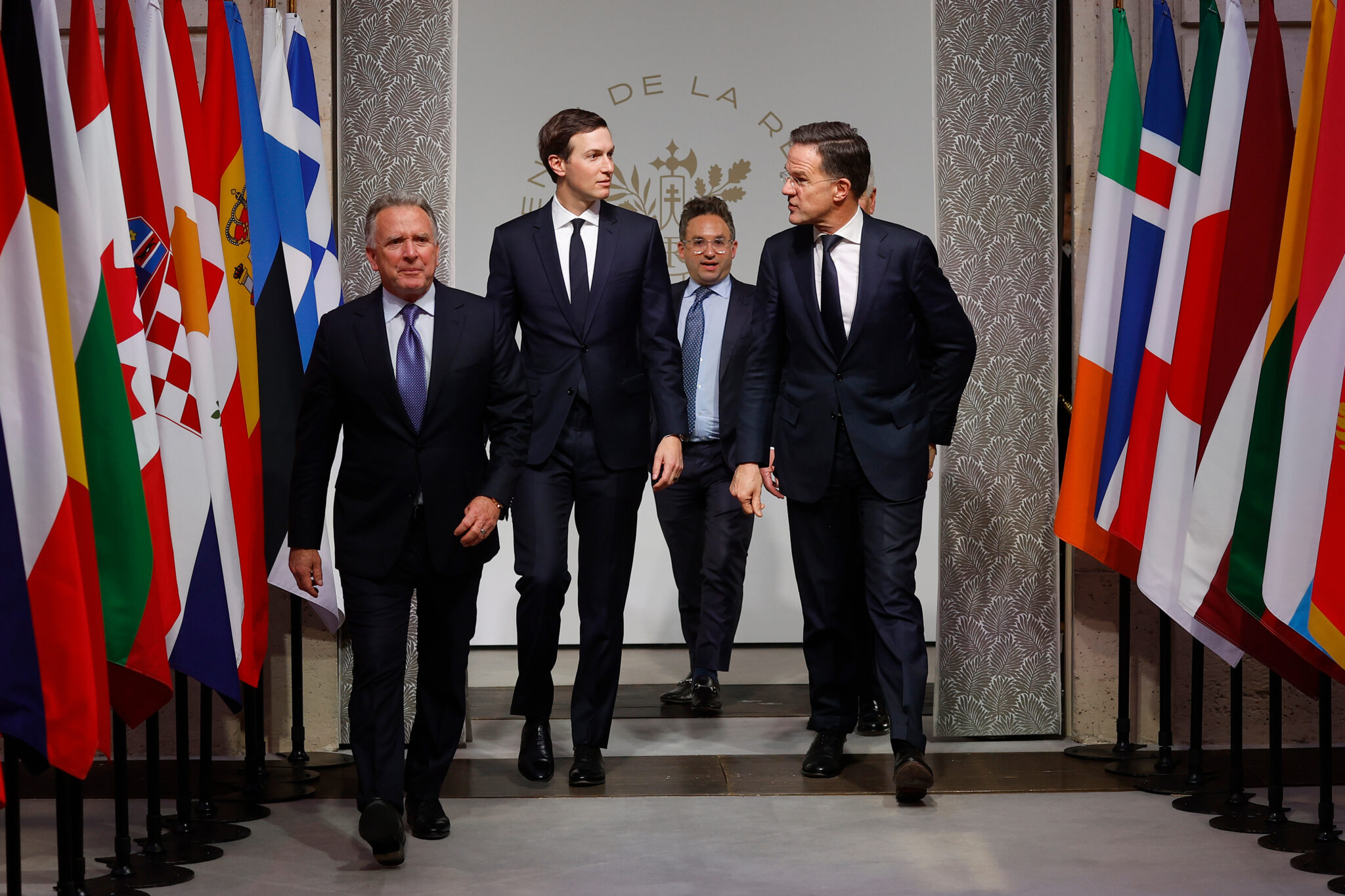
The U.S. was initially expected to be represented by Secretary of State Marco Rubio, but following the Venezuela operation, the delegation is now led by Trump adviser Steve Witkoff and the president’s son-in-law Jared Kushner. The two held preparatory talks with Macron at the Élysée Palace ahead of the summit.
Despite the distraction, Ukraine and its allies are still pushing for tangible outcomes. Ukrainian President Volodymyr Zelenskyy met privately with Macron before the summit and later joined French, British, and German leaders — including UK Prime Minister Keir Starmer and German Chancellor Friedrich Merz — for high-stakes discussions on troop deployments, ceasefire monitoring, and long-term defense assistance.
NATO’s top commander, U.S. Gen. Alexus G. Grynkewich, took part in military-level talks, including discussions with the French and British army chiefs. The sessions focused on how NATO members could strengthen Ukraine’s defense capabilities, even without putting troops on the ground during active fighting.
The overarching goal of the summit is to coordinate allied commitments around five priorities: post-ceasefire monitoring; continued military support to Ukraine; possible multinational force deployments (on land, sea, and air); formal guarantees against future Russian aggression; and long-term defense cooperation.
But achieving those goals is complicated. Zelenskyy himself acknowledged over the weekend that many of the summit’s key military elements — especially troop commitments — remain unsettled.
“Not everyone is ready,” Zelenskyy said, referring to countries hesitant to deploy forces. Even if leaders agree, many national legislatures would still need to authorize such moves, potentially delaying implementation. Still, Zelenskyy stressed that meaningful support could come through intelligence, advanced weapons, and training, even if boots on the ground remain politically difficult.
Zelenskyy also emphasized that France and the UK — Western Europe’s two nuclear powers — would be essential to the success and credibility of the coalition. “Even the very existence of the coalition depends on whether certain countries are ready to step up,” he said. “If they are not ready, then it is not really a ‘coalition of the willing.’”
On the sidelines, there were signals of progress. U.S. envoy Witkoff cited “productive” talks over the past week with British, French, German, and Ukrainian security advisers. The discussions reportedly focused on how to create security guarantees and avoid future conflict escalation once active combat ends.
France has said Ukraine’s own military would remain its primary defense line, but allies are aiming to bolster it through extensive training, arms shipments, and joint planning. Macron has floated the idea of deploying European forces in non-frontline areas to support long-term deterrence — but has avoided specifics, and much remains in flux.
Adding to the uncertainty, Ukraine carried out long-range drone strikes deep inside Russian territory on Tuesday. A security source said drones hit an arms depot in Kostroma, triggering massive explosions, and struck an oil facility in Lipetsk, igniting a large fire. While not officially confirmed, these attacks suggest that even amid diplomatic overtures, Ukraine remains fully engaged on the battlefield.
Meanwhile, Russia has given few details about its own posture in the peace discussions. The Kremlin continues to demand a comprehensive political settlement before agreeing to any ceasefire and has flatly rejected the idea of NATO or European forces being deployed in Ukraine.
As the summit unfolds, the question remains whether global leaders can present a united front and offer Ukraine the solid guarantees it seeks — or whether the distractions of other geopolitical flashpoints and internal divisions will weaken the coalition’s resolve.
For now, Ukraine’s path to peace remains tangled in diplomacy, politics, and battlefield realities — and Paris may provide only the beginning, not the end, of that conversation.