

Pentagon Seeks $200 Billion for Iran War/ Newslooks/ WASHINGTON/ J. Mansour/ Morning Edition/ The Pentagon has asked for $200 billion in added funding tied to the Iran war, setting up a major congressional battle. Lawmakers from both parties are demanding more clarity on the war’s goals, costs and military strategy. Republican leaders signaled support for defense needs, while Democrats warned against approving another blank check.

Pentagon Iran War Funding Quick Looks
- The Pentagon is seeking $200 billion in additional war funding.
- Any new money would require approval from Congress.
- Defense Secretary Pete Hegseth did not directly confirm the exact figure.
- Lawmakers have not formally authorized the war.
- Republicans are split between defense priorities and spending concerns.
- Democrats are demanding a fuller explanation of military goals and costs.
- Speaker Mike Johnson said defense must be adequately funded.
- Rep. Ken Calvert backed extra funds to replenish munitions.
- Rep. Betty McCollum said Congress will not rubber-stamp the request.
- Negotiations with the White House are expected before any final package moves.
Deep Look: Pentagon Seeks $200 Billion for Iran War
The Pentagon’s request for an additional $200 billion to support the Iran war is setting the stage for a fierce fight in Congress, where lawmakers are already questioning both the cost and the administration’s broader strategy.
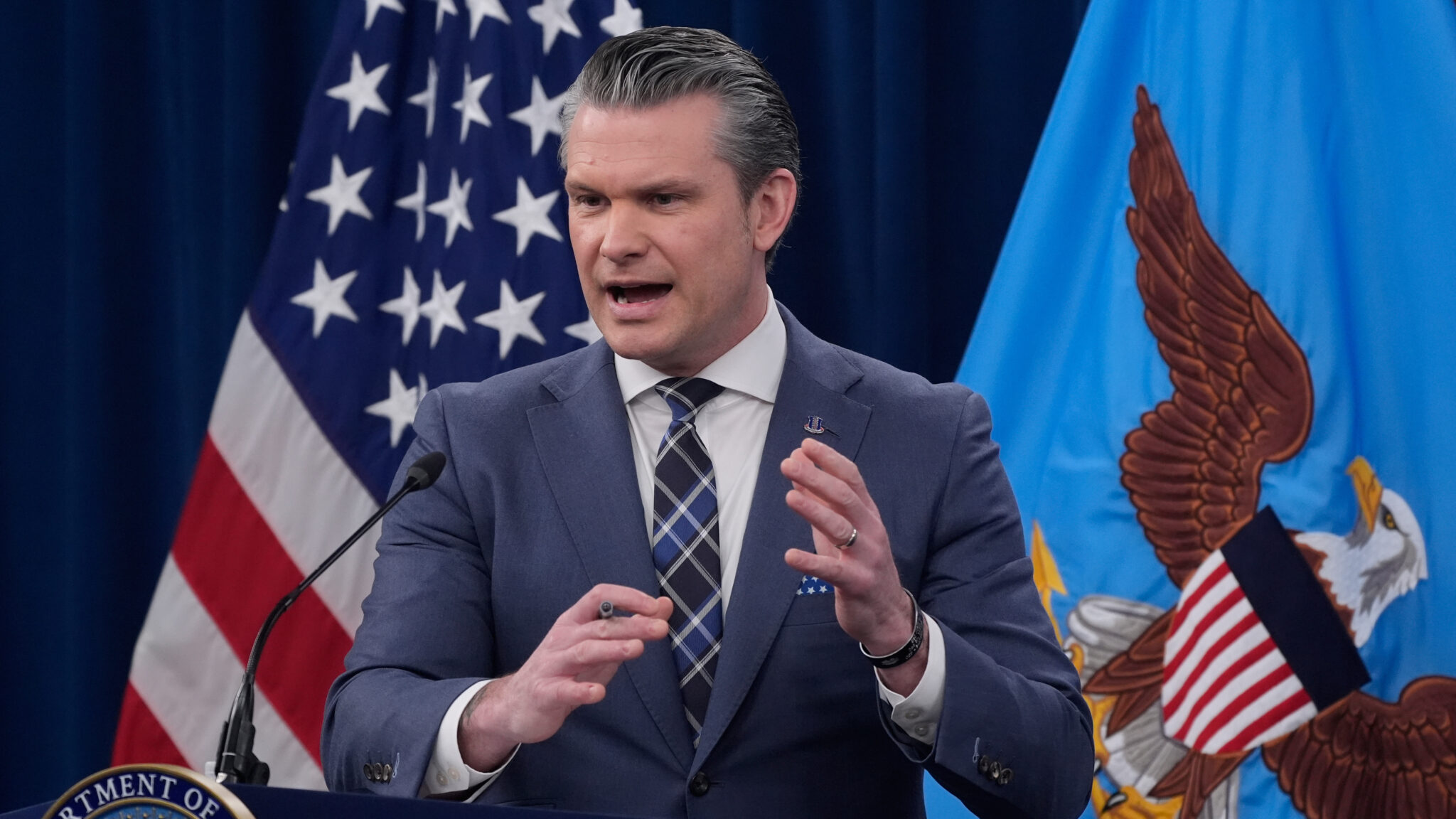
According to a senior administration official, the Defense Department sent the funding request to the White House, though the administration has not publicly laid out a detailed plan for how the money would be used. At a Thursday news conference, Defense Secretary Pete Hegseth stopped short of confirming the exact amount, but made clear the administration intends to seek more support from Capitol Hill.
His blunt argument was that war carries a price, and that the Pentagon needs enough resources to sustain military operations. Even so, the size of the request immediately drew scrutiny because it would come on top of the significant funding boost the Defense Department already received through last year’s major tax and spending legislation under President Donald Trump.
That earlier package included about $150 billion for Pentagon-related needs, and lawmakers from both parties now say they are still waiting for a full accounting of how those funds are being spent. Against that backdrop, a new request for $200 billion is likely to face tough questions not just about necessity, but about oversight, timing and political support.
Congress has been anticipating a supplemental request tied to the conflict, but there is still uncertainty over whether the White House has formally transmitted the proposal for legislative consideration. That procedural detail matters, because lawmakers are increasingly uneasy about the widening scope of the military operation and the absence of a clear authorization vote from Congress.
House Speaker Mike Johnson signaled broad support for defense spending, saying the country is living through a dangerous moment and that protecting Americans requires adequate funding. Still, he did not endorse the $200 billion figure outright, saying he had not yet reviewed the details.
That cautious posture reflects a deeper divide inside the Republican Party. While GOP lawmakers generally back strong defense spending, many conservative members are also deeply focused on reducing federal outlays and may be reluctant to approve another large emergency package. That tension could complicate the White House’s effort to move the request quickly, especially if members see the proposal as too open-ended.
Some Republicans are already framing the request as a practical step to replenish stockpiles and cover the growing cost of military operations. Rep. Ken Calvert, who chairs the House appropriations subcommittee overseeing defense spending, said he had already been advocating for a supplemental measure to refill munitions reserves. In his view, the war has only increased the urgency.
Democrats, however, are drawing a harder line. They argue that Congress cannot responsibly approve such a large sum without first getting a much clearer explanation of the administration’s objectives, benchmarks and exit strategy. Rep. Betty McCollum said lawmakers are still waiting for answers about both the prior Pentagon funding increase and the administration’s budget plans for the current year. She made clear that Congress would not simply approve another open-ended request.
Other Democrats were even sharper. Rep. Rosa DeLauro called the reported $200 billion figure outrageous, underscoring the resistance the administration is likely to face from lawmakers who believe domestic priorities such as health care, education and social services should not be sidelined for a war whose goals remain contested.
The politics of passing such a package are complicated. Republican leaders could try to move the money through a budget process that relies only on GOP votes, but that route could prove difficult given internal divisions. The other option would be to negotiate a bipartisan package with Democrats, but that would almost certainly require concessions on unrelated spending priorities and could push the final cost even higher.
House Majority Leader Steve Scalise acknowledged that talks with the White House are still in an early phase and that there is no final number yet. His comments suggested the administration’s request is more of an opening bid than a settled proposal.
Even at that stage, the figure is staggering. The Pentagon already operates with an annual budget of more than $800 billion. Adding another $200 billion would mark a substantial increase at a moment when many lawmakers are questioning whether the mission in Iran has clearly defined limits.
For supporters, the request is about military readiness, national security and ensuring U.S. forces have the resources they need in a volatile conflict. For opponents, it is a warning sign that the war may be expanding faster than the administration is willing to publicly acknowledge.
The debate now moves to Congress, where funding questions could become a proxy for a much larger argument over the war itself. As lawmakers weigh the price tag, they are also likely to press the White House on a more fundamental issue: what exactly the United States is trying to achieve, how long it will take, and how much more it will cost before the fighting ends.






You must Register or Login to post a comment.