

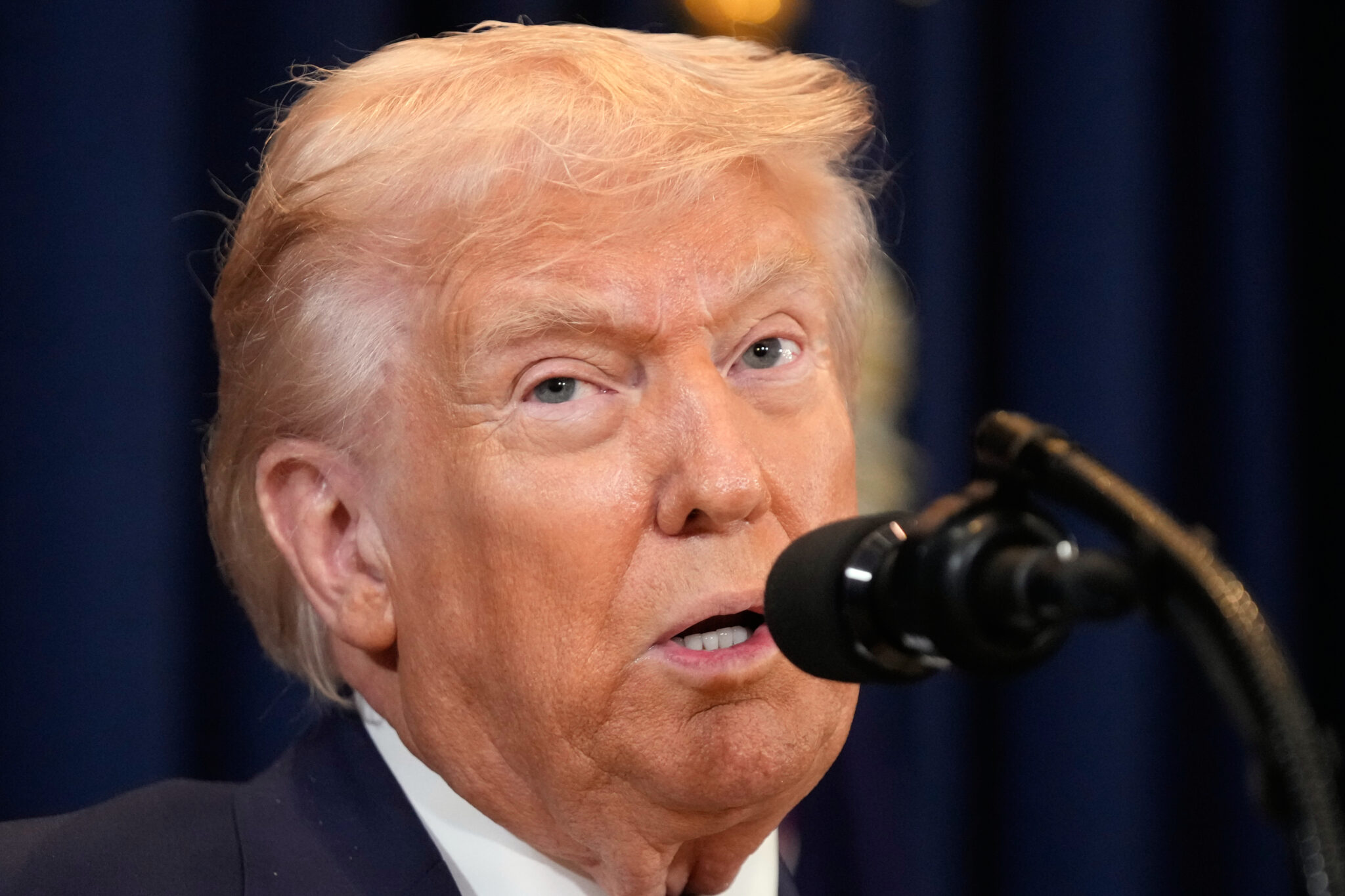
Polls: Americans Split On Trump’s Military Action Against Iran/ Newslooks/ WASHINGTON/ J. Mansour/ Morning Edition/ Recent polls show Americans are divided over U.S. military action against Iran, with opposition slightly higher than support. Many voters fear the conflict could raise oil prices and harm the economy. Polls also show concern that the war could make the United States less safe.
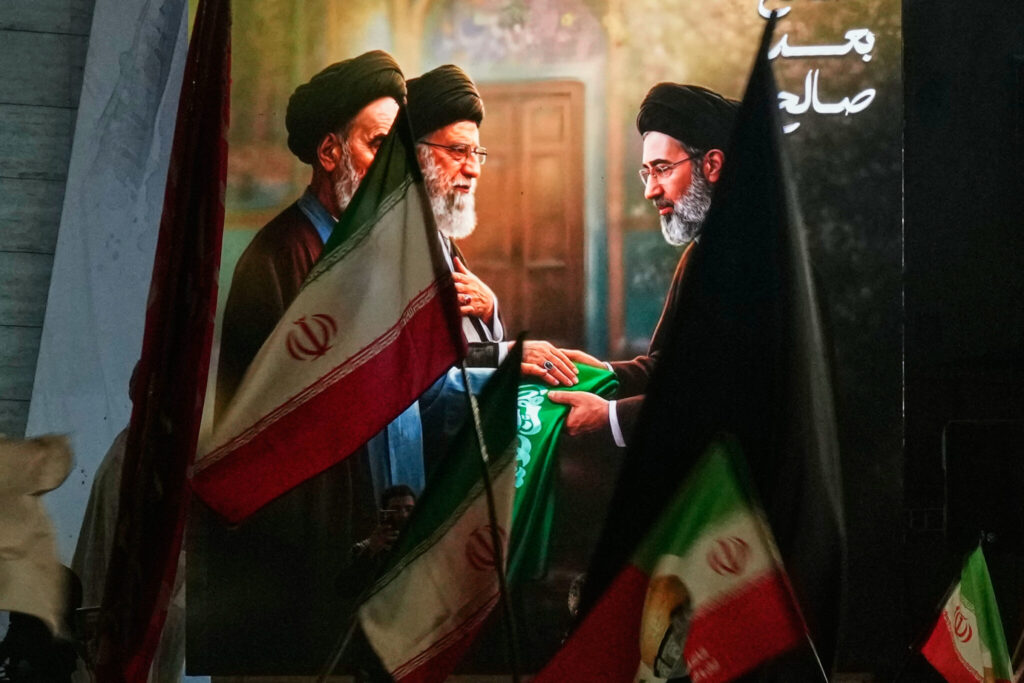
Public Opinion on Iran War Quick Looks
- Recent polls show more Americans oppose than support the war.
- About 53% of voters oppose U.S. military action, according to a Quinnipiac poll.
- Around 40% support the strikes, while others remain undecided.
- Republicans largely support President Donald Trump’s decision.
- Democrats and independents are mostly opposed.
- About 70% of voters worry the war will raise gas prices.
- Many Americans expect the conflict to last months or longer.
- Roughly half believe the war makes the U.S. less safe.
- A majority oppose sending U.S. ground troops into Iran.
- Polls show concerns about the administration’s explanation for the strikes.
Deep Look
Polls Show Americans Divided Over Iran War
Public opinion in the United States remains deeply divided over the military conflict with Iran, according to several recent national polls conducted after the start of hostilities.
While many Americans view Iran as a security threat, survey results show more voters oppose the U.S. military action than support it. At the same time, the conflict is raising concerns about economic consequences, including rising fuel prices and the possibility of a prolonged war.
The political divide largely mirrors party affiliation, with Republicans backing President Donald Trump’s decision to launch strikes while Democrats and many independents express skepticism.
More Americans Oppose the Military Action
A recent Quinnipiac University poll found that 53% of registered voters oppose U.S. military action against Iran, while roughly 40% support it. About one in ten voters remain undecided.
Other surveys conducted shortly after the conflict began show similar patterns.
Quick polls conducted by both CNN and The Washington Post also indicated that more Americans disapprove of the strikes than approve of them.
However, a Fox News poll showed the country more evenly divided, with about half of voters supporting the military action and half opposing it.
Polls also reveal that many Americans believe the Trump administration has not clearly explained the reasons behind the strikes.
Debate Over Iran’s Threat Level
Another point of disagreement among voters is whether Iran posed an immediate threat to the United States.
However, other polling paints a more mixed picture.
A Fox News survey found that about six in ten registered voters believe Iran represents a real national security threat to the United States.
Meanwhile, a recent AP-NORC poll found roughly half of American adults were highly concerned about Iran’s nuclear program and the potential danger it poses.
These results suggest that even many Americans who worry about Iran’s capabilities are not convinced that military action was necessary.
Widespread Concern About Gas Prices
Beyond national security issues, the conflict is also raising economic concerns among voters.
One of the most significant worries is the potential impact on fuel prices.
According to the Quinnipiac poll, roughly seven in ten voters are either “very” or “somewhat” concerned that the war will drive up oil and gasoline prices.
Only about one-quarter of respondents said they were not particularly concerned about rising fuel costs.
The concern spans across political parties, although Democrats and independents express the highest levels of anxiety about energy prices.
Even among Republicans, about half said they are worried that the conflict could increase gas prices.
Rising oil prices often ripple through the economy by increasing transportation costs and consumer prices, which can affect voters’ perceptions of economic stability.
Concerns About National Security
Another major finding from recent polls is widespread uncertainty about whether the conflict will make the United States safer.
Both the Quinnipiac and Fox News surveys found that roughly half of voters believe the military action makes the U.S. less safe.
Only about three in ten respondents said the strikes would improve national security.
A CNN poll reached similar conclusions, finding that about half of Americans believe the attacks could actually make Iran a greater threat to the United States.
These results suggest that many Americans are unsure about the long-term strategic consequences of the conflict.
Limited Trust in Presidential Decision-Making
Polling also indicates that many Americans lack confidence in President Trump’s handling of military decisions related to Iran.
According to a CNN survey, about six in ten adults said they trust Trump “not much” or “not at all” to make the right decisions about the use of military force in Iran.
Republican voters were far more likely to express confidence in the president than Democrats or independents.
Earlier polling conducted by the AP-NORC Center before the strikes showed similar skepticism, with 56% of Americans saying they trusted Trump only slightly or not at all when it comes to decisions about military action abroad.
Strong Opposition to Sending Ground Troops
Despite differing opinions about the airstrikes, Americans overwhelmingly oppose sending U.S. troops into Iran.
Only about two in ten voters support sending troops.
Even among Republicans, support for deploying troops remains limited. In the survey, 52% of Republican voters opposed sending ground forces, while 37% supported the idea.
These findings suggest that while some Americans support military pressure on Iran, there is little appetite for a large-scale ground war.
A Potential Political Challenge for Trump
The mixed public reaction could pose challenges for Trump as the conflict continues.
During his campaign, Trump frequently criticized prolonged military engagements overseas and promised to prioritize an “America First” foreign policy.
If the conflict becomes prolonged or leads to higher energy prices and economic disruption, it could test public support for the administration’s approach.
For now, polls indicate that Americans remain wary of both the potential costs and the uncertain duration of the war.





You must Register or Login to post a comment.