Polls Show U.S. Voters Oppose Venezuela Takeover/ Newslooks/ WASHINGTON/ J. Mansour/ Morning Edition/ Recent polling shows Americans prefer domestic priorities over foreign intervention, including in Venezuela. Many voters are skeptical of the U.S. capturing Maduro or choosing Venezuela’s government. Even Trump supporters show hesitation about deeper foreign involvement, favoring “America First” policies
U.S. Involvement in Venezuela: Quick Looks
- Most Americans want the government focused on health care, inflation, and the economy
- Less than one-third prioritized foreign policy; Venezuela barely mentioned
- Only 1 in 10 Republicans favored broader U.S. global involvement
- Nearly 90% of Americans say Venezuelans should choose their own leaders
- About 40% support military capture of Maduro, while another 40% oppose
- Trump supporters divided on whether he’s sticking to “America First”
- Drug trafficking concerns primarily resonate with Republican voters
- Public remains uncertain about America’s long-term strategy in the region
Polls Show U.S. Voters Oppose Venezuela Takeover
Deep Look
As the U.S. becomes further entangled in Venezuela’s political crisis, polling data reveals a skeptical and divided American public. While President Donald Trump’s military operation to capture Venezuelan President Nicolás Maduro stirred strong reactions, recent surveys show that many Americans remain focused on domestic issues and are reluctant to support deepened foreign intervention — especially when it comes to imposing leadership on another nation.
According to a December AP-NORC poll, the vast majority of Americans want the U.S. government to prioritize internal concerns in 2026, notably health care, inflation, and the overall economy. Fewer than one in three adults named foreign affairs as a top priority, a noticeable drop from previous years. Venezuela, despite headlines, was virtually absent from respondents’ lists of concerns.
This reflects a long-standing American tendency to retreat from foreign entanglements when economic challenges rise at home. The Trump administration’s targeted strike that led to Maduro’s capture may have received initial support from some Republican voters, but a broader consensus on U.S. involvement remains elusive.
In a poll conducted shortly after Maduro’s capture by The Washington Post and SSRS, Americans were split: approximately 40% supported the military action, while a similar percentage opposed it. The rest were undecided. Support, as expected, skewed heavily along partisan lines — with Republicans more approving and Democrats generally opposed.
What’s clear, however, is that a significant majority — 90% of Americans — believe Venezuelans should determine their own leadership. That sentiment was echoed in a Quinnipiac University poll, where 60% of registered voters opposed broader military involvement in Venezuela. Even among Republicans, opinions were mixed: roughly half approved, a third disapproved, and the remainder were unsure.
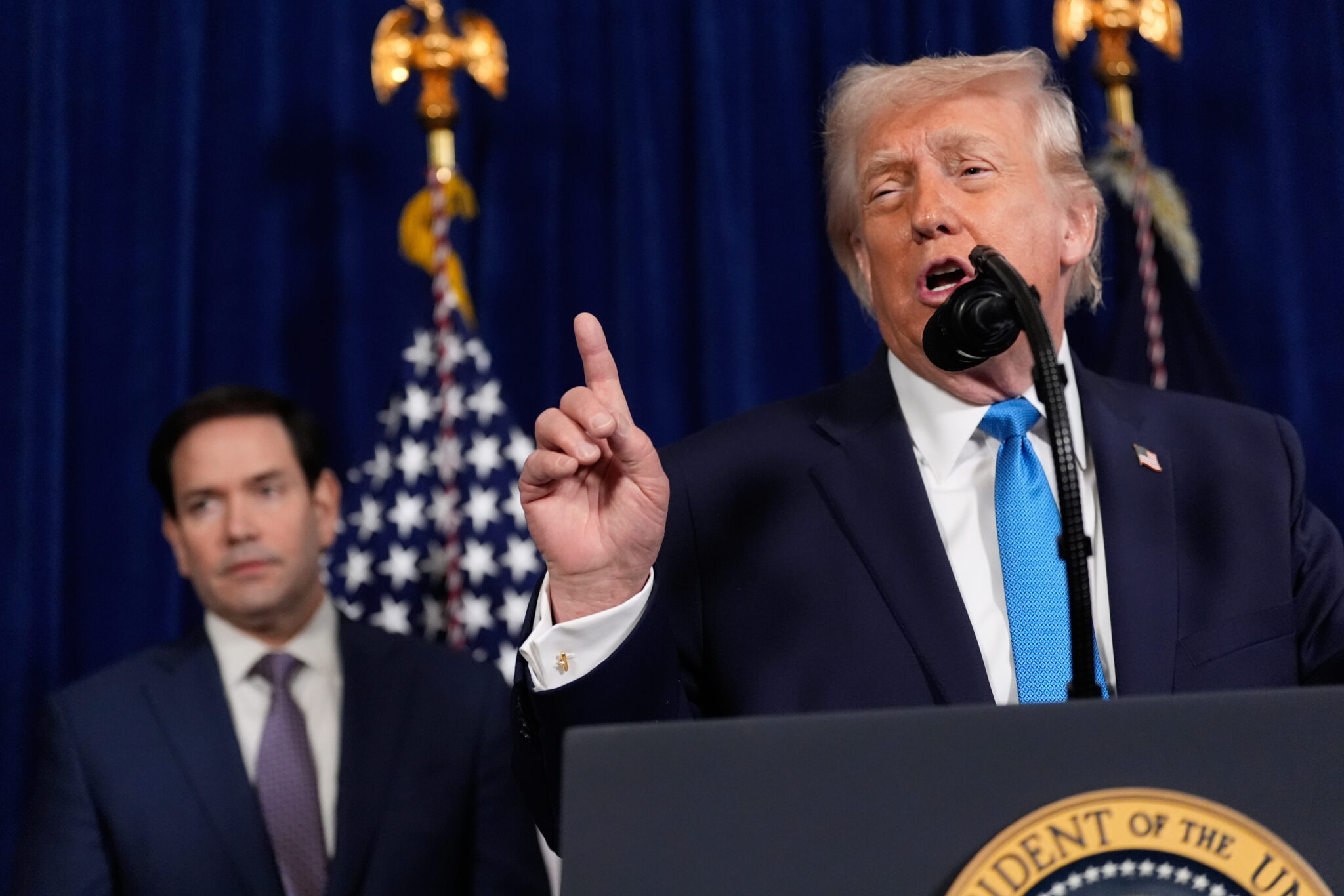
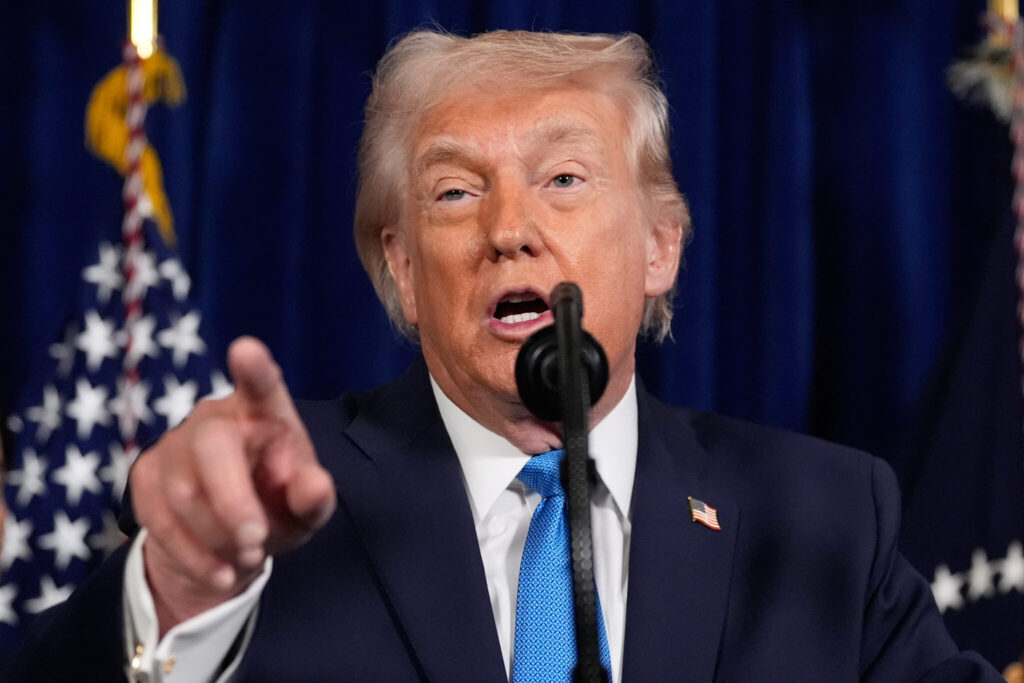
Trump’s approach to Venezuela is complicated by his longstanding “America First” platform. Many of his core supporters expect him to avoid extensive foreign interventions. AP VoteCast data shows that around 70% of 2024 Trump voters wanted the U.S. to play a less active role globally. These voters saw the former president as a leader who would avoid foreign wars, not initiate them.
That expectation is being tested. In a Fox News poll conducted just before Maduro’s removal, respondents were evenly divided on whether Trump was keeping his campaign promise. Among Trump voters, though, support largely held: only about 10% believed he had abandoned “America First.”
Still, the contrast between policy and perception could pose political challenges. Trump’s military move may satisfy hawkish elements within his base, but it risks alienating isolationist supporters who voted for reduced foreign involvement.
Foreign policy, especially involving drug trafficking from Latin America, remains a low priority for most Americans. While the Trump administration emphasized drug seizures in its justification for the Venezuelan operation, only a small portion of the public — primarily Republicans — see drug trafficking as a top issue. Just 1 in 10 Republicans mentioned drug-related concerns, and even fewer Democrats or independents shared that sentiment.
Polling from AP-NORC in September found that only 10% of Republicans believed the U.S. should take a more active global role. A majority, 55%, felt the country was already doing enough. These findings underscore a core tension for Trump as he attempts to balance decisive international action with domestic expectations for restraint and nationalism.
This hesitancy to endorse foreign intervention is not new. In prior conflicts, such as the U.S. involvement in the Middle East, public support often declined as costs rose and benefits appeared uncertain. The Venezuelan situation may follow a similar trajectory, especially if the U.S. expands its role beyond initial military operations.
As Trump’s administration continues to shape its approach in the Western Hemisphere, the public remains wary. The challenge lies not only in managing the geopolitical consequences of removing Maduro but also in aligning foreign policy with the domestic values and priorities of the American electorate.
Venezuela’s future remains uncertain — and so does America’s role in it. For now, most Americans prefer to focus on the struggles closer to home, wary of overreach abroad, and unconvinced that U.S. military might is the solution to a complex foreign crisis.