

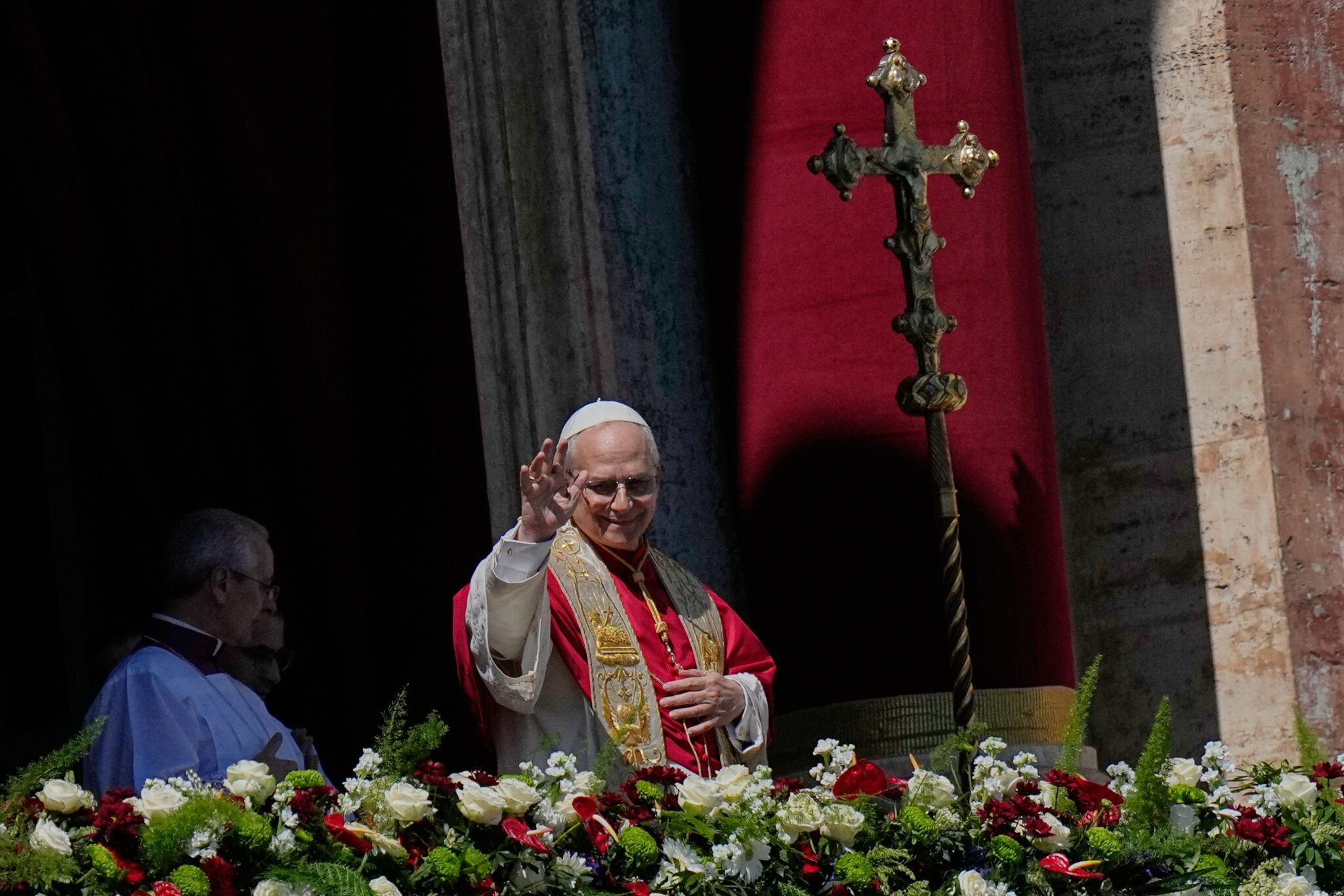
Pope Leo First Easter Calls for Peace as Global Conflicts Continue/ Newslooks/ WASHINGTON/ J. Mansour/ Morning Edition/ Pope Leo XIV delivered his first Easter Mass urging global peace and dialogue. Christians in Jerusalem, Gaza, and Tehran marked subdued celebrations amid conflicts. The new U.S.-born pope emphasized hope, unity, and ending violence worldwide.
Pope Leo Easter Peace Call + Quick Looks
- Pope Leo XIV celebrates first Easter as pontiff
- Calls for dialogue and peace across global conflicts
- Avoids naming specific wars in Urbi et Orbi
- 50,000 faithful attend St. Peter’s Square Mass
- Holy Land celebrations scaled back due to conflict
- Gaza Christians celebrate first Easter after ceasefire
- Iranian Armenian Christians mark Easter amid airstrikes
- Pope Leo revives traditions during Holy Week
Deep Look: Pope Leo First Easter Calls for Peace as Global Conflicts Continue
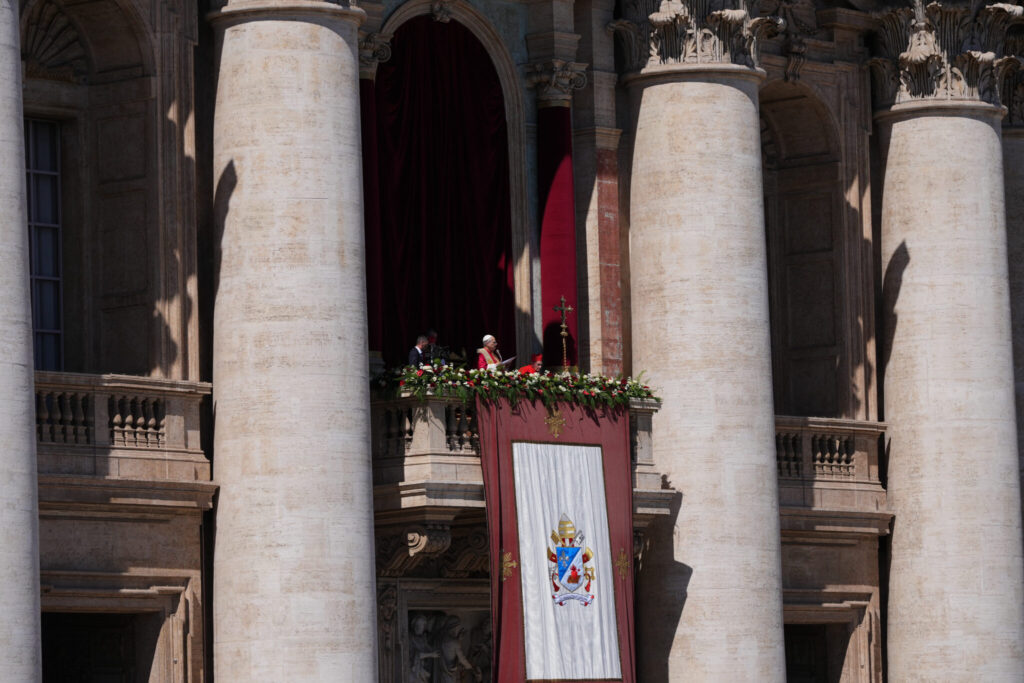
Pope Leo XIV marked his first Easter Sunday as leader of the Catholic Church with a strong appeal for peace, urging world leaders and armed groups to lay down their weapons and pursue dialogue instead of violence. His message came as Christians across Jerusalem, Gaza, and Tehran celebrated Easter under the shadow of ongoing conflicts and regional instability.
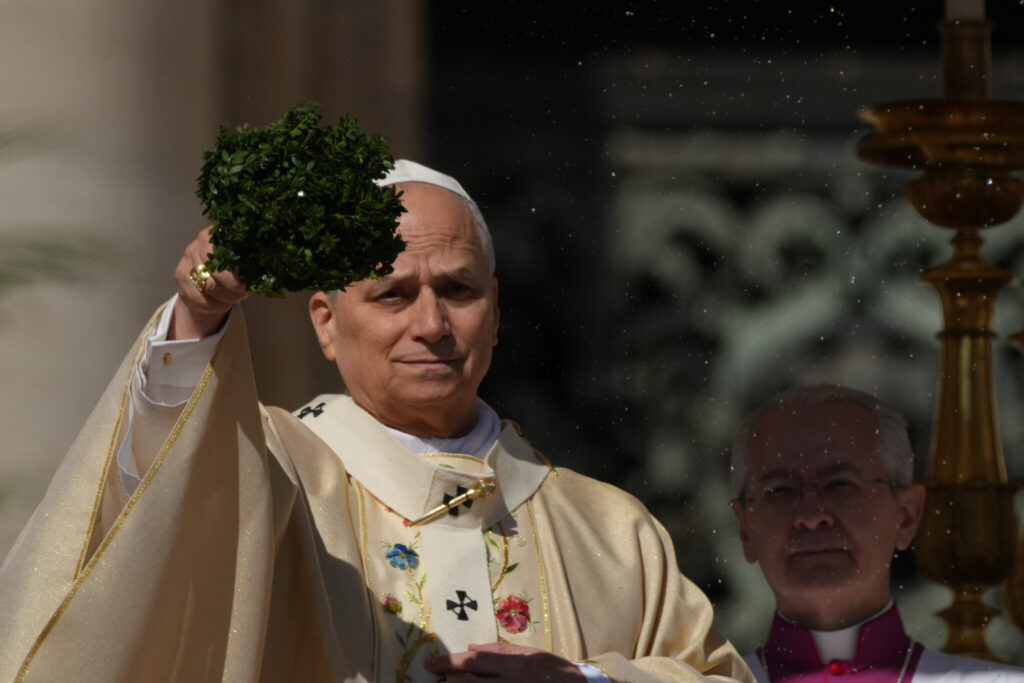
Delivering the traditional Easter Mass at St. Peter’s Square before approximately 50,000 faithful, Pope Leo emphasized the central Christian message of hope and resurrection. The first U.S.-born pope used the occasion to call for an end to global conflicts, stressing that peace must come through dialogue and mutual understanding.
“Let those who have weapons lay them down. Let those who have the power to unleash wars choose peace,” Pope Leo urged. He emphasized that peace should not be forced or imposed but instead achieved through conversation and reconciliation.
The message came as the U.S.-Israeli war with Iran entered its second month, alongside Russia’s ongoing war in Ukraine. Although Pope Leo avoided naming specific conflicts, he acknowledged growing indifference to global suffering.
He warned about the dangers of becoming numb to violence, citing the “deaths of thousands of people” and the broader consequences of hatred, division, and economic disruption caused by wars.
Pope Leo also quoted his predecessor, Pope Francis, referencing Francis’ final Easter message last year, when he warned about a growing “thirst for death” in modern conflicts. Pope Francis died the following day after delivering that Easter message, adding emotional significance to Leo’s first Easter address.
A Shift in Easter Traditions
Unlike previous years, Pope Leo departed from the tradition of listing specific global crises during the Urbi et Orbi blessing, which translates from Latin as “to the city and the world.” The reason for the change was not immediately explained.
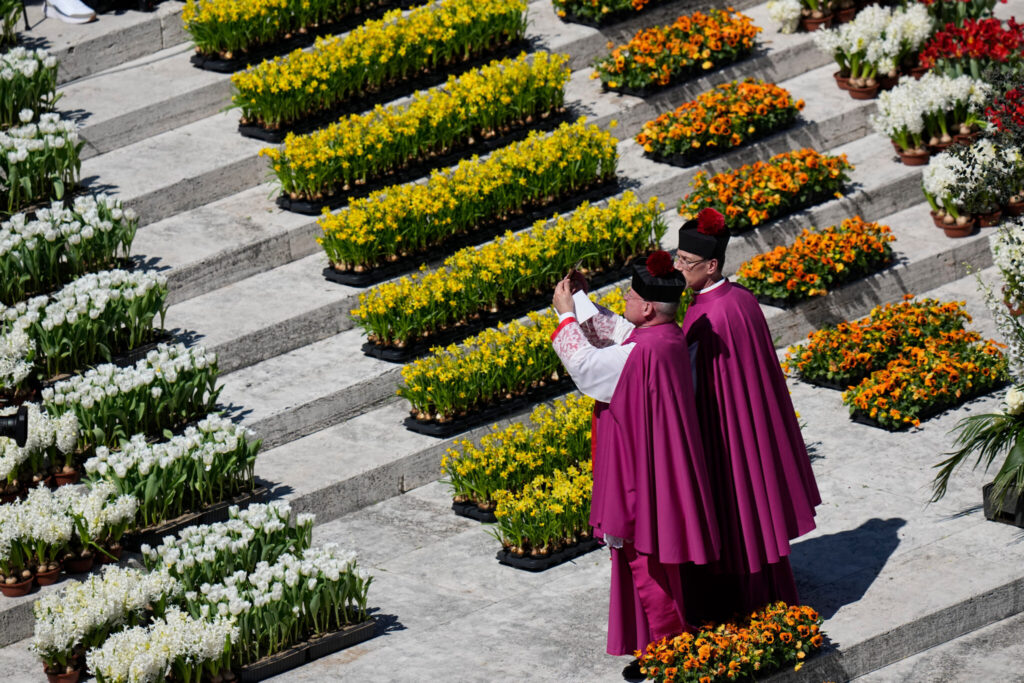
Earlier in the day, Pope Leo celebrated Mass at an outdoor altar decorated with white roses and spring flowers, symbolizing renewal and hope. During his homily, he encouraged believers to maintain hope even in the face of violence, injustice, and suffering.
He highlighted various forms of modern hardship, including exploitation of vulnerable populations, environmental destruction driven by profit, and the devastation caused by warfare.
Later, Pope Leo announced a prayer vigil for peace scheduled for April 11 at St. Peter’s Basilica.
Reviving Vatican Traditions
Pope Leo also introduced subtle but meaningful changes during Holy Week. He greeted the faithful in 10 languages, including Arabic and Chinese, reviving a multilingual tradition that had faded under Pope Francis.
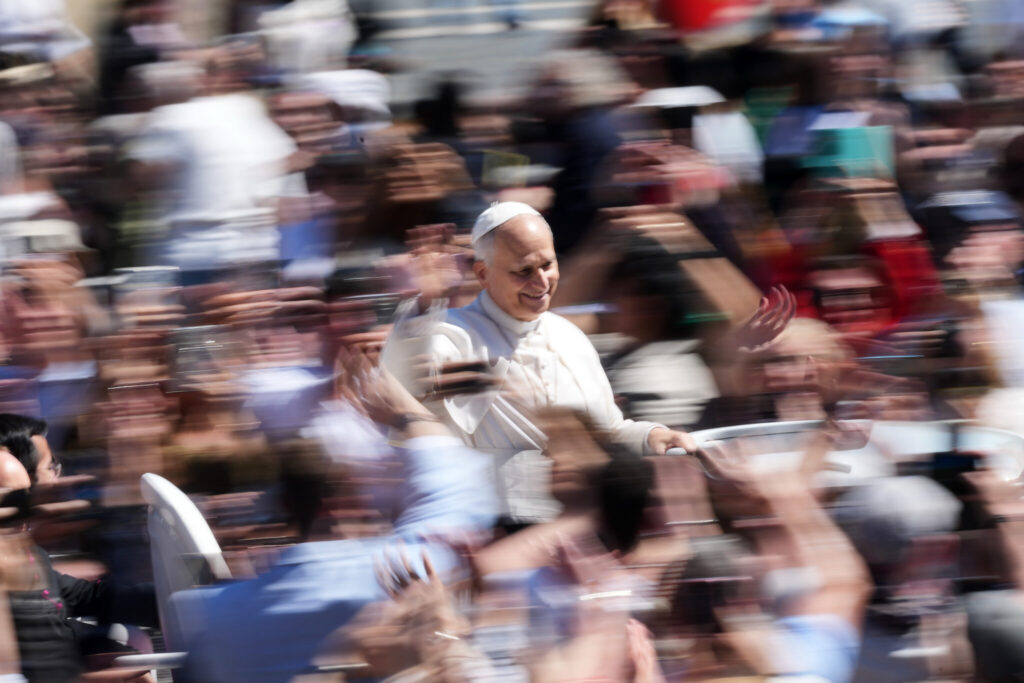
He also stepped forward from the balcony of St. Peter’s Basilica to wave directly to crowds and later rode through the square in the popemobile, extending his greetings further along Via della Conciliazione.
During Holy Thursday, Pope Leo revived the tradition of washing priests’ feet, a gesture meant to encourage clergy. Pope Francis had previously expanded the ritual to include prisoners, women, and non-Christians.
The 70-year-old pontiff also carried the wooden cross for all 14 stations of the Good Friday Way of the Cross, becoming the first pope in decades to do so.
Subdued Celebrations in Jerusalem
Easter celebrations in Jerusalem were notably subdued due to ongoing missile threats and security restrictions. Israeli authorities limited public gatherings at key religious sites, including the Church of the Holy Sepulchre, traditionally believed to be the site of Jesus’ crucifixion and resurrection.
Restrictions also affected Muslim and Jewish religious observances, including Ramadan, Eid al-Fitr, and Passover. The traditional Jewish priestly blessing at the Western Wall, typically attended by thousands, was limited to just 50 participants.
Tensions between Christian leaders and Israeli authorities increased after police prevented senior church leaders from holding Palm Sunday services at the Church of the Holy Sepulchre.
Gaza Christians Celebrate After Ceasefire
In Gaza City, members of the small Palestinian Christian community gathered at Holy Family Church for Easter Mass. The celebration marked the first Easter following a ceasefire after nearly three years of conflict.
Worshippers sang hymns and took turns kissing a framed image of Jesus, with clergy carefully wiping the glass between participants.
George Anton, a Gaza resident, described the celebration as meaningful after years of hardship.
“There is great joy, especially after the ceasefire and after nearly three years of suffering,” he said. “People are somewhat relieved and more stable.”
Iranian Christians Seek Normalcy
In Tehran, Armenian Christians gathered at St. Sarkis Cathedral, attempting to maintain normal traditions despite ongoing airstrikes targeting the Iranian capital.
Families exchanged painted eggs and embraced, while children participated in Easter celebrations.
Juanita Arakel, an English teacher attending the service, said maintaining normalcy was important, particularly for children who may not fully understand the ongoing conflict.
Iran is home to roughly 300,000 Christians, mostly Armenians, within a population of about 90 million. Christians hold three reserved seats in Iran’s parliament.
Archbishop Sepuh Sargsyan of Tehran expressed hope for peace, saying prayers focused on ending the war and restoring stability.
As Pope Leo’s first Easter concluded, his message centered on hope, reconciliation, and dialogue — themes reflecting both the Christian celebration of resurrection and the urgent need for peace in a world marked by ongoing conflict.




You must Register or Login to post a comment.