

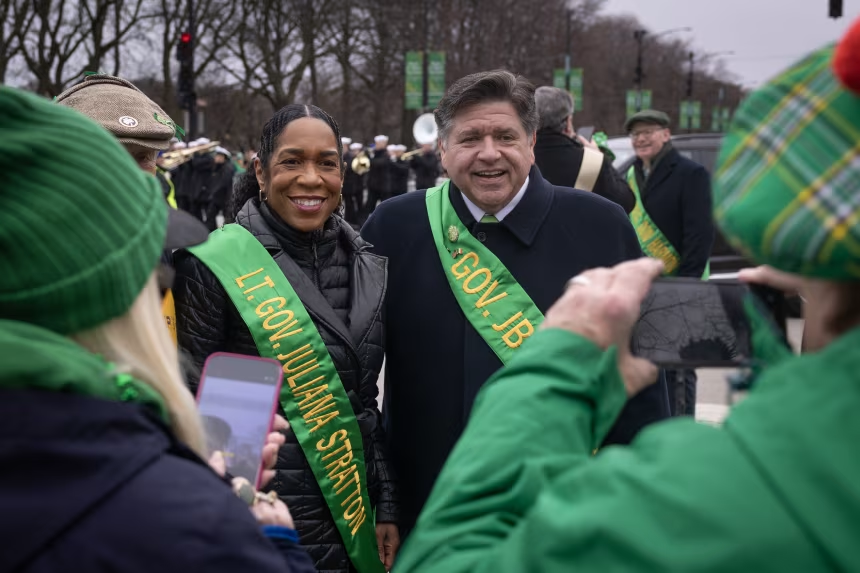
Pritzker’s Illinois Primary Win Fuels 2028 Questions/ Newslooks/ WASHINGTON/ J. Mansour/ Morning Edition/ JB Pritzker’s heavy backing helped Lt. Gov. Juliana Stratton win Illinois’ Democratic Senate primary. The race showed his willingness to spend money, reward loyalty and shape party politics in his home state. It also offered an early preview of the strengths and risks he could carry into a 2028 presidential run.
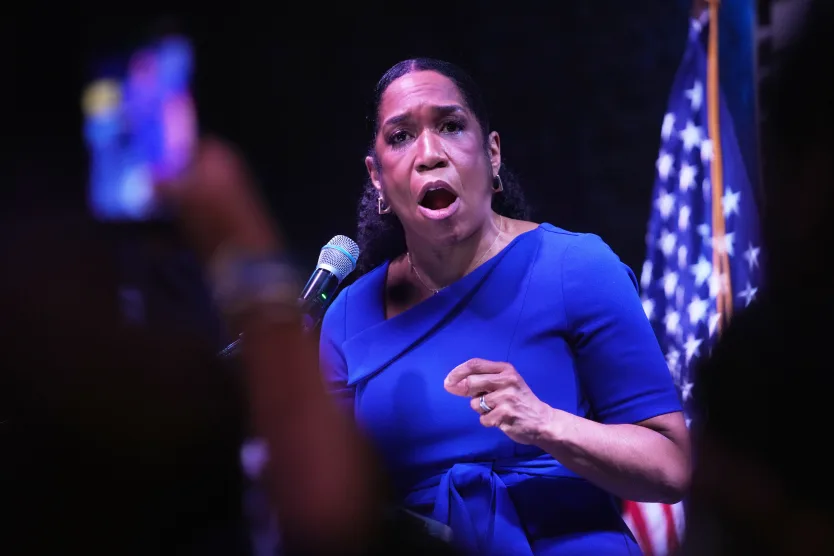
JB Pritzker Senate Primary Quick Looks
- Juliana Stratton emerged as the Democratic Senate nominee in Illinois.
- Pritzker invested major political capital and millions of dollars in her bid.
- He campaigned for her directly and helped drive the message.
- Critics questioned whether his support amounted to buying influence.
- Allies said the win showed his loyalty and seriousness as a political operator.
- The race exposed concerns about how his style could play nationally.
- Some Democrats warned him not to treat the primary as a 2028 playbook.
- Pritzker argues he supports candidates based on values, not just money.
- The result strengthens his standing inside Democratic politics.
- It also intensifies speculation about a future White House campaign.
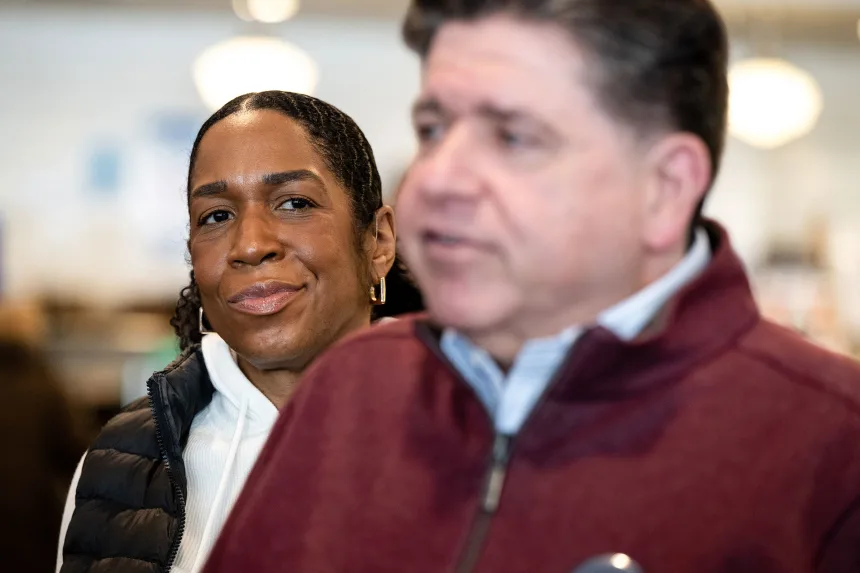
Deep Look: Pritzker’s Illinois Primary Win Fuels 2028 Questions
Illinois Gov. JB Pritzker’s successful push to help Lt. Gov. Juliana Stratton win the Democratic Senate primary was more than a home-state political victory. It doubled as a public display of how he uses influence, money and loyalty to shape outcomes — and it is already feeding questions about what a possible 2028 presidential campaign could look like.
Stratton’s win capped a race in which Pritzker put his reputation and financial muscle squarely on the line. He did not simply endorse her. He actively campaigned for her, used his political network to bolster her standing and helped finance the outside effort that carried much of the race’s advertising burden. By the end, Pritzker and his allies had a ready-made answer for skeptics who doubted Stratton could overcome better-known and better-funded opponents.
For Pritzker, the result was personal. He made clear on election night that his investment in Stratton’s candidacy was intentional and deeply felt. That public embrace underscored one of the defining features of his political style: he puts substantial weight on loyalty and expects to stand with people who have stood with him.
That approach could become central to any presidential bid. Supporters say the Illinois primary showed a few traits that may help him nationally. He is willing to take risks for allies. He has the personal fortune to heavily fund political operations. He can stay committed even when early chatter suggests a candidate is falling short. And he appears comfortable ignoring criticism while continuing to build an aggressive political organization.
At the same time, the race also highlighted vulnerabilities that could follow him into a national contest. Some Democrats worry that Pritzker and his team still need to sharpen their instincts for a campaign beyond Illinois, where he would no longer enjoy home-state dominance or the same built-in network. Others see the Stratton effort as proof that his style can look overly transactional or overly reliant on wealth.
That criticism surfaced repeatedly during the primary. Opponents and skeptics argued that Pritzker’s financial involvement blurred the line between support and control. Even though Stratton still had to make her own case to voters, detractors said the governor’s role was so large that it risked overshadowing her candidacy. Pritzker’s allies reject that view, arguing no amount of outside help can rescue a weak candidate if voters are not receptive.
Still, the question of money remains unavoidable for Pritzker. He has long bristled at being reduced to his billionaire status, insisting that his political decisions are rooted in shared values and confidence in a candidate’s ability to govern. But the Illinois race again showed how difficult it is for him to escape that frame. He is criticized when he spends heavily, yet also questioned when he does not intervene enough.
The primary also stirred tension inside parts of the Democratic coalition, particularly among Black political leaders outside Illinois. Some viewed his support for Stratton positively, given that her victory would put her on track to become one of the few Black women ever elected to the Senate. Others saw the contest through the lens of influence and hierarchy, warning that Pritzker should not assume money and political infrastructure can substitute for longstanding deference to party networks and constituencies.
Those tensions matter for 2028. A presidential run would require Pritzker to broaden his coalition far beyond Illinois and navigate relationships with party leaders, activists and voters who may be less impressed by executive success in a blue state and more skeptical of self-funded power politics. The Senate primary gave him a win, but it also served as a test case for how his methods are received when the stakes rise.
Policy-wise, the race hinted at how Pritzker may position himself nationally. He embraced parts of Stratton’s more progressive message, including support for a higher federal minimum wage and broader health care access, while still keeping some distance from proposals such as Medicare for All. That balancing act reflects how he often operates politically — progressive in tone and priorities, but pragmatic in presentation.
His posture toward Donald Trump may be the clearest through-line. Few Democratic governors have been as forceful and direct in challenging Trump, and Pritzker appears to believe that blunt confrontation remains politically potent with Democratic voters. Stratton’s campaign reflected some of that energy, and Pritzker has made little secret of his own willingness to channel the anger many in the party feel.
In the end, the Illinois Senate primary was both a victory lap and a warning sign. It proved Pritzker can throw his full weight behind a candidate and help deliver a win even when insiders doubt the effort. It also showed that the very tools that make him formidable — money, loyalty, control and confidence — could become liabilities under the harsher glare of a presidential race.
For now, Pritzker can point to a concrete success: the candidate he backed won, and won in a race that many saw as uncertain. But as speculation grows about 2028, Democrats inside and outside Illinois will be studying not just the result, but the method. That may matter just as much as the victory itself.




You must Register or Login to post a comment.