Public Health, Green Groups Sue EPA over Climate Rule Repeal/ Newslooks/ WASHINGTON/ J. Mansour/ Morning Edition/ Public health and environmental organizations have sued the EPA over its repeal of the 2009 endangerment finding on greenhouse gases. The rule has long served as the legal foundation for federal climate regulations under the Clean Air Act. The lawsuit argues the repeal is unlawful and undermines decades of scientific evidence.
EPA Endangerment Finding Lawsuit Quick Looks
- Lawsuit filed in U.S. Court of Appeals for D.C. Circuit
- Challenges repeal of 2009 endangerment finding
- Rule underpinned vehicle and power plant emissions standards
- Plaintiffs include American Lung Association and Sierra Club
- EPA Administrator Lee Zeldin named as defendant
- Repeal removes greenhouse gas limits for cars and trucks
Deep Look: Public Health, Green Groups Sue EPA over Climate Rule Repeal
A coalition of public health advocates and environmental organizations has filed suit against the Environmental Protection Agency, challenging its decision to rescind a landmark scientific determination that has guided U.S. climate policy for more than a decade.
The lawsuit, filed in the U.S. Court of Appeals for the District of Columbia Circuit, contests the agency’s repeal of the 2009 “endangerment finding.” That determination concluded that carbon dioxide and other greenhouse gases threaten public health and welfare, forming the legal backbone of federal climate regulations under the Clean Air Act.
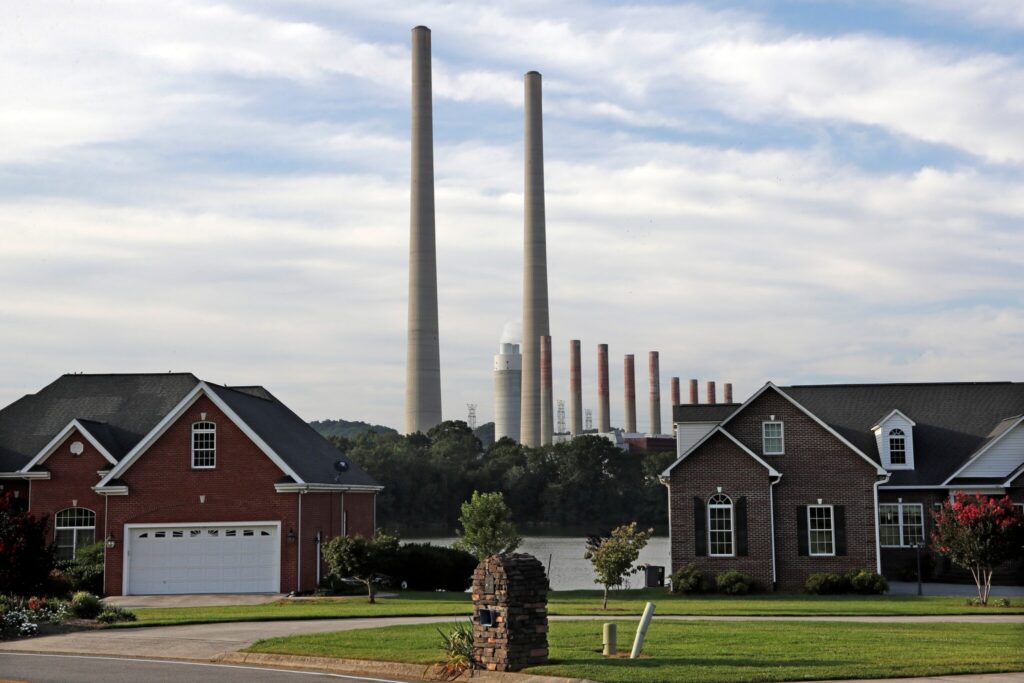
The repeal, finalized last week, eliminates greenhouse gas emissions standards for cars and trucks and could open the door to dismantling additional climate protections affecting power plants and oil and gas facilities. Environmental experts warn the move could significantly weaken federal authority to regulate planet-warming pollution.
The coalition behind the legal challenge includes major public health and environmental groups such as the American Public Health Association, American Lung Association, Environmental Defense Fund, Natural Resources Defense Council and Sierra Club. They argue the EPA’s action is unlawful and contradicts extensive scientific evidence accumulated over nearly two decades.
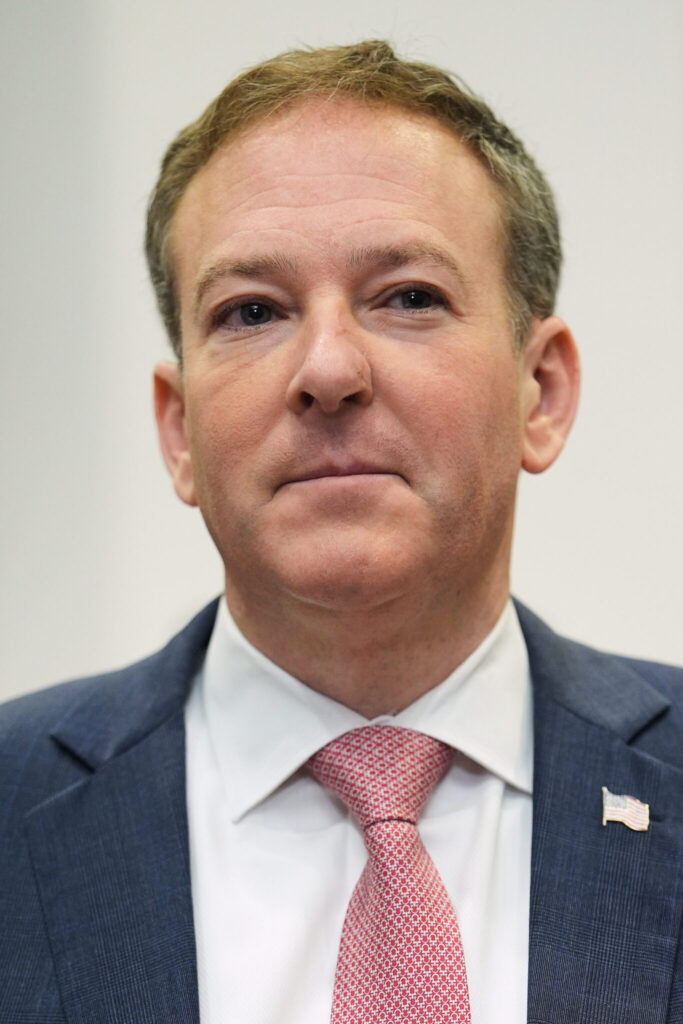
The suit names EPA Administrator Lee Zeldin as a defendant, along with the agency itself.
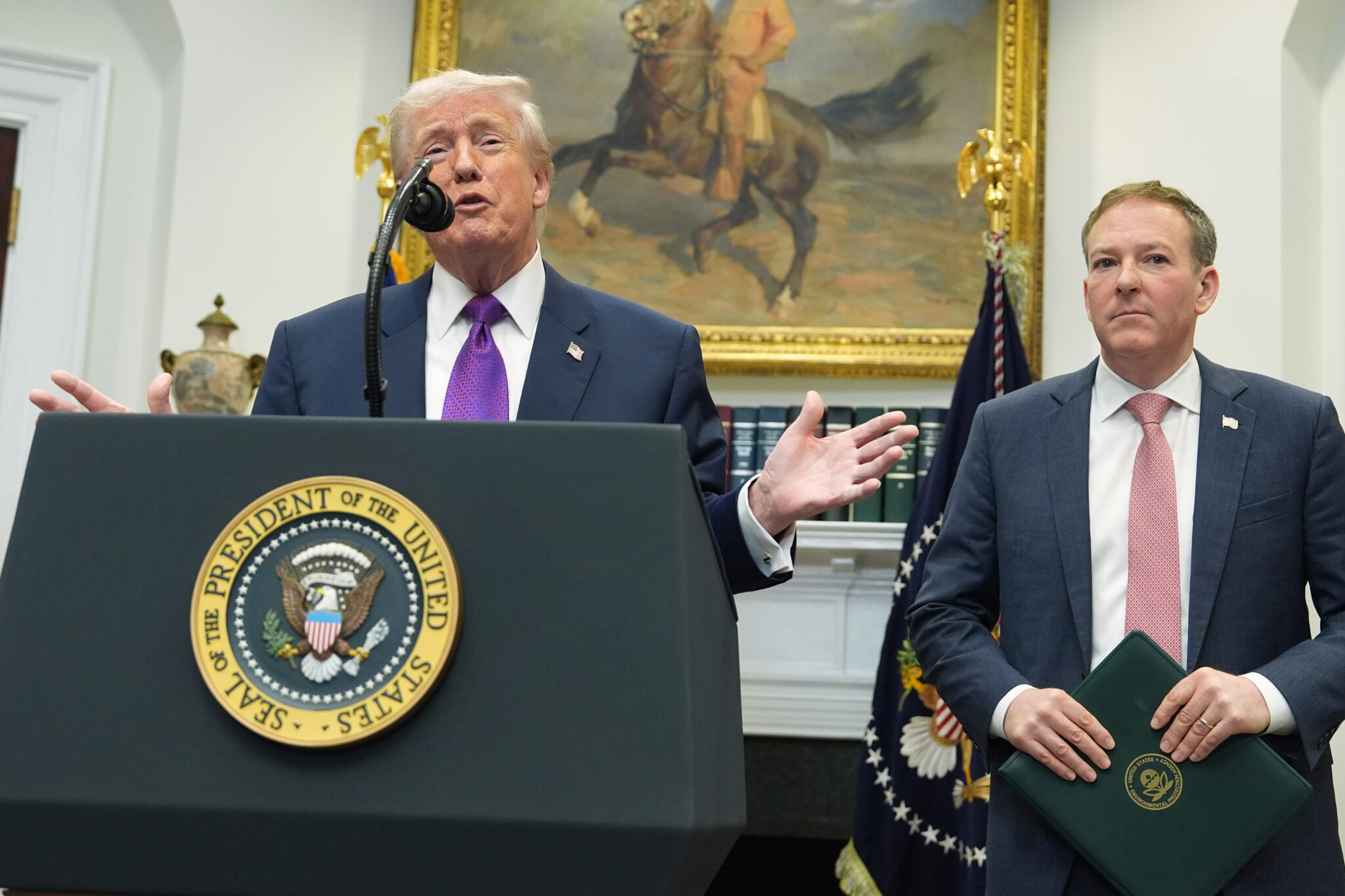
In announcing the repeal, President Donald Trump described it as the largest deregulatory action in U.S. history. Zeldin characterized the endangerment finding as the foundation of what he called federal regulatory overreach, asserting that it imposed costly burdens on industries, particularly the auto sector.
Supporters of the repeal argue that the endangerment finding led to trillions of dollars in regulations affecting energy producers, manufacturers and consumers. They contend that loosening greenhouse gas standards will boost economic growth, lower compliance costs and protect consumer choice.
Opponents counter that the EPA’s own scientific and economic analyses undermine those claims. According to advocates, clean vehicle standards enacted in recent years were projected to deliver the largest reduction in U.S. carbon pollution in history while saving consumers money on fuel and reducing health impacts linked to air pollution.
Under the Clean Air Act, the EPA is required to regulate pollutants that may reasonably be anticipated to endanger public health or welfare. In 2007, the U.S. Supreme Court ruled in Massachusetts v. EPA that greenhouse gases qualify as “air pollutants” under the law, directing the agency to determine whether they pose a danger based on scientific evidence. The EPA’s 2009 finding affirmed that they do, citing risks including rising temperatures, extreme weather and threats to human health.
Since then, the endangerment finding has supported regulations targeting emissions from motor vehicles, power plants and other major sources of carbon pollution. Environmental advocates argue that the scientific case has only strengthened over time, with growing evidence linking fossil fuel combustion to rising global temperatures and associated health and economic harms.
Brian Lynk of the Environmental Law & Policy Center said the EPA cannot credibly reverse course after years of affirming the scientific consensus. He described the repeal as legally untenable and likely to trigger prolonged court battles.
Gretchen Goldman, president and CEO of the Union of Concerned Scientists — another plaintiff in the case — called the repeal a dereliction of the agency’s mission to protect public health. She said the move disregards established science showing that heat-trapping emissions are rising and contributing to severe climate impacts worldwide.
Critics also warn that eliminating federal vehicle standards could increase gasoline consumption and drive up fuel costs for consumers, undermining both environmental and economic objectives.
The case now moves to the D.C. Circuit, a court that frequently hears high-profile regulatory disputes. The outcome could shape the future of U.S. climate policy and determine the extent of federal authority to regulate greenhouse gas emissions.
At stake is not only the fate of specific emissions rules but also the broader question of how the federal government interprets its responsibility under environmental law to respond to climate change. As legal proceedings unfold, the repeal of the endangerment finding stands as one of the most consequential environmental policy shifts in recent years.