

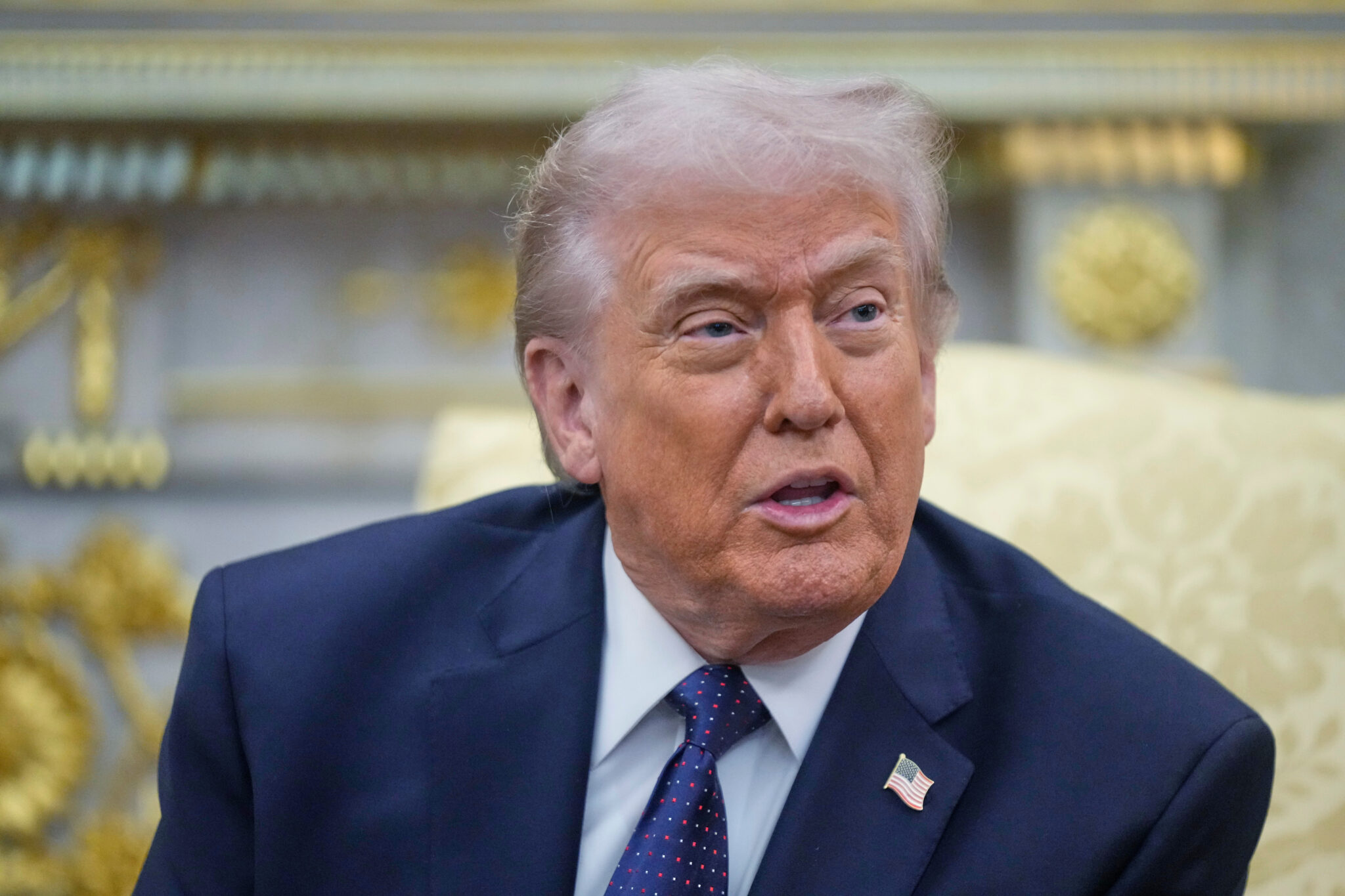
Questions Grow Over Trump’s Strategy In Iran War/ Newslooks/ WASHINGTON/ J. Mansour/ Morning Edition/ President Donald Trump says the U.S. is winning the war with Iran, but officials have offered few details about how the conflict will end. The fighting has already spread across the Middle East and shaken global energy markets. Critics say the administration lacks a clear timeline or exit strategy for the war.
Trump Iran War Strategy Quick Looks
- President Donald Trump says the U.S. military campaign against Iran is succeeding.
- However, the administration has not outlined a clear plan for ending the war.
- The conflict has lasted nearly two weeks and continues to expand.
- Iran has threatened to block oil shipments through the Strait of Hormuz.
- Seven U.S. service members have been killed and about 140 wounded.
- Polls show many Americans believe the war makes the U.S. less safe.
- Critics argue the administration lacks a clear exit strategy.
- European allies are questioning the long-term plan for the conflict.
- Oil markets remain volatile due to shipping disruptions.
- The war risks becoming a prolonged regional crisis.

Deep Look
Trump Says War Is Going Well — But Endgame Remains Unclear
President Donald Trump has repeatedly assured Americans that the United States is winning the war against Iran. But nearly two weeks into the conflict, questions remain about how the fighting will ultimately end.
The war has already expanded across the Middle East, affecting global energy markets and drawing in multiple regional actors. Despite the scale of the conflict, the administration has yet to provide a detailed strategy outlining what victory would look like or when the war might conclude.
Trump has offered a range of shifting statements in recent days, sometimes suggesting the war could end soon and at other times implying that further military action is still necessary.
During remarks at a gathering of House Republicans, Trump described the conflict as a “short-term excursion” but later added that the United States had not yet “won enough.”
Conflicting Messages From Administration
Officials within the administration have acknowledged that the timeline for the war remains uncertain.
Defense Secretary Pete Hegseth told reporters that the duration of the conflict ultimately depends on decisions made by the president.
“Whether it’s the beginning, the middle or the end — that’s up to President Trump,” Hegseth said.
The shifting tone from the administration has drawn criticism from lawmakers who say the White House lacks a clearly defined objective.
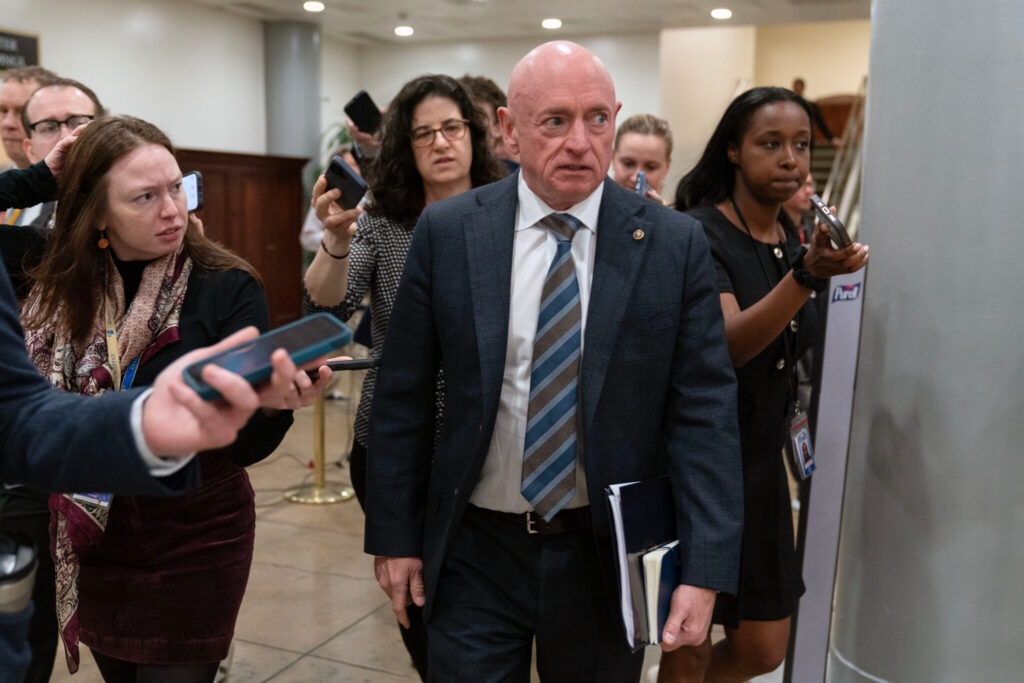
Sen. Mark Kelly, a Democrat from Arizona, said the administration appears to have entered the conflict without a clear plan.
“They didn’t have a plan,” Kelly said. “They have no timeline, and because of that they have no exit strategy.”
Goals for the Military Campaign
Since launching airstrikes against Iran, Trump has outlined several different goals for the military operation.
At times he has called for Iran’s leadership to offer “unconditional surrender.” At other moments he has suggested the U.S. has already achieved many of its objectives.
The Pentagon says U.S. forces have significantly weakened Iran’s military capabilities, including damaging its navy and limiting its ability to launch missiles and drones.
However, major strategic challenges remain.
One of the most significant is the continued closure of the Strait of Hormuz, a narrow shipping route through which roughly 20% of the world’s oil supply normally passes.
Iran’s Revolutionary Guard has said it will not allow oil shipments through the waterway until U.S. bombing stops.
Concerns Over Global Energy Markets
The disruption of shipping through the Strait of Hormuz has rattled global energy markets and increased pressure on the Trump administration to stabilize the situation.
Former House Speaker Newt Gingrich, a Trump ally, warned that securing the shipping route should have been an early priority.
“If they can’t keep it open, this war will in fact be an American defeat before very long,” Gingrich said during an interview on Fox Business.
He noted that rising oil prices could quickly shift public opinion against the war if the strait remains closed.
Energy analysts say prolonged disruptions could trigger higher fuel costs worldwide and create broader economic instability.
Trump Faces Questions From Voters
The administration has also struggled to explain to Americans why military action against Iran was necessary.
Trump has argued that the conflict was needed to prevent potential attacks against the United States.
At one point, he said he launched the strikes because he had a “feeling” that Iran was preparing to attack the U.S.
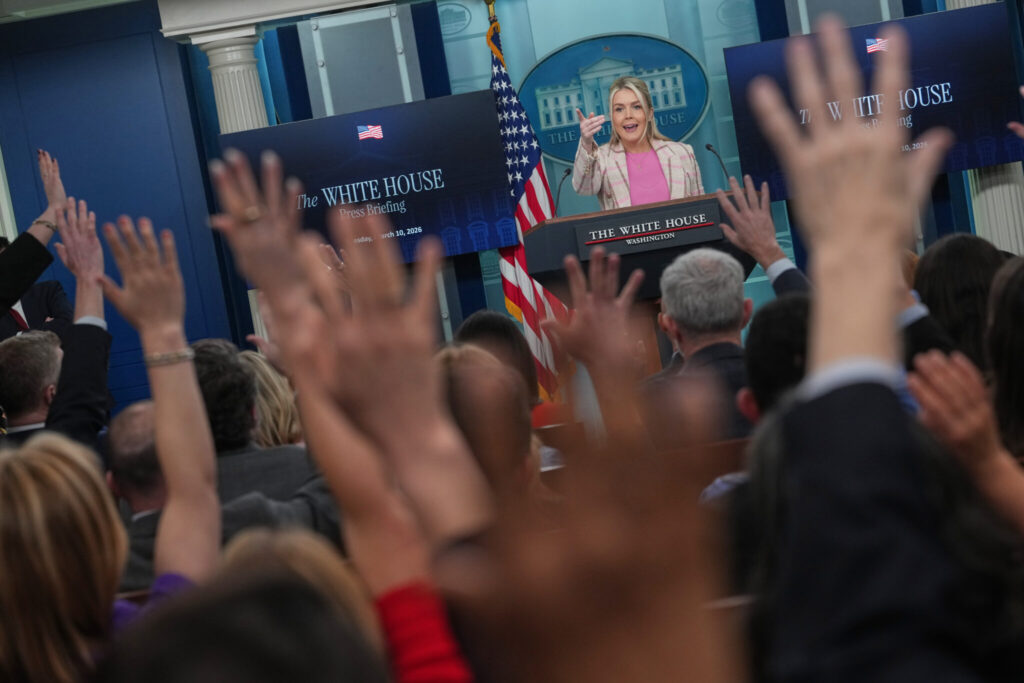
White House press secretary Karoline Leavitt later clarified that the president’s assessment was based on intelligence information.
However, Pentagon officials have reportedly told congressional staffers in private briefings that there is no evidence Iran was preparing an imminent attack on the United States.
Public Opinion Remains Divided
Recent polling suggests the war has not generated the surge in national unity that often accompanies the beginning of major military conflicts.
Surveys conducted by Quinnipiac University and Fox News found that about half of voters believe the war makes the United States less safe.
Only about three in ten respondents said the military action improved national security.
A CNN poll similarly found that roughly half of Americans believe the strikes could make Iran a greater threat to the United States.
The same survey showed about six in ten Americans have little or no trust in Trump’s decisions about military force in Iran.
Allies Express Growing Concern
U.S. allies in Europe are also expressing uncertainty about the conflict’s long-term direction.
Some leaders have criticized the lack of a coordinated strategy for ending the war.
German Chancellor Friedrich Merz said the longer the conflict continues, the more questions arise about its objectives.
“Germany and Europe have no interest in an endless war,” Merz said.
He emphasized that European governments want the conflict to end quickly while also avoiding the collapse of Iran’s territorial stability.
Controversy Over School Bombing
The war has also sparked controversy over a deadly strike that hit a girls’ school in southern Iran on the first day of the conflict.
At least 165 people were killed in the explosion.
Trump initially suggested the blast may have been caused by Iranian forces misfiring their own weapons.
However, the investigative group Bellingcat later released video analysis indicating that a U.S. Tomahawk cruise missile struck an Iranian Revolutionary Guard facility near the school.
The explosion reportedly caused the nearby school to collapse.
Trump has said he will accept the findings of a U.S. investigation into the incident.
White House officials have declined to explain why the president initially suggested Iran possessed Tomahawk missiles — a weapon system produced by the United States and used only by a small number of allied militaries.
War’s Outcome Still Uncertain
As the conflict approaches its second week, both supporters and critics of the war agree on one point: the final outcome remains unclear.
The administration continues to argue that U.S. forces have inflicted significant damage on Iran’s military infrastructure.
But with Iran still defiant and key shipping routes disrupted, analysts say the conflict could continue to evolve in unpredictable ways.
For now, the question dominating Washington and global capitals alike is not whether the war is being fought effectively — but how and when it will ultimately end.





You must Register or Login to post a comment.