Rain Hits 2026 Rose Parade, Snow Disrupts Northeast/ Newslooks/ WASHINGTON/ J. Mansour/ Morning Edition/ The 2026 Rose Parade was drenched in rain for the first time in two decades as storms swept across Southern California. Meanwhile, snow squalls and frigid air disrupted the Midwest and Northeast. Flood warnings, evacuation alerts, and flight delays marked a chaotic start to the new year.
Rose Parade 2026 Rain – Quick Looks
- Rain fell on Pasadena’s Rose Parade for the first time since 2006
- Southern California issued flood watches and evacuation alerts
- Snow squalls and Arctic air hit Midwest and Northeast regions
- New York City saw its coldest New Year’s celebration in a decade
- Flight delays plagued Boston Logan and San Diego International Airport
Rain Hits 2026 Rose Parade, Snow Disrupts Northeast
Deep Look
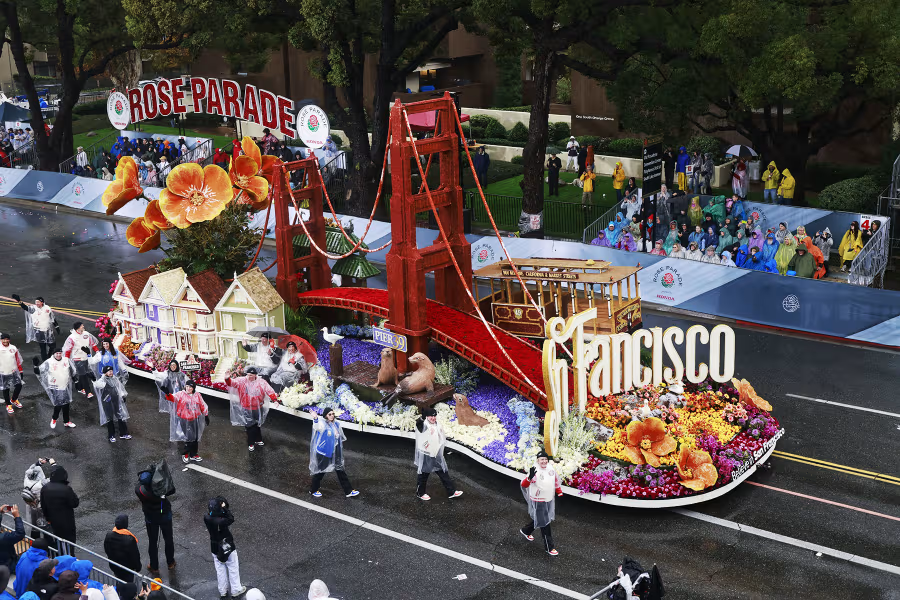
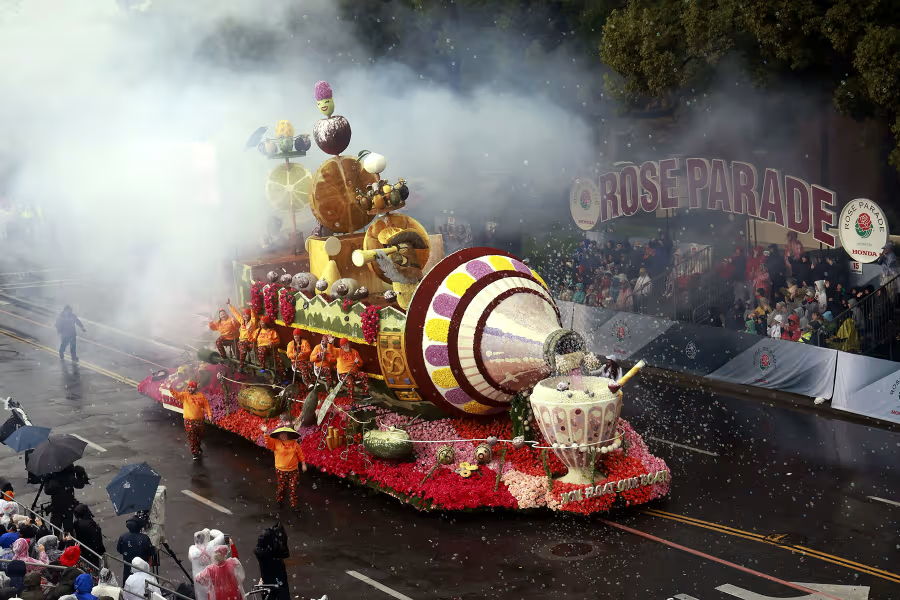
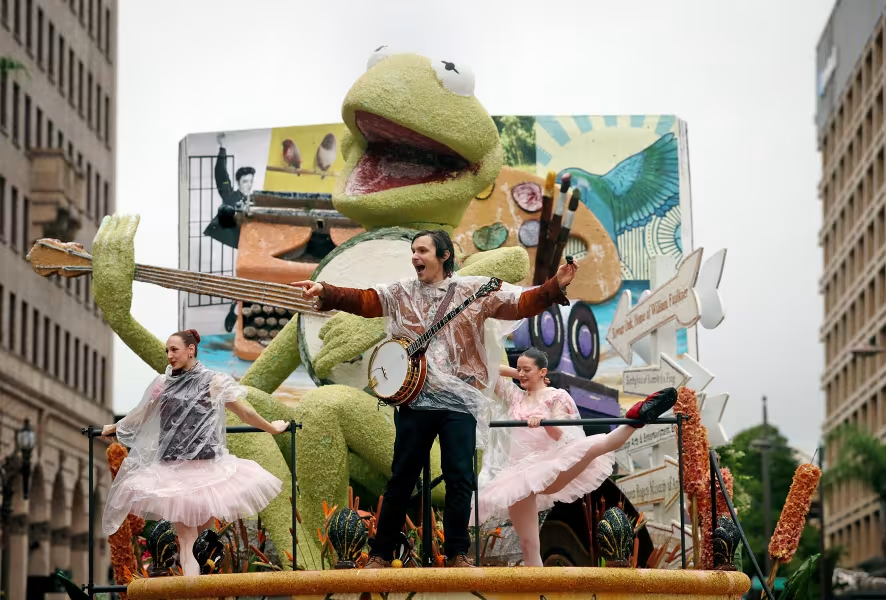
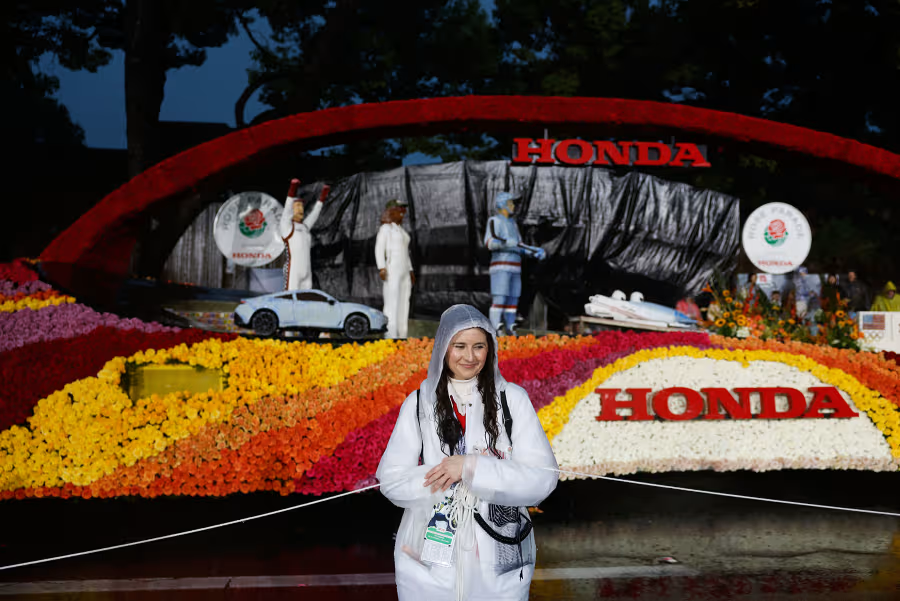
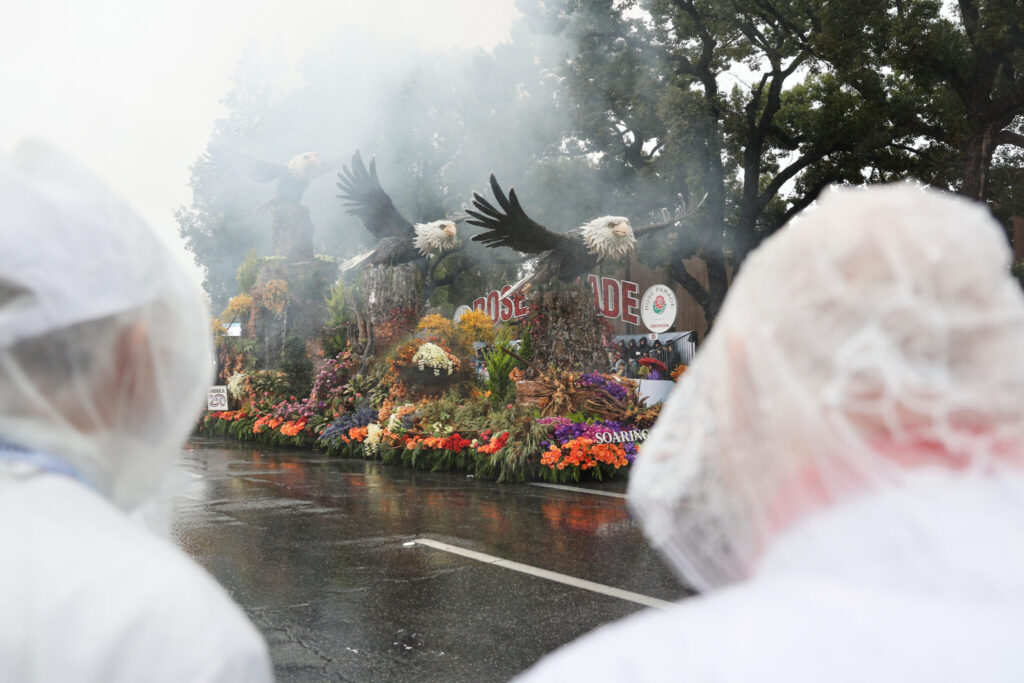
PASADENA, Calif. — The 137th annual Rose Parade opened 2026 with cold rain and gray skies, marking the first time in 20 years the celebrated event was soaked by wet weather.
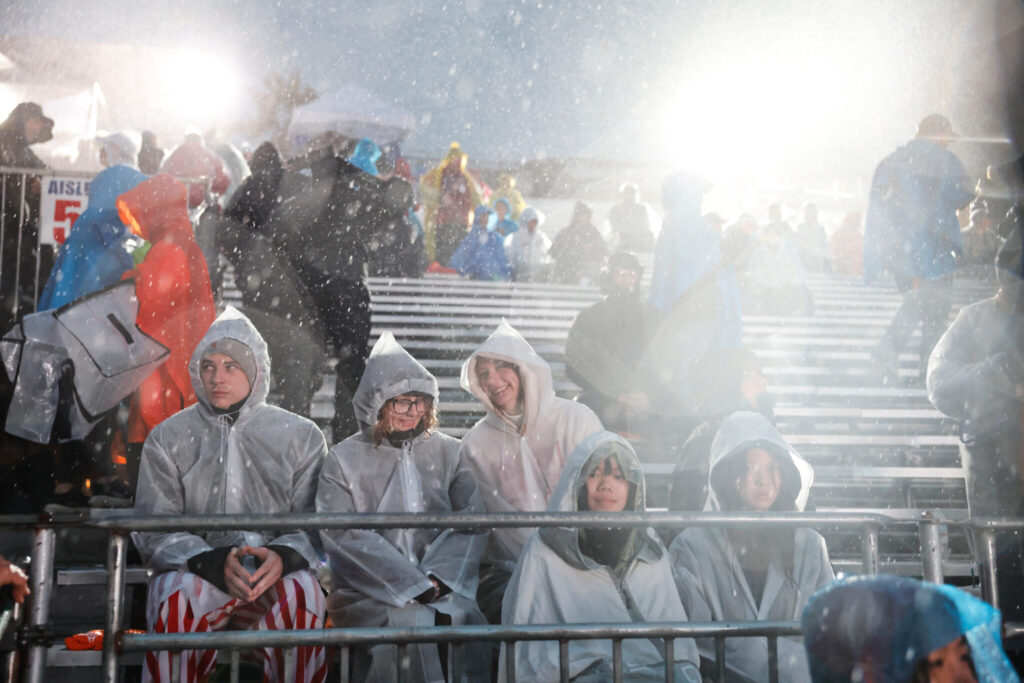
More than one inch of rain fell on Pasadena Thursday morning, soaking parade-goers, floats, and performers along the nearly six-mile route. Temperatures hovered at 58 degrees Fahrenheit (14.4 degrees Celsius) as the parade began at 8 a.m., creating an unusually damp and chilly start to the year for Southern California.
Despite the rain, the event continued with only minor modifications. Organizers from the Pasadena Tournament of Roses said the only real change was raising the tops on convertibles carrying grand marshal Earvin “Magic” Johnson and other VIPs. Spectators lined the route in ponchos, while millions more watched from home.
The National Weather Service had warned of the possibility all week, and by Thursday had issued flood watches across all California counties and coastal flood advisories stretching into Sunday for regions along the Pacific Coast, especially near San Francisco.
In Los Angeles County, areas scarred by 2025’s wildfire season were under evacuation warnings due to the risk of mudslides and flash flooding.
Across the country, a strong winter weather system brought disruptive snow squalls and high winds to the Midwest and Northeast. The storm, driven by an Alberta Clipper and a trailing Arctic front, created hazardous road conditions from Wisconsin through Michigan, into Illinois, northern New Jersey, and across southeastern New York and New England.
In New York City, revelers endured near-freezing temperatures at the Times Square ball drop, the coldest New Year’s celebration there in a decade.
Travel chaos accompanied the weather. According to flight-tracking site FlightAware, about 25% of flights were delayed at both San Diego International Airport and Boston Logan International Airport.
The wintry conditions also complicated New Year’s celebrations and prompted warnings for motorists and travelers throughout the Northeast and upper Midwest.
While no major damage was reported, the weather served as a reminder of winter’s unpredictability — and put a soggy damper on what is normally a sun-soaked showcase of floral floats and fanfare in Pasadena.