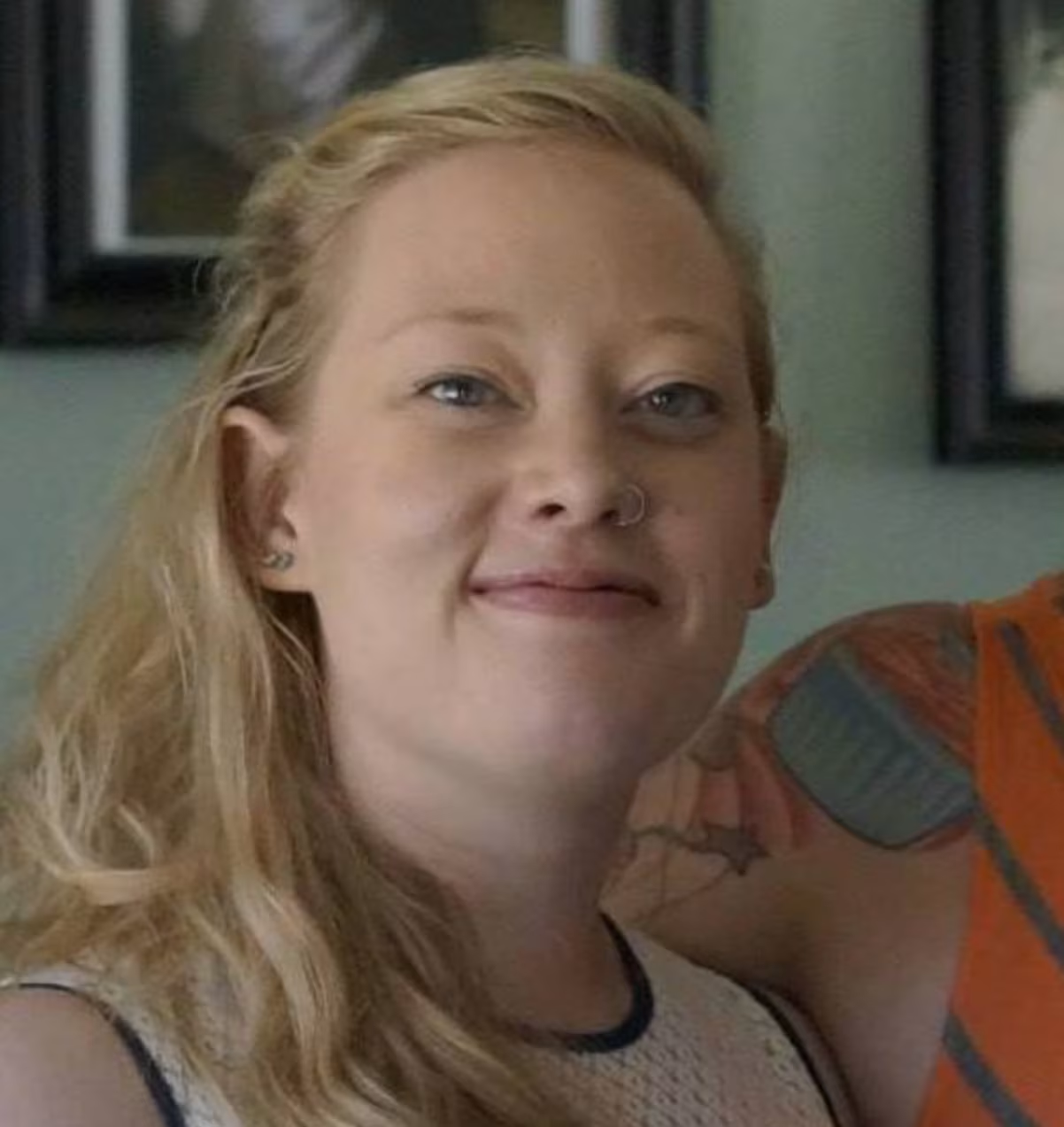
Renee Good Found With 4 Gunshot Wounds, No Pulse, Report Reveals/ Newslooks/ WASHINGTON/ J. Mansour/ Morning Edition/ Newly released 911 transcripts and an incident report reveal graphic details surrounding the fatal shooting of Renee Good by a federal immigration officer in Minneapolis. Good, a mother of three, was found unresponsive with multiple gunshot wounds after allegedly attempting to flee in her vehicle. Her death has sparked ongoing protests and national scrutiny of the Trump-era immigration crackdown.
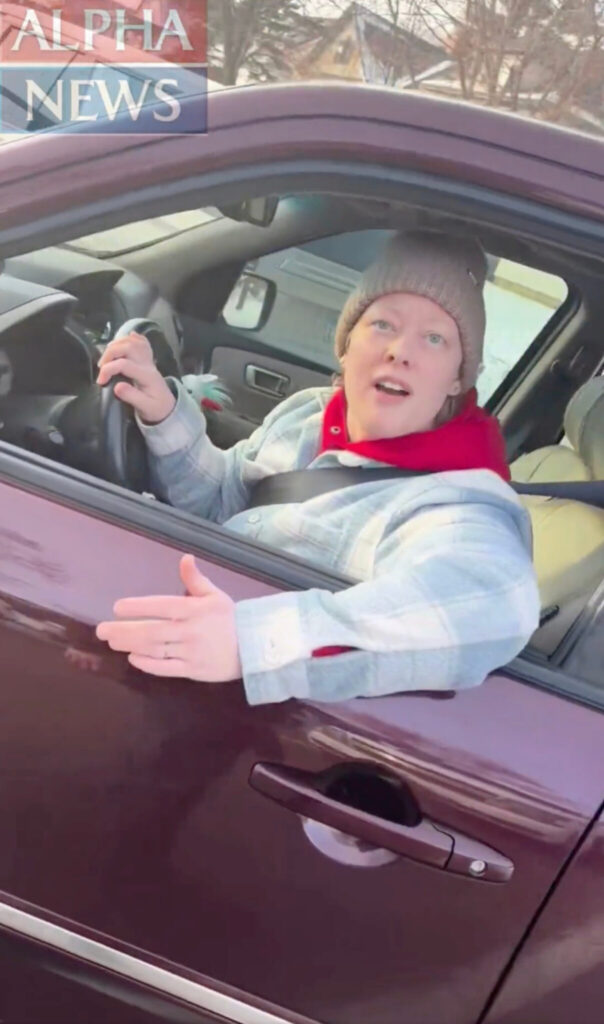
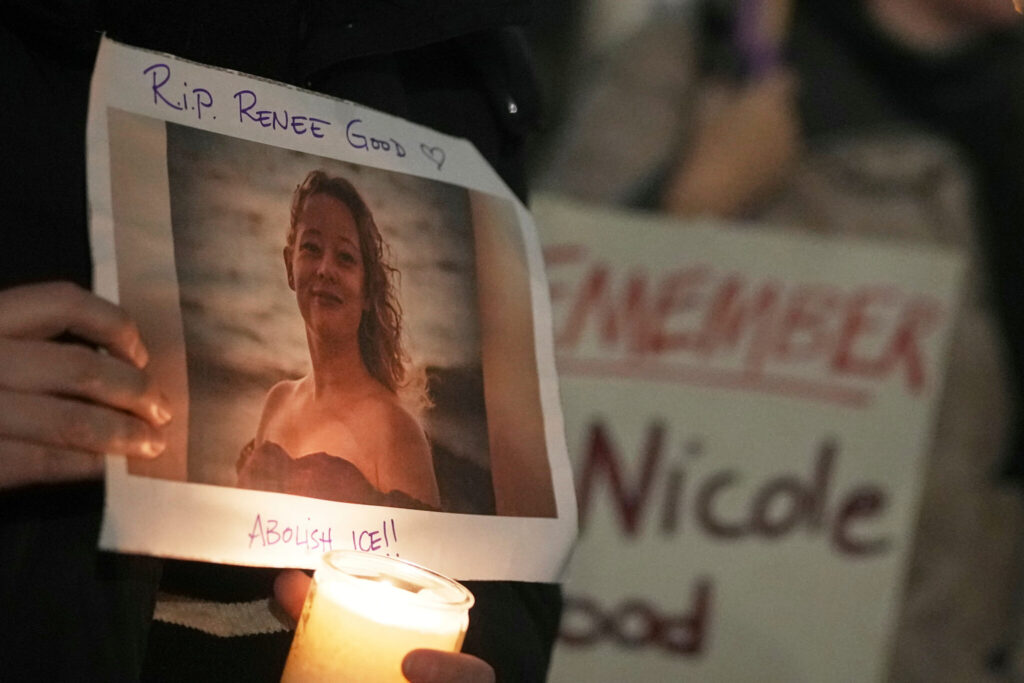
Renee Good Shooting + Community Reaction Quick Looks
- Renee Good, 37, was fatally shot by an ICE agent on January 7
- 911 transcripts show multiple eyewitnesses reported shots fired through her windshield
- Emergency responders found her with gunshot wounds to her chest, forearm, and possibly head
- Good was unresponsive at the scene and later died at the hospital
- Incident report says Good had no pulse and was given CPR
- Federal officials claim she attempted to use her car to harm officers
- Witness video shows a physician trying to check her pulse was denied by ICE agents
- ICE officers blocked access to Good’s vehicle before moving her to a safer location
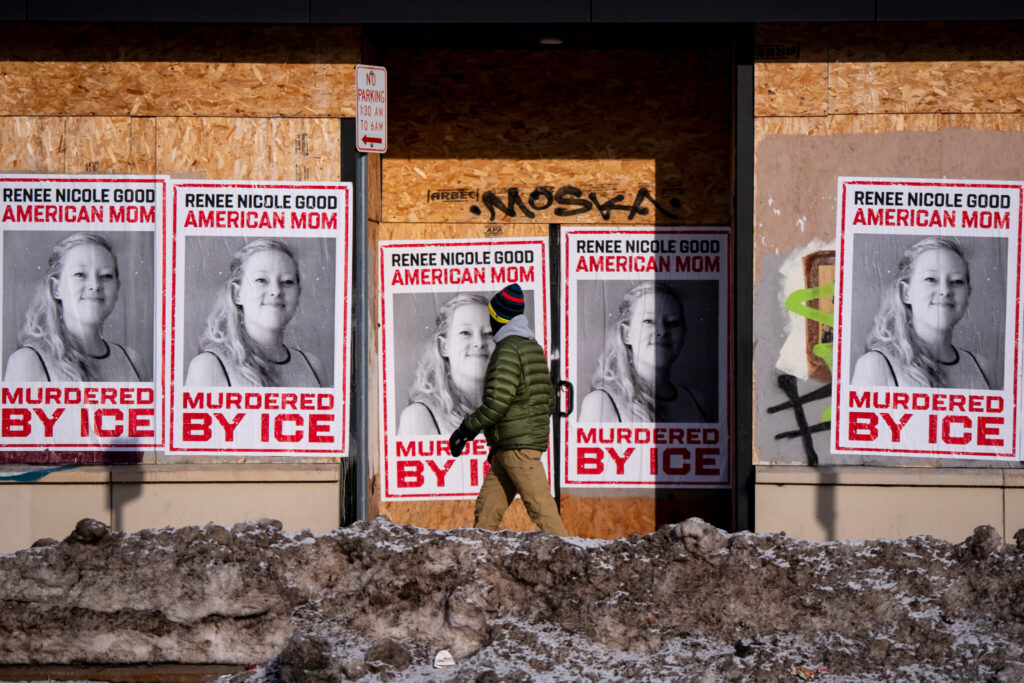
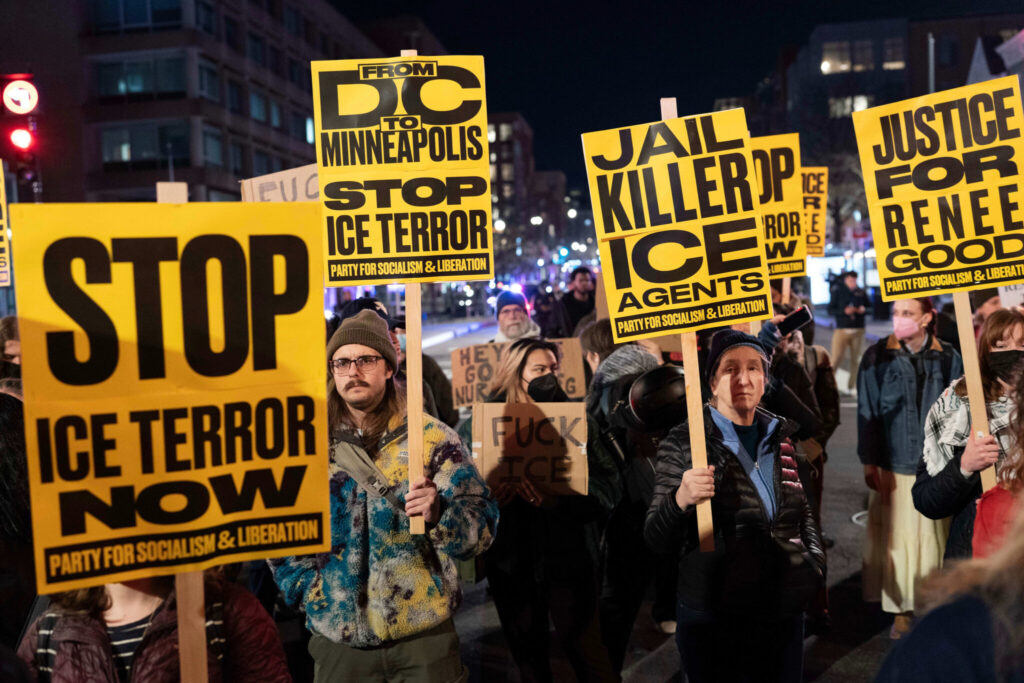
- Protests erupted in Minneapolis and other cities after her death
- Trump administration labels the incident “domestic terrorism,” fueling further outrage
Deep Look: Renee Good Found With 4 Gunshot Wounds, No Pulse, Report Reveals
The final moments of Renee Good’s life — captured in chilling 911 transcripts and a Minneapolis incident report — are fueling continued protests, growing public anger, and renewed scrutiny of the Trump administration’s aggressive immigration enforcement tactics.
Good, a mother of three, was shot and killed on January 7 by a U.S. Immigration and Customs Enforcement (ICE) officer during an attempted arrest in Minneapolis. Her death has since ignited nightly demonstrations in the city and drawn national attention, with critics accusing the administration of escalating violence against civilians.
The 37-year-old had two apparent gunshot wounds to her right chest, one apparent gunshot wound to her left forearm and a possible gunshot wound on the left side of her head, according to the report, which also says Good was found with no pulse and given chest compressions and other measures to try to resuscitate her.
What Happened: A Deadly Encounter
According to transcripts released by Minneapolis officials, multiple emergency calls flooded 911 immediately after the shooting.
“I saw… an ICE officer fire two shots through her windshield into the driver,” one caller said.
“She tried to drive away but crashed into the nearest vehicle. I saw blood all over the driver.”
The city’s fire department incident report describes a grim scene. Good was found slumped in the driver’s seat of her Honda Pilot, unresponsive and not breathing. She had no pulse. First responders documented gunshot wounds to her right chest, left forearm, and possibly to the left side of her head.
Despite chest compressions and other resuscitation efforts, Good was later pronounced dead at the hospital.
Federal Response and Conflicting Accounts
President Donald Trump and Homeland Security Secretary Kristi Noem have both publicly defended the shooting. Noem labeled Good’s actions an “act of domestic terrorism,” claiming she used her vehicle as a weapon against federal agents.
However, transcripts and on-scene video reveal a far more chaotic and contested version of events.
One 911 caller identified himself as relaying information on behalf of Homeland Security officers:
“We had officers stuck in a vehicle and we had agitators on scene. And we have shots fired by our locals.”
In a now-viral video clip, a man identifying himself as a physician is seen pleading with ICE officers to check Good’s pulse. He raises his hands to show he is unarmed:
“I’m a physician! Can I check a pulse?”
An ICE officer shouts back: “No! Back up! Now!”
The physician repeats his plea, but the officers refuse.
Emergency Relocation and Fatal Outcome
The incident report explains that due to rising tensions at the scene, emergency responders made the decision to move Good’s body “down the block” to a safer location for ambulance access and crowd control.
“We moved the patient for a more workable scene… and separation from an escalating scene involving law enforcement and bystanders.”
She was then transported to a local hospital, where she was officially declared deceased.
Aftermath: Grief, Protest, and Political Fallout
The shooting has unleashed a wave of grief and fury across Minneapolis and beyond. Protesters have gathered outside federal buildings, chanting her name and condemning the White House’s immigration enforcement policy. A makeshift memorial now stands near the site where Good was shot, adorned with flowers, candles, and signs demanding justice.
The incident has renewed debate over the role of ICE and the use of lethal force during immigration arrests. It has also raised broader questions about the treatment of civilians — especially women of color — under the Trump administration’s second-term agenda.
Conclusion:
Renee Good’s death is far more than a tragic encounter with law enforcement — it’s become a rallying cry for activists, civil rights groups, and ordinary citizens demanding accountability. As the nation watches Minneapolis, calls for transparency, justice, and reform are growing louder.