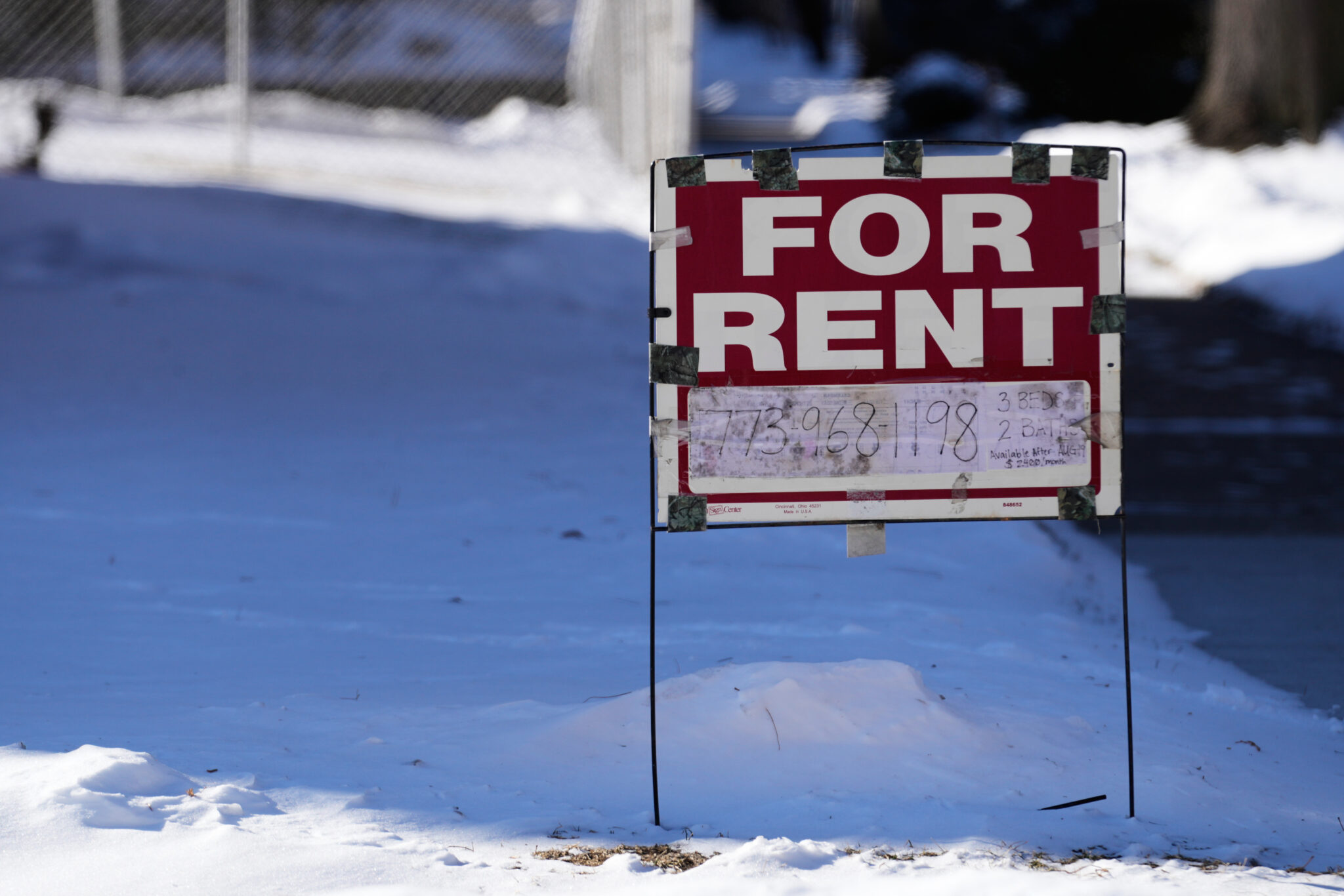
‘Rent Now, Pay Later’ Services Raise Fee Concerns/ Newslooks/ WASHINGTON/ J. Mansour/ Morning Edition/ As rent prices soar, more Americans are using “rent now, pay later” services like Flex and Livble to split monthly rent payments. While these services help manage cash flow, fees can create high-interest burdens. Advocates warn that such tools may worsen affordability instead of easing financial strain.

Rent Now, Pay Later Quick Looks
- Renters use installment services to split monthly payments
- Flex, Livble, Affirm among leading providers
- Fees can result in triple-digit effective APRs
- Some renters face rates as high as 172%
- 42.5 million U.S. households are renters
- Advocates question whether services deepen financial stress
- Affirm pilots fee-free rent splitting with Esusu
- Credit cards also growing in use for rent payments
- Critics fear landlords may hike rents based on cash flow
- RealPage, owner of Livble, faced price manipulation claims
Deep Look: Rent Now Pay Later Services Raise Fee Concerns
With rents consuming a growing share of household income, a rising number of Americans are turning to installment-based services to manage monthly housing costs. “Rent now, pay later” (RNPL) platforms like Flex, Livble, and Affirm offer short-term financial relief by allowing tenants to split their rent into multiple payments. However, these services come at a cost that’s drawing scrutiny from economists and consumer protection advocates.
The appeal of RNPL services is clear: For renters with unstable or gig-based incomes, paying the full rent on the first of the month can drain an entire paycheck. Services like Flex promise convenience, paying the landlord upfront while the renter repays the service over the course of the month.
Kellen Johnson, a 44-year-old driver in Sacramento, California, began using Flex two years ago while working for Amazon. Instead of paying his full $1,850 rent on the first of each month, Johnson paid $1,350 then, and the remaining $500 two weeks later. But that flexibility cost him—Flex charged a $14.99 monthly subscription and an additional 1% of rent ($18.50), adding up to more than $33 per month in fees. Calculated annually, that fee structure equates to an APR of around 172% on the deferred portion.
“It was an expense I was willing to absorb for convenience,” Johnson said. He used Flex consistently, even after switching jobs.
Flex, launched in 2019, is among the most prominent rent payment platforms, now handling $2 billion in rent each month for its 1.5 million users. The company says its typical customer has a credit score of 604 and often holds multiple jobs.
Livble offers a different fee structure, charging renters a flat rate of $30 to $40. While it doesn’t have a subscription model, its fees can lead to effective APRs of 104% to 139%, depending on the length of repayment.
Affirm, known for its buy-now-pay-later services in retail, is piloting a rent payment program in partnership with Esusu, which reports rent payments to credit bureaus to help renters build credit. Affirm says it’s not charging renters interest or fees, though landlords may incur charges.
Despite these offerings, consumer advocates are wary. “Renters should be skeptical of any financing providers partnered with landlords or those advertising ‘no interest’ models,” said Mike Pierce, executive director of Protect Borrowers and former CFPB official. He co-authored a report this week raising flags about RNPL products.
The U.S. rental landscape presents fertile ground for such services. According to the Census Bureau, roughly 42.5 million U.S. households rent, and a significant portion spend more than 30% of their income on housing—qualifying them as “cost burdened.” That financial strain leaves little room for emergencies or long-term savings.
Another option increasingly used by renters is paying by credit card, especially via fintech platforms like Bilt. While cards can offer rewards, the processing fees—ranging from 2.5% to 3.5%—are often passed on to renters. On a $1,500 monthly rent, that amounts to an additional $37.50 to $52.50, placing them in a similar cost bracket as RNPL services.
But none of these solutions address the root problem: affordability. Critics warn that as flexible payment tools become normalized, landlords may adapt pricing based on tenants’ ability to pay over time rather than traditional market rates. This could fuel further rent hikes, particularly as landlords leverage technology to maximize revenue.
Livble, for example, is owned by RealPage, a company that last year settled allegations that its rent-setting algorithms enabled landlords to collude and artificially inflate prices. Consumer advocates fear this signals a troubling convergence between tech-enabled rent financing and landlord pricing strategies.
Economists worry this shift mirrors trends in the retail sector, where credit card processing fees have long been passed on to consumers. If landlords begin incorporating payment convenience into rent-setting, the cycle of unaffordability could intensify, further disadvantaging low-income renters.
In the end, while rent-splitting services may offer short-term breathing room, experts argue they must be approached with caution. Without safeguards, transparency, and broader policy reforms to address housing affordability, the financial burden on renters may only deepen.