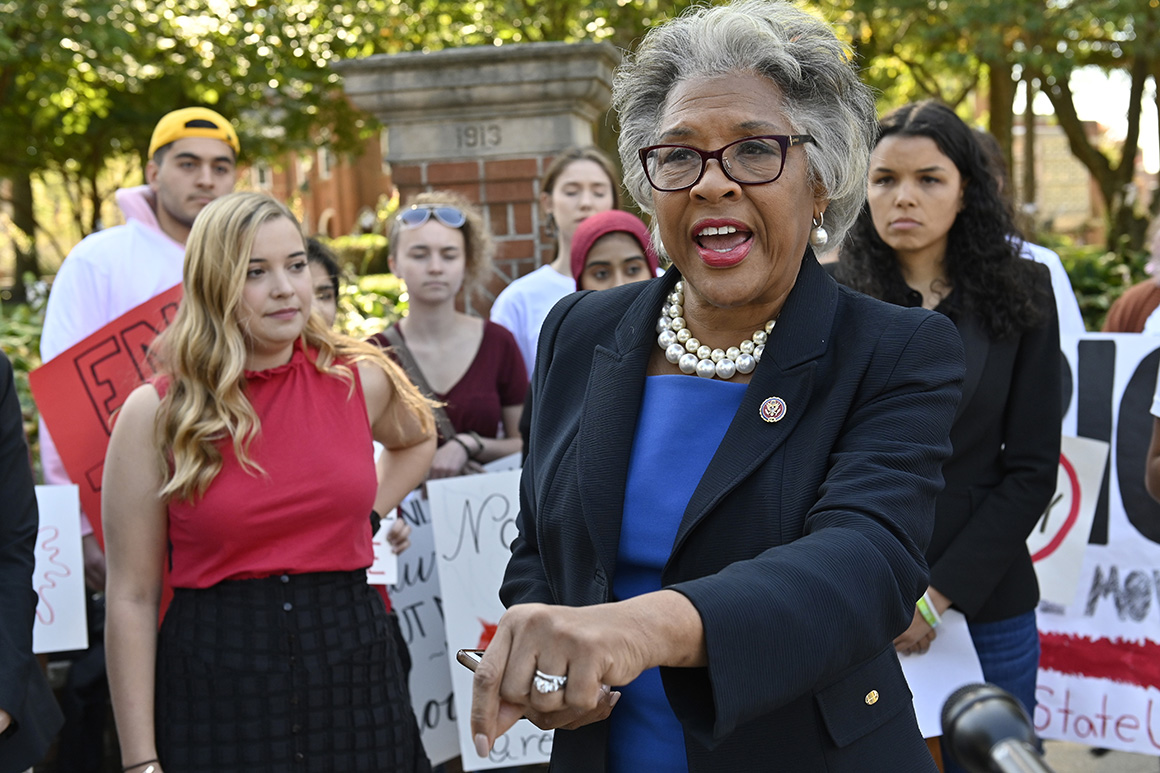
Rep. Beatty Sues to Block Renaming of Kennedy Center to Trump-Kennedy/ Newslooks/ WASHINGTON/ J. Mansour/ Morning Edition/ Rep. Joyce Beatty has filed a federal lawsuit to stop the renaming of the John F. Kennedy Center for the Performing Arts to the “Trump-Kennedy Center.” The lawsuit alleges the name change violates federal law and requires congressional approval. The legal move challenges the Trump administration’s efforts to rebrand federal institutions with the president’s name.
Trump-Kennedy Center Lawsuit Quick Look
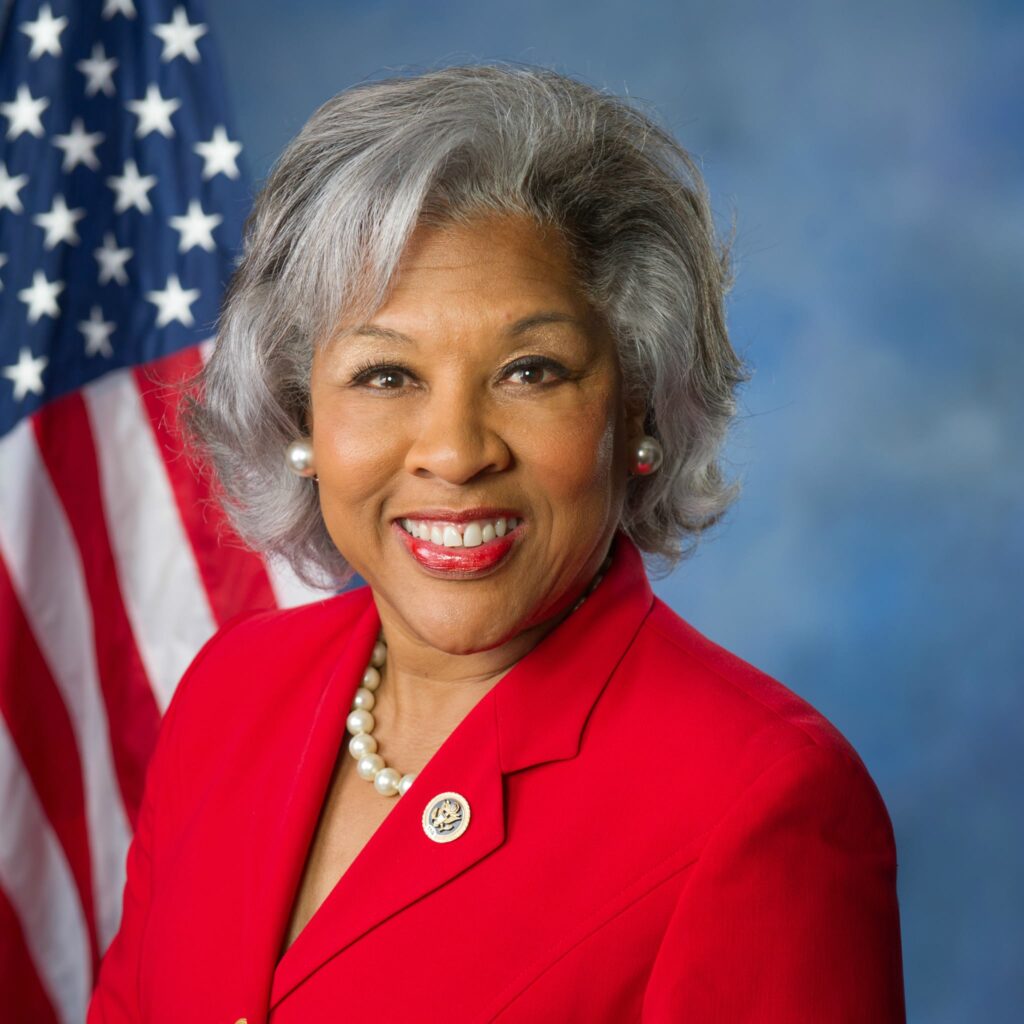
- Rep. Joyce Beatty (D-Ohio) files lawsuit to stop renaming
- Lawsuit targets Trump, Ric Grenell, and Kennedy Center board
- Kennedy Center’s name is federally designated, requiring Congressional action for changes
- Beatty calls the board vote a “flagrant violation of the rule of law”
- Board meeting alleged to be a “sham” with opposition voices muted
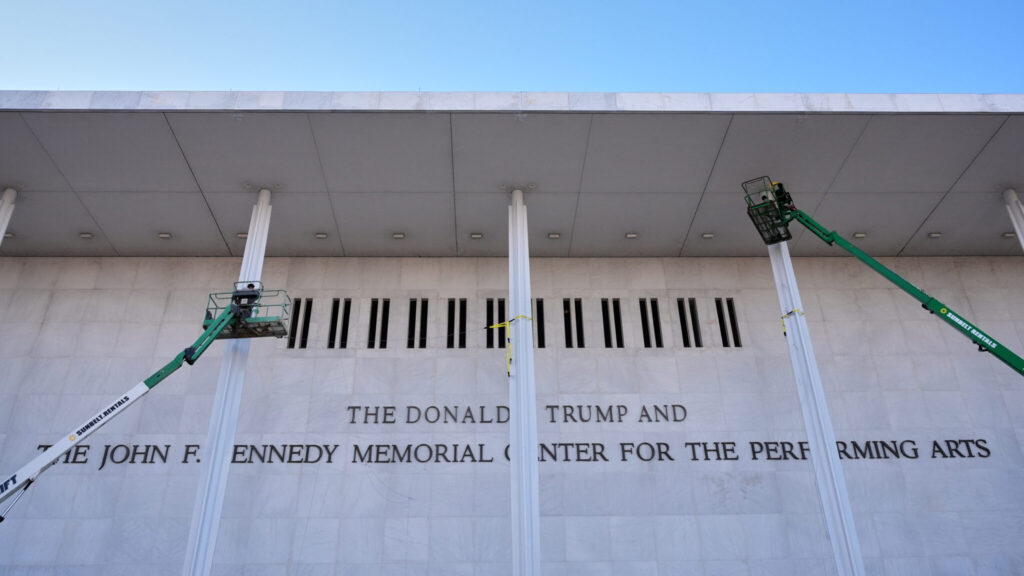
- Trump administration already added signage to the building
- Beatty seeks nullification of the vote, removal of Trump-branded signage
- White House has not commented on the lawsuit
Deep Look
Kennedy Center Name Change Sparks Legal Showdown Between Trump Administration and Congress
The Trump administration’s decision to rename the John F. Kennedy Center for the Performing Arts the “Trump-Kennedy Center” has triggered a sharp legal response from Democratic lawmakers. On Monday, Rep. Joyce Beatty (D-Ohio) filed a federal lawsuit aimed at blocking the name change, arguing that it was enacted illegally and without the proper authority from Congress.
Filed in U.S. District Court in Washington, D.C., the lawsuit names President Donald Trump, Kennedy Center executive director Ric Grenell, and other members of the Center’s board of trustees as defendants. Beatty, who serves as an ex officio member of the board, is calling for a judicial declaration that the name change is invalid and that the venue’s original name be reinstated.
“Because Congress named the center by statute, changing the Kennedy Center’s name requires an act of Congress,” the lawsuit states.
Beatty denounced the board’s virtual vote as a “thinly-veiled sham,” claiming she and others who opposed the change were deliberately muted during the meeting, preventing open dissent.
Trump’s Expanding Name-Brand Legacy
This legal dispute is the latest in a broader push by President Trump to attach his name to a growing list of public assets. Recent branding initiatives have included a new class of U.S. Navy warships and proposals to rename federal buildings and infrastructure projects with Trump’s name.
The decision to rebrand the Kennedy Center — one of the country’s most iconic venues for the arts and a memorial to President John F. Kennedy — has ignited particularly strong reactions from Democrats and cultural figures who view the move as a politicization of a national institution.
Workers were seen on December 19 already installing signage bearing Trump’s name on the building’s façade, despite no clear legal basis for the rebranding effort.
What the Lawsuit Seeks
The lawsuit is asking the court to do the following:
- Declare the name change illegal due to lack of congressional approval
- Invalidate the board’s vote, rendering it null and void
- Restore the building’s official name to the John F. Kennedy Center for the Performing Arts
- Order the removal of any signage or branding reflecting the Trump-Kennedy name
- Block any future renaming attempts by the current board without proper legislative process
According to Beatty, the name change circumvents the Kennedy Center Act, a federal law that established and named the venue, meaning any alteration must be passed through Congressional legislation.
A Politicized Board Vote
The board’s vote was reportedly held in a virtual session, and Beatty has claimed that she and other opponents were intentionally silenced, unable to unmute themselves or voice objections. The lawsuit paints the vote as both procedurally flawed and legally baseless.
Silence from the Administration
As of Monday night, the White House has not issued a response to the lawsuit or to repeated inquiries from reporters. Administration officials have instead proceeded with physical and promotional preparations for the name change, reinforcing the urgency behind Beatty’s legal action.
Wider Implications and Political Backlash
The lawsuit represents more than just a dispute over signage — it is part of a broader constitutional argument about the limits of executive influence over institutions created by law. It also comes amid growing criticism of what many see as Trump’s effort to rewrite civic landmarks in his own image.
Cultural and legal scholars have warned that such rebranding, especially without legislative oversight, sets a dangerous precedent for how presidential influence can reshape publicly funded landmarks tied to national identity and bipartisan respect.
As this case heads to federal court, it could determine whether future presidents can unilaterally alter historical monuments or institutions — or whether such moves will remain, as Beatty argues, the exclusive domain of Congress.