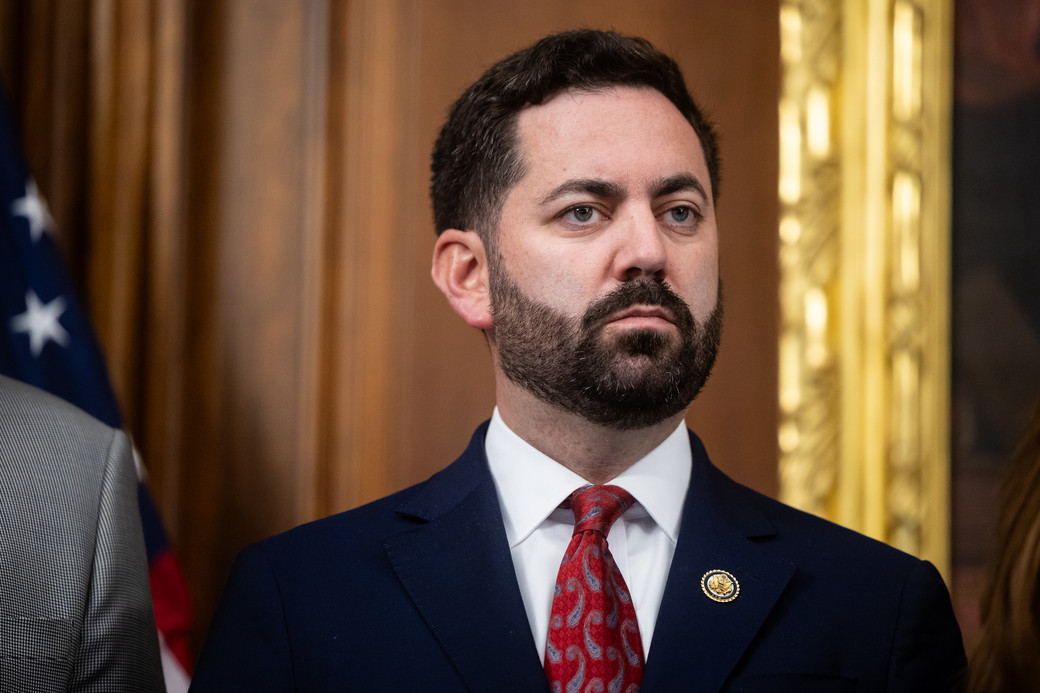
Rep. Mike Lawler Blasts GOP Leaders Over Obamacare Subsidy Lapse/ Newslooks/ WASHINGTON/ J. Mansour/ Morning Edition/ Rep. Mike Lawler publicly criticized Republican leadership for refusing an up‑or‑down vote on extending key Obamacare subsidies set to expire soon. Moderates and rank‑and‑file lawmakers are considering procedural options even as Speaker Mike Johnson pushes ahead with an alternative GOP health care plan. Bipartisan efforts in both chambers aim to negotiate an extension, though the Dec. 31 deadline is likely to pass without a deal.
Quick Look:
- Obamacare subsidies near expiration: Key health care subsidies under the Affordable Care Act are poised to lapse at year’s end without a House vote on an extension.
- Lawler blasts leadership: New York Republican Rep. Mike Lawler called GOP leaders’ refusal to vote on an extension “absolute bullshit” and “political malpractice.”
- Possible discharge petition: Lawler did not rule out backing a Democratic‑led discharge petition to force a vote on a three‑year subsidy extension.
- Leadership stance: Speaker Mike Johnson and GOP leadership are advancing a separate Republican health care bill that excludes an extension of the expiring subsidies.
- Moderate Republican frustration: Members such as Rep. Brian Fitzpatrick and Rep. David Valadao have pushed for a standalone extension vote but face resistance from party leadership and conservative hard‑liners.
- Senate parallel effort: A bipartisan group of senators is drafting a framework for a two‑year extension with eligibility reforms, though it likely won’t reach a vote before 2026.
- Political implications: Vulnerable House Republicans from swing districts are increasingly vocal about constituent concerns and political risk tied to letting subsidies lapse.
- Group dynamics: Moderates continue to weigh support for the GOP bill despite opposition to excluding the extension, signaling unity with leadership on broader party priorities.
- Legislative timing problem: Limited legislative days before adjournment make a pre‑expiration vote unlikely despite ongoing negotiations.
- Broader agenda: Other House business includes Pentagon oversight actions and energy permitting legislation moving through committee.
Deep Look: Republican Rift Over Obamacare Subsidies Highlights GOP Divisions as Expiration Looms
A sharp break within House Republicans has grown increasingly visible as key Affordable Care Act subsidies edge closer to expiration at the end of the year — a split that underscores tensions between party leadership and vulnerable moderates worried about both policy and political fallout.
On Tuesday, Rep. Mike Lawler, a Republican from New York, left a closed‑door House GOP meeting in frustration and openly lashed out at Republican leaders for their decision not to allow an up‑or‑down vote on extending the health insurance subsidies.
Lawler described the leadership’s refusal to hold a vote on any extension — even a modified one — as “absolute bullshit” and “political malpractice,” signaling just how high the stakes have become within the conference.
Lawler’s comments, delivered to reporters shortly after the leadership meeting, were uncharacteristically blunt. He also took aim at House Democratic leadership, including Minority Leader Hakeem Jeffries and Senate Majority Leader Chuck Schumer, accusing them of refusing to compromise and instead using the issue to politically damage Republicans ahead of the 2026 midterm elections. Despite that criticism, he did not rule out supporting a Democratic‑led discharge petition — a procedural tool that could force a vote on a multi‑year extension of the subsidies — saying, “all options are on the table.”
The confrontation reflects broader tensions over how the GOP should handle the impending lapse of health insurance tax credits that help make coverage more affordable for roughly 20 million Americans. These enhanced subsidies, expanded under Democratic leadership, are set to expire on December 31 unless Congress acts — a prospect that many lawmakers worry will have real consequences for constituents.
Leadership’s Strategy and Moderates’ Resistance
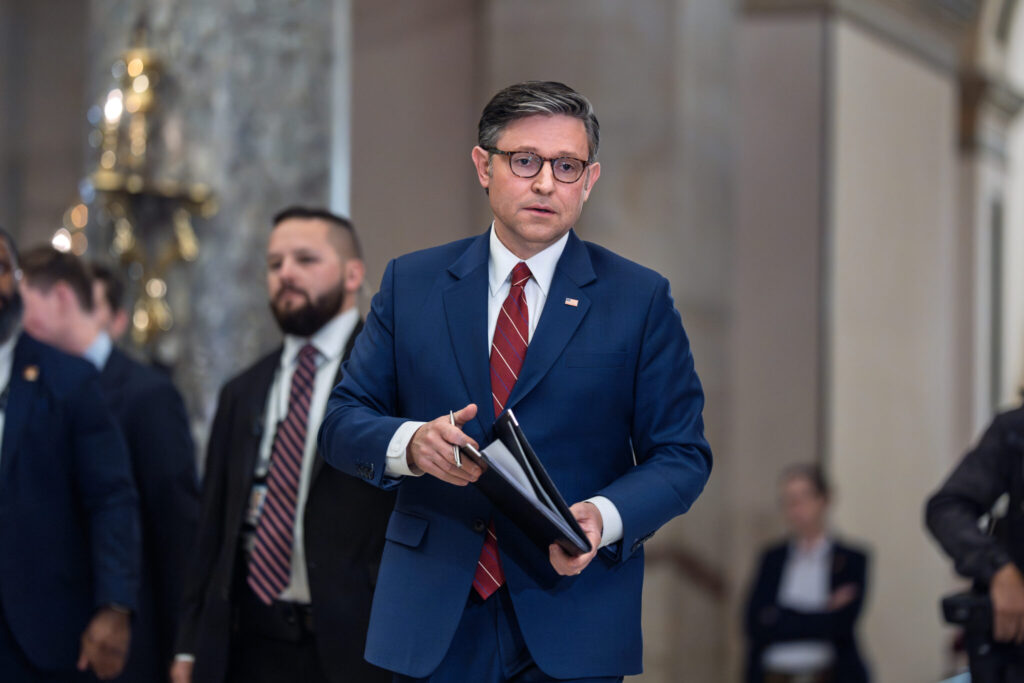
Speaker Mike Johnson and his leadership team have opted to move forward with a Republican health care bill that does not include extending the expiring subsidies. According to multiple lawmakers in attendance who spoke on condition of anonymity, Johnson announced plans for a Wednesday vote on the GOP proposal during the meeting where Lawler erupted.
Moderate Republicans — including Lawler and others like Rep. Brian Fitzpatrick of Pennsylvania — pushed back, calling the omission a mistake and urging leadership to allow a separate vote on an extension amendment. Fitzpatrick and his allies have argued that providing a clear vote would give Republicans political cover while addressing a pressing policy issue.
At a Tuesday news conference, Johnson responded to the criticism by saying he understands moderate concerns but maintains that the Democratic‑backed subsidy solution “would further harm the system.” He framed the GOP alternative as a necessary rewrite of current health care policy, even as lawmakers acknowledge stark divisions within the party and among members from swing districts.
Parallel Congressional Efforts Down the Hall
Adding to the complexity, rank‑and‑file lawmakers in both chambers have pursued bipartisan discussions in hope of landing on a framework that could sustain the subsidies longer. In the Senate, a bipartisan group led by Sens. Susan Collins and Bernie Moreno is working on a proposal that could pair a two‑year extension with eligibility reforms and anti‑fraud measures. Some predictors of future action have floated ideas such as widening eligibility caps or temporarily extending open enrollment to soften the blow of the subsidies’ lapse.
Despite these talks, both Senate and House efforts are moving on parallel tracks with no coordinated strategy yet in place. Some lawmakers have scheduled a joint meeting of rank‑and‑file members to seek common ground, but even supporters concede that the calendar likely precludes formal action before year’s end.
Sen. Bill Cassidy, a leading Republican voice on health policy, acknowledged the difficulty: “The calendar precludes getting something done this week,” he told reporters, while still expressing a commitment to bipartisan work in the new session.
Political Pressure on Vulnerable Republicans
The internal GOP struggle is not just about policy — it’s political. Many moderate Republicans represent competitive districts and have openly warned that letting the subsidies lapse could damage their reelection prospects. They have called on leadership to allow a standalone vote on the extension to demonstrate responsiveness to constituent needs.
But conservative hard‑liners within the House GOP have resisted, pushing back against any measure that might be seen as sustaining a key Democratic policy. Those divisions were evident in the House Rules Committee, where moderates hoped to secure an amendment vote only to face resistance from conservative members determined to keep the bill free of subsidy extensions.
Some moderates suggested they might threaten procedural retaliation — such as opposing the underlying health care bill — but others, like Fitzpatrick, stopped short of such steps, saying they would not vote against legislation “in protest.”
What Happens Next
With the Dec. 31 deadline fast approaching and legislative days dwindling, an extension before the subsidies lapse appears increasingly unlikely. That reality has heightened pressure not just on GOP leadership but on Congressional Republicans broadly, as constituents and interest groups raise alarms about what expiration will mean for health coverage affordability.
While the House GOP largely seems poised to back Speaker Johnson’s proposal, at least publicly, the debate reveals a deeper fault line in the party: whether to adhere strictly to ideological priorities or make tactical concessions when core public services hang in the balance.
Outside the subsidy fight, the House agenda is crowded, with other priorities including Pentagon oversight on Venezuelan boat strikes and negotiations over a multi‑bill appropriations package. But the health care subsidy dispute — with its combination of policy complexity and political risk — may be among the most consequential tests of GOP unity heading into 2026.