

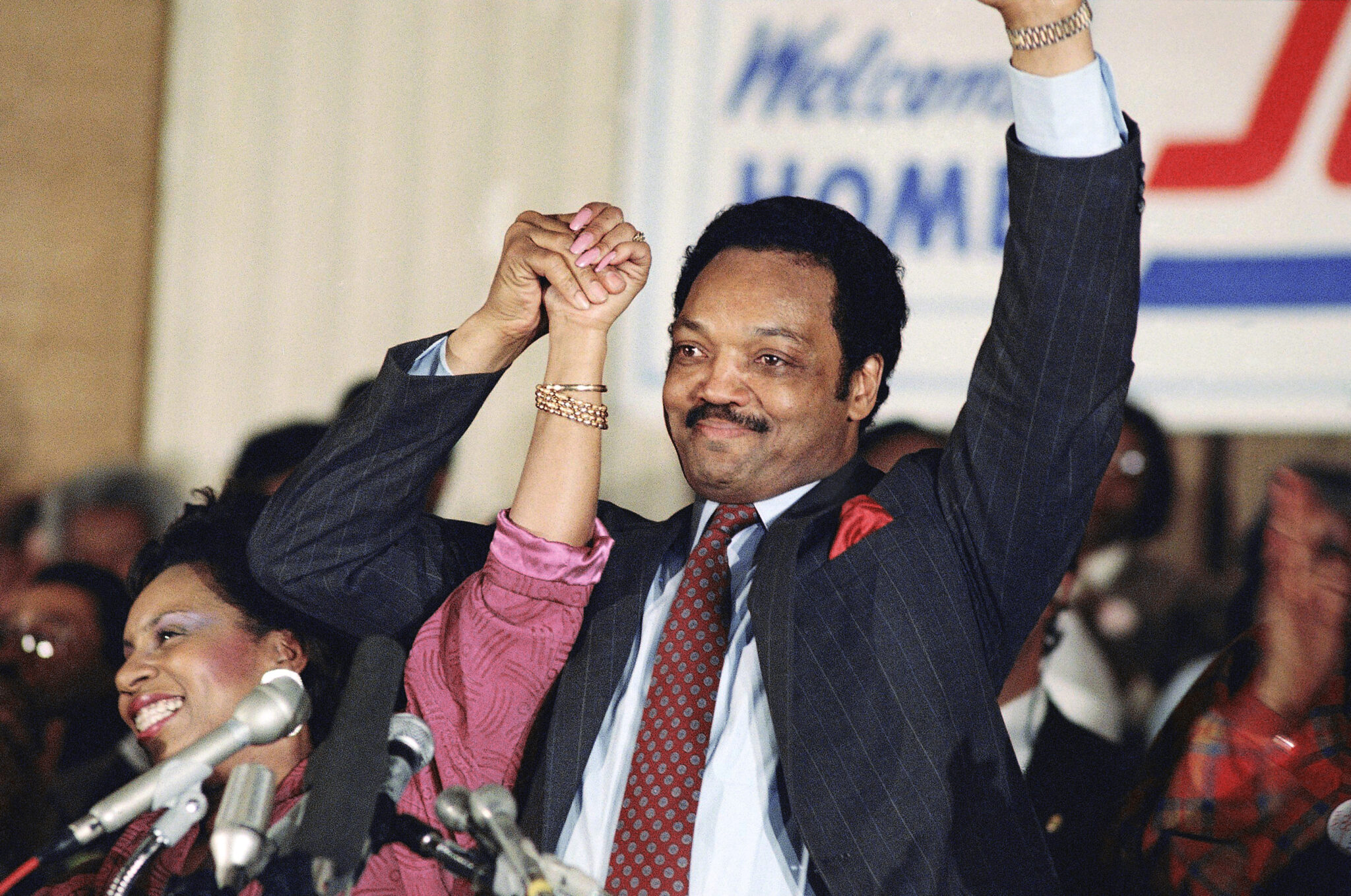
Rev. Jesse Jackson, Civil Rights Leader, Dies at 84/ Newslooks/ WASHINGTON/ J. Mansour/ Morning Edition/ The Rev. Jesse Jackson, longtime civil rights leader and two-time presidential candidate, has died at 84. A protégé of the Rev. Martin Luther King Jr., Jackson carried the movement forward for decades after King’s assassination. Through activism, politics and diplomacy, he became one of the most influential voices for racial justice in modern America.
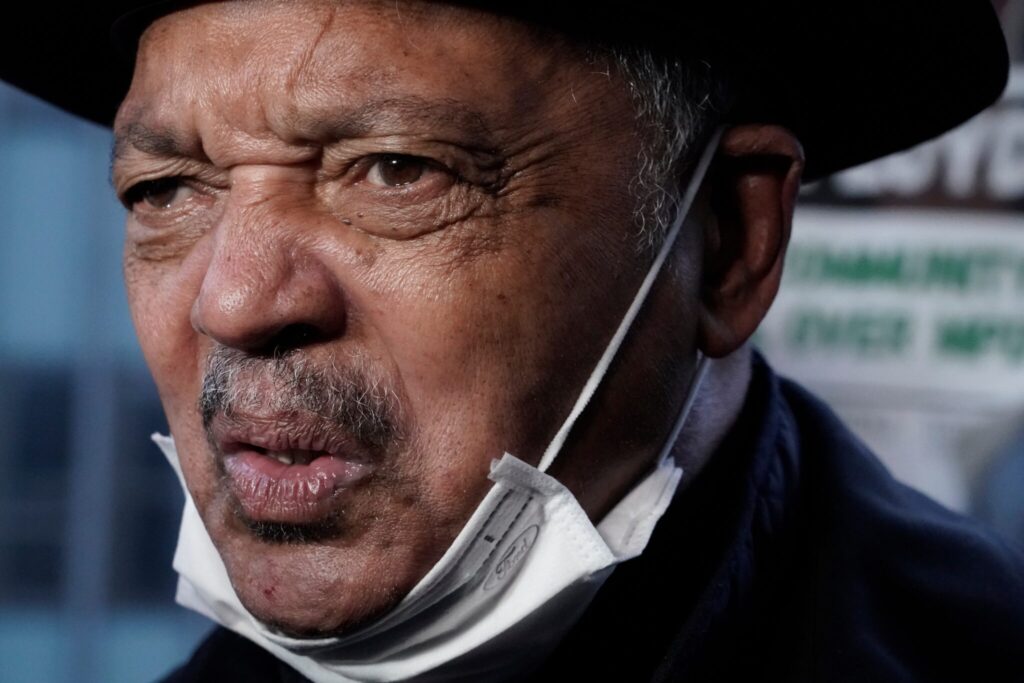
Rev. Jesse Jackson Death and Legacy Quick Looks
- Died at home in Chicago at age 84
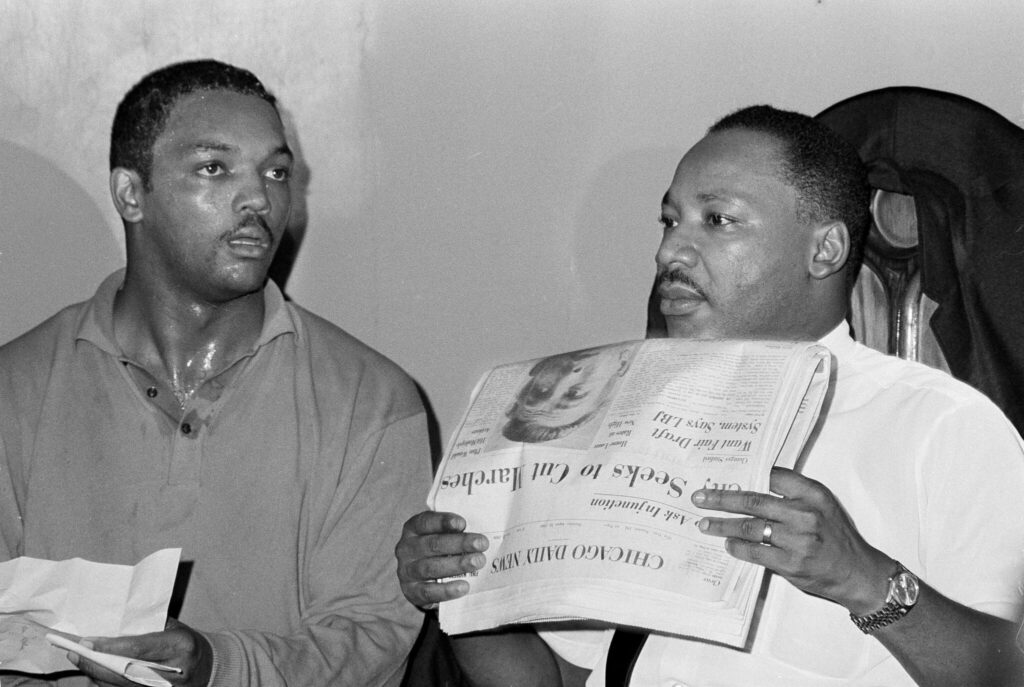
- Protégé of Martin Luther King Jr.
- Founder of Rainbow/PUSH Coalition
- Two-time Democratic presidential candidate
- Awarded Presidential Medal of Freedom in 2000
- Continued activism into Black Lives Matter era
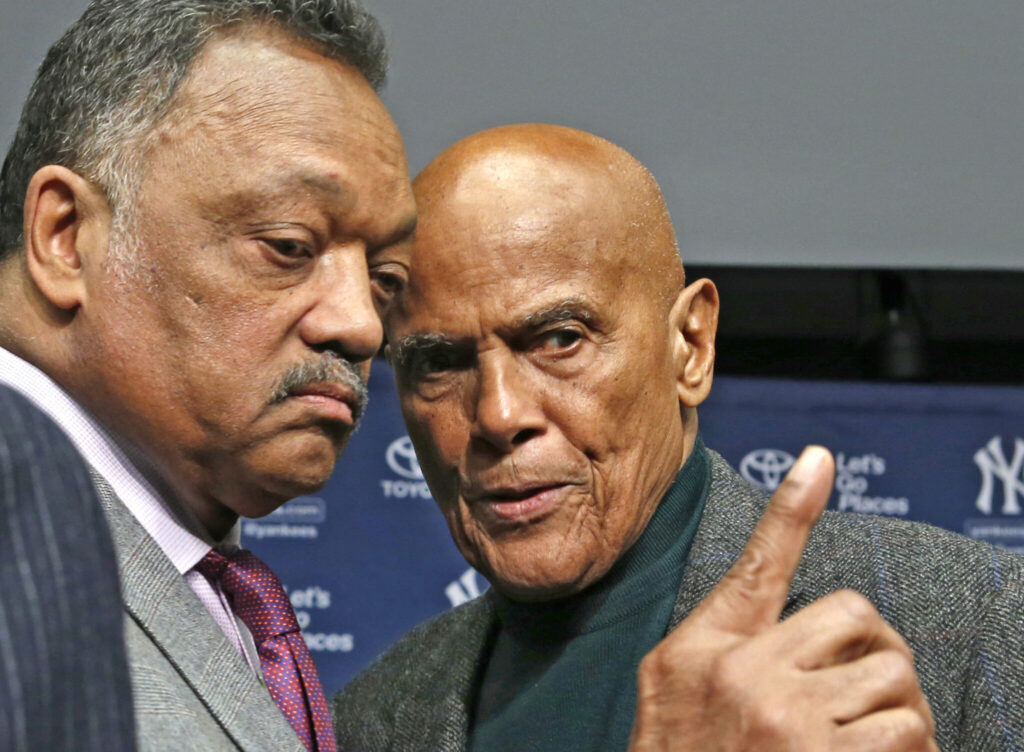
Deep Look: Rev. Jesse Jackson, Who Carried the Civil Rights Movement After King, Dies at 84
The Rev. Jesse Jackson, a towering figure in American civil rights and politics for more than half a century, died Tuesday at age 84. His family confirmed that he passed away at his home in Chicago, surrounded by loved ones.
A close associate and protégé of Martin Luther King Jr., Jackson emerged as one of the most visible heirs to King’s legacy after the assassination in 1968. Over the decades that followed, he transformed himself from a young organizer into one of the nation’s most prominent activists — a preacher, presidential candidate, diplomat and champion for the marginalized.
From Segregated South to National Stage
Born Oct. 8, 1941, in Greenville, South Carolina, Jackson rose from the segregated South to national prominence. A talented athlete, he earned a football scholarship before transferring to North Carolina A&T, where he became student body president and immersed himself in the Civil Rights Movement.
By 1965, he joined King during the Selma-to-Montgomery voting rights march. King later dispatched him to Chicago to lead Operation Breadbasket, an initiative of the Southern Christian Leadership Conference aimed at pressuring companies to hire Black workers.
Jackson was in Memphis on April 4, 1968, when King was assassinated at the Lorraine Motel. In the years that followed, Jackson positioned himself as a continuation of King’s mission — blending faith, political engagement and grassroots activism.
Operation PUSH and Economic Justice
In 1971, Jackson founded Operation PUSH (People United to Save Humanity), later merging it into the Rainbow/PUSH Coalition. The organization focused on economic empowerment, corporate accountability, voter registration and social justice.
Through boycotts, negotiations and public campaigns, Jackson pressured major corporations to diversify hiring practices and invest in communities of color. His message often reached beyond race, emphasizing unity among working-class Americans.
He popularized the declaration “I Am Somebody,” a poem affirming dignity for the poor and overlooked: “I may be poor, but I am Somebody.”
Presidential Campaigns and Political Influence
Jackson twice sought the Democratic nomination for president, in 1984 and 1988. Though unsuccessful, he made history by winning 13 primaries and caucuses in 1988 — the strongest showing by a Black presidential candidate before Barack Obama’s election two decades later.
His campaigns energized diverse coalitions under the slogan “Keep Hope Alive.” Supporters credited him with expanding political possibilities for women and people of color.
When Obama won the presidency in 2008, Jackson stood in Chicago’s Grant Park, tears streaming down his face — a powerful symbol of a generational arc stretching back to the 1960s.
Diplomatic Missions Abroad
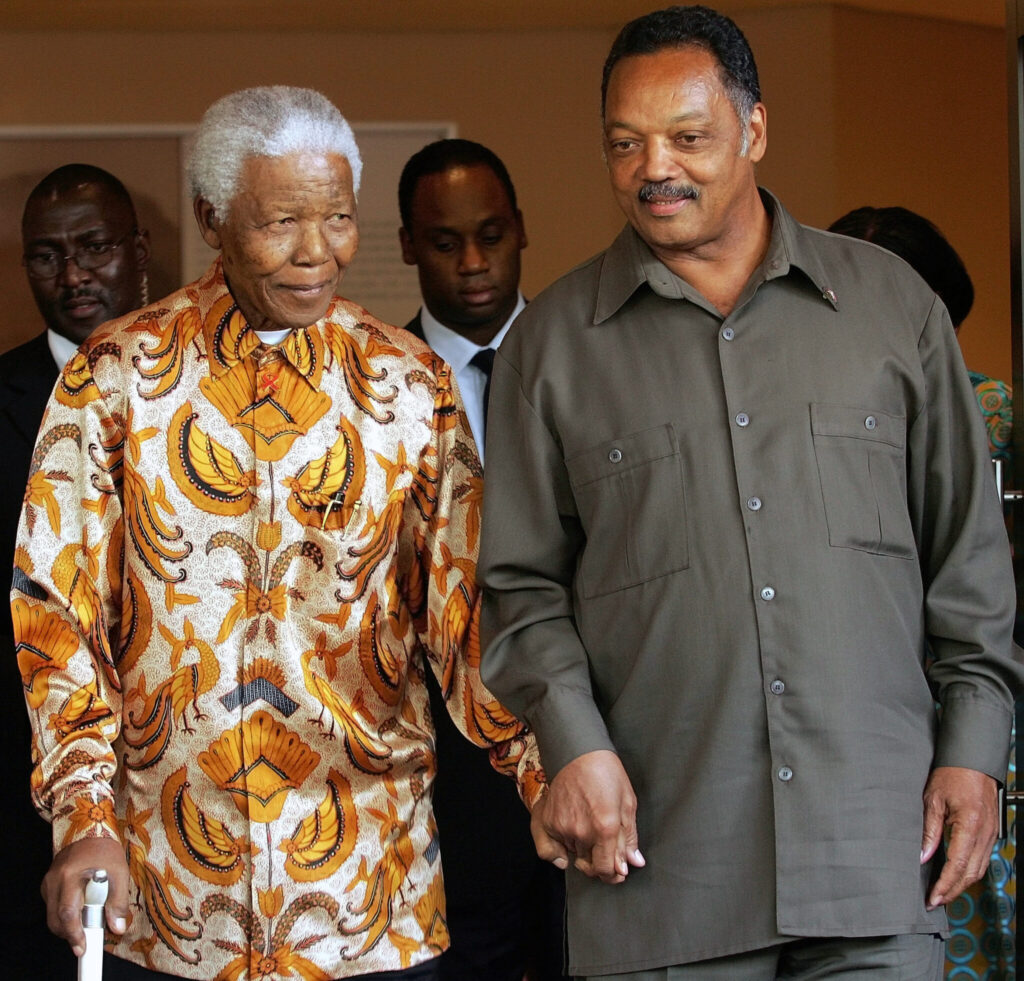
Jackson’s influence extended beyond U.S. borders. He negotiated the 1984 release of U.S. Navy Lt. Robert Goodman from Syria and helped secure the freedom of Americans imprisoned abroad, including three detained in Yugoslavia in 1999.
In 2000, Bill Clinton awarded Jackson the Presidential Medal of Freedom, honoring decades of public service.
“Citizens have the right to do something or do nothing,” Jackson once said. “We choose to do something.”
Personal Trials and Public Resilience
Jackson faced personal controversies and health struggles throughout his life. In later years, he revealed a Parkinson’s diagnosis and was subsequently diagnosed with progressive supranuclear palsy, a rare neurological disorder that impaired his speech and movement.
Despite profound health challenges, he continued to appear at protests and public events, including demonstrations following the killing of George Floyd and calls for criminal justice reform.
He also supported causes ranging from voting rights to ceasefire resolutions in global conflicts, demonstrating a lifelong commitment to activism.
A Complex but Enduring Legacy
Jackson was not without critics. Some accused him of seeking the spotlight or overstepping in political arenas. Others pointed to controversial remarks he later apologized for. Yet even critics acknowledged his enduring impact.
The Rev. Al Sharpton described Jackson as “a movement unto himself,” crediting him with teaching that “justice is not seasonal — it is daily work.”
For supporters, Jackson’s life symbolized persistence. He once reflected that tearing down walls can leave scars, “but your mission is to open up holes so others behind you can run through.”
Family and Final Years
Jackson is survived by his wife, Jacqueline Lavinia Brown, and their children, including U.S. Rep. Jonathan Jackson and former Congressman Jesse Jackson Jr..
In his final months, Jackson required around-the-clock care and communicated by squeezing the hands of visitors. His son Jesse Jackson Jr. said recently that his father’s speeches “belong to the ages now.”
From the segregated streets of Greenville to the halls of Congress and the world stage, Jesse Jackson spent more than 60 years pressing America to confront its unfinished business: freedom promised but not fully realized.
His voice — rhythmic, urgent and unmistakable — carried a simple but profound insistence: hope is not passive; it must be kept alive.





You must Register or Login to post a comment.