

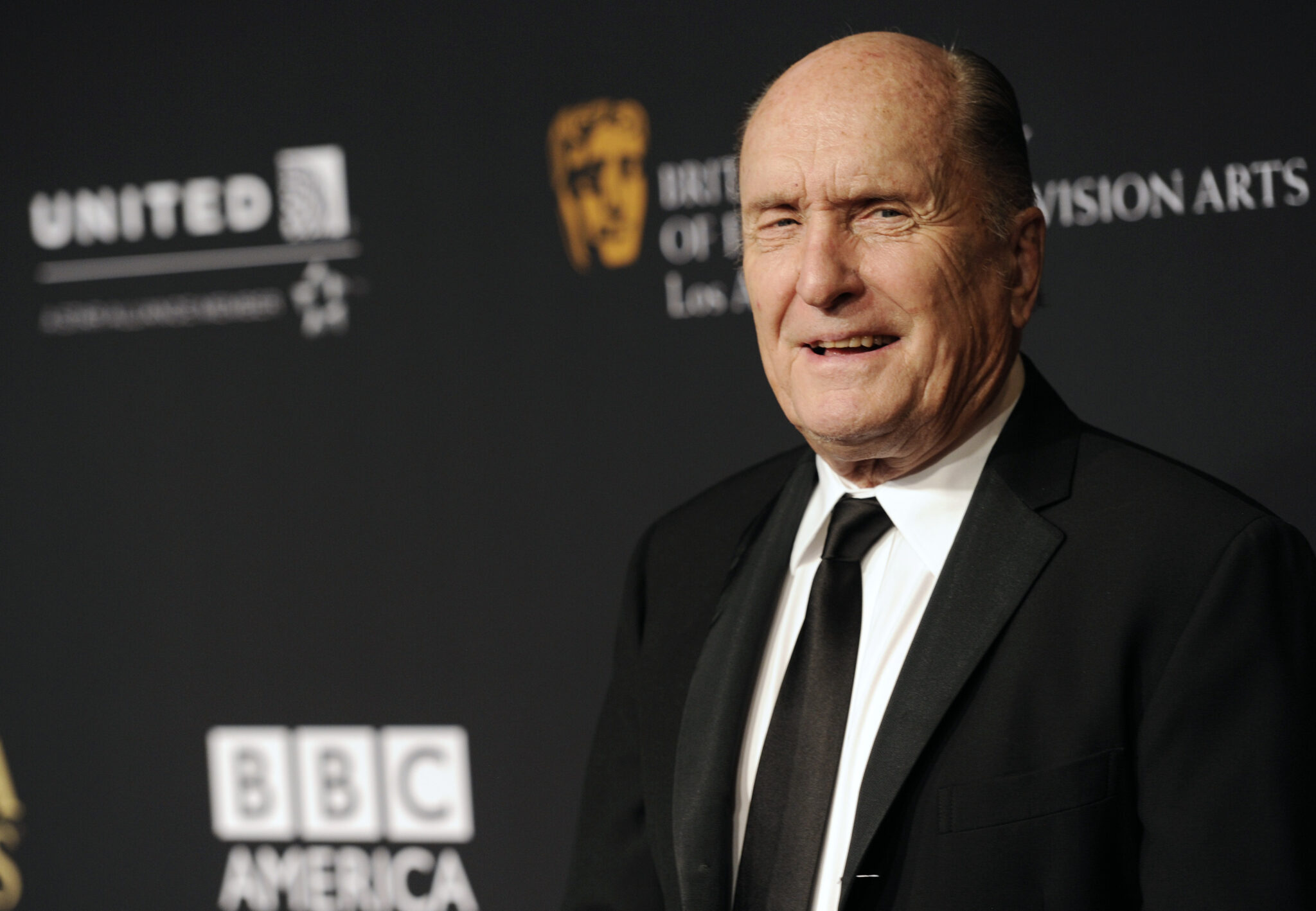
Robert Duvall, Oscar Winner and Godfather Star, Dies at 95/ Newslooks/ WASHINGTON/ J. Mansour/ Morning Edition/ Robert Duvall, the Oscar-winning star known for The Godfather, Tender Mercies, and Apocalypse Now, has died at 95. The versatile character actor earned seven Academy Award nominations across a six-decade career. Duvall passed away peacefully at his Virginia home, his family confirmed.
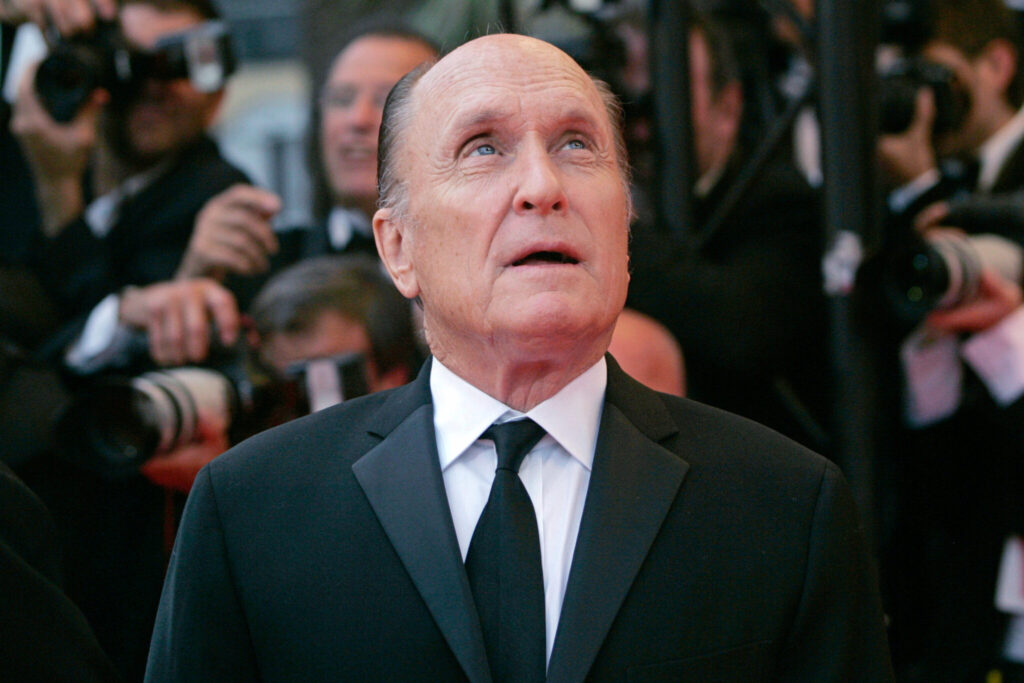
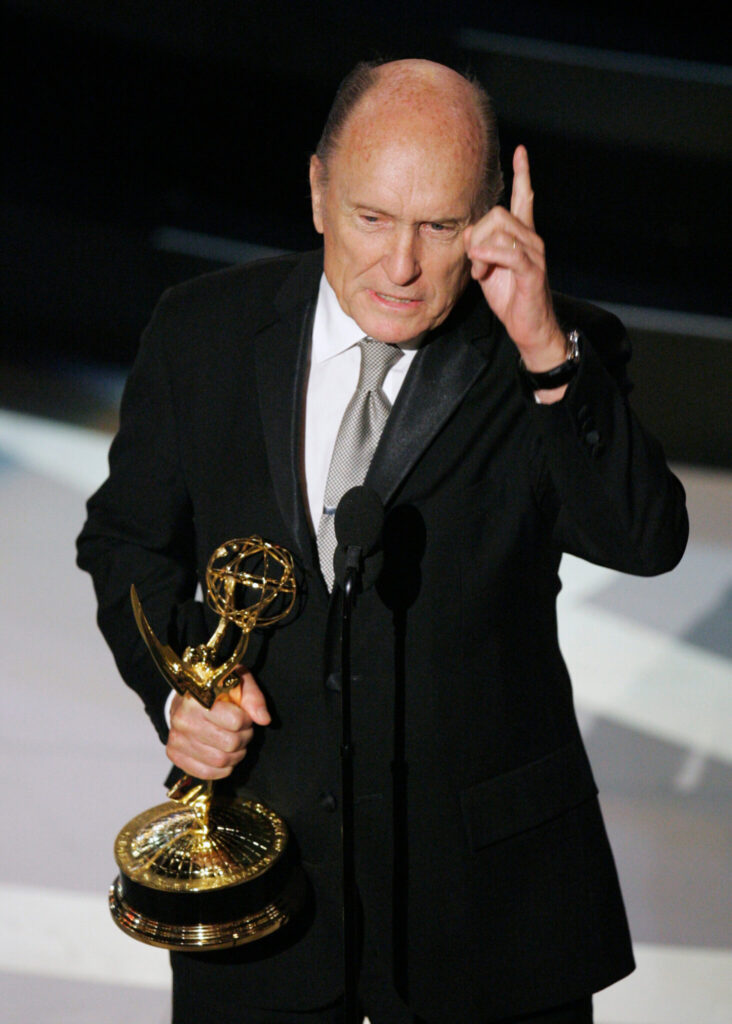
Robert Duvall Obituary Quick Looks
- Died at 95 in Middleburg, Virginia
- Won Oscar for Tender Mercies
- Iconic roles in The Godfather and Apocalypse Now
- Seven Academy Award nominations
- National Medal of Arts recipient
- Known for dedication, subtlety, and versatility
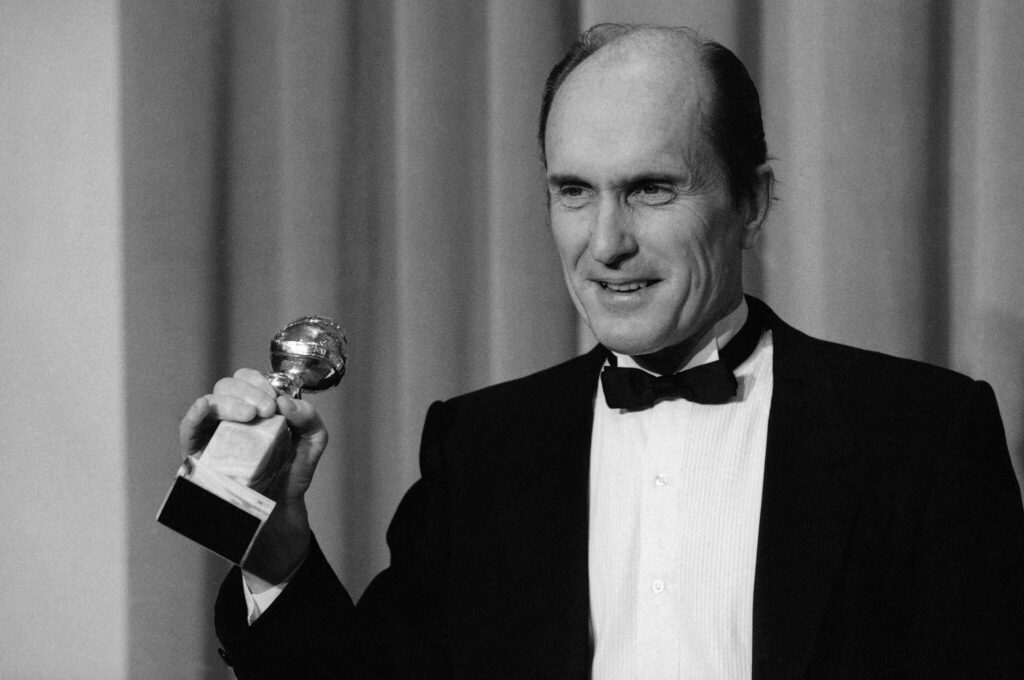
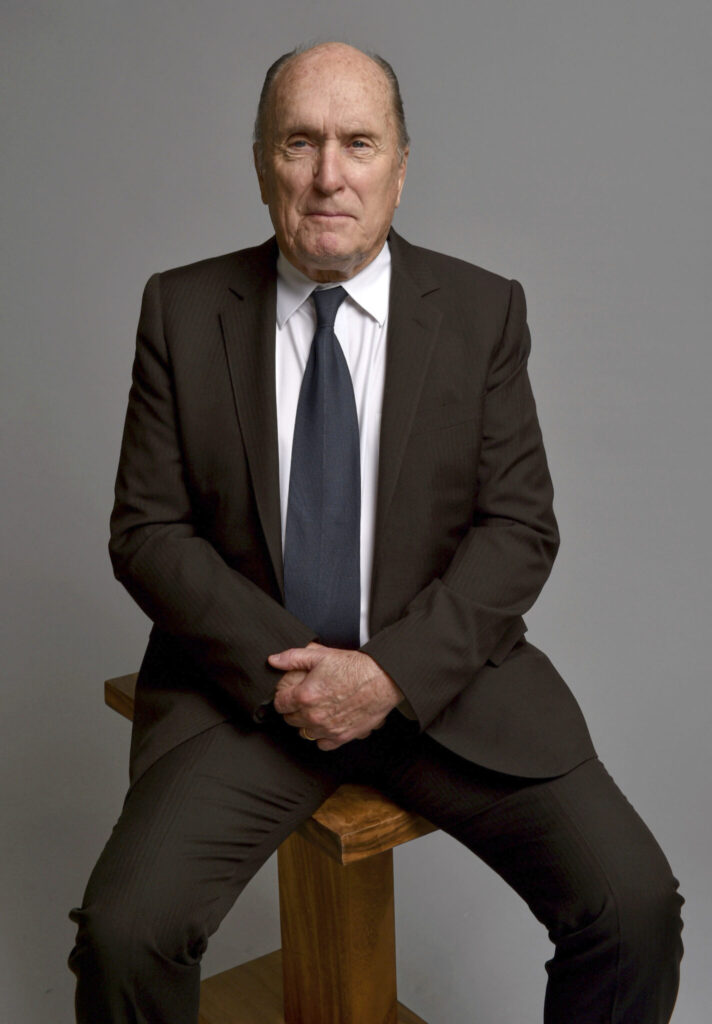
Deep Look: Robert Duvall, Oscar-Winning Actor and ‘Godfather’ Mainstay, Dies at 95
Robert Duvall, one of Hollywood’s most respected and versatile actors, has died at age 95. Best known for his unforgettable performances in The Godfather, Apocalypse Now, and his Academy Award-winning turn in Tender Mercies, Duvall leaves behind a towering legacy spanning more than six decades.
According to statements from his publicist and his wife, Luciana Duvall, the actor died peacefully Sunday at his home in Middleburg, Virginia.
“To the world, he was an Academy Award-winning actor, a director, a storyteller,” Luciana Duvall wrote. “To me, he was simply everything.”
A Career Defined by Versatility
Though he lacked traditional leading-man looks, Duvall became one of the most accomplished character actors of his generation. His ability to inhabit roles with authenticity and restraint earned him seven Academy Award nominations and a best actor win for his portrayal of washed-up country singer Mac Sledge in Tender Mercies.
Duvall’s film debut came in 1962 as Boo Radley in To Kill a Mockingbird, a performance that immediately signaled his quiet intensity.
A decade later, his role as Tom Hagen — the calm, calculating consigliere in The Godfather and its sequel — cemented his place in cinematic history. Director Francis Ford Coppola cast Duvall after working with him previously, recognizing his gift for subtle power. As Hagen, Duvall often operated in the background, but his composed presence became essential to the saga of the Corleone crime family.
Critics praised his precision and restraint, noting how he balanced the larger-than-life performances of co-stars like Al Pacino and Marlon Brando.
“I Love the Smell of Napalm”
If Duvall embodied quiet control in The Godfather, he delivered explosive bravado in Apocalypse Now. As Lt. Col. Bill Kilgore, he created one of cinema’s most quoted characters, famously declaring his love of “the smell of napalm in the morning.”
Coppola once remarked that Duvall needed only one or two takes to fully inhabit a role — a testament to his preparation and instinct.
Despite earning Oscar nominations for both films, Duvall declined to appear in The Godfather Part III over a salary dispute — a decision many fans and critics felt left a noticeable absence in the trilogy’s conclusion.
A Relentless Craftsman
Beyond blockbuster classics, Duvall pursued deeply personal projects. He wrote, directed, produced and starred in The Apostle, portraying a troubled Southern preacher. The role earned him another Oscar nomination and reflected his commitment to authenticity; he reportedly spent years researching and visiting churches before bringing the story to life.
His range extended across genres: from the stern patriarch in The Great Santini to the cattle-drive boss in the miniseries Lonesome Dove, a role he often cited as his favorite.
In 2005, Duvall was awarded the National Medal of Arts, recognizing both his craft and his cultural impact.
Even into his 80s, he continued working, earning a supporting Oscar nomination for The Judge and appearing in later films including Widows and 12 Mighty Orphans.
From Navy Towns to Hollywood
Born in 1931 in San Diego and raised in military communities including Annapolis, Duvall was the son of a Navy admiral. His upbringing influenced many of his later roles, particularly his portrayal of rigid, commanding military figures.
After serving in the Army, he studied acting in New York using the G.I. Bill, training at the Neighborhood Playhouse alongside future stars such as Gene Hackman and Dustin Hoffman.
Duvall also pursued passions outside mainstream Hollywood, directing documentaries and nurturing a lifelong love of tango, which inspired his 2003 film Assassination Tango. He frequently traveled to Argentina to study the dance and culture.
A Legacy of Depth and Discipline
Colleagues often spoke of Duvall’s intense focus. Actor Michael Caine once noted how Duvall would sit silently before major scenes, conserving energy and concentration.
Despite accolades and acclaim, Duvall remained grounded, once saying that staying “hungry” creatively required balance and outside interests.
Over a career that spanned more than 60 years, Robert Duvall built a legacy not on flash or celebrity, but on discipline, range and truthfulness in performance. His characters — from mob lawyer to evangelist, from soldier to singer — captured the complexity of the human spirit.
He is survived by his wife, Luciana, and extended family. Hollywood has lost one of its finest craftsmen, but his performances will endure for generations to come.




You must Register or Login to post a comment.