Rubio Confirms Start of U.S.‑Greenland‑Denmark Arctic Negotiations/ Newslooks/ WASHINGTON/ J. Mansour/ Morning Edition/ The United States, Denmark, and Greenland have launched technical talks on Arctic security through a newly established working group. The dialogue follows heightened tensions over U.S. proposals to assert control over Greenland. Officials are focusing on structured, low-profile discussions aimed at strengthening security cooperation.
U.S., Denmark, Greenland Arctic Talks Quick Looks
- Technical talks on an Arctic security agreement have officially begun.
- A trilateral working group was established after high-level Washington meetings.
- Talks follow controversy over U.S. interest in acquiring Greenland.
- President Trump dropped tariff threats following pushback from European allies.
- NATO played a key role in de-escalating tensions.
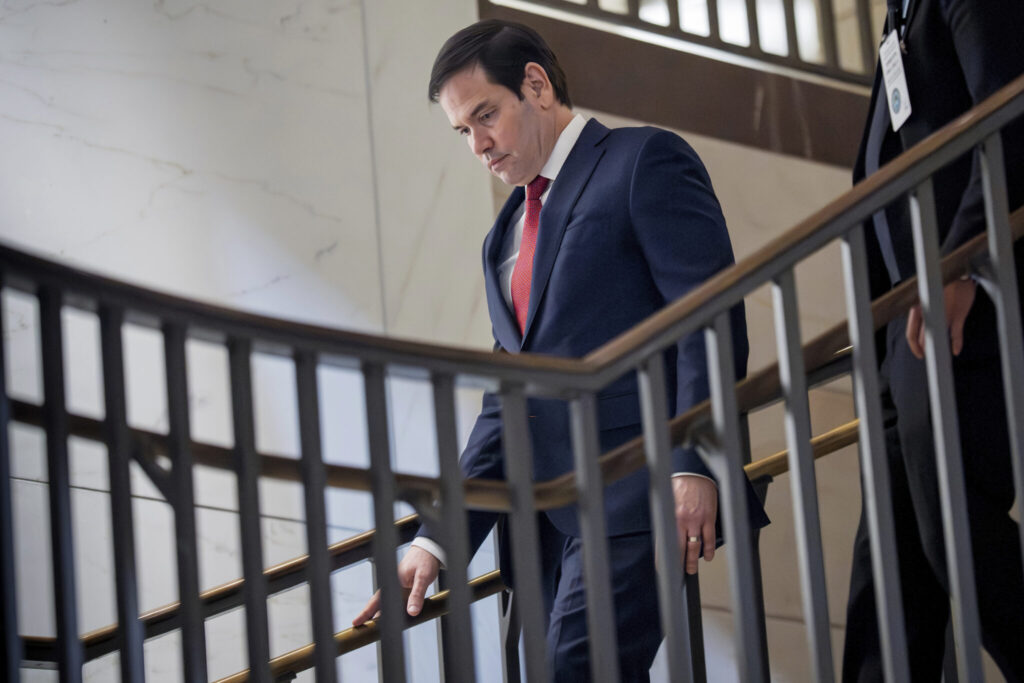
- Secretary Rubio emphasized avoiding public spectacle during negotiations.
- Danish and Greenlandic leaders reaffirmed commitment to sovereignty.
- Arctic cooperation is now centered on shared security concerns.
- NATO allies are increasing coordination in Arctic defense strategy.
Deep Look: U.S., Denmark, and Greenland Launch Technical Talks on Arctic Security
WASHINGTON — The United States, Denmark, and Greenland have officially begun technical-level discussions aimed at establishing a comprehensive Arctic security agreement. The dialogue is taking place under a new trilateral working group, initiated earlier this month during a meeting in Washington between U.S. officials and the foreign ministers of Denmark and Greenland.
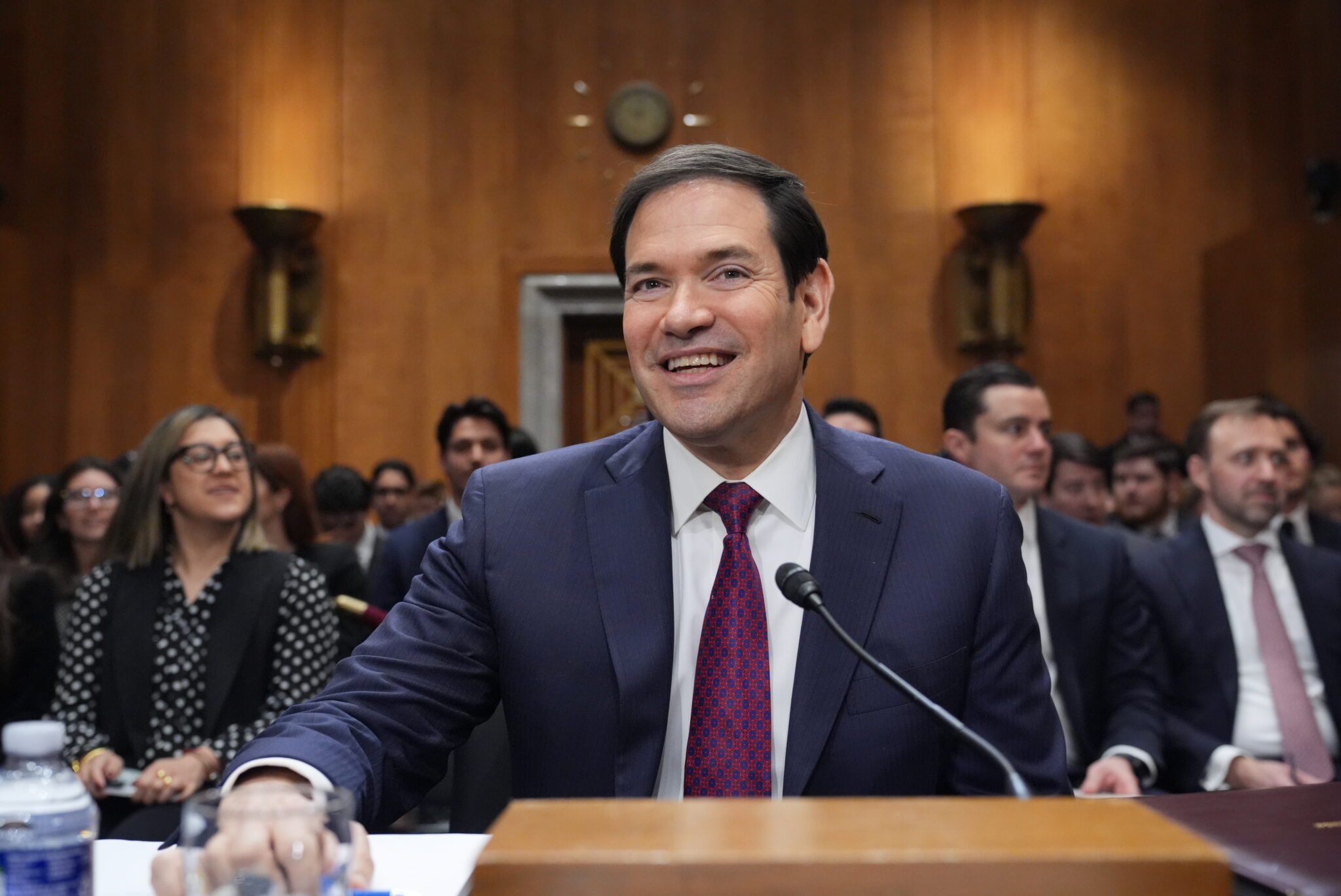
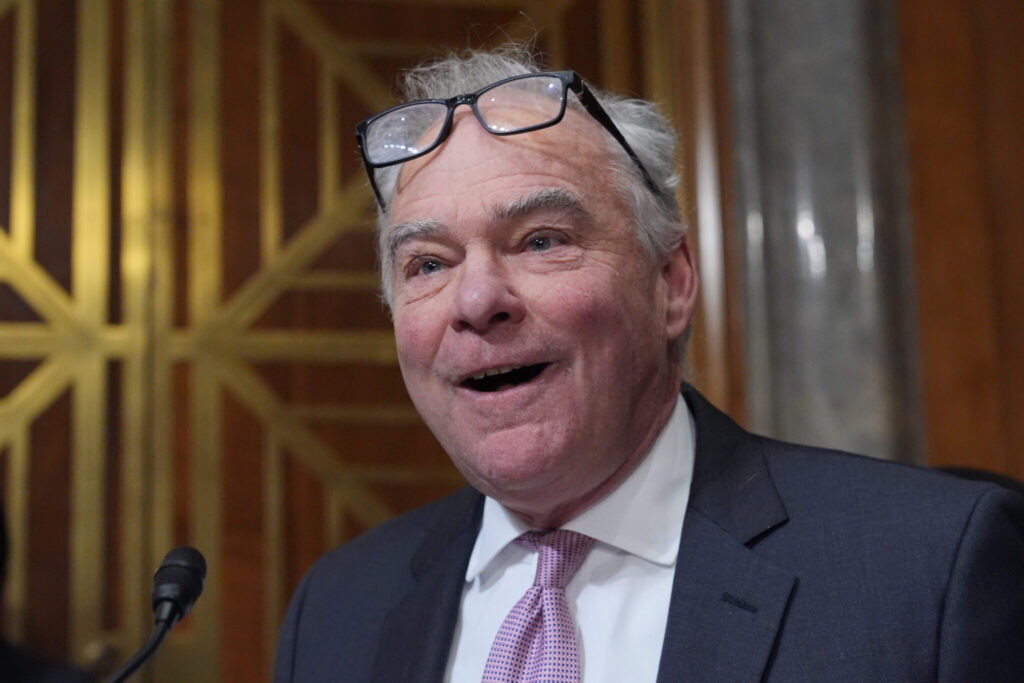
Secretary of State Marco Rubio announced the launch of the talks during a Senate Foreign Relations Committee hearing, stating, “It begins today and it will be a regular process.” Rubio underscored the importance of keeping the discussions low-profile to allow more flexibility and avoid media-driven disruptions.
Background: U.S.-Greenland Tensions
The talks come on the heels of renewed controversy over President Donald Trump’s provocative suggestion that the United States should acquire Greenland — a semiautonomous territory of Denmark — in response to strategic threats from Russia and China. These comments triggered backlash not only from Denmark and Greenland but also from NATO allies, who emphasized Greenland’s sovereignty and strategic importance to the alliance.
Trump’s comments reignited diplomatic friction, including an announcement of tariffs on Denmark and several European nations that opposed his acquisition rhetoric. However, those threats were dropped after NATO Secretary-General Mark Rutte helped broker a tentative framework for discussions focused on Arctic cooperation and mineral resource access. Details of that framework remain largely undisclosed.
In response to pressure from allies and financial markets, Trump publicly walked back the possibility of using military force to claim Greenland. At the World Economic Forum in Davos, he announced that military action was “off the table,” signaling a shift toward diplomatic engagement.
Focus on Strategic Cooperation
Rubio, in his Senate testimony, sought to minimize the impact of the earlier rhetoric, suggesting that the new working group offers a more constructive path forward.
“We’ve got a little bit of work to do, but I think we’re going to wind up in a good place,” Rubio said.
Danish and Greenlandic officials have consistently pushed back against any efforts to compromise Greenland’s territorial integrity. At the same time, both parties have acknowledged the importance of collaborating on Arctic defense, especially given the region’s growing geopolitical and environmental significance.
NATO and Arctic Policy
In recent weeks, NATO has increased its focus on Arctic security amid concerns about Russian and Chinese activity in the region. Denmark and other European nations have been coordinating efforts to strengthen their northern defenses while also engaging diplomatically with the United States to ensure a unified approach.
Despite earlier diplomatic tensions, the launch of these technical talks marks a step toward more stable and constructive U.S.–European relations in the Arctic. The trilateral working group is expected to meet regularly to address shared concerns, build mutual trust, and avoid further public escalations.