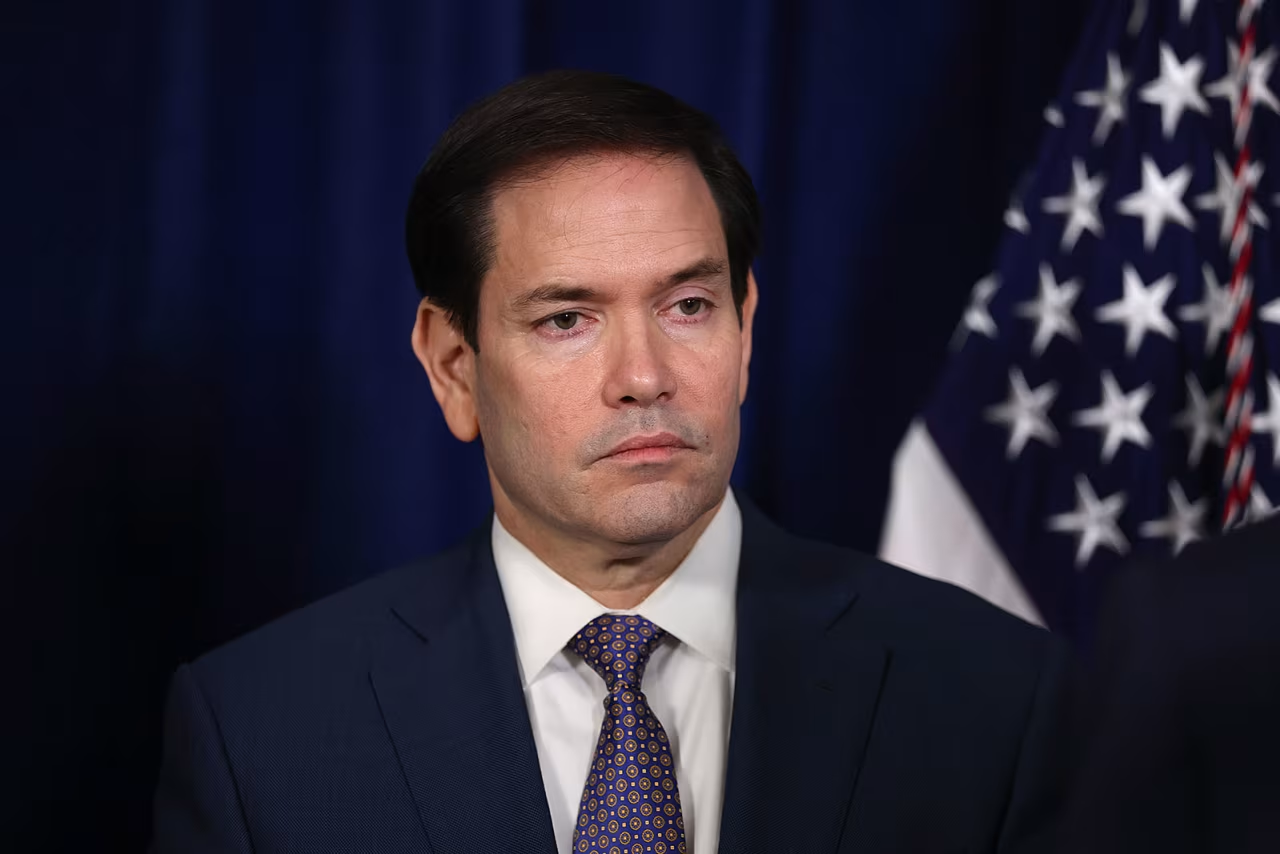
Rubio Defends Trump Venezuela Policy Amid Senate Scrutiny/ Newslooks/ WASHINGTON/ J. Mansour/ Morning Edition/ Secretary of State Marco Rubio defended the Trump administration’s Venezuela policy before a tense Senate hearing. Lawmakers questioned the legality and secrecy surrounding the U.S. military operation that captured Nicolás Maduro. Rubio insisted there’s no war or occupation and warned that force could be used again if needed.
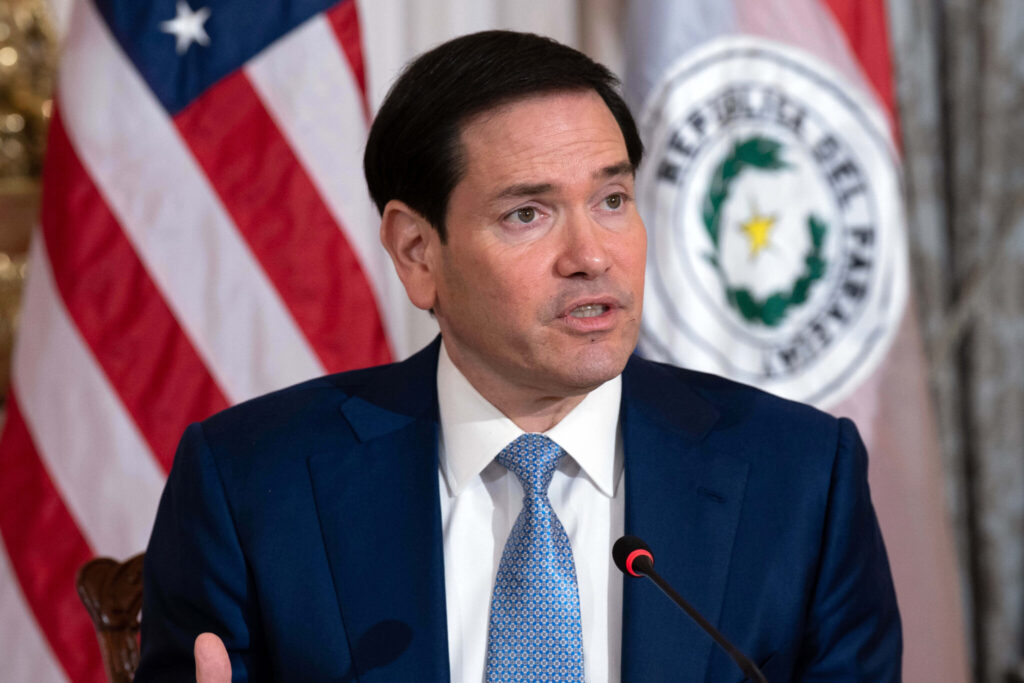
Rubio Defends Venezuela Operation — Quick Looks
- Senate Testimony: Secretary of State Rubio testified on Trump’s Venezuela policy amid bipartisan concerns.
- Maduro Captured: Lawmakers demanded answers about the January raid that removed Venezuela’s president.
- War Powers Blocked: Republicans narrowly stopped a resolution limiting Trump’s military authority in Venezuela.
- Communication Breakdown: Senators from both parties expressed frustration over being left in the dark.
- Rubio’s Position: Rubio claimed the operation was lawful and insisted there’s no U.S. war in Venezuela.
- Opposition Meeting: Rubio is also meeting with Venezuelan opposition leader Maria Corina Machado.
- Congress Pushes Back: Some Republicans joined Democrats in demanding clearer war powers oversight.
Deep Look: Rubio Defends Trump Venezuela Policy Amid Senate Scrutiny
WASHINGTON, D.C. — Secretary of State Marco Rubio returned to Capitol Hill Wednesday to defend the Trump administration’s handling of Venezuela, facing former Senate colleagues who are demanding transparency after the dramatic U.S. military operation that captured Venezuelan President Nicolás Maduro earlier this month.
Rubio, a former Florida senator and long-time member of the Foreign Relations Committee, was testifying for the first time since the controversial January 3rd raid, which removed Maduro from power and triggered new tensions in Congress over presidential war powers.
The hearing, held before a packed room and an overflow crowd, marked a pivotal moment for the administration. Security was tight, and Senate staff warned attendees that disruptions could lead to removal or arrest.
Rubio’s prepared remarks emphasized that there is no war or U.S. occupation in Venezuela, calling the mission a targeted operation meant to restore regional stability. “We are prepared to use force to ensure maximum cooperation if other methods fail,” he said.
He was also scheduled to meet later in the day with Venezuelan opposition leader Maria Corina Machado, fueling speculation that she may be tapped by the Trump administration to lead a transitional government.
Narrow Vote on War Powers
The Senate hearing followed a razor-thin vote two weeks earlier in which Republicans narrowly blocked a war powers resolution that would have required President Trump to obtain congressional approval for any further military action in Venezuela. Vice President JD Vance broke the tie.
Trump and Rubio personally lobbied wavering GOP senators to reverse their positions, promising that U.S. troops were not involved in ongoing hostilities and pledging that Rubio would publicly answer questions before the committee. Their efforts led Senators Josh Hawley and Todd Young to flip their votes.
Nonetheless, the vote underscored growing discomfort — even among Republicans — about unchecked presidential power in matters of war. Many lawmakers say Trump’s foreign policy decisions have been shrouded in secrecy, leaving Congress out of critical decisions.
Lawmakers Frustrated by Lack of Transparency
Lawmakers from both parties say they were blindsided by the Maduro operation. Some reported that oil industry executives were briefed before members of Congress — a move that sparked outrage among both progressive and conservative lawmakers.
Committee Chairman Jim Risch, a Republican from Idaho, acknowledged the confusion surrounding Trump’s strategy. In his opening remarks, Risch said, “Many Americans are concerned about so-called ‘forever wars.’ I know this administration is laser-focused on avoiding these experiences.”
But other senators were not reassured. Democratic Senator Chris Coons of Delaware said he had “20 questions” about the operation, particularly why Congress was bypassed in a mission that clearly had national security implications.
“No evidence was provided to justify this as an urgent national security concern,” Coons said. “From his 15 years in the Senate, Secretary Rubio knows full well that consultation with Congress should have occurred.”
Maduro Captured, But at What Cost?
While the administration celebrated the removal of Nicolás Maduro, critics argue that the lack of a long-term plan or clearly defined objectives raises questions about what comes next for Venezuela.
Rubio, in his testimony, said the U.S. is “closely monitoring the performance of the interim authorities” and will hold them accountable to a stage-based transition plan. He added that any signs of instability or non-compliance could trigger more forceful responses.
Trump’s broader strategy appears to extend beyond Venezuela. Earlier this month, the president told Iranians protesting their government that ‘help is on the way’ and suggested military intervention in Greenland, a territory belonging to NATO ally Denmark. These comments have raised alarm bells among diplomats and military analysts.
Foreign Policy Under Fire
Trump’s aggressive foreign policy, carried out with limited congressional input, has drawn increasing resistance — including from his own party. Lawmakers say Congress must reassert its constitutional role in authorizing military action, especially in light of the post-9/11 era’s enduring “forever wars.”
Though Trump insists that his administration is avoiding prolonged conflicts, critics fear the Maduro operation sets a dangerous precedent for unilateral military action with limited oversight.
Rubio’s appearance before the Senate was seen as an effort to ease those concerns and to restore trust — both in his role as Secretary of State and in the administration’s approach to foreign engagement. But the hearing also made clear that many in Congress are far from convinced.