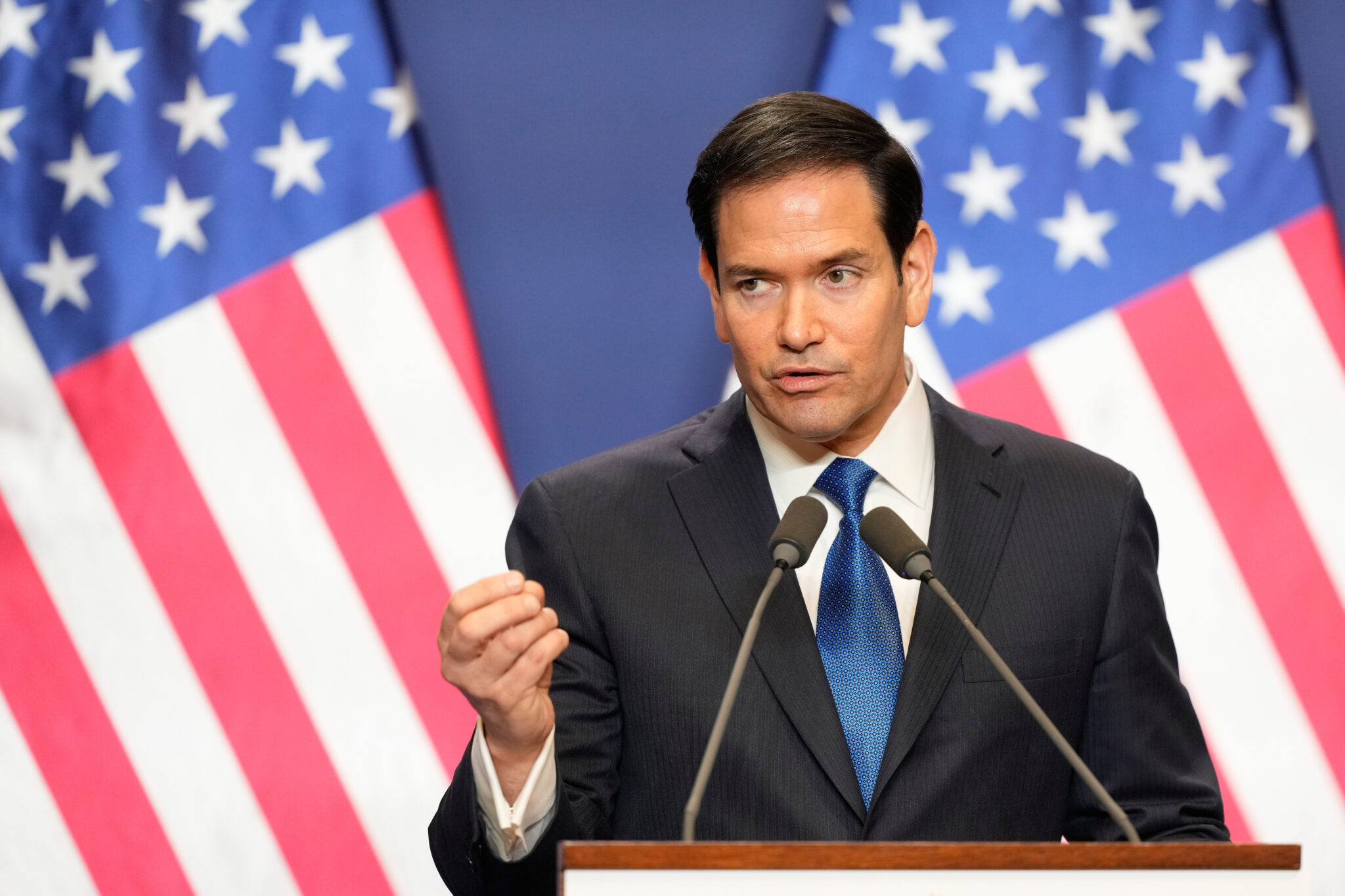
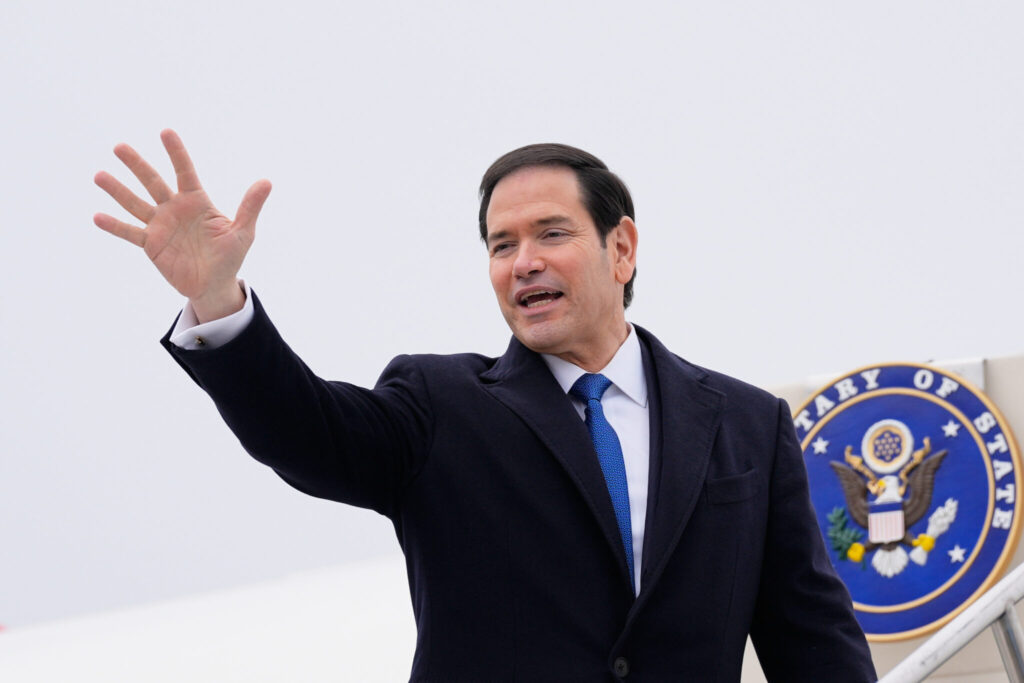
Rubio Heads to Caribbean to Reassert US Influence After Venezuela Operation/ Newslooks/ WASHINGTON/ J. Mansour/ Morning Edition/ Secretary of State Marco Rubio will visit St. Kitts and Nevis to reinforce U.S. priorities in the Western Hemisphere. The trip follows the U.S. military operation that removed Venezuela’s Nicolás Maduro from power. Rubio’s visit comes as Washington balances Caribbean diplomacy with rising tensions over Iran.
Rubio Caribbean Visit US Interests Quick Looks
- Rubio attending CARICOM summit in St. Kitts
- Trip follows U.S. operation that ousted Nicolás Maduro
- U.S. expanding military presence in Middle East
- Focus on regional security and economic ties
- Countering Chinese influence and supporting Taiwan allies
- Intelligence cooperation aided Mexico cartel operation
- “Donroe Doctrine” echoes Monroe Doctrine strategy
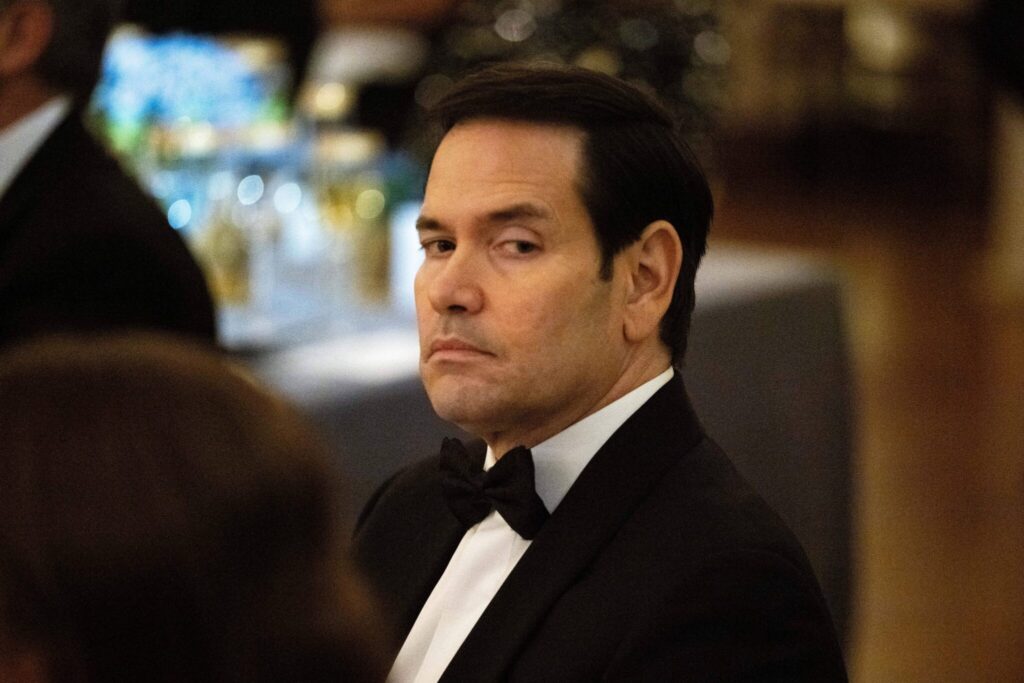
Deep Look: Rubio Heads to Caribbean to Reassert US Influence After Venezuela Operation
Secretary of State Marco Rubio will travel to St. Kitts and Nevis this week to reaffirm American influence in the Western Hemisphere, underscoring the Trump administration’s determination to maintain regional leadership even as global attention shifts toward escalating tensions with Iran.
Rubio’s one-day visit on Wednesday includes participation in a summit of the Caribbean Community (CARICOM), a bloc of 15 Caribbean nations and mainland states. The State Department said the trip aims to reinforce U.S. commitments to regional security, trade, and economic growth.
Post-Maduro Regional Reset
The visit comes roughly a month after U.S. forces carried out a dramatic operation that removed Venezuelan leader Nicolás Maduro from power. Maduro was transferred to the United States to face charges related to alleged cooperation with drug cartels accused of shipping massive quantities of cocaine into the U.S. He has pleaded not guilty.
The operation, along with subsequent military strikes targeting suspected drug-trafficking vessels in Caribbean waters, has drawn mixed reactions across Latin America and the Caribbean. While some smaller nations have quietly welcomed Washington’s tougher stance on narcotics and migration, others worry about escalating U.S. interventionism.
President Donald Trump and Rubio have framed the administration’s Western Hemisphere strategy as a modern interpretation of the Monroe Doctrine — asserting U.S. primacy in what they describe as “America’s backyard.” Trump has dubbed his approach the “Donroe Doctrine,” tying together actions against Maduro, expanded maritime enforcement, sanctions seizures, and a tightened embargo on Cuba.
Caribbean Diplomacy Amid Middle East Focus
Rubio’s trip also unfolds against a backdrop of heightened U.S. military activity in the Middle East, where American forces have surged in response to threats involving Iran’s nuclear program.
Despite the administration’s pivot toward Iran as a top foreign policy priority, Rubio has long advocated for sustained U.S. engagement in Latin America and the Caribbean. His visit signals that Washington does not intend to let its regional influence wane while attention shifts elsewhere.
At the CARICOM summit, Rubio is expected to engage in both group and bilateral meetings in Basseterre, the capital of St. Kitts and Nevis. Specific participants were not immediately disclosed.
The State Department said Rubio will emphasize cooperation to enhance “stability and prosperity in our hemisphere.”
Mexico Cooperation and Regional Security
Recent U.S. involvement in the hemisphere extended beyond Venezuela. Over the weekend, American intelligence reportedly supported Mexican operations that resulted in the killing of cartel leader Nemesio Oseguera Cervantes, head of the Jalisco New Generation Cartel. The operation triggered unrest in several Mexican resort areas.
Though neither Mexico nor Venezuela is a full CARICOM member — both hold observer status — regional leaders closely watch U.S. security actions that ripple across borders.
Taiwan, China and Strategic Competition
Beyond immediate security issues, Rubio’s visit carries strategic implications tied to U.S.-China competition.
St. Kitts and Nevis is among a shrinking group of countries that maintain formal diplomatic recognition of Taiwan, the self-governing island claimed by Beijing. The United States, while not formally recognizing Taiwan diplomatically, provides arms and political support and seeks to counter expanding Chinese economic influence in the Caribbean.
China has invested heavily across Latin America and the Caribbean through infrastructure loans and trade agreements. U.S. officials worry that Beijing’s presence could reshape regional alliances.
Congressional lawmakers have introduced legislation that would allocate up to $120 million over three years to assist Taiwan’s diplomatic partners, including several Caribbean nations.
Summit Signals Broader Agenda
Trump has also invited Latin American leaders to a summit in Florida next month, ahead of a planned visit to Beijing — further signaling the administration’s intent to blend hemispheric diplomacy with global strategic positioning.
Rubio’s Caribbean visit, though brief, underscores a balancing act: projecting strength abroad, reassuring regional allies, and countering rival powers, all while navigating mounting geopolitical tensions elsewhere.
As the U.S. expands its military footprint in multiple regions, the message from Basseterre will be clear — Washington intends to remain a dominant force in the Western Hemisphere, even amid global uncertainty.