Rubio, Hegseth Brief Congress on Venezuela Operation/ Newslooks/ WASHINGTON/ J. Mansour/ Morning Edition/ Secretary of State Marco Rubio and other officials briefed Congress on the surprise U.S. military operation in Venezuela. Lawmakers from both parties raised concerns about transparency, cost, and U.S. intentions in the region. A Senate vote on war powers is expected soon.
Quick Look
- Rubio and Hegseth brief congressional leaders on Venezuela raid.
- Lawmakers question Trump’s broader foreign policy and motives.
- Democrats demand clarity on legal basis, cost, and future involvement.
- A War Powers Resolution to limit U.S. military action heads to Senate.
- Trump suggests deeper U.S. role in Colombia, Cuba, and Greenland.
- Uncertainty remains over who is governing Venezuela post-Maduro.
Deep Look: U.S. Officials Face Congressional Scrutiny Over Venezuela Military Action
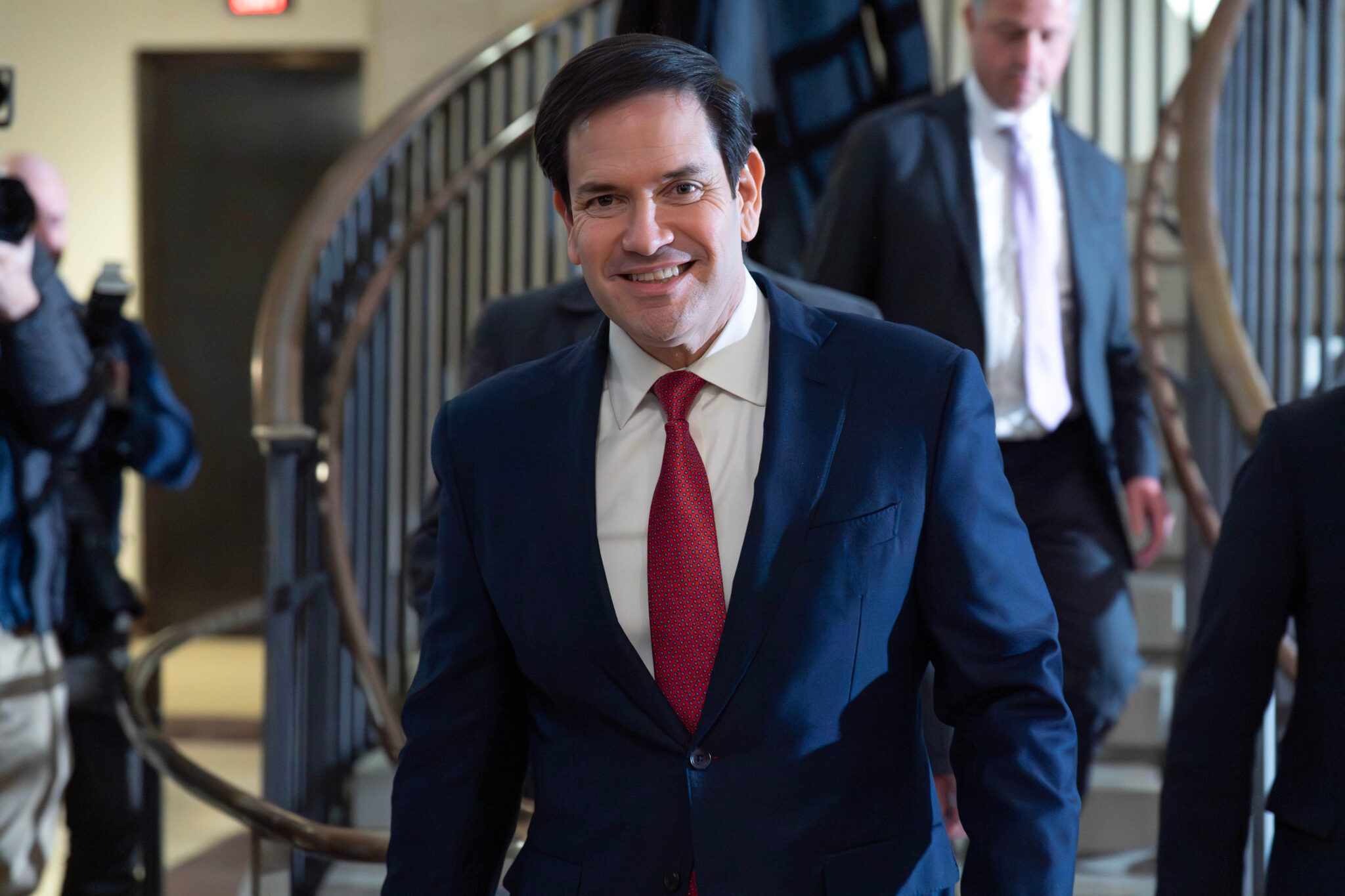
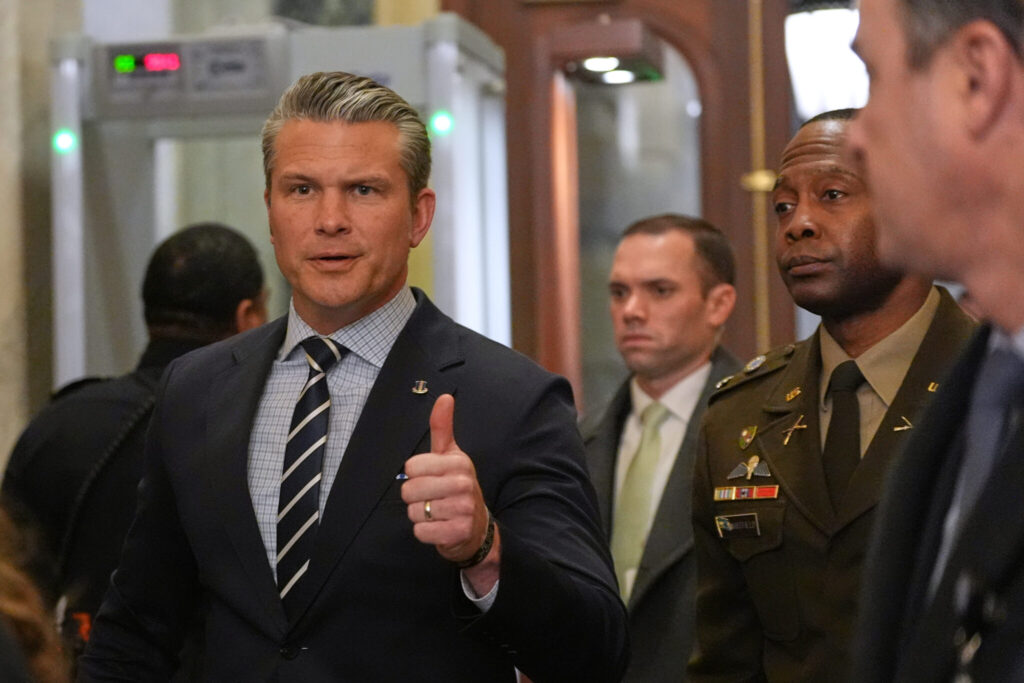
WASHINGTON — Jan. 6, 2026 — Congressional leaders were briefed behind closed doors Monday evening as concerns escalated over President Donald Trump’s surprise military operation in Venezuela, which led to the capture and extradition of Nicolás Maduro. The classified meeting was led by Secretary of State Marco Rubio, Defense Secretary Pete Hegseth, and other top national security officials.
While Republican lawmakers largely defended the mission as necessary to combat drug trafficking and restore order in Venezuela, Democrats emerged demanding answers on the legality, cost, and strategic goals of what they fear could mark the beginning of a new era of U.S. expansionism.
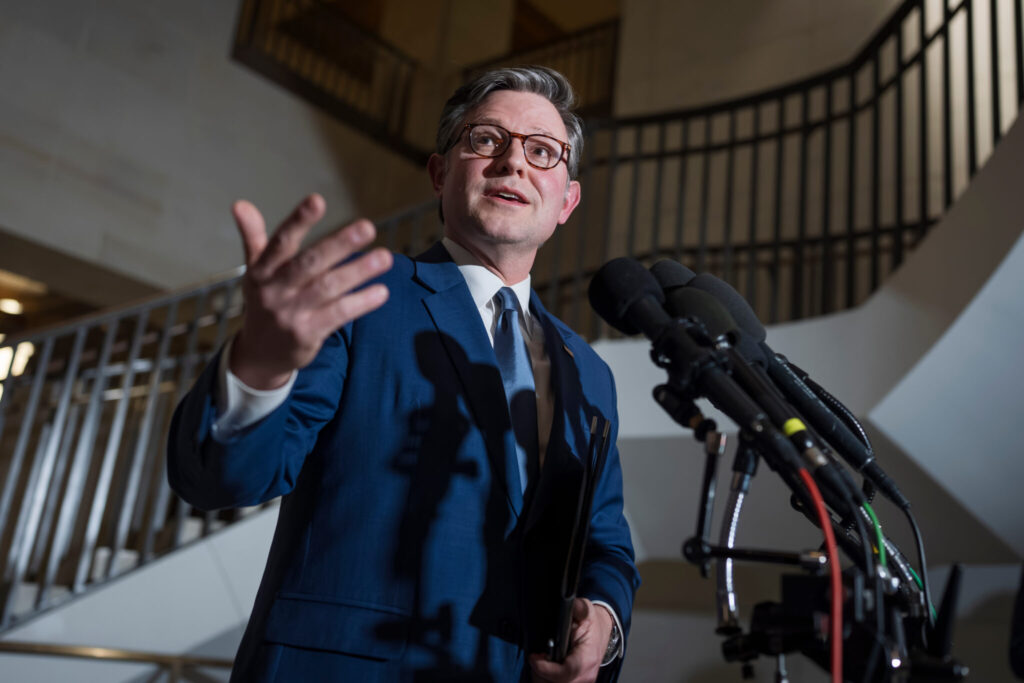
“This is not a regime change. This is a demand for a change in behavior,” said House Speaker Mike Johnson (R-La.), echoing the administration’s messaging that U.S. troops won’t deploy on the ground.
Johnson added that Venezuela’s oil exports — now under U.S. control — will be used as leverage to push for governance reforms. “We have a way of persuasion,” he said, referencing seized oil shipments and sanctions.
Democrats Question Costs, Strategy, and Legal Grounds
“There are still many more questions that need to be answered,” said Sen. Jeanne Shaheen (D-N.H.), ranking Democrat on the Senate Foreign Relations Committee.
“What is the cost?” asked Rep. Gregory Meeks (D-N.Y.), chair of the House Foreign Affairs Committee. “How much is this going to cost the American people?”
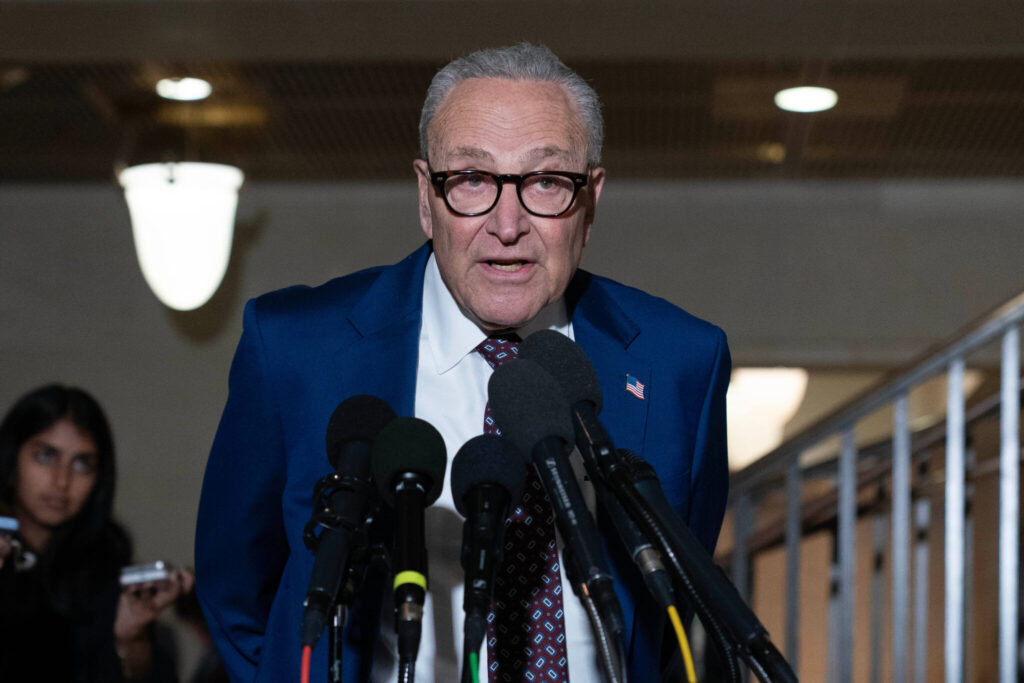
Senate Majority Leader Chuck Schumer warned earlier in the day that Trump’s aggressive stance could drag the U.S. into a broader geopolitical quagmire. He called for a War Powers Resolution, expected for debate this week, to limit further military action in Venezuela without Congressional approval.
Congressional Leaders Were Left in the Dark
The two-hour briefing was notable for coming after the operation — rather than before, as is typically expected with high-level military interventions. Lawmakers were not informed until the raid was already in motion, raising alarms about oversight and executive overreach.
The classified session included the so-called “Gang of Eight” — the top leaders in both chambers and key intelligence and national security committee chairs. Attendees included Joint Chiefs Chairman Gen. Dan Caine and Attorney General Pam Bondi, who brought drug trafficking charges against Maduro.
“I wish I could tell you who is running Venezuela right now,” said Sen. Mark Warner (D-Va.), chair of the Senate Intelligence Committee. “But I can’t.”
Confusion Over Interim Leadership in Venezuela
The Trump administration has so far declined to recognize María Corina Machado, the prominent opposition leader and recent Nobel Peace Prize winner, as Venezuela’s interim leader. Instead, power has been assumed by Delcy Rodríguez, Maduro’s longtime ally and the country’s vice president — a move critics say undermines Venezuela’s democratic aspirations.
“She [Machado] eventually, I think, will be the president of Venezuela,” said Sen. Rick Scott (R-Fla.), who plans to meet with her soon.
Republicans Divided on Trump’s Foreign Policy Approach
The Venezuela operation is further exposing internal GOP divides. While lawmakers like Scott support Trump’s aggressive posture, others — including Sen. Rand Paul (R-Ky.) — are alarmed by what they see as unconstitutional military overreach.
“There’s no way you can say bombing a capital and removing the president of a foreign country is not an initiation of war,” Paul said. “It sets a very bad precedent.”
Paul warned the move could justify similar interventions elsewhere and dangerously expand presidential war powers without oversight.
What’s Next? U.S. Role in Venezuela Still Unclear
Though Trump insists the U.S. won’t govern Venezuela directly, he has repeatedly stated that the U.S. will “run” the country until a “safe, proper, and judicious” transition takes place. Secretary Rubio has clarified that existing oil quarantines will be enforced, and U.S. companies are being encouraged to help rebuild Venezuela’s oil infrastructure.
No clear timeline for elections in Venezuela has been announced. Trump has expressed skepticism of Venezuela’s traditional opposition leaders and instead prefers dealing directly with Rodríguez — despite her ties to the Maduro regime.
“This is going to be a process to get to a democracy,” Scott said. “It’s not easy. There’s a lot of bad people still there.”
Conclusion
With tensions mounting at home and abroad, Congress now faces difficult choices. Will it assert its war powers authority, or allow Trump to continue reshaping foreign policy unilaterally?
As one senior staffer put it after the briefing: “This feels like Iraq, but with oil upfront.”