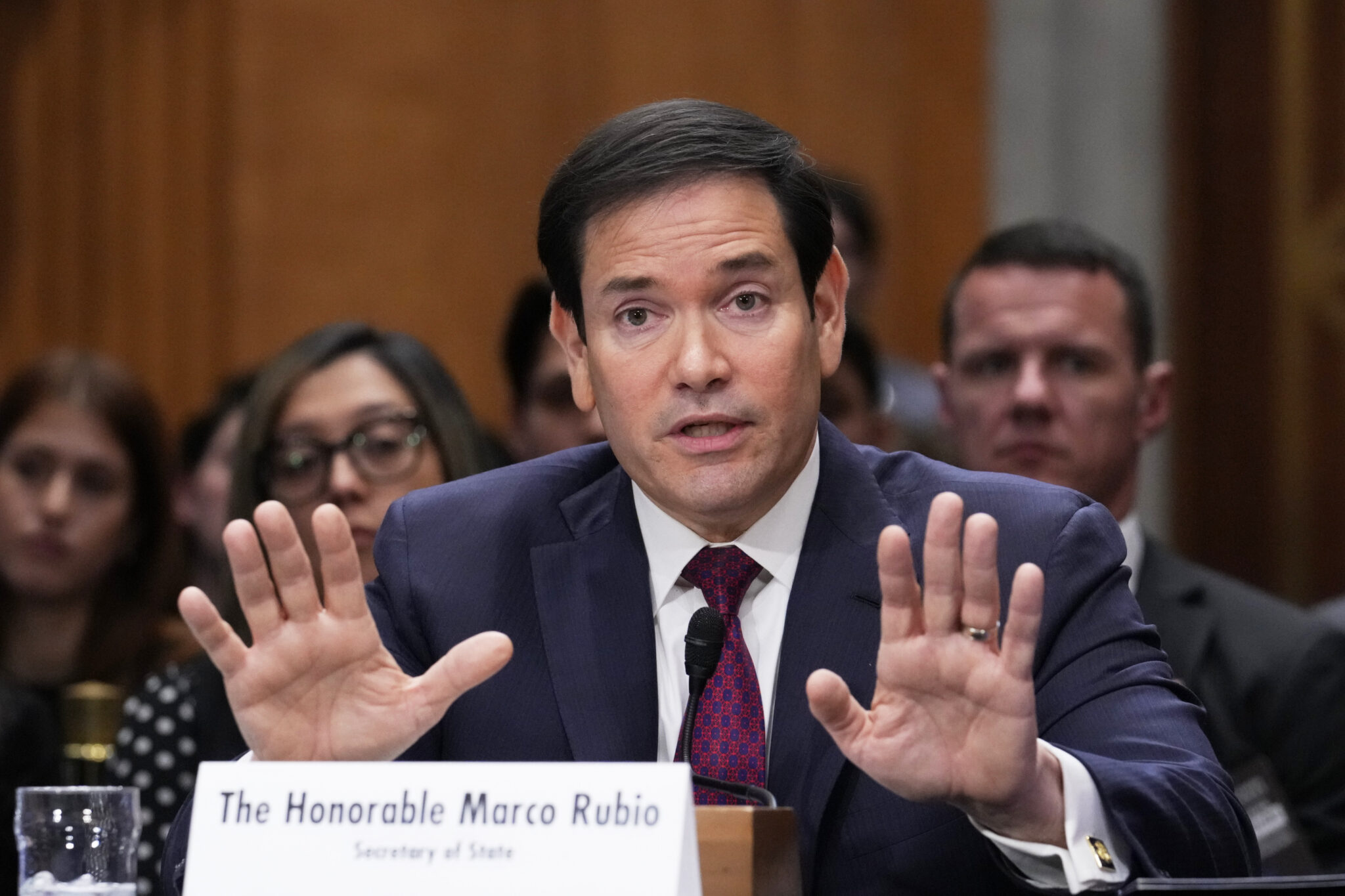
Rubio: There’s ‘Good, Decent Progress’ in Venezuela Since US Ousted Maduro/ Newslooks/ WASHINGTON/ J. Mansour/ Morning Edition/ Secretary of State Marco Rubio told senators that Venezuela is showing “good and decent progress” following the U.S.-led removal of Nicolás Maduro. He defended the January 3 military operation as a necessary step for U.S. security and regional stability. Lawmakers remain divided over the long-term goals, legality, and oversight of Trump’s Venezuela policy.
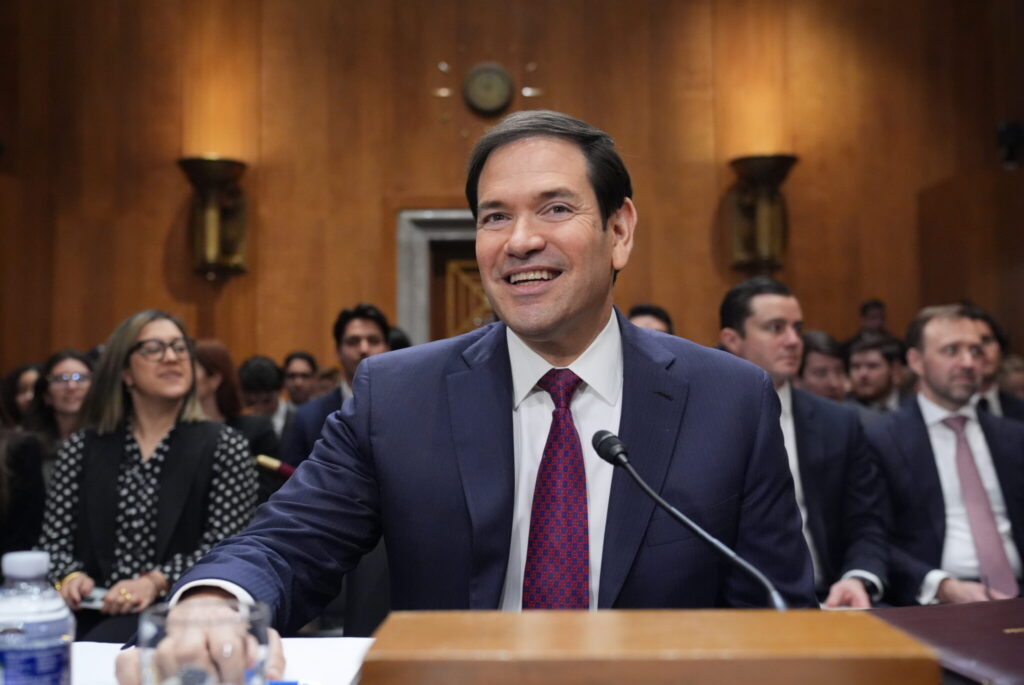
Rubio Faces Senate Over Venezuela Policy — Quick Looks
- Rubio Defends Operation: Rubio said ousting Maduro made the U.S. and Venezuela safer.
- No Overnight Fix: He acknowledged the process would be slow but emphasized early signs of progress.
- Oil Revenue Controls: U.S. Treasury to oversee Venezuelan oil funds for health and security services.
- Limited U.S. Forces: Operation to seize Maduro involved only 200 troops and lasted under 30 minutes.
- Mixed Senate Reactions: GOP largely supportive; Democrats raised concerns over Maduro’s allies still in power.
- Democracy Push: U.S. officials say fair elections will require international oversight.
- Humanitarian Gains: Over 260 political prisoners reportedly freed since Maduro’s removal.
- Embassy Plans: State Department preparing to send staff back to Caracas.
- Legal & Political Blowback: Lawsuits and war powers debates continue as opposition mounts.
Deep Look: Rubio: There’s ‘Good, Decent Progress’ in Venezuela Since US Ousted Maduro
WASHINGTON (AP) — Secretary of State Marco Rubio defended the Trump administration’s controversial military intervention in Venezuela, telling a Senate committee on Wednesday that the United States and the region are now safer following the ouster of President Nicolás Maduro.
Rubio, appearing before the Senate Foreign Relations Committee, characterized the January 3 military operation as a calculated move against what he called a direct U.S. national security threat. While he admitted Venezuela’s recovery wouldn’t be immediate, he insisted progress was already visible.
“We’re not going to have this thing turn around overnight,” Rubio said. “But I think we’re making good and decent progress. We’re certainly better off today than we were four weeks ago.”
He noted that interim Venezuelan authorities are cooperating and that the U.S. will soon allow Venezuela to sell oil under tight conditions, with revenues placed in a U.S.-controlled account. Those funds will be used for essential services like healthcare, policing, and infrastructure, contingent on monthly budget approval by the U.S. Treasury.
“The funds from that will be deposited into an account that we will have oversight over,” Rubio told the committee. “Venezuela will spend that money for the benefit of the Venezuelan people.”
Limited Operation, Growing Debate
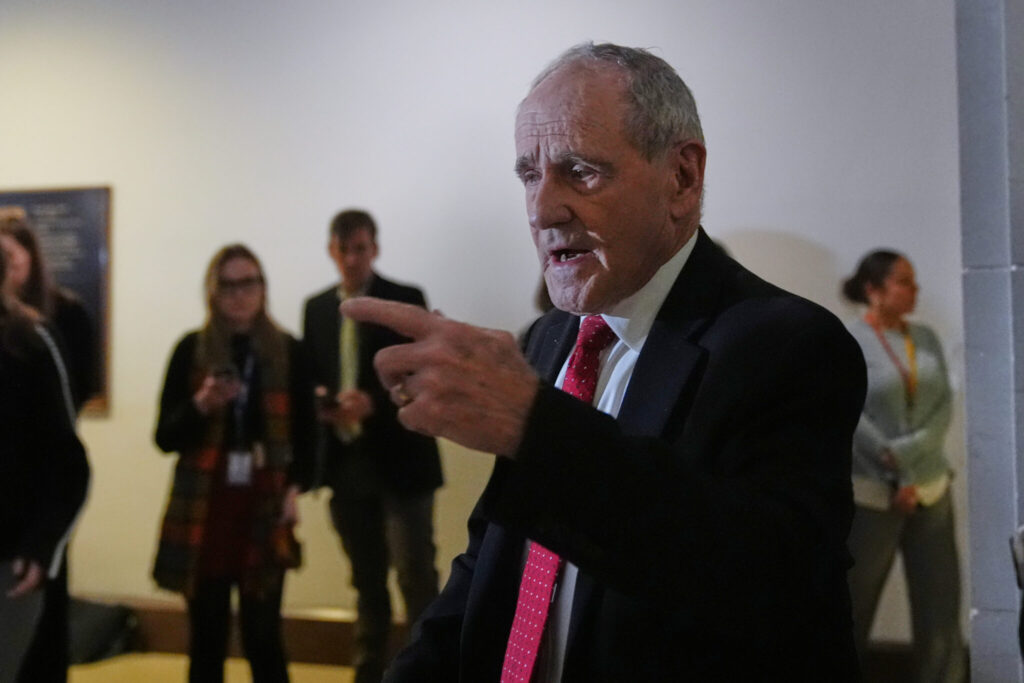
Senate Foreign Relations Chairman Jim Risch, a Republican from Idaho, praised the mission, revealing that the Caracas raid involved only 200 troops and a firefight lasting less than 30 minutes.
“This military action was incredibly brief, targeted, and successful,” Risch said. He added that U.S. and international support would likely be needed to help restore democratic elections in Venezuela.
But not all lawmakers were convinced.
Democratic Senator Jeanne Shaheen of New Hampshire voiced concerns that removing Maduro may not have changed much, with many of his allies still in control and the economy in crisis.
“We’ve traded one dictator for another,” she said. “My constituents want to know why the president is focusing on Venezuela instead of the rising cost of living here at home.”
War Powers, Oil Politics, and Lawsuits
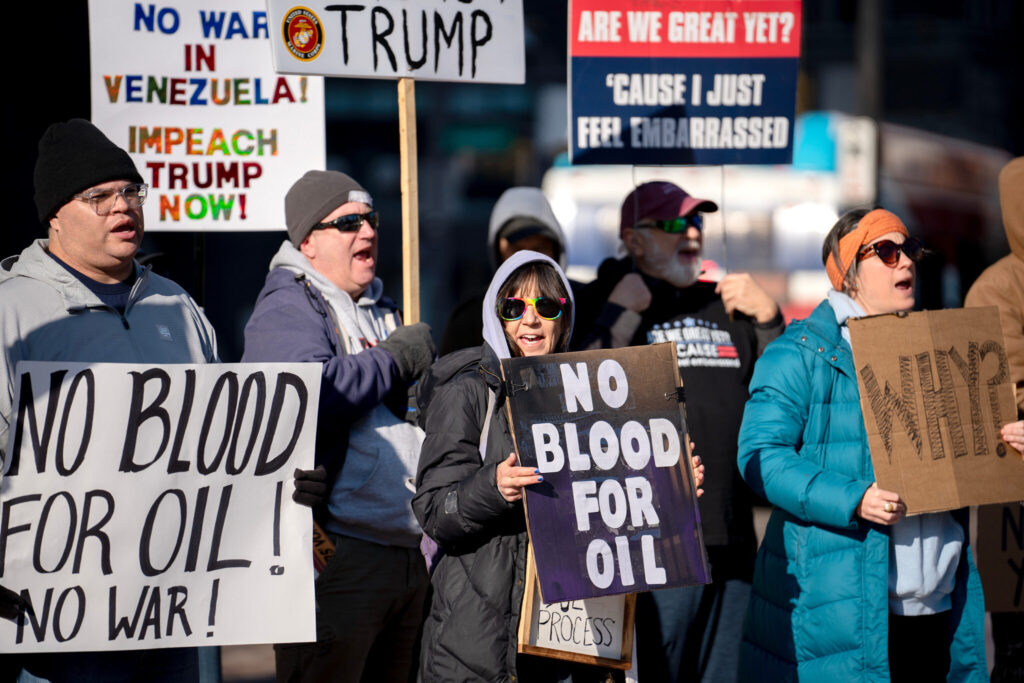
Rubio’s testimony comes as Congress remains deeply divided over Trump’s foreign policy, particularly the use of military force without congressional approval. A recent war powers resolution to limit further U.S. military action in Venezuela was narrowly defeated in the House.
The administration argues there are no U.S. troops occupying Venezuela and says further military force is not planned — though Trump has openly stated his intention to manage Venezuela’s oil resources and has made similar remarks about other global flashpoints.
Democrats, however, argue that Trump’s actions sidestep constitutional limits and that he has failed to justify urgent national security grounds.
Legal backlash has also begun. Families of two Trinidadian nationals killed in a U.S. boat strike have filed a wrongful death lawsuit — the first legal challenge related to Trump’s maritime enforcement campaign, which has killed at least 126 people across 36 strikes since September.
Normalizing Relations, Strategic Leverage
Despite the aggressive military posture, the Trump administration is also seeking to normalize diplomatic ties with Venezuela’s acting leadership. Interim President Delcy Rodríguez, who was vice president under Maduro, is now in talks with the U.S.
Rubio’s prepared remarks, which were not fully read aloud during the hearing, stated that Rodríguez has “little choice but to comply” with U.S. demands.
“Rodríguez is well aware of the fate of Maduro; it is our belief that her own self-interest aligns with advancing our key objectives,” Rubio said in the submitted remarks.
U.S. conditions for normalization reportedly include:
- Opening Venezuela’s energy sector to American firms
- Preferential access to production for U.S. companies
- Redirecting oil revenues to purchase U.S. goods
- Ending subsidized oil exports to countries like Cuba
Rodríguez acknowledged on state television that communications with Trump and Rubio have been “respectful and courteous” and said both sides are working toward a functional agenda.
Political Prisoners and Diplomacy
As part of that cooperation, Venezuelan officials have reportedly begun freeing political prisoners, with 266 detainees released since January 8, according to a Venezuelan human rights group.
Trump praised the prisoner releases on social media, calling it a “powerful humanitarian gesture” and signaling progress toward further engagement.
In a significant diplomatic shift, the U.S. State Department this week notified Congress of plans to send additional personnel to Caracas, laying the groundwork for reopening the U.S. Embassy, which was closed in 2019. Full normalization would require revoking U.S. recognition of Venezuela’s 2015 opposition-led parliament as the legitimate government.
Meeting With Opposition Leader
Later on Wednesday, Rubio was expected to meet with opposition leader María Corina Machado at the State Department. Machado, a Nobel Peace Prize recipient, went into hiding after Maduro was declared the winner of the disputed 2024 election.
She resurfaced in December to accept her award and traveled to Washington following Maduro’s removal. In a symbolic moment, she presented her Nobel medal to Trump during a private meeting — an act that underscored both her gratitude and her sidelined status amid Washington’s current support for Rodríguez.