

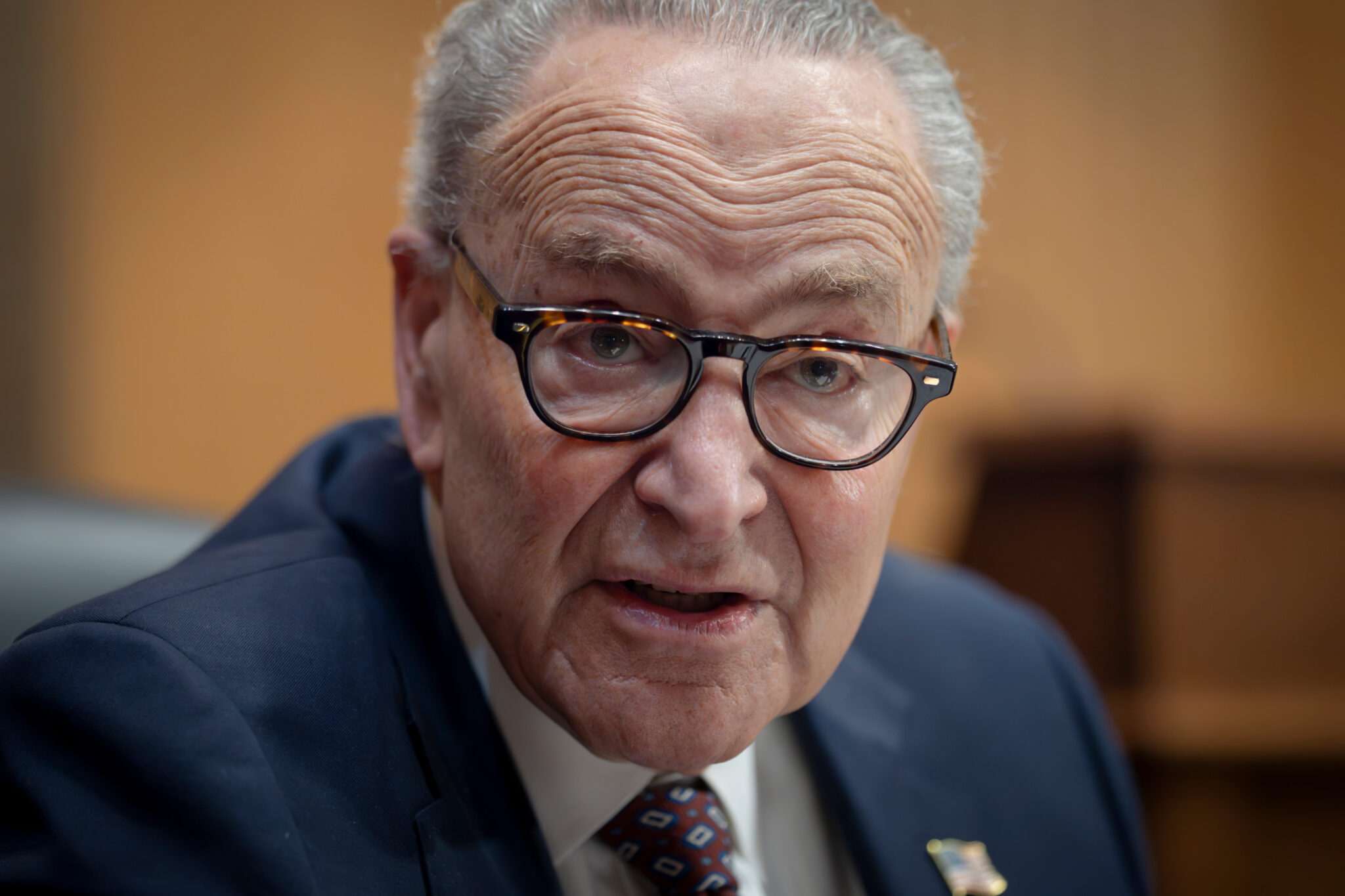
Schumer’s Senate Strategy Faces Democratic Pushback/ Newslooks/ WASHINGTON/ J. Mansour/ Morning Edition/ Democrats are divided over Chuck Schumer’s strategy to reclaim the Senate. Progressive lawmakers are backing insurgent candidates over establishment picks. The internal fight could shape both 2026 races and Schumer’s leadership future.
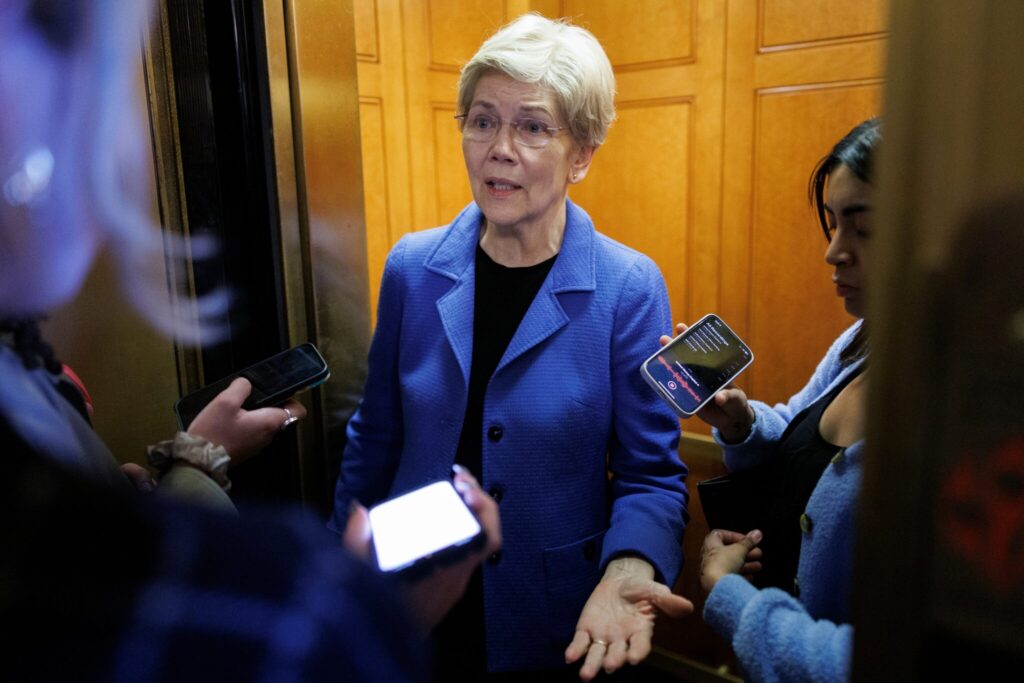
Democratic Senate Strategy Fight Quick Looks
- Schumer backs establishment candidates in key races
- Progressive senators endorse insurgent challengers
- Maine, Michigan, Minnesota races highlight divide
- Democratic base frustrated after 2024 loss
- Anti-establishment sentiment gaining traction
- Some candidates question Schumer’s leadership
- 2026 midterms could decide Schumer’s future
- Senate majority fight intensifies
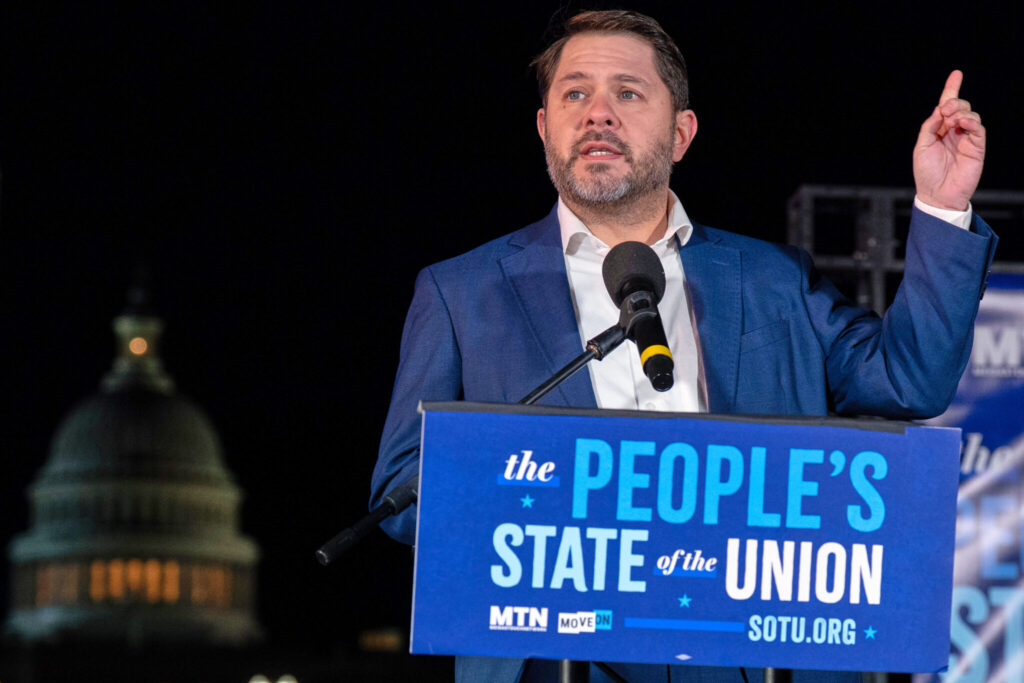
Deep Look: Schumer’s Plan to Reclaim Senate Faces Internal Democratic Divide
WASHINGTON — Democrats hoping to reclaim control of the U.S. Senate in 2026 are facing a growing internal divide, as Senate Minority Leader Chuck Schumer’s strategy draws pushback from members of his own party and rising anti-establishment candidates.
At the center of the conflict is a broader debate about the Democratic Party’s direction following President Donald Trump’s return to power. Some Democrats argue that traditional campaign strategies are no longer effective, while others believe the party must rely on experienced, moderate candidates to win competitive races.
The disagreements are already playing out in several battleground states, including Maine, Michigan and Minnesota.
Maine Race Highlights Party Divide
In Maine, Schumer and the Democratic Senatorial Campaign Committee have backed Gov. Janet Mills, a moderate Democrat serving her second term.
However, several progressive senators have instead endorsed insurgent candidate Graham Platner, a veteran and oyster farmer who entered the race with backing from Sen. Bernie Sanders.
Platner has since gained additional endorsements from:
- Sen. Martin Heinrich of New Mexico
- Sen. Ruben Gallego of Arizona
- Sen. Elizabeth Warren of Massachusetts
- Sen. Sheldon Whitehouse of Rhode Island
The endorsements represent an unusual challenge to party leadership, as sitting senators rarely oppose the Senate leader’s preferred candidate.
“Clearly there’s a disagreement of strategy here,” Heinrich said, arguing that traditional campaign approaches may no longer be effective.
The race has drawn additional attention due to scrutiny over Platner’s past controversial comments and a tattoo resembling a Nazi symbol.
Michigan Primary Adds to Tensions
Michigan is also shaping up as a competitive Democratic primary featuring three high-profile candidates:
- State Sen. Mallory McMorrow
- Former health official Abdul El-Sayed
- U.S. Rep. Haley Stevens
McMorrow has openly questioned Schumer’s leadership, saying she would not support him as Senate leader if Democrats regain control.
El-Sayed has embraced an anti-establishment message and secured backing from Sanders.
Stevens has aligned with establishment figures and gained support from some Senate Democrats.
The contest reflects broader divisions within the party about ideology, leadership and campaign strategy.
Minnesota Race Tests Party Direction
Minnesota’s open Senate seat has similarly become a battleground for competing Democratic visions.
Rep. Angie Craig is running as a centrist candidate and has received endorsements from House Democratic Leader Hakeem Jeffries and former Speaker Nancy Pelosi.
Lt. Gov. Peggy Flanagan, representing the progressive wing, has received endorsements from Sanders, Warren and outgoing Sen. Tina Smith.
Smith described Flanagan as a “fierce fighter” capable of challenging the political status quo.
Frustration After 2024 Election
The divisions stem partly from Democratic frustration following the 2024 presidential election.
President Joe Biden initially ran for reelection despite concerns about his age before withdrawing and endorsing Vice President Kamala Harris, who ultimately lost to Trump.
Some Democrats argue the party’s leadership failed to adapt to changing political dynamics.
“It’s really about who do you trust — establishment or not establishment,” said Democratic strategist Nan Whaley.
Schumer’s Leadership Under Scrutiny
Schumer has led Senate Democrats since 2017, with mixed electoral results:
- Democrats gained majority in 2020
- Expanded majority in 2022
- Lost ground in 2018 and 2024
Some tensions also date to 2025, when Schumer voted with Republicans to end a government shutdown, drawing backlash from progressive Democrats.
Though Democrats later regained some unity during a separate shutdown standoff, divisions resurfaced when moderate Democrats sided with Republicans.
Leadership Future Tied to 2026 Results
Political analysts say Schumer’s leadership could hinge on the 2026 midterm elections.
David Axelrod, former strategist for President Barack Obama, said Schumer has faced growing pressure from progressives.
“The results of this election may impact that,” Axelrod said, referring to Schumer’s future as leader.
For now, no Senate Democrats have formally called for Schumer to step aside, but dissatisfaction remains.
Democrats Aim to Flip Senate
Despite internal disagreements, Democrats remain focused on regaining Senate control.
Schumer has recruited candidates in competitive states including:
- Alaska
- Ohio
- North Carolina
Democratic campaign officials argue the party still has a viable path to reclaiming the majority.
However, as primaries approach, the internal struggle between establishment leaders and insurgent candidates could shape not only the 2026 elections but the future direction of the Democratic Party.






You must Register or Login to post a comment.