Senate Advances Resolution to Curb Trump’s War Powers/ Newslooks/ WASHINGTON/ J. Mansour/ Morning Edition/ The Senate advanced a resolution limiting President Trump’s war powers after his surprise military raid in Venezuela. Five Republicans joined Democrats in a rare bipartisan push to reassert congressional control over military action. Though unlikely to become law, the vote sends a strong message about growing concerns over unchecked presidential power.
Senate War Powers Showdown Quick Looks
- Senate votes 52-47 to advance resolution limiting military action in Venezuela
- Five Republicans join Democrats amid concerns over Trump’s expanding use of force
- Resolution unlikely to become law but signals bipartisan unease
- Trump ordered Maduro’s capture without prior congressional consultation
- Lawmakers cite lack of transparency, risk of wider conflict
- Trump hints at military ambitions in Greenland, Colombia
- Democrats eye future resolutions to block unilateral military action
- War Powers Act faces renewed scrutiny as presidential authority expands
Senate Advances Resolution to Curb Trump’s War Powers
Deep Look
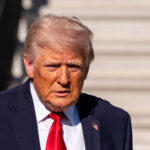
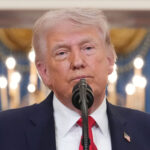
WASHINGTON — The U.S. Senate voted Thursday to advance a war powers resolution that would restrict President Donald Trump’s ability to launch further military attacks on Venezuela. The 52-47 vote included support from five Republican senators and signals a rare bipartisan effort to rein in the executive branch’s military authority following Trump’s surprise raid to capture Venezuelan leader Nicolás Maduro.
Although the resolution is unlikely to become law — it would require passage in the House and Trump’s signature — the move stands as a symbolic rejection of the president’s increasingly aggressive foreign policy in Latin America and beyond.
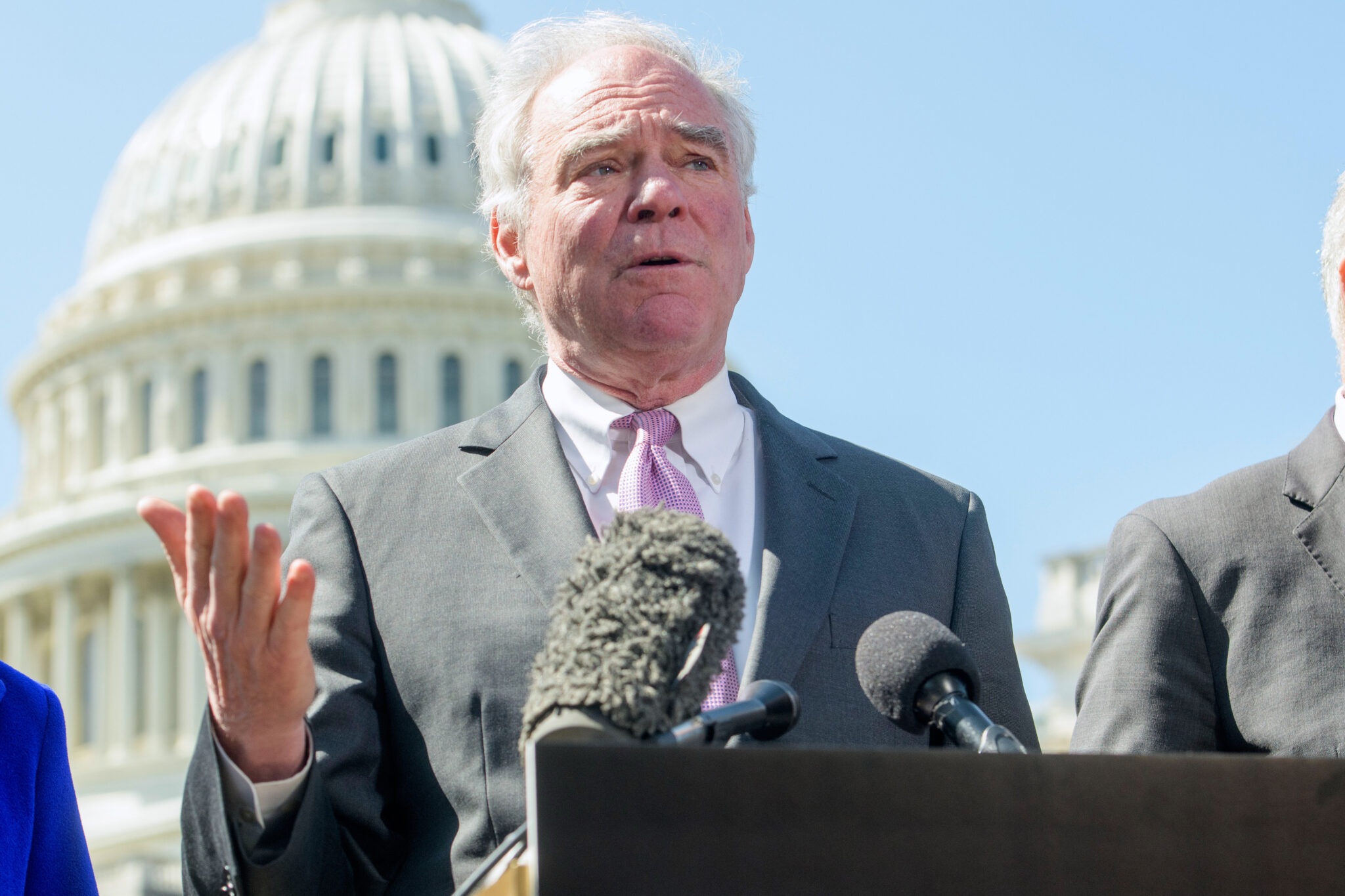
The measure, championed by Senator Tim Kaine (D-Va.), would require congressional approval for any future U.S. military action against Venezuela. Kaine said the raid, which occurred without prior consultation with lawmakers, underscored the need for greater oversight of presidential war-making powers.
“It’s time for Congress to assert its control over military action of this kind,” Kaine said. “It’s time to get this out of secrecy and put it in the light.”
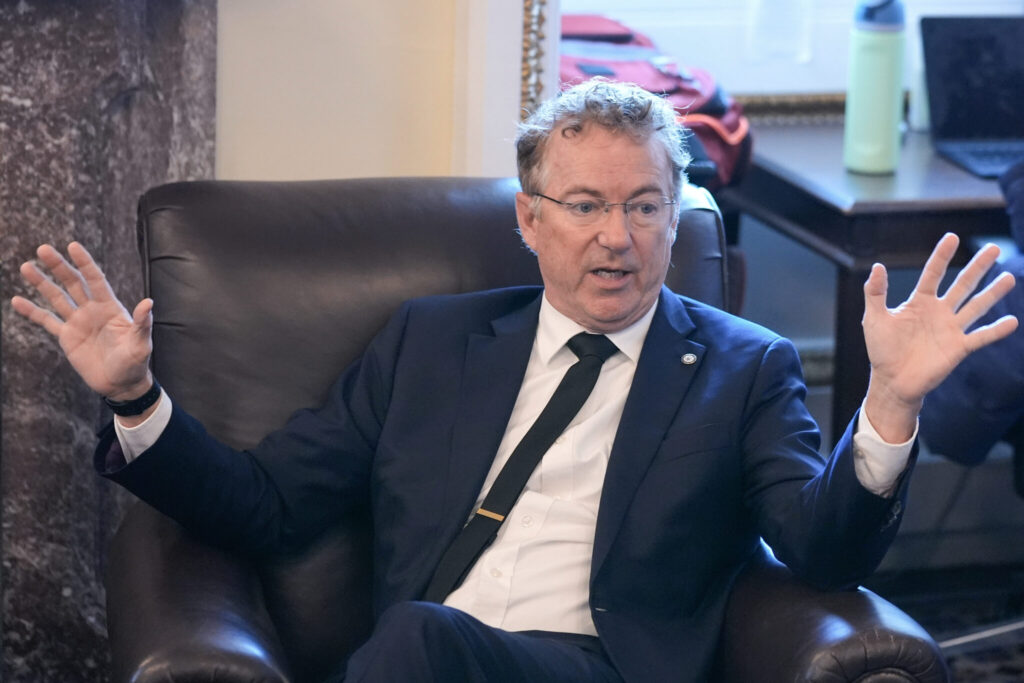
Republican senators Rand Paul (Ky.), Lisa Murkowski (Alaska), Josh Hawley (Mo.), Susan Collins (Maine), and Todd Young (Ind.) joined Democrats in advancing the resolution. In contrast, most GOP senators defended Trump, praising his operation and arguing the president is acting in national interest.
Senate Majority Leader John Thune (R-S.D.) praised the raid, saying, “The president has demonstrated a strong commitment to peace through strength, especially in this hemisphere. I think Venezuela got that message.”
The operation, which resulted in the capture of Maduro and his wife Cilia Flores, has been framed by the White House as part of a broader effort to stabilize Venezuela and secure control over its vast oil resources. The administration has offered a shifting legal rationale, from counterterrorism authorities to law enforcement justifications.
Several lawmakers noted they were left in the dark about the raid, a pattern that has characterized Trump’s second term. Many Republican leaders say they were only briefed after the fact, fueling bipartisan concerns over the lack of transparency.
Senator Thom Tillis (R-N.C.), who ultimately voted against the resolution, said he carefully weighed the issue. “We have a history of going in, liberating and leaving,” he said. “I’m interested in the leaving part.” He also opposed sending ground troops without congressional authorization.
The war powers debate is not new. Congress passed the War Powers Resolution in 1973 to curb presidential overreach during the Vietnam War. It requires presidents to notify Congress within 48 hours of deploying troops and to end military operations within 60 to 90 days unless Congress authorizes them. Yet, successive presidents — Republican and Democrat — have routinely circumvented these provisions.
In Trump’s case, critics argue the limits are being pushed further than ever. Trump’s raid on Venezuela and his floating of military action in other regions, including Greenland and Colombia, have stirred deep concern among lawmakers across the aisle.
Republican Senator Lindsey Graham (S.C.), a staunch Trump ally, said he was comfortable with the president launching military operations without Congress — even in Greenland. “The commander in chief is the commander in chief,” Graham said. “They can use military force.”
The administration’s openness about possible action in Greenland, a Danish territory and NATO ally, has drawn particular scrutiny. While some Republicans acknowledge Greenland’s strategic value, most balk at the idea of using force to claim it.
Senator Ruben Gallego (D-Ariz.) announced he is drafting a resolution to prevent military intervention in Greenland, saying, “We must stop him before he invades another country on a whim. No more forever wars.”
Kaine added that similar war powers resolutions could soon follow for Cuba, Mexico, Colombia, and Nigeria, as concerns grow over Trump’s escalating international agenda.
Senator Paul said Republican senators discussed Trump’s Greenland proposal during a closed-door lunch and found “zero support” for using military force. Tillis, who co-chairs the Senate NATO Observer Group, criticized White House Deputy Chief of Staff Stephen Miller for suggesting the U.S. take Greenland by force, calling the idea “amateurish” and “absurd.”
“This nonsense on Greenland is a distraction from the good work he’s doing,” Tillis said of Trump. “And the amateurs who said it was a good idea should lose their jobs.”
The growing backlash underscores how far Trump’s foreign policy has strayed from traditional norms, even within his own party. While many Republicans continue to support his broader “America First” vision, some are drawing a line at unchecked military action.
The next step for the resolution is a full Senate vote, though it remains unclear whether the House will take it up. Even if it does pass both chambers, Trump could veto it — a move that would further highlight the growing divide between the White House and Congress on war powers.