

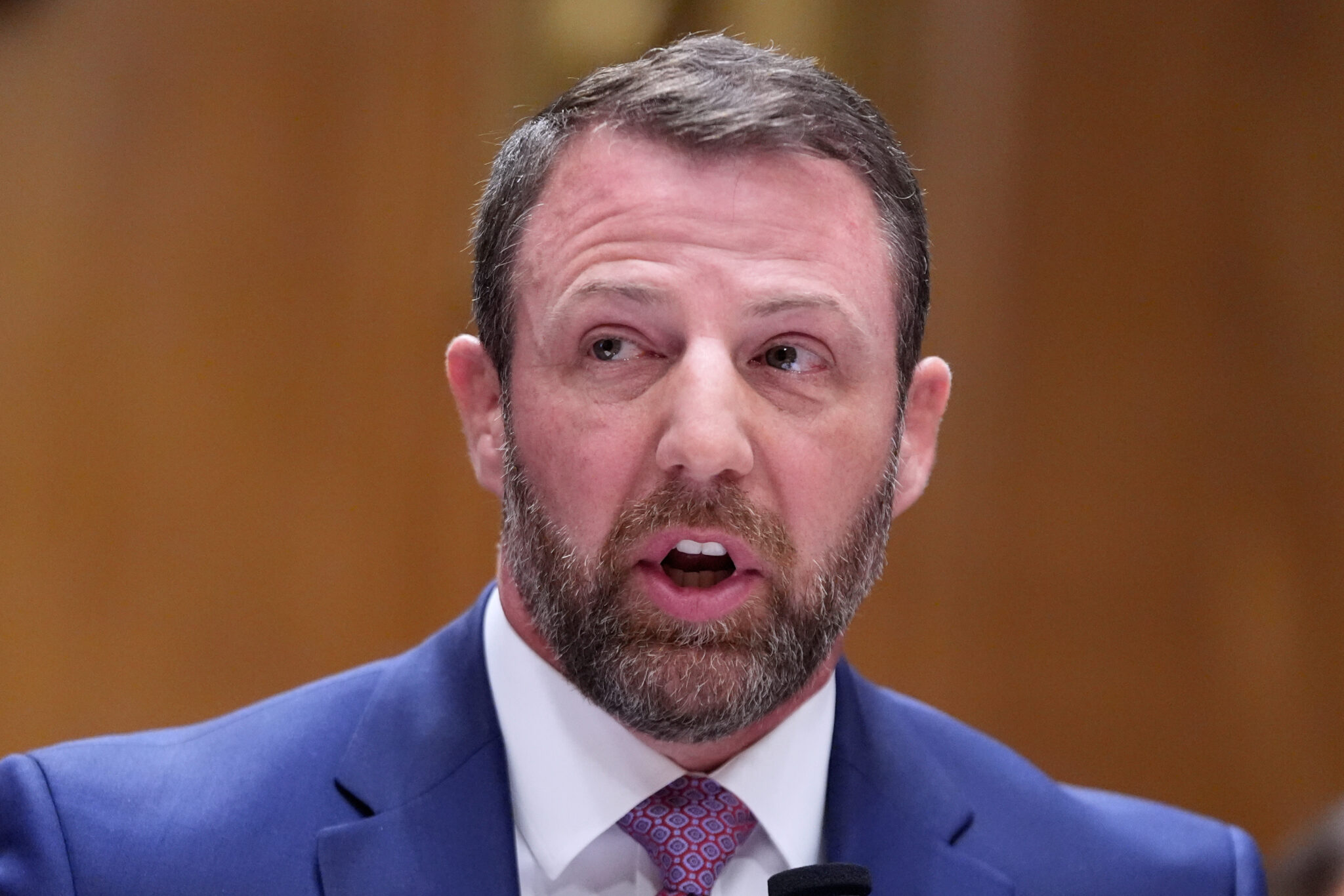
Senate Confirms Mullin As Homeland Security Chief Amid TSA Standoff/ Newslooks/ WASHINGTON/ J. Mansour/ Morning Edition/ The Senate confirmed Markwayne Mullin as Homeland Security secretary. He takes office during a shutdown causing airport delays nationwide. Immigration enforcement disputes remain central to funding negotiations.
Quick Looks
- Senate confirms Markwayne Mullin 54-45
- Replaces fired Homeland Security chief Kristi Noem
- TSA staffing shortages causing long airport lines
- Immigration enforcement dispute fueling shutdown
- Mullin pledges steady leadership and policy adjustments
- FEMA reforms also expected under new leadership
Deep Look: Senate Confirms Mullin As Homeland Security Chief Amid TSA Standoff
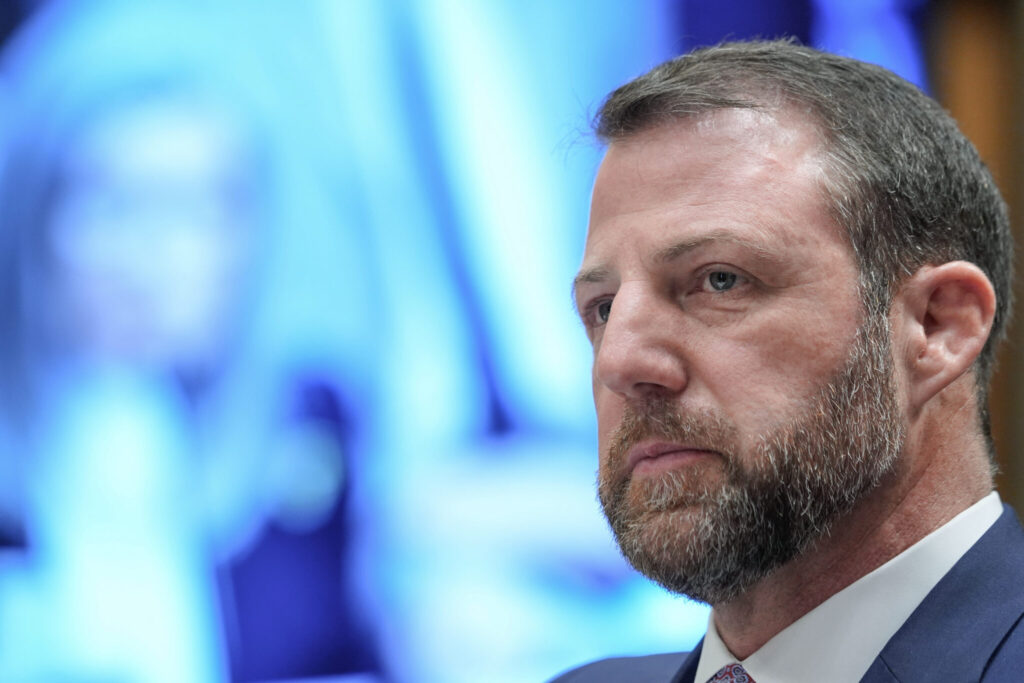
The Senate confirmed Oklahoma Republican Markwayne Mullin as secretary of Homeland Security on Monday night, placing a close ally of President Donald Trump in charge of the department amid an ongoing funding crisis and growing disruptions at U.S. airports.
Mullin was approved largely along party lines in a 54-45 vote, stepping into the role after Trump fired former Homeland Security Secretary Kristi Noem following backlash over aggressive immigration enforcement operations and mass deportation efforts.
The new secretary assumes leadership during one of the department’s most challenging periods. Funding for the Department of Homeland Security has been stalled since Feb. 14, leading to long airport lines as Transportation Security Administration employees work without pay or call in sick. The standoff has intensified pressure on lawmakers to reach a compromise.
Mullin, a former Republican senator and longtime Trump ally, attempted to project stability during his confirmation process. He said his goal would be to move the department “off the front page” and focus on restoring operational stability.
Despite more than a decade in Congress and experience running a family plumbing business, Mullin has not been a central figure in immigration policy. However, his strong loyalty to Trump and support for the administration’s immigration agenda played a key role in his selection.
Before entering politics, Mullin worked as a mixed martial arts fighter and collegiate wrestler. In Washington, he built relationships across party lines and developed a reputation as a negotiator, though critics question whether he will diverge from Trump’s immigration priorities.
During his confirmation hearing, Mullin acknowledged that immigration enforcement policies would remain a central challenge. Democrats have demanded significant changes, including requiring agents to identify themselves, limiting enforcement near sensitive locations, mandating body cameras and requiring judicial warrants before entering homes.
The funding impasse has centered on these demands, with Democrats refusing to approve full funding for the department without policy changes. Republicans, meanwhile, have argued that limiting immigration enforcement could weaken border security and public safety.
Mullin attempted to strike a more measured tone during his hearing, saying officers should generally obtain judicial warrants before entering homes and emphasizing that enforcement operations should be conducted responsibly. He also said cutting federal funds to so-called sanctuary jurisdictions should be used only as a last resort.
Still, observers expect Mullin to closely follow White House priorities. Trump continues to face pressure from conservative allies to fulfill campaign promises to significantly increase deportations.
Beyond immigration enforcement, Mullin will also oversee the Federal Emergency Management Agency at a time when disaster response operations are under scrutiny. Critics have argued that previous leadership slowed emergency response efforts, particularly after hurricanes and other natural disasters.
Mullin signaled he would take a different approach, including reversing policies requiring the secretary’s personal approval for certain disaster contracts. He also rejected proposals to eliminate FEMA, indicating support for maintaining federal disaster response capabilities.
Some lawmakers expressed confidence in Mullin’s leadership. Senate Republican leaders praised his experience and pledged that he would bring stability to the department.
Others remained skeptical, arguing that his close ties to Trump could limit his independence at a time when the department faces major policy and operational challenges.
Mullin now faces immediate pressure to resolve the funding crisis, restore TSA staffing levels and manage immigration enforcement debates — all while overseeing disaster response and broader homeland security responsibilities.
His leadership begins at a pivotal moment, with airport delays mounting, political tensions rising and the department under intense public scrutiny.



You must Register or Login to post a comment.