

Senate Democrats Push War Powers Vote On Cuba/ Newslooks/ WASHINGTON/ J. Mansour/ Morning Edition/ Democratic senators introduced a war powers resolution aimed at preventing U.S. military action against Cuba without congressional approval. The measure responds to President Donald Trump’s remarks about a possible “takeover” of the Caribbean nation. Lawmakers say the proposal would reaffirm Congress’ constitutional authority to decide when the U.S. enters war.

Senate Cuba War Powers Resolution Quick Looks
- Democratic senators filed legislation to block U.S. military action against Cuba without Congress’ approval.
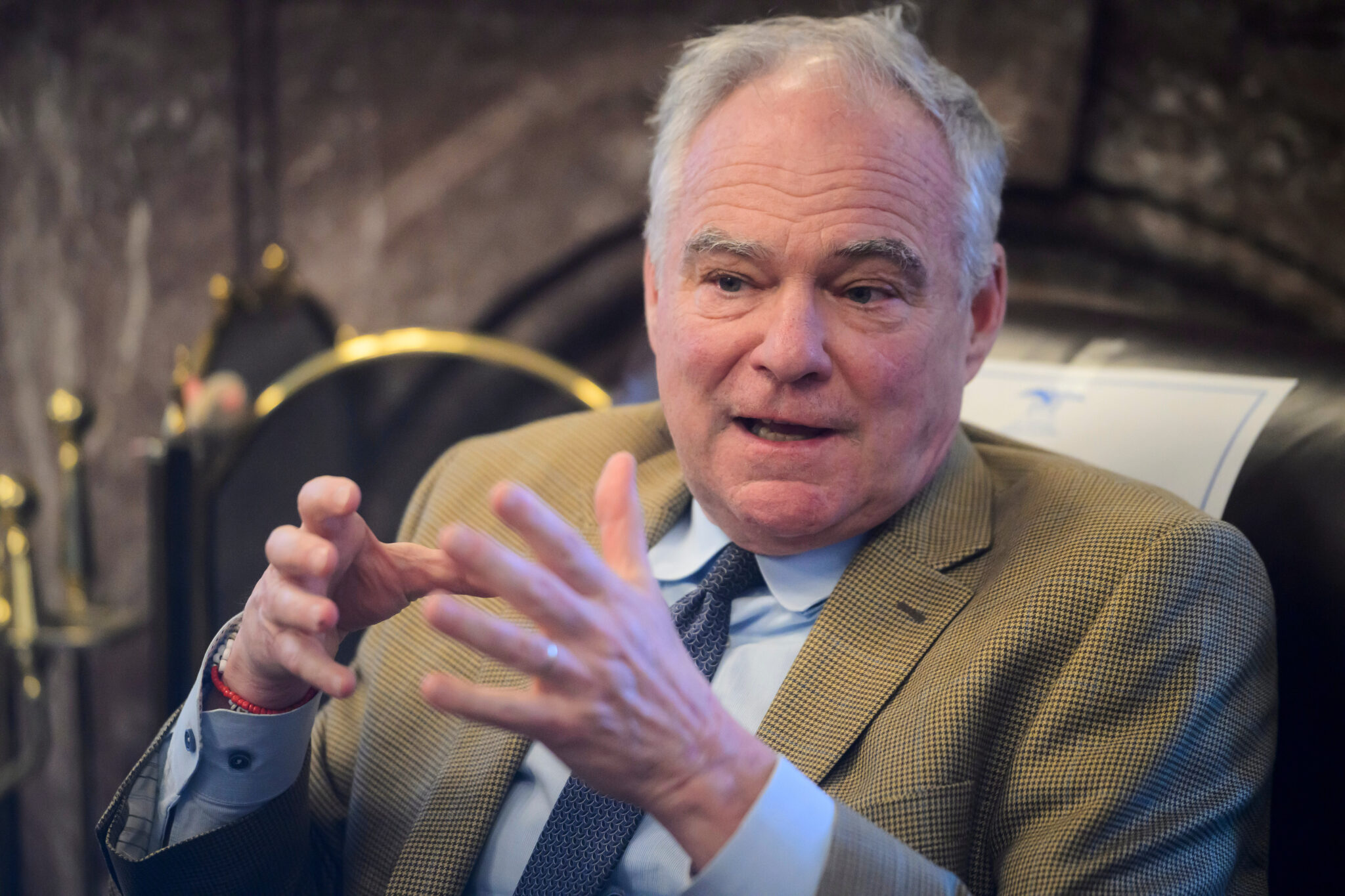
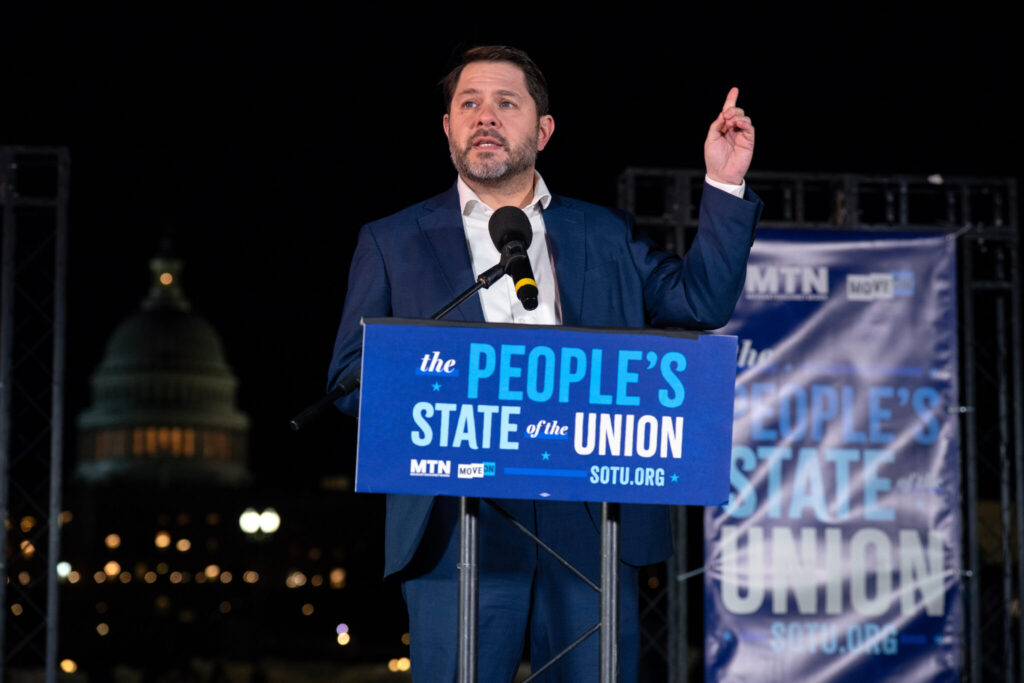
- The measure was introduced by Sens. Tim Kaine, Ruben Gallego, and Adam Schiff.
- It comes after President Donald Trump suggested a possible “takeover” of Cuba.
- The resolution could force a Senate vote before the end of the month.
- Democrats say the Constitution gives Congress—not the president—the authority to declare war.
- The proposal is part of broader efforts to challenge Trump’s foreign policy decisions.
- Republicans in Congress have largely supported the administration’s aggressive approach abroad.
Deep Look
Democratic Senators File War Powers Resolution On Cuba
Democratic lawmakers in the U.S. Senate have introduced legislation designed to prevent President Donald Trump from launching military operations against Cuba without approval from Congress.
The resolution, filed by Senators Tim Kaine, Ruben Gallego, and Adam Schiff, seeks to reaffirm Congress’ constitutional authority over decisions involving war and military hostilities. If approved, the measure would require the president to withdraw U.S. forces from any conflict involving Cuba unless lawmakers explicitly authorize the action.
The move follows recent comments by Trump suggesting the United States might pursue a “takeover” of the Caribbean nation as tensions between the two countries continue.
Democrats Seek Congressional Debate
Supporters of the proposal say the resolution is intended to force lawmakers to debate the administration’s intentions toward Cuba and to ensure Congress has a say in any potential military action.
Senator Kaine said the Constitution clearly grants Congress the power to declare war. He argued that presidents should not be able to deploy U.S. forces in foreign conflicts without first seeking approval from lawmakers.
Democrats have increasingly used war powers resolutions as a strategy to challenge the administration’s foreign policy decisions. Although such resolutions rarely pass in a divided Congress, they can trigger mandatory votes and public debate on the issue.
The Cuba resolution could potentially come up for a vote before the end of March.
Trump Comments Raise Concerns
Trump recently told reporters that the United States might pursue what he described as a “friendly takeover” of Cuba, depending on negotiations with the island’s leadership.
He said Secretary of State Marco Rubio was in discussions with Cuban officials as the country struggles with a severe energy crisis.
“It may be a friendly takeover, it may not be a friendly takeover,” Trump said during a press conference in Florida.
Trump indicated that addressing Cuba could become a priority after the United States concludes its military campaign against Iran.
Longstanding Tensions With Cuba
Relations between the United States and Cuba have been strained for decades, largely shaped by Cold War politics and economic sanctions imposed by Washington.
In recent years, U.S. policy toward Cuba has fluctuated between diplomatic engagement and renewed economic pressure.
Rubio, whose family immigrated from Cuba to the United States, has long been a strong critic of the Cuban government. Earlier this year, he told senators the administration would welcome political change on the island but emphasized that Washington was not planning to directly provoke it.
Broader Foreign Policy Debate
The new resolution reflects broader disagreements in Washington over the scope of presidential authority to deploy U.S. military forces abroad.
Democrats have repeatedly introduced similar measures in response to military actions involving countries such as Iran and Venezuela. These proposals are often designed to force votes that highlight the constitutional balance of power between Congress and the White House.
While most Republicans have supported the president’s foreign policy decisions, Democrats argue that the executive branch has increasingly bypassed Congress when initiating military operations.
Additional Votes Expected
Democrats are also planning to push for votes on several other war powers resolutions in the coming weeks, particularly those related to the ongoing conflict with Iran.
Some lawmakers say they will attempt to force votes unless Republicans agree to hold public hearings examining the administration’s strategy and objectives.
Senator Gallego criticized Trump’s foreign policy approach, saying the president had promised voters an “America First” agenda but had instead embraced the positions of more hawkish members of his party.
The outcome of the Cuba resolution remains uncertain given the Republican majority in Congress. However, Democrats hope the measure will pressure the administration to explain its policies and clarify whether military action against Cuba is being considered.





You must Register or Login to post a comment.