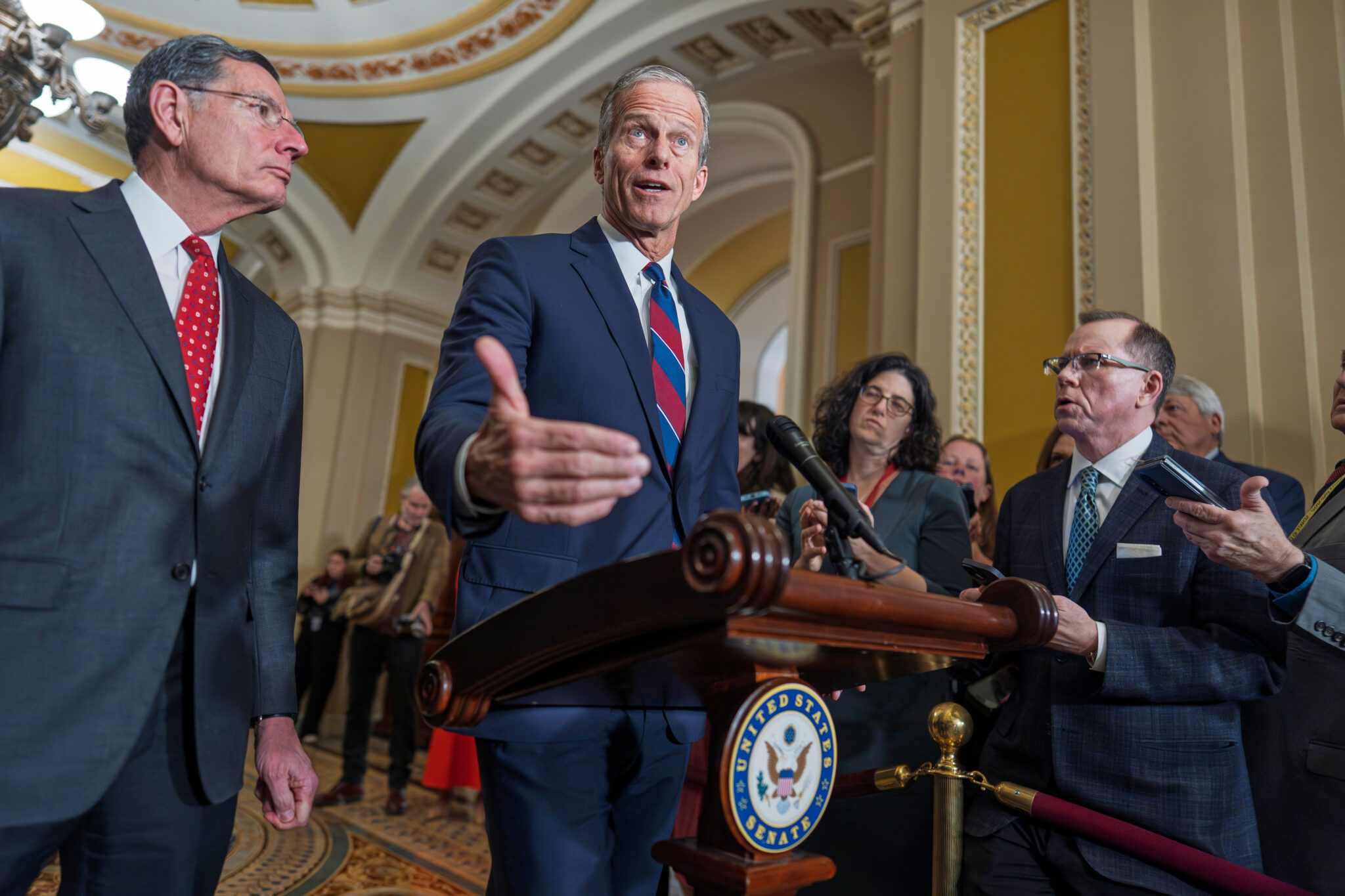
Senate Faces Partisan Health Care Showdown This Week/ Newslooks/ WASHINGTON/ J. Mansour/ Morning Edition/ The Senate is bracing for two conflicting health care votes, with each party backing a different plan. Republicans want COVID-era health subsidies replaced with savings accounts, while Democrats aim to extend tax credits. Neither proposal has bipartisan support, making failure highly likely.
Health Care Reform Debate Quick Looks:
- Senate prepares for two partisan votes on health care.
- GOP backs replacing subsidies with health savings accounts.
- Democrats push for a three-year tax credit extension.
- Neither plan is expected to pass due to party-line divisions.
- Millions could face higher premiums in January.
- Republican unity grows around Cassidy-Crapo bill.
- Democrats label the GOP proposal as ineffective.
- House Republicans remain split on the issue.
- Proposed accounts won’t cover monthly premiums.
- Moderate Democrats oppose abortion restrictions in GOP bill.
Deep Look
Senate Braces for Partisan Health Care Battle as Subsidies Expire
The U.S. Senate is on track this week for a starkly partisan standoff over health care, as Democrats and Republicans each advance competing legislation in response to the looming expiration of enhanced health subsidies introduced during the COVID-19 pandemic.
Republicans have coalesced around a new plan that would allow these subsidies to expire at the end of the year, replacing them with direct payments into health savings accounts. Democrats, meanwhile, are pushing for a three-year extension of the Affordable Care Act (ACA) tax credits. But with little chance of bipartisan cooperation, both proposals appear doomed to fail in an increasingly divided Congress.
Senate Majority Leader John Thune criticized the Democratic measure, saying it lacked sufficient reforms to curb fraud or prevent wealthy Americans from benefiting. “That legislation will fail,” Thune stated on Tuesday. His Democratic counterpart, Senate Majority Leader Chuck Schumer, dismissed the Republican bill as “phony,” claiming it is “dead on arrival.”
The political stalemate risks significantly raising health insurance premiums for millions of Americans in January. Over 24 million individuals currently benefit from the subsidies, which were expanded during the pandemic to improve affordability and access. If Congress fails to act, the burden of increased costs will fall directly on them.
GOP Unites Behind New Proposal After Years of Division
The Republican Party, which has struggled for over a decade to agree on how to replace Obamacare, is now showing rare unity in the Senate. Senators Bill Cassidy of Louisiana and Mike Crapo of Idaho introduced a plan that consolidates various Republican efforts into a single bill. Both senators chair major health-related committees and have emphasized returning power to consumers.
Ohio Sen. Bernie Moreno, who had previously proposed a modified subsidy extension, voiced support for the unified approach.
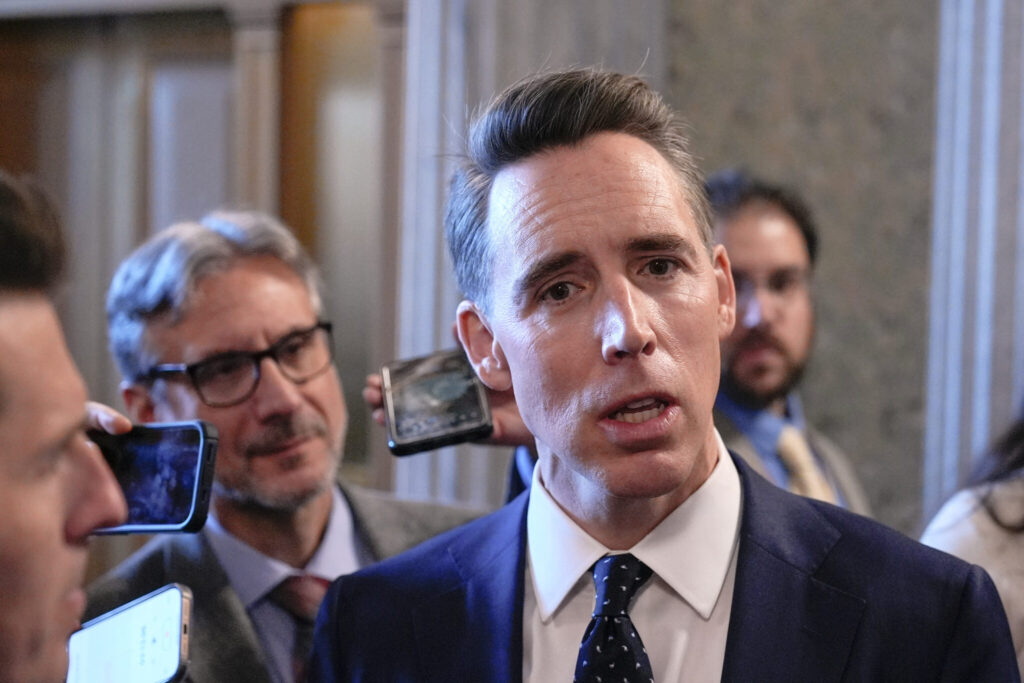
“I’m hyper-focused on Cassidy and Crapo’s legislation,” Moreno said. Missouri Sen. Josh Hawley, who introduced his own tax reduction plan, agreed, acknowledging that while the bill isn’t perfect, it offers a workable path forward.
“We can’t afford to do nothing,” Hawley said. “Lowering the cost of health care should be a priority.”
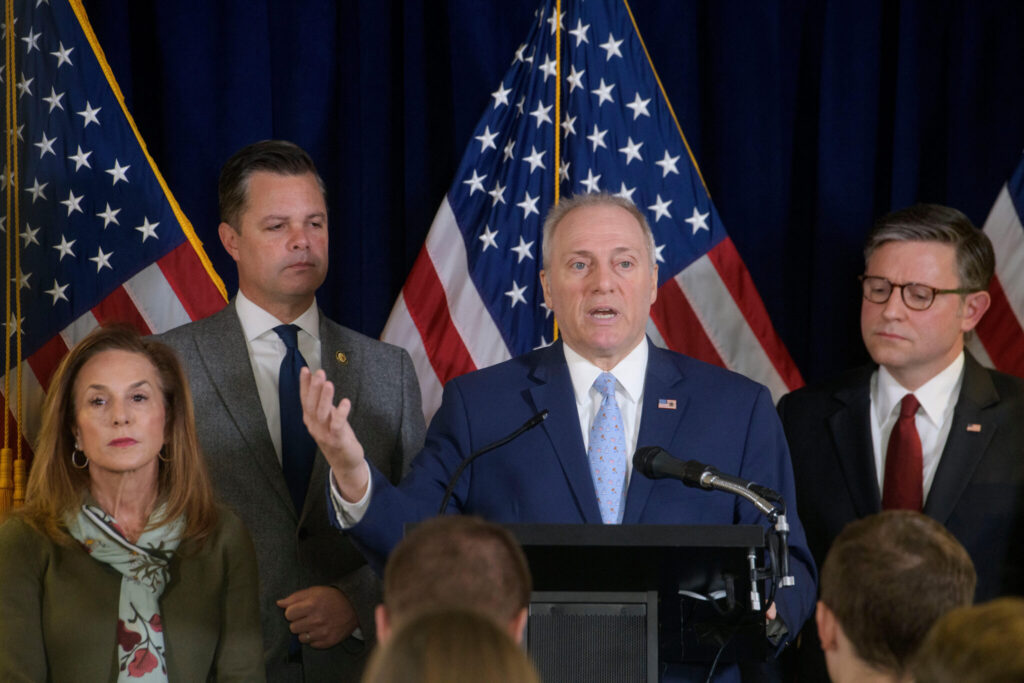
While Senate Republicans find alignment, the House tells a different story. Speaker Mike Johnson faces pressure from centrist Republicans to maintain the subsidies, albeit with added reforms. At the same time, the party’s right wing is demanding more substantial rollbacks to the ACA. House Majority Leader Steve Scalise indicated that leadership would present several options for potential votes next week.
Health Savings Accounts: Central to GOP Proposal
The Cassidy-Crapo bill would end the expanded subsidies and instead direct payments into health savings accounts for those enrolled in lower-premium, higher-deductible plans. The program would last two years and benefit enrollees earning under 700% of the federal poverty level.
Eligible individuals aged 18–49 would receive $1,000 annually, while those aged 50–64 would receive $1,500. These funds could be used for out-of-pocket medical expenses such as deductibles or co-pays, or for other approved health purchases. However, the money could not be applied toward monthly insurance premiums—a critical detail that has drawn criticism.
Supporters argue that direct payments offer more autonomy and reduce fraud, referencing a Government Accountability Office report that highlighted vulnerabilities in the current system. Republicans also see the plan as more fiscally responsible, aligning with former President Donald Trump’s push for consumer-directed care.
However, the bill includes new restrictions on ACA funds being used for abortion services, a non-starter for many Democrats who say they would otherwise be open to negotiating on the issue.
Analysts Warn of Gaps in GOP Plan
Critics, particularly among Democrats, argue that the Republican proposal disproportionately affects lower-income Americans. The requirement to enroll in higher-deductible plans could result in significant out-of-pocket costs, especially for those with ongoing medical needs.
Sen. Ron Wyden of Oregon, the top Democrat on the Senate Finance Committee, accused Republicans of promoting inadequate coverage. “Middle-class Americans will be stuck with sky-high premiums while Big Insurance profits off junk plans,” he said. “Instead of stopping a health cost crisis, Republicans are selling snake oil.”
With January fast approaching and both parties standing firm, millions of Americans are caught in a policy limbo. Despite the political theater and finger-pointing, neither party appears willing to budge, pushing the issue into the upcoming election year with high stakes and unresolved consequences.