Senate Rejects Venezuela War Powers Bill Under Trump Pressure/ Newslooks/ WASHINGTON/ J. Mansour/ Morning Edition/ The Senate rejected a war powers resolution limiting Trump’s authority in Venezuela after two GOP senators reversed their votes. Trump pressured Republicans ahead of the vote, reinforcing his control over the party. The outcome highlights rising concerns over unchecked presidential military power.
Venezuela War Powers Defeat Quick Looks
- Senate dismisses resolution limiting Trump’s military action in Venezuela
- Republicans Josh Hawley and Todd Young switch votes after Trump pressure
- Vice President JD Vance casts tie-breaking vote to block the bill
- Resolution follows U.S. capture of Venezuelan leader Nicolás Maduro
- GOP senators cited assurances from Secretary of State Marco Rubio
- Redacted DOJ memo claims no plans for extended U.S. military campaign
- Trump’s mixed justifications include law enforcement and counternarcotics
- Critics say failure to pass resolution could lead to endless war
- Democrats vow further war powers votes, including over Greenland
- Poll: Majority of Americans say Trump goes too far with military
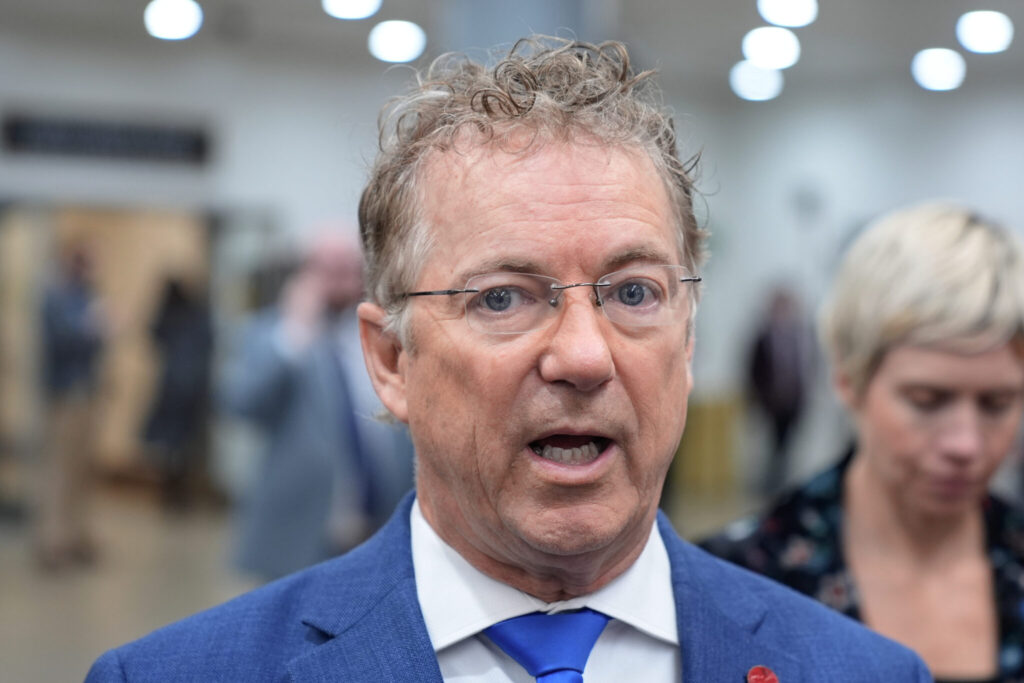
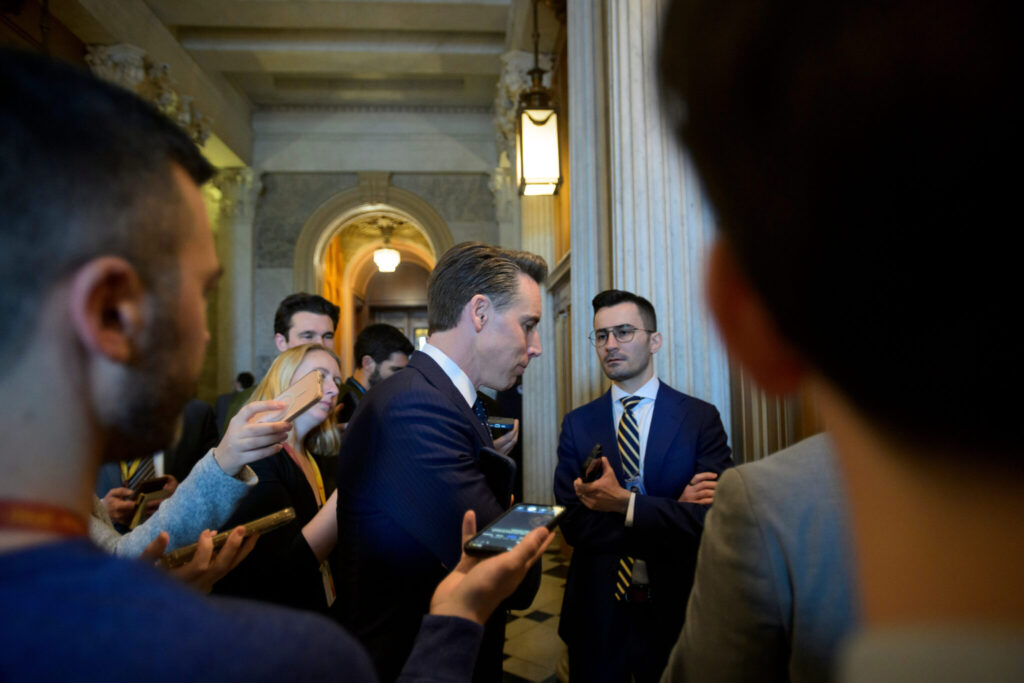
Senate Rejects Venezuela War Powers Bill Under Trump Pressure
Deep Look
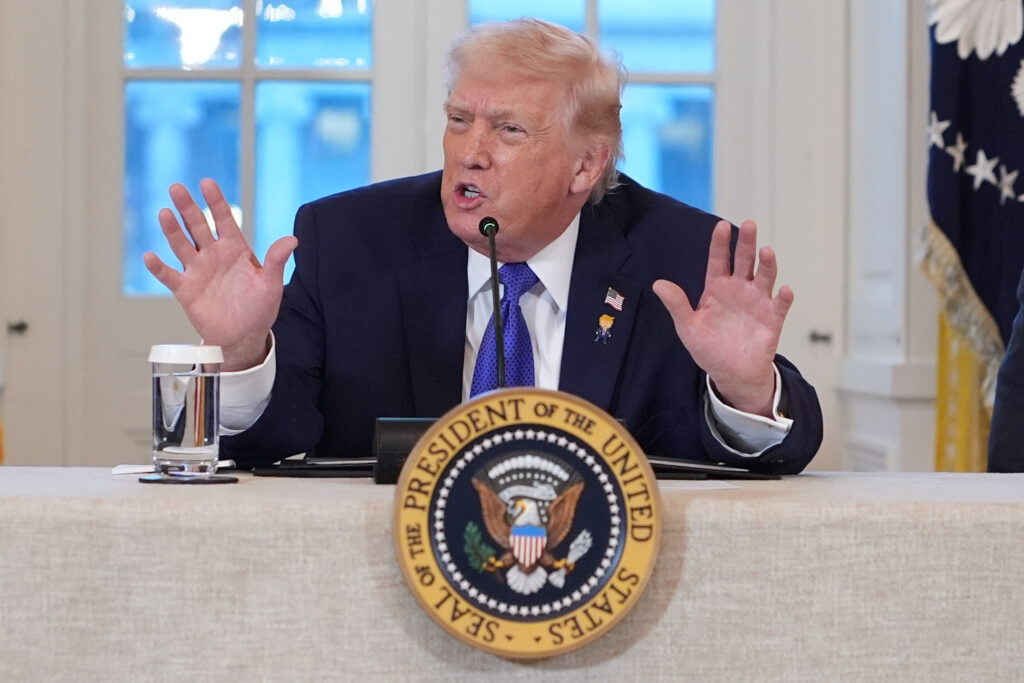
WASHINGTON (AP) — A war powers resolution that aimed to limit President Donald Trump’s authority to conduct further military actions in Venezuela failed in the Senate on Wednesday, as two Republican senators reversed their earlier support amid intense White House pressure. The shift allowed Republicans to block the resolution and maintain Trump’s expansive foreign policy leeway.
Vice President JD Vance broke a 50-50 tie on a Republican motion to dismiss the bill, delivering Trump a significant political victory and reaffirming his strong grip on the GOP Senate conference. Despite mounting concerns in Congress over the administration’s recent foreign policy actions, the final vote highlighted how loyalty to Trump continues to shape legislative outcomes.
Democrats had forced the vote in the wake of a surprise U.S. raid that resulted in the capture of Venezuelan leader Nicolás Maduro earlier this month — an operation that Trump celebrated as a triumph.
“Here we have one of the most successful attacks ever and they find a way to be against it. It’s pretty amazing. And it’s a shame,” Trump said Tuesday in Michigan, also mocking GOP senators who had backed the resolution.
Trump reserved special scorn for Sens. Rand Paul (KY), Lisa Murkowski (AK), and Susan Collins (ME), calling them “a stone cold loser” and “disasters.” Despite his insults, all three remained in favor of limiting the president’s military power.
The legislation was largely symbolic, as even if it had passed the Senate, Trump was expected to veto it. But it marked a key test of how far congressional Republicans were willing to go in challenging Trump’s ability to unilaterally use military force.
Key Republican Reversals
Sen. Josh Hawley of Missouri, who supported the measure last week, reversed course after private phone calls with both Trump and Secretary of State Marco Rubio. Hawley said Trump argued the resolution “really ties my hands,” while Rubio assured him there would be no deployment of U.S. ground troops in Venezuela.
“I’m satisfied that the administration will follow constitutional norms if further action is needed,” Hawley said, citing Rubio’s promises and a Justice Department memo released Wednesday.
Sen. Todd Young of Indiana also backed away from the resolution, noting that he had been promised a public hearing featuring Rubio and was shown a letter affirming Trump would seek congressional authorization for any “major military operations” in Venezuela.
The DOJ memo, although heavily redacted, reinforced the administration’s claim that the capture of Maduro was a law enforcement operation, not an act of war. The memo stated the U.S. does not plan “any substantial and sustained operation that would amount to a constitutional war.”
Trump’s Legal Rationale Under Scrutiny
The Trump administration has relied on various legal frameworks to justify its actions against Venezuela. These include treating the capture of Maduro as an extradition tied to criminal charges filed in 2020 and invoking anti-terrorism powers by designating drug cartels as terrorist groups.
However, Sen. Rand Paul criticized the shifting rationale. “The bait and switch has already happened,” he said, pointing to how initial military moves were framed as anti-drug operations but later were linked to oil interests and regime change.
Congressional Concern Over Expanding Presidential Power
Even with the resolution’s defeat, growing bipartisan concern remains about Trump’s increasingly aggressive foreign policy. In addition to Venezuela, Trump has publicly floated the possibility of using military force to seize Greenland from Denmark — a NATO ally — and has issued vague promises of support to Iranian protesters.
Democrats and some Republicans see these moves as overreaches of presidential authority that threaten to bypass constitutional checks.
“What happened tonight is a roadmap to another endless war,” Senate Majority Leader Chuck Schumer said after the vote.
Polling data reflects the public’s unease: a new AP-NORC survey found that more than half of U.S. adults believe Trump has “gone too far” in using the military to intervene in other nations.
Meanwhile, tensions with Denmark escalated after the country’s officials, following meetings with Vance and Rubio, said a “fundamental disagreement” over Greenland remains unresolved.
How the Resolution Was Defeated
The resolution, originally advanced with the support of five Republicans, was expected to spark full debate and a final vote. But once Hawley and Young flipped their positions, Republican leaders quickly moved to quash the legislation on procedural grounds.
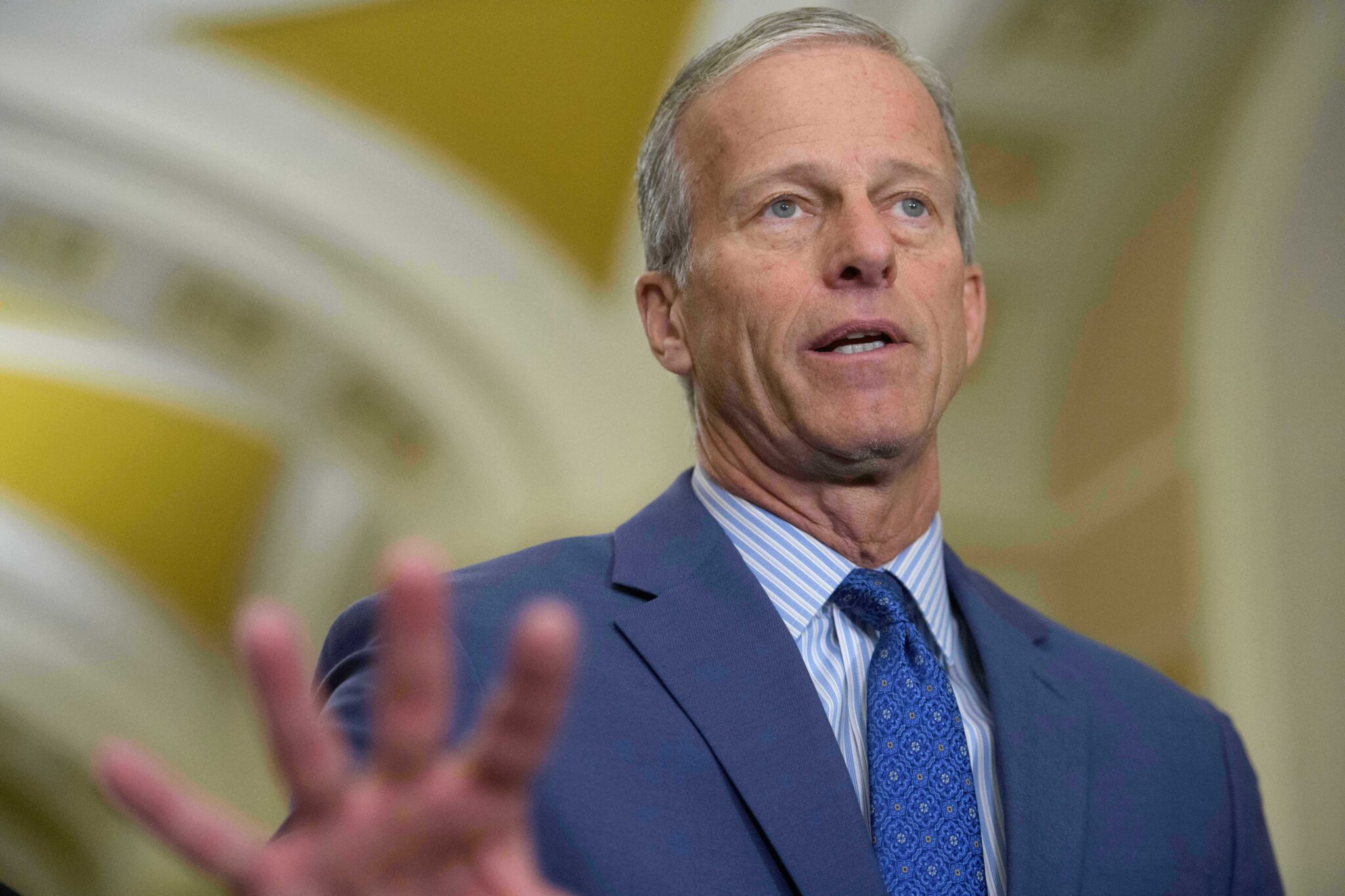
Senate Majority Leader John Thune (R-SD) argued there was no immediate need for the resolution since no large-scale U.S. troop deployments are currently active in Venezuela.
“We’re not currently conducting military operations there,” Thune said on the Senate floor. “But Democrats are taking up this bill because their anti-Trump hysteria knows no bounds.”
Democratic Sen. Tim Kaine, the resolution’s sponsor, accused Republican leaders of avoiding a real debate about war and peace.
“If this cause and if this legal basis were so righteous, the administration and its supporters would not be afraid to have this debate before the public,” Kaine said.
Kaine pledged to continue pushing similar resolutions, including one that would apply to Greenland, where Trump has stirred controversy by suggesting military action could be used to bring the territory under U.S. control.
House Democrats have already filed a parallel war powers resolution and could force a vote as soon as next week, setting up another battle over presidential war-making authority.