

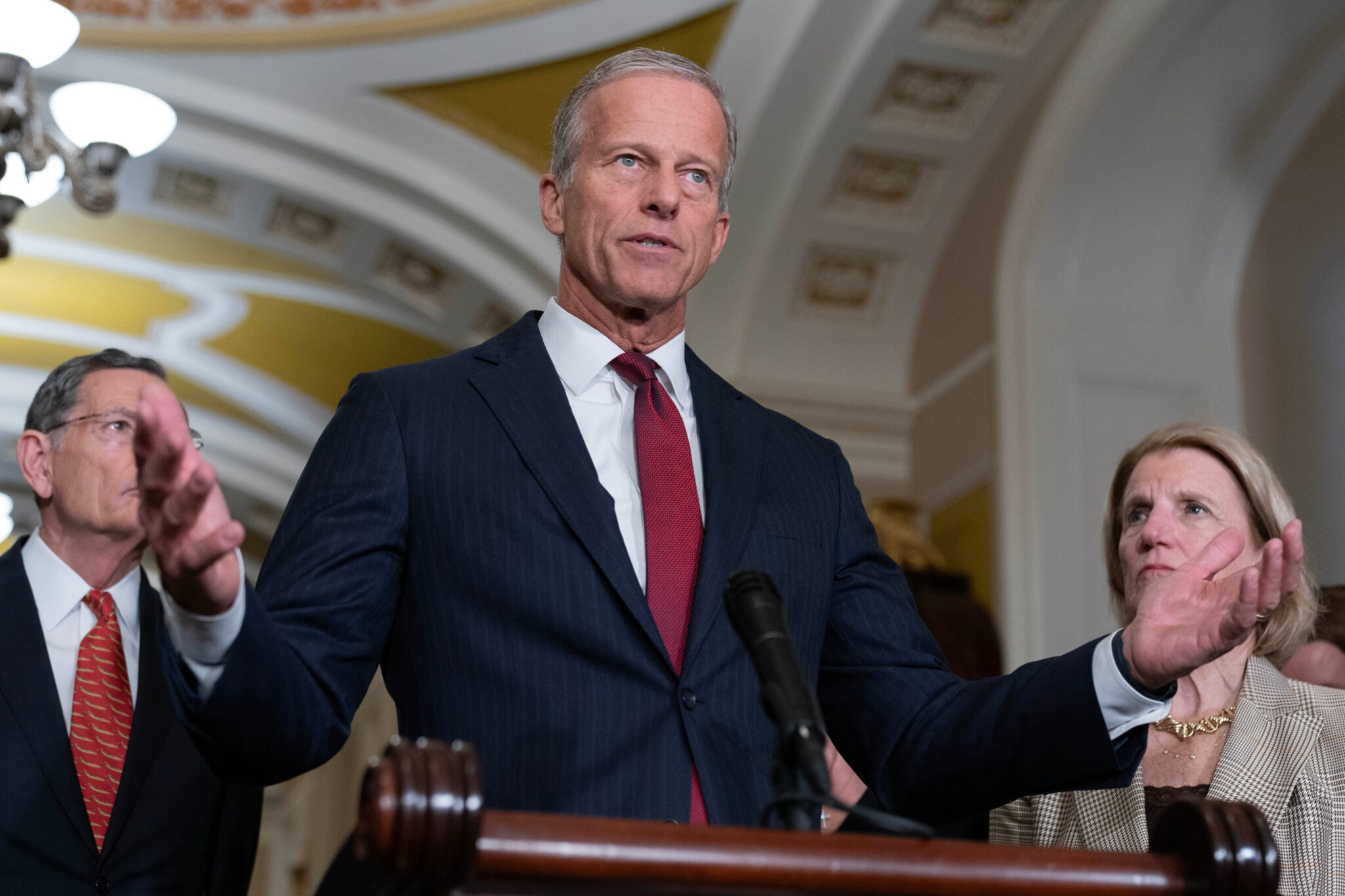
Senate Republicans Launch Extended Debate On Voting Bill/ Newslooks/ WASHINGTON/ J. Mansour/ Morning Edition/ Senate Republicans have begun a prolonged debate over a voting bill backed by Donald Trump. The legislation faces unified Democratic opposition and lacks the votes to pass. GOP leaders aim to spotlight the issue ahead of midterm elections.
Senate Voting Bill Debate Quick Looks
- Republicans launch extended Senate debate on voting bill.
- Measure requires proof of citizenship to register.
- GOP lacks 60 votes needed to advance legislation.
- Debate could last days or even weeks.
- Trump pressures lawmakers to pass the bill.
- Democrats strongly oppose new voting restrictions.
- Strategy aims to highlight issue before midterms.
- Senate vote to begin debate passed 51-48.
Deep Look: Senate Republicans Launch Extended Debate On Voting Bill
Senate Republicans have kicked off a prolonged and highly visible debate over a controversial voting bill, even as they acknowledge it is unlikely to pass.
The effort, led by Senate Majority Leader John Thune, is expected to stretch on for days — possibly longer — as lawmakers use the Senate floor to draw attention to election-related policies ahead of the upcoming midterm elections.
A political strategy despite slim odds
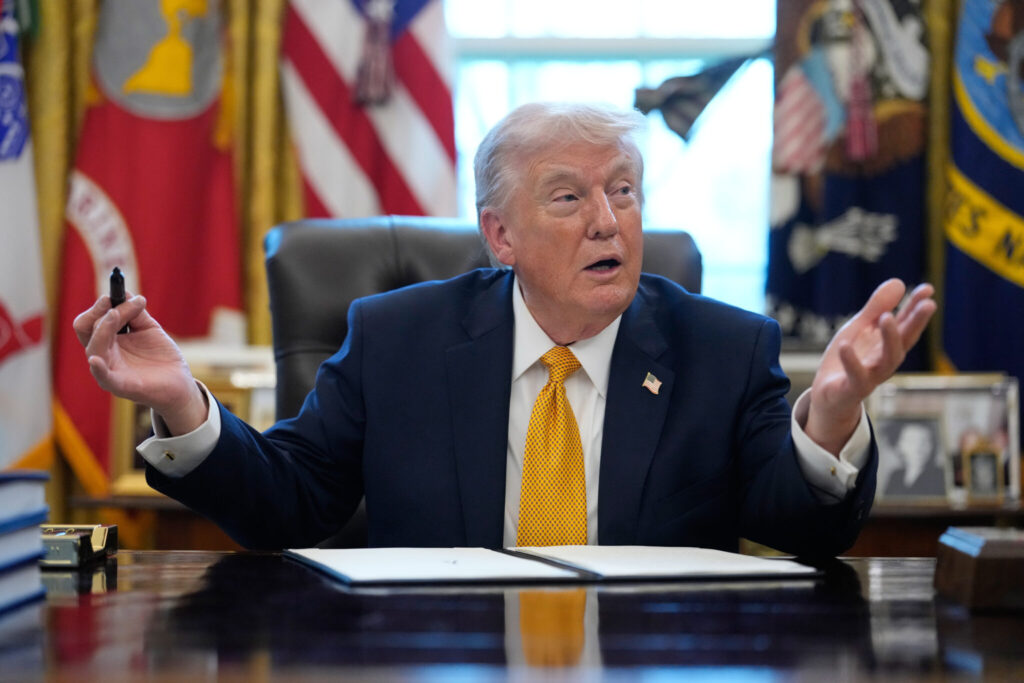
The legislation, known as the SAVE America Act, is strongly backed by Donald Trump, who has urged Congress to act quickly.
Republicans, however, face a major hurdle: they do not have the 60 votes required to overcome a filibuster in the 100-member Senate. With 53 Republican senators and unified opposition from Democrats and allied independents, the bill is expected to fail when it eventually comes to a vote.
Despite that, GOP leaders are proceeding with a high-profile debate intended to put political pressure on Democrats and energize voters.
“This will put Democrats on the record,” Thune said, suggesting the debate itself carries political value regardless of the outcome.
What the bill proposes
The proposed legislation would introduce sweeping changes to federal election rules, including:
- Requiring proof of U.S. citizenship to register to vote
- Mandating voter identification at polling places
- Creating penalties for election workers who register voters without proper documentation
- Expanding federal oversight of voter registration data
Trump has also pushed for additional provisions, such as restricting mail-in voting.
He has framed the bill as essential to securing Republican victories in upcoming elections, warning that he may withhold support for other legislation until it is passed.
Democrats push back
Democrats have firmly opposed the measure, arguing that it would make voting more difficult for millions of Americans.
Chuck Schumer said the bill is less about voter identification and more about removing eligible voters from the rolls.
Opponents argue that:
- Noncitizen voting is already illegal and rare
- Many Americans lack easy access to required documents
- The rules could disproportionately affect young voters, married women, and lower-income populations
Democrats also warn that expanded federal involvement could lead to large-scale purges of voter rolls.
A drawn-out Senate showdown
Rather than pursuing procedural tactics like a traditional filibuster, Republicans are opting for a sustained floor presence — delivering speeches and extending debate time to keep the issue in the spotlight.
Democrats are expected to respond with their own procedural strategies, potentially forcing late-night votes and keeping senators in Washington for extended periods.
Mike Lee said the outcome remains uncertain and may evolve as the debate unfolds.
High stakes for both parties
The extended debate underscores the growing importance of election policy as a central political issue heading into the midterms.
For Republicans, the strategy is about demonstrating commitment to election integrity and aligning with Trump’s priorities.
For Democrats, it is an opportunity to argue that voting rights are under threat and mobilize opposition.
Even without a clear path to passage, the debate is expected to shape the political narrative in the weeks ahead — turning the Senate floor into a stage for one of the most contentious issues in American politics.






You must Register or Login to post a comment.