Senate to Vote on Reining in Trump’s War Powers After Venezuela Raid/ Newslooks/ WASHINGTON/ J. Mansour/ Morning Edition/ The Senate is preparing to vote on a resolution that would restrict President Trump’s authority to launch further military actions against Venezuela. The move follows a surprise U.S. raid capturing Venezuelan President Nicolás Maduro. Lawmakers are also expressing concern over Trump’s hints at targeting Greenland.
Trump Venezuela Raid Quick Looks
- Senate to vote on limiting Trump’s future military action in Venezuela
- Resolution follows U.S. raid capturing Venezuelan leader Nicolás Maduro
- Trump seeks control over Venezuela’s oil and government infrastructure
- Democrats push for war powers oversight; Republicans largely supportive
- Some GOP senators remain undecided or demand congressional approval for future actions
- Trump’s global ambitions extend to Greenland, prompting bipartisan alarm
- Debate rekindles controversy over War Powers Act and executive authority
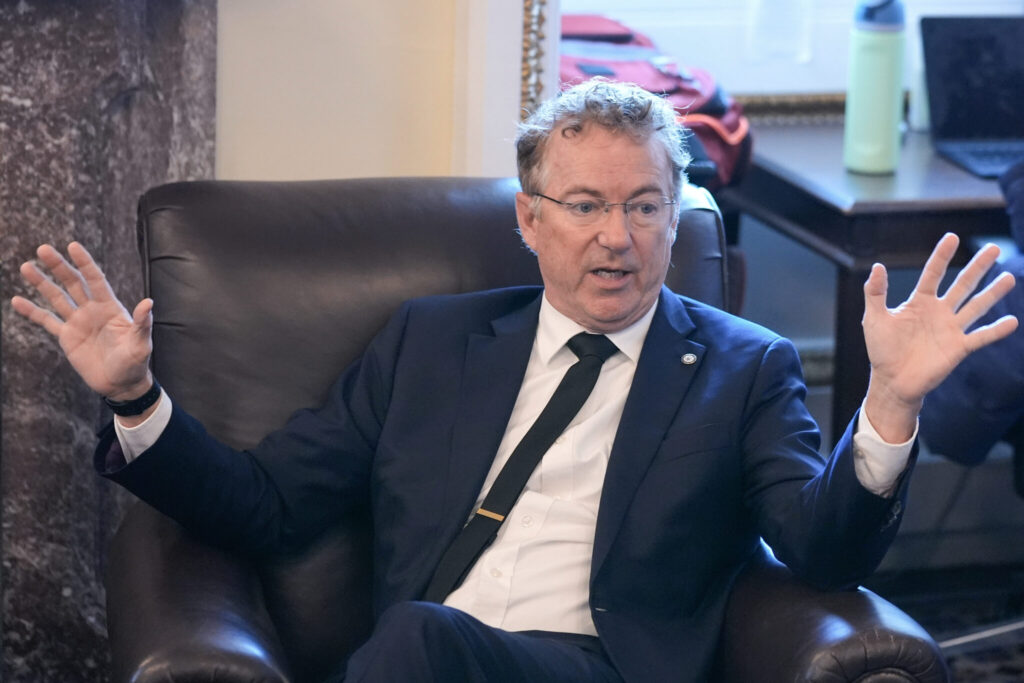
Senate to Vote on Reining in Trump’s War Powers After Venezuela Raid
Deep Look
In a pivotal move reflecting growing tension over presidential war authority, the U.S. Senate is set to vote Thursday on a resolution that would curtail President Donald Trump’s ability to carry out further military operations against Venezuela. The resolution marks a direct response to a surprise nighttime raid ordered by Trump, in which U.S. forces seized Venezuelan President Nicolás Maduro and his wife, Cilia Flores.
The operation, which took place Saturday morning, shocked many in Congress—especially since Republican leadership admitted they were not informed in advance. While top administration officials provided classified briefings after the raid, the lack of transparency has reignited debates over the balance of power between the executive branch and Congress in matters of war.
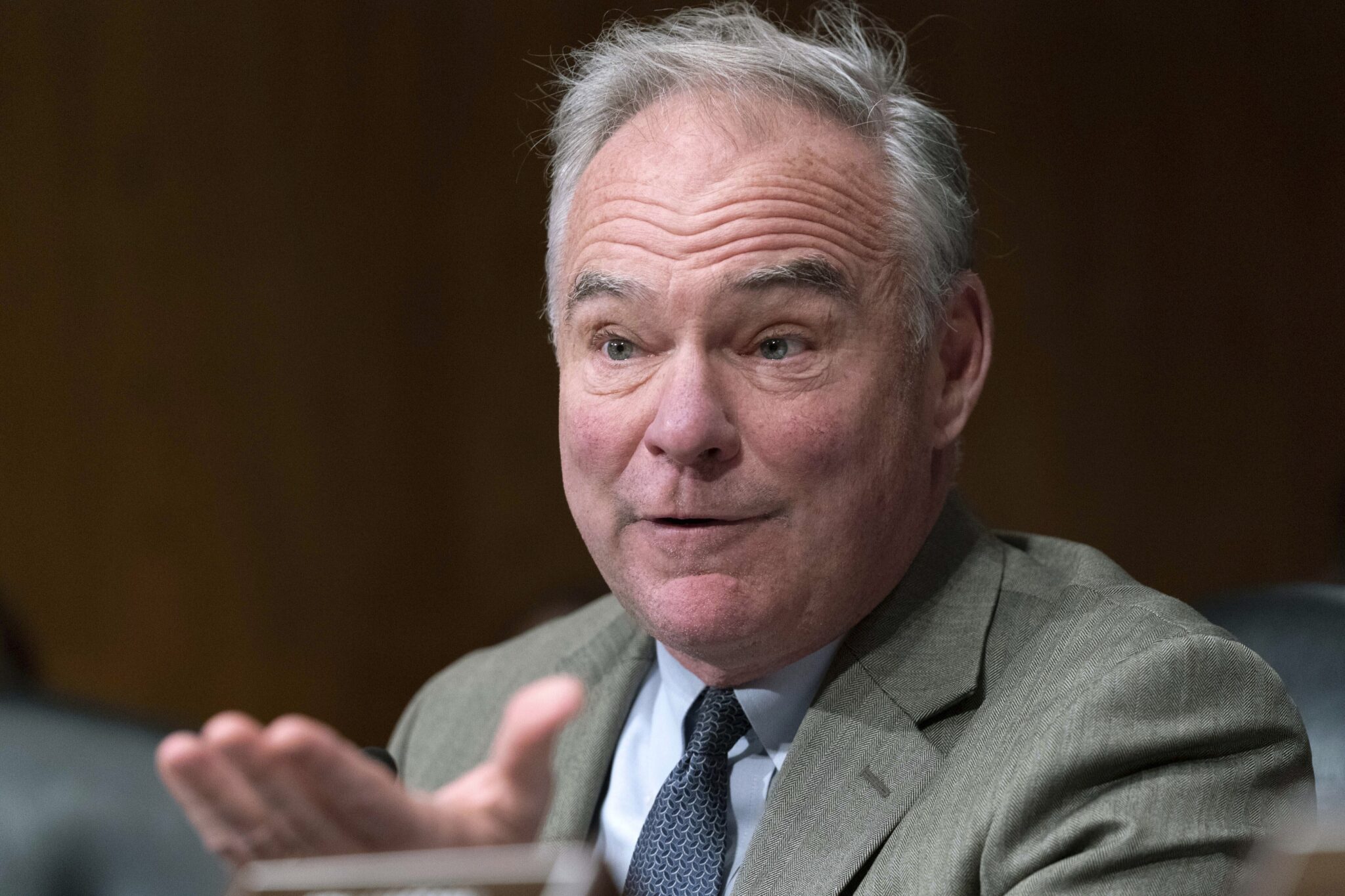
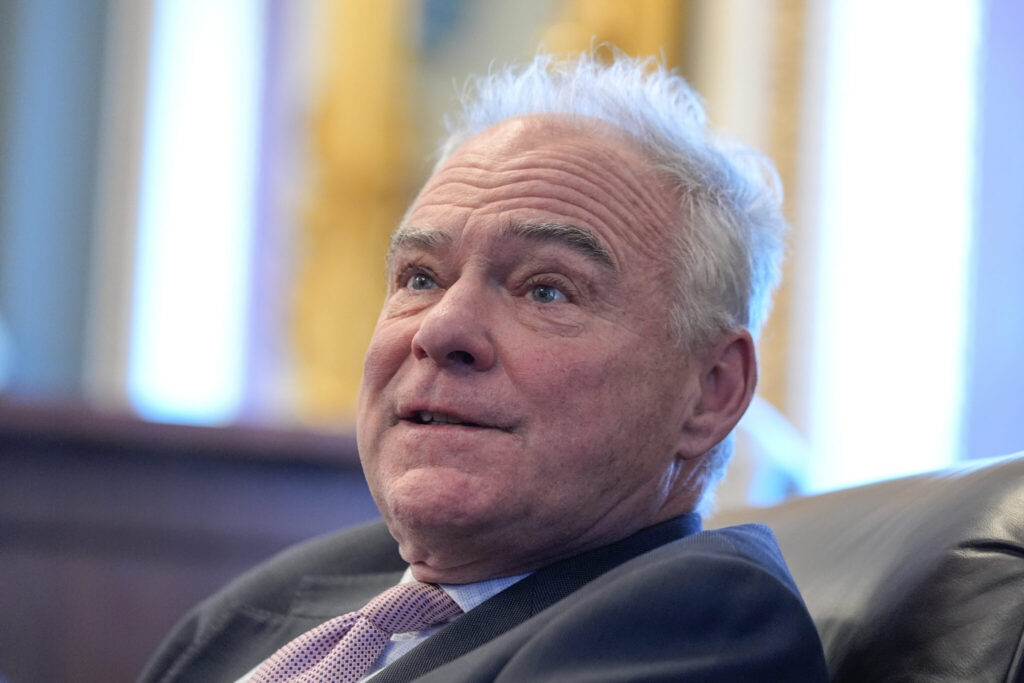
Senator Tim Kaine, Democrat of Virginia, spearheaded the push for a vote. “It’s time for Congress to assert its control over military action of this kind,” Kaine said. “This needs to be brought into the light, not conducted in secrecy.”
The raid was the most aggressive move yet in Trump’s months-long campaign targeting Venezuela’s leadership and oil infrastructure. The administration’s shifting legal justifications—ranging from counterterrorism to law enforcement—have raised eyebrows across the political spectrum. Some argue the seizure of Maduro signals a deeper effort to impose regime change, an accusation the administration has not directly denied.
Senate Majority Leader John Thune of South Dakota voiced support for Trump, emphasizing that the president’s actions demonstrate a commitment to peace through strength. “I think Venezuela got that message loudly and clearly,” Thune said.
Yet cracks in Republican unity are emerging. Senators Susan Collins of Maine and Thom Tillis of North Carolina, both known for occasionally bucking party lines, signaled hesitation. Tillis stated he was focused on ensuring the U.S. doesn’t become entangled in a long-term occupation.
“We have a history of going in, liberating and leaving,” he said. “I’m interested in the leaving part.”
A similar war powers resolution narrowly failed to pass in November. At that time, Senators Rand Paul of Kentucky and Lisa Murkowski of Alaska were the only Republicans to support it. Paul reiterated his concern this week, arguing that while Maduro may be a dictator, the decision to use military force should rest with Congress, not the president.
Democrats are using the Venezuela operation to highlight Trump’s growing foreign policy ambitions, which now include speculation about a military takeover of Greenland. The White House has acknowledged military options are being considered regarding the world’s largest island, despite its ties to NATO ally Denmark.
Senator Chuck Schumer of New York, the Democratic leader, criticized Trump’s priorities. “The American people are asking what the hell is going on in Venezuela and why is this president, who campaigned on ‘America First,’ now spending all his time and energy on escapades overseas?” Schumer asked during a floor speech.
Senator Ruben Gallego of Arizona said he’s drafting legislation to block Trump from launching any military operation against Greenland without congressional approval.
He warned, “We must stop him before he invades another country on a whim. No more forever wars.”
Senator Kaine echoed this concern, announcing plans to introduce separate war powers resolutions covering Greenland, Cuba, Mexico, Colombia, and Nigeria—all places reportedly under consideration in Trump’s foreign policy playbook.
The debate has brought new scrutiny to the War Powers Resolution of 1973, a law passed in the wake of the Vietnam War to rein in presidential military authority. Although presidents are required to notify Congress within 48 hours of military deployment and end unauthorized action within 60 to 90 days, these rules have been routinely bypassed.
Critics argue that Trump’s second term, aided by a Republican-controlled Congress, has pushed these limits further than ever before. Notably, Trump has communicated more frequently with energy executives than congressional leaders, a fact that has angered many lawmakers.
Senator Lindsey Graham of South Carolina, a close ally of the president, defended the administration’s broad view of executive power.
“The commander in chief is the commander in chief. They can use military force,” Graham said, even endorsing potential military action in Greenland.
That remark triggered swift pushback. Senator Tillis, co-chair of the Senate NATO Observer Group, denounced White House officials who publicly floated the idea of taking Greenland by force.
“This nonsense is a distraction from the good work the president is doing,” Tillis said, calling the comments “amateurish” and demanding accountability for those promoting such ideas.
The upcoming Senate vote represents more than a debate over Venezuela. It is shaping into a defining moment for how far a U.S. president can go in deploying military power without congressional input. While it remains uncertain whether the resolution will pass, its introduction reflects increasing discomfort—on both sides of the aisle—over unchecked executive authority in matters of war and peace.
As the Trump administration presses forward with its international agenda, and rumors of future operations swirl, Congress appears poised for a confrontation over war powers that could redefine the boundaries of U.S. military policy for years to come.