

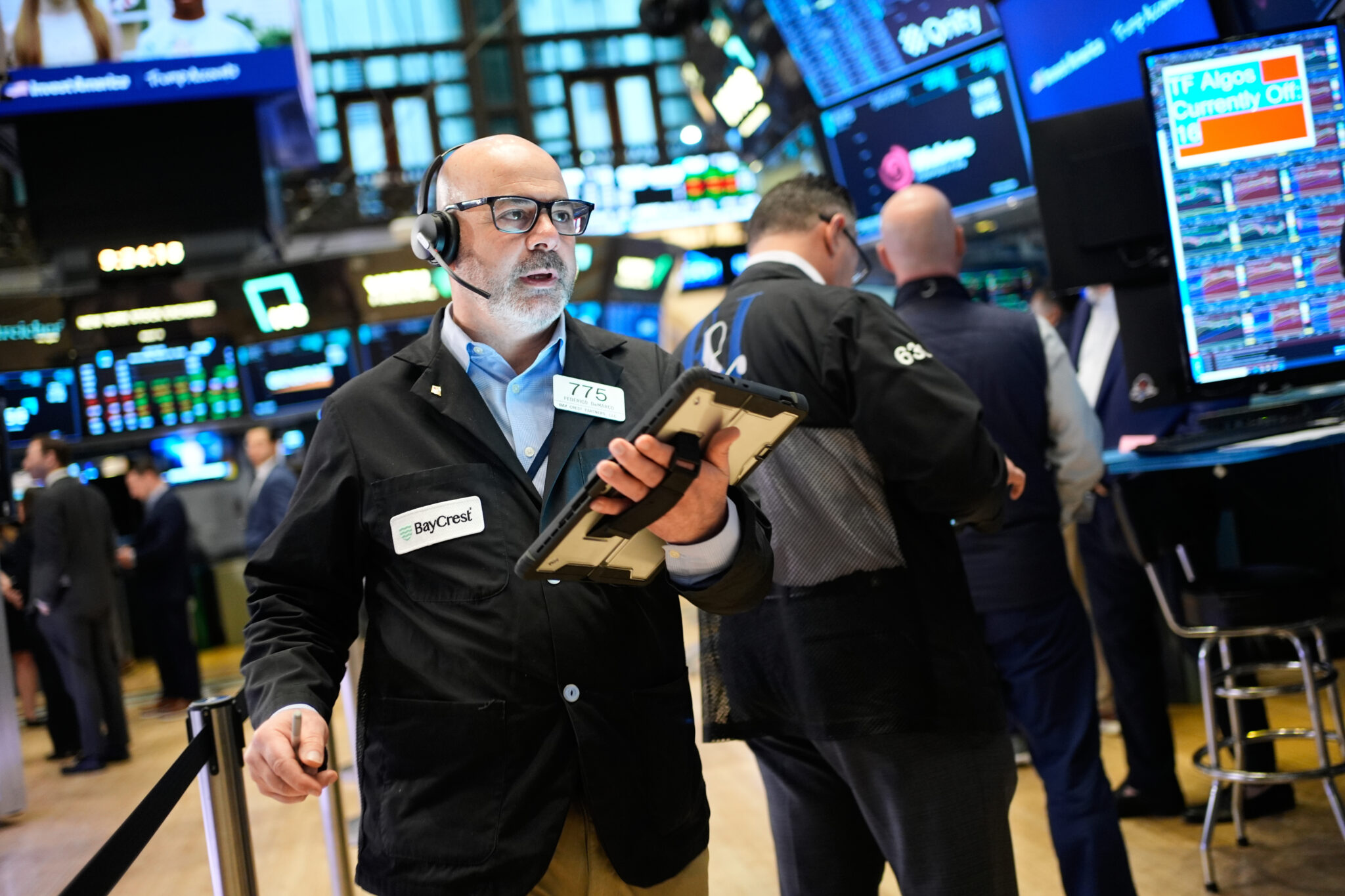
Stocks Fall, Oil Rises Despite Trump Iran Delay/ Newslooks/ WASHINGTON/ J. Mansour/ Morning Edition/ U.S. stocks fell as oil prices climbed amid ongoing Iran war tensions. Trump’s latest delay on military action failed to reassure investors. Rising oil prices are fueling inflation fears and economic uncertainty.

Stocks Fall Amid Iran War + Quick Looks
- S&P 500 falls for fifth straight week
- Dow drops over 400 points Friday morning
- Oil prices climb above $100 per barrel
- Trump extends Iran deadline to April 6
- Markets unimpressed by diplomatic signals
- Inflation fears grow with rising fuel costs
- Treasury yields climb, mortgage rates increase
- Big Tech stocks lead market declines
Deep Look: Stocks Fall and Oil Prices Rise Despite Trump Delay
NEW YORK — U.S. stocks fell Friday as Wall Street headed toward its fifth consecutive week of losses, the longest losing streak in nearly four years, as investors reacted to ongoing uncertainty surrounding the Iran war and rising oil prices.
The S&P 500 dropped 1%, adding to steep losses from the previous day, which marked the market’s worst decline since the conflict began. The Dow Jones Industrial Average fell 428 points, or 0.9%, while the Nasdaq composite declined 1.4% in mid-morning trading.
The declines broke a volatile pattern seen earlier in the week, when markets swung between gains and losses as investors weighed conflicting signals about diplomatic progress between the United States and Iran.
After markets closed Thursday, President Donald Trump extended his self-imposed deadline to potentially strike Iran’s power plants. The new deadline, April 6, gives Iran more time to reopen the Strait of Hormuz and allow oil tankers to pass freely.
Initially, oil prices dipped after Trump’s announcement, reflecting hopes that tensions could ease. Similar optimism had briefly lifted markets earlier in the week when Trump said U.S. and Iranian officials had held productive talks.
However, those hopes faded quickly. As trading moved from Asia to Europe and then to the United States on Friday, oil prices resumed climbing. Fighting in the Middle East continued, and Iran showed no signs of backing down. Israel also signaled that it could escalate its military operations.
Investors reacted cautiously, with analysts saying markets were becoming less responsive to diplomatic signals.
“The diplomatic dissonance this week between the U.S. and Iran dismayed investors,” said Doug Beath, global equity strategist at Wells Fargo Investment Institute. “By the end of the week, risk appetite could not withstand the fog of war.”
Jim Bianco, president of Bianco Research, echoed that sentiment, suggesting markets are now focused on concrete developments rather than rhetoric.
“Any further statements by Trump about a deal are white noise to the markets,” Bianco wrote. “Only if the Iranians say the talks are going well will it impact markets.”
Oil prices surged as concerns grew about long-term disruptions to global energy supplies. Brent crude rose 1.8% to $103.69 per barrel, up sharply from roughly $70 before the conflict began. U.S. benchmark crude climbed 3.8% to $98.04 per barrel.
The spike in oil prices has heightened fears of inflation and economic slowdown. Higher fuel costs affect transportation, shipping, and electricity generation, potentially increasing prices across the economy.
Some analysts warn that oil prices could climb even higher if the conflict drags on. Strategists at Macquarie projected that oil could reach $200 per barrel if fighting continues into the summer. For comparison, the previous record was just above $147 per barrel during 2008.
Rising gasoline prices are already impacting consumer confidence. A University of Michigan survey showed consumer sentiment fell more than expected in March, with Americans anticipating higher inflation.
Consumers now expect inflation to reach 3.8% over the next year, up from 3.4% in February. The jump represents the largest monthly increase in inflation expectations in nearly a year.
Higher inflation expectations also complicate Federal Reserve policy decisions. Investors now see little chance of interest rate cuts this year, which could otherwise support economic growth and financial markets.
Bond markets reflected those concerns. The yield on the 10-year Treasury rose to 4.43%, up from 3.97% before the conflict began. Rising yields translate into higher borrowing costs for mortgages, auto loans, and business financing.
On Wall Street, declines were widespread, with roughly 70% of stocks in the S&P 500 falling. The index has now dropped 8.1% from its all-time high earlier this year and returned to levels last seen in August.
Technology stocks were among the biggest contributors to market losses. Nvidia fell 1.8%, while Amazon dropped 2.9%, adding pressure to broader market indexes.
International markets also reflected the uncertainty. European stocks declined, while Asian markets finished with mixed results as investors monitored geopolitical developments.
With oil prices rising, inflation concerns mounting, and geopolitical tensions unresolved, investors remain cautious heading into the final trading days of the week.






You must Register or Login to post a comment.