

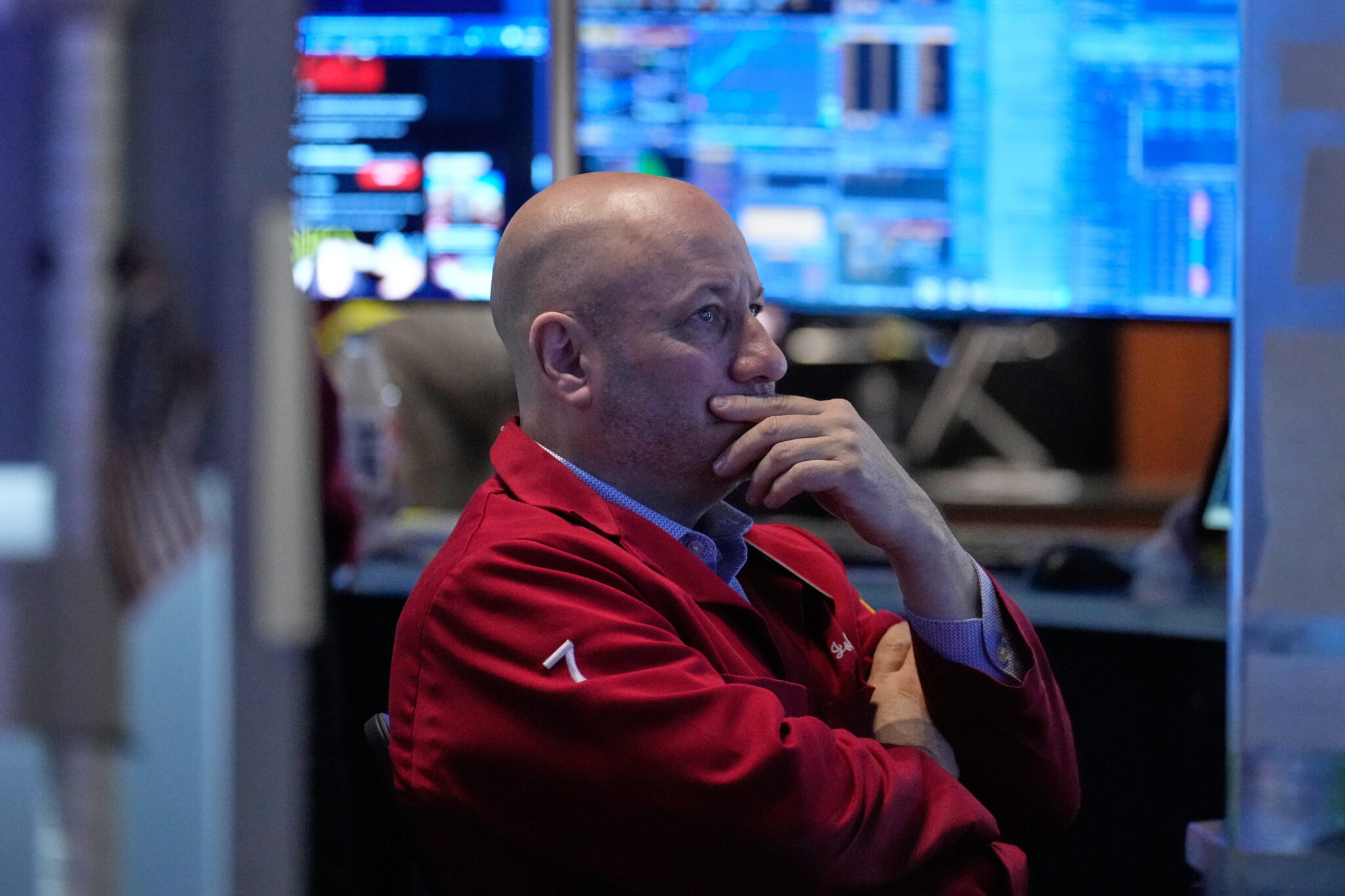
Stocks Rally, Oil Prices Plunge After Iran Ceasefire/ Newslooks/ WASHINGTON/ J. Mansour/ Morning Edition/ Global stock markets surged after a U.S.-Iran ceasefire announcement. Oil prices dropped sharply as fears of supply disruptions eased. Investors remain cautious as uncertainty over the conflict continues.
Markets Rally Iran Ceasefire Quick Looks
- Oil prices plunge toward $90
- Dow jumps more than 1,300 points
- Global markets surge after ceasefire
- Gas prices remain above $4
- Airlines and travel stocks jump
- Treasury yields decline on optimism
- Asia and Europe markets rally
- Strait of Hormuz reopening drives optimism
- Investors cautious about temporary ceasefire
- Fed rate cut expectations increase
Deep Look: Global Markets Rally After Iran Ceasefire as Oil Prices Fall
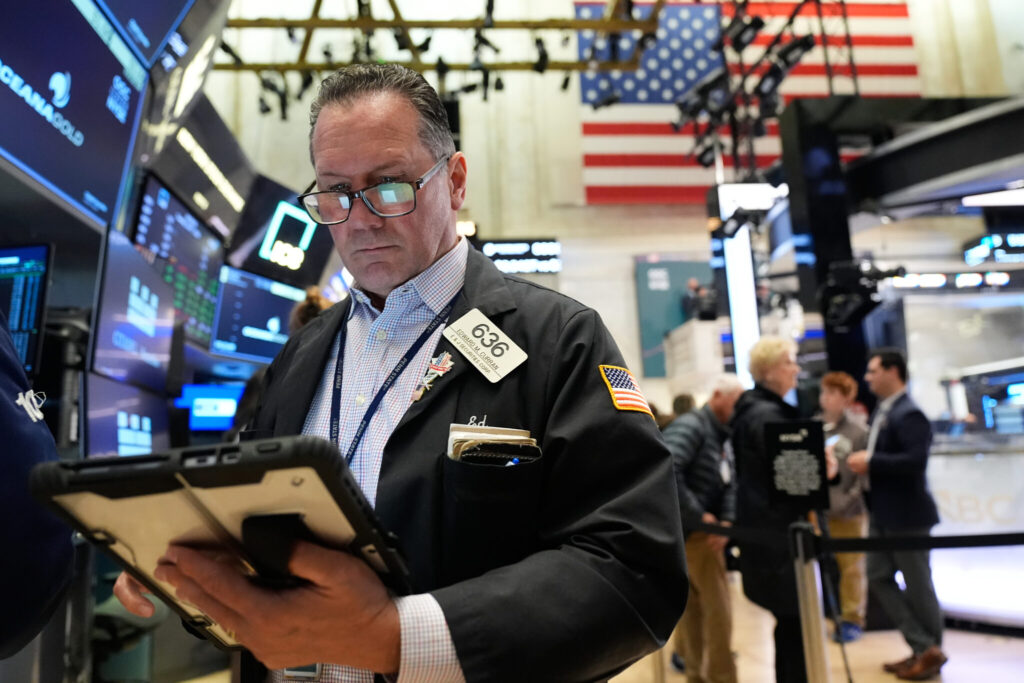
NEW YORK — Global financial markets surged Wednesday while oil prices dropped sharply following President Donald Trump’s announcement of a two-week ceasefire in the war with Iran, easing fears about disruptions to global energy supplies.
Stocks rallied across the world after Trump backed away from earlier threats to escalate the conflict, including warnings that “a whole civilization” could face destruction if Iran failed to reopen the Strait of Hormuz. The ceasefire was announced less than 90 minutes before the president’s deadline for Iran to allow oil tankers to pass through the strategic waterway.
The S&P 500 jumped 2.4%, while the Dow Jones Industrial Average surged 1,332 points, or 2.9%, by midmorning trading. The Nasdaq composite also rose 2.9% as investors reacted positively to reduced geopolitical risk.
Markets in Europe and Asia posted even larger gains, reflecting strong global optimism that the ceasefire could stabilize energy markets and reduce inflation pressures.
Oil Prices Drop Sharply
Oil prices tumbled as fears of blocked supply routes eased.
- U.S. benchmark crude fell 17.7% to $92.92
- Brent crude dropped 16.1% to $91.68
- Oil previously surged above $119 during peak tensions
The Strait of Hormuz is one of the world’s most critical energy chokepoints, carrying a significant portion of global oil shipments. Concerns that Iran could block the route had pushed prices sharply higher.
Although prices dropped, oil remains elevated compared to pre-conflict levels, reflecting ongoing uncertainty.
Gas Prices Remain Elevated
Despite falling oil prices, gasoline costs remain high for U.S. consumers.
The average price for a gallon of regular gasoline climbed to $4.16 nationwide, according to AAA. Just days before the conflict escalated in late February, gasoline prices were below $3 per gallon.
Higher fuel costs affect transportation and shipping, which can increase prices for goods across the economy.
Global Markets Rally
Stock markets worldwide surged following the ceasefire announcement:
Asia:
- South Korea’s Kospi jumped 6.9%
- Japan’s Nikkei 225 rose 5.4%
- Hong Kong’s Hang Seng gained 3.1%
Europe:
- Germany’s DAX climbed 4.9%
- France’s CAC 40 increased 4.7%
The gains reflected investor optimism that reduced conflict risk could stabilize global energy supplies.
Travel and Airline Stocks Jump
Companies with high fuel costs benefited significantly from falling oil prices.
- United Airlines surged 12%
- Delta Air Lines rose 8.2%
- Carnival Cruise climbed 13.7%
Lower fuel costs improve profit margins for airlines and cruise operators, which were heavily impacted during the conflict.
Delta also reported stronger-than-expected quarterly profits, noting continued strong travel demand despite rising costs.
Bond Market Signals Optimism
Treasury yields fell as investors anticipated easing inflation pressure.
- 10-year Treasury yield dropped to 4.26%
- Previously stood at 4.33%
Lower yields help boost stock prices and reduce borrowing costs for mortgages, loans, and businesses.
The shift also increased expectations that the Federal Reserve may cut interest rates later this year.
According to CME Group data, traders now see roughly a 39% chance that the Fed could resume rate cuts in 2026.
Investors Remain Cautious
Despite the rally, analysts warned that markets remain sensitive to developments.
Takashi Hiroki, chief strategist at MONEX, said optimism is warranted but uncertainty remains.
“There is a reason to be optimistic, but it is still too early to tell,” Hiroki said.
Some investors also questioned whether the ceasefire would hold, noting previous delays and shifting deadlines during the conflict.
Brian Jacobsen, chief economic strategist at Annex Wealth Management, said markets are reacting positively for now but risks remain.
Strait of Hormuz Key to Markets
The next move for oil prices will likely depend on how many ships safely pass through the Strait of Hormuz and whether Iran enforces new toll policies.
Iran indicated it may formalize charges for ships using the waterway, though details remain unclear.
Hundreds of vessels remain in the region awaiting safe passage.
Fragile Recovery Ahead
While the ceasefire has boosted markets and lowered oil prices, investors remain cautious about the conflict’s long-term impact.
The coming weeks will determine whether the ceasefire stabilizes energy markets or if tensions return.




You must Register or Login to post a comment.