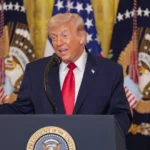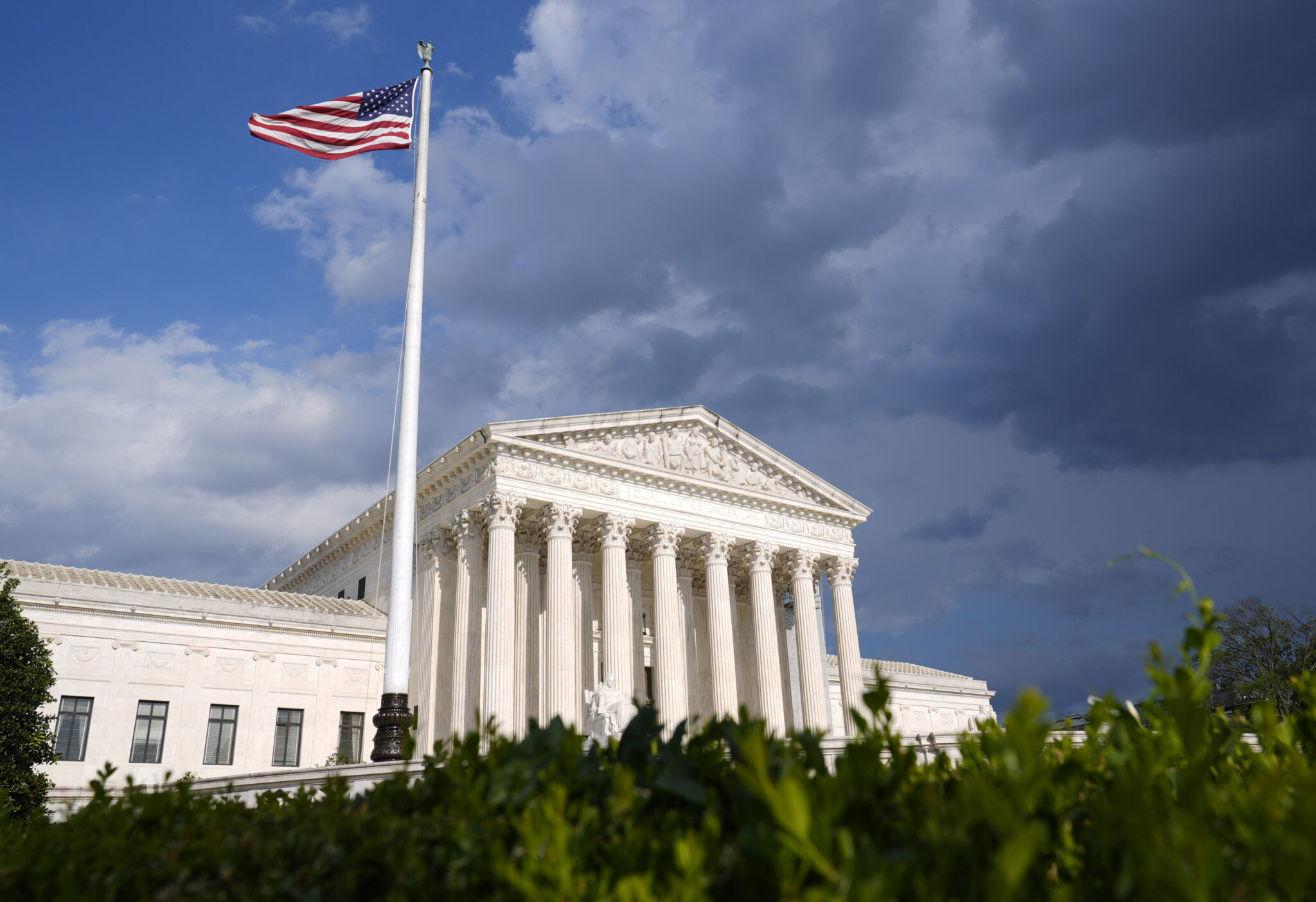
The Supreme Court signaled it may give President Trump broader authority to fire members of independent federal agencies, potentially overturning the 90‑year precedent of Humphrey’s Executor. Conservative justices appeared receptive to expanding presidential removal power, while liberal justices warned the shift would undermine agency expertise and concentrate excessive authority in the executive branch. The ruling could affect multiple agencies and ongoing disputes, including future limits on reinstating improperly fired officials.
QUICK LOOK
- Case centers on Trump’s firing of FTC Commissioner Rebecca Slaughter
- Court appears ready to scale back or overturn Humphrey’s Executor (1935)
- Conservative justices favor broader presidential removal power
- Liberal justices warn of risks to agency independence and expertise
- Could impact NLRB, MSPB, CPSC, and Federal Reserve governance
- Court weighing whether illegally fired officials can be reinstated
- Roberts cites removal power as core presidential authority
- Decision expected to further narrow limits on executive control
Supreme Court Appears Poised to Expand Presidential Power Over Independent Agencies
Deep Look
WASHINGTON — The U.S. Supreme Court signaled Monday that it may soon give the president broader authority to fire members of independent federal agencies, aligning with arguments put forth by the Trump administration and conservative legal advocates. The court’s conservative majority appeared ready to overturn a landmark 1935 precedent that has limited presidential removal powers for nearly a century.
At issue is the 90-year-old Humphrey’s Executor decision, which restricted the president’s ability to dismiss officials from certain regulatory bodies such as the Federal Trade Commission (FTC) without cause. Chief Justice John Roberts dismissed the relevance of the decision, referring to it as a “dry husk.” The case now before the court stems from former President Donald Trump’s attempt to fire FTC Commissioner Rebecca Slaughter without cause.
Justices Signal Support for Trump’s Firing Authority
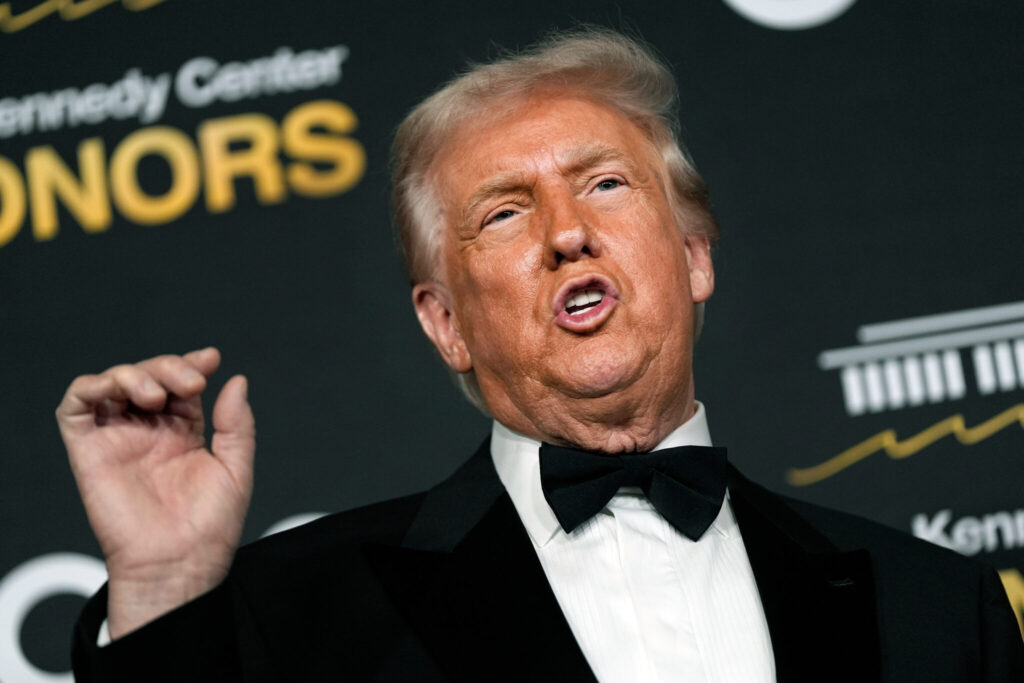
Solicitor General D. John Sauer defended the firings, arguing that Humphrey’s Executor had not “withstood the test of time” and that allowing restrictions on presidential removals had created a “headless fourth branch” of government. Conservative justices, including three appointed by Trump, appeared sympathetic to this view. The court has already permitted Slaughter’s removal, along with other agency board members, to proceed during ongoing legal challenges.
The court’s liberal justices voiced alarm over the potential consequences of removing longstanding protections. Justice Ketanji Brown Jackson warned that a ruling in Trump’s favor could allow the president to replace highly qualified experts — “the scientists, the doctors, the economists and the PhDs” — with unqualified political loyalists.
Broader Implications Beyond the FTC
The case could have ripple effects across multiple federal agencies. Trump has already removed members of the National Labor Relations Board, the Merit Systems Protection Board, and the Consumer Product Safety Commission. Only a handful of officials have avoided termination, including Federal Reserve Governor Lisa Cook, whose job is the subject of a separate case scheduled for argument in January.
The court is also considering whether illegally fired officials have the right to reinstatement or only back pay. Justice Neil Gorsuch has suggested in earlier writings that reinstatement might not be required, even in cases of wrongful dismissal.
Justice Brett Kavanaugh hinted he may oppose this idea, describing it as an “end run” that undermines legal protections by offering only financial remedies.
Decades of Eroding Limits on Executive Power
Under Chief Justice Roberts, the court has steadily weakened statutory protections for independent agency leaders. In 2020, Roberts wrote the majority opinion in a case upholding Trump’s authority to fire the head of the Consumer Financial Protection Bureau, emphasizing that “the President’s removal power is the rule, not the exception.”
Roberts echoed that sentiment again in the court’s controversial 2024 ruling on presidential immunity, which found that removal powers are among the “conclusive and preclusive” authorities of the executive branch — powers Congress cannot limit.
Historical Precedent on the Chopping Block
The precedent now under scrutiny dates back to President Franklin D. Roosevelt’s 1935 dismissal of FTC Commissioner William Humphrey. When Humphrey refused to resign, Roosevelt fired him, and the matter eventually reached the high court after Humphrey’s death, through his estate’s claim for lost salary. The justices at the time unanimously upheld a law limiting presidential removals from the FTC to specific causes such as “inefficiency, neglect of duty, or malfeasance.”
If the current court overturns that ruling, it could dramatically increase presidential influence over independent agencies — a long-sought goal for critics of the administrative state. A decision is expected by mid-2026.