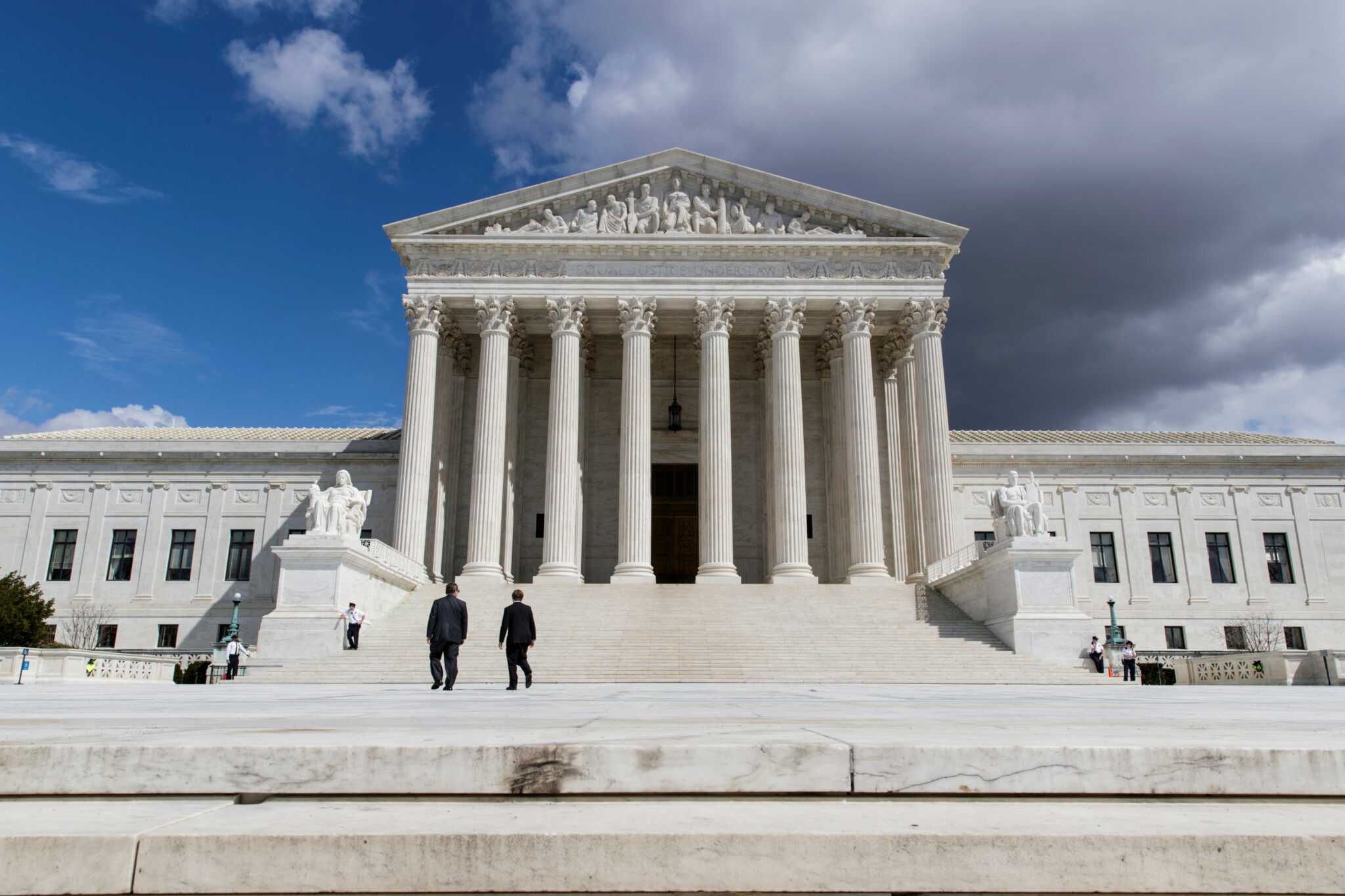
Supreme Court Backs Immigration Judges against Trump in Free Speech Case/ Newslooks/ WASHINGTON/ J. Mansour/ Morning Edition/ The Supreme Court declined to block a lower court ruling favoring immigration judges challenging speech restrictions, dealing a temporary setback to the Trump administration. The decision allows the judges’ lawsuit to proceed for now, with broader implications for federal worker rights. Justices signaled caution but noted no dissents.
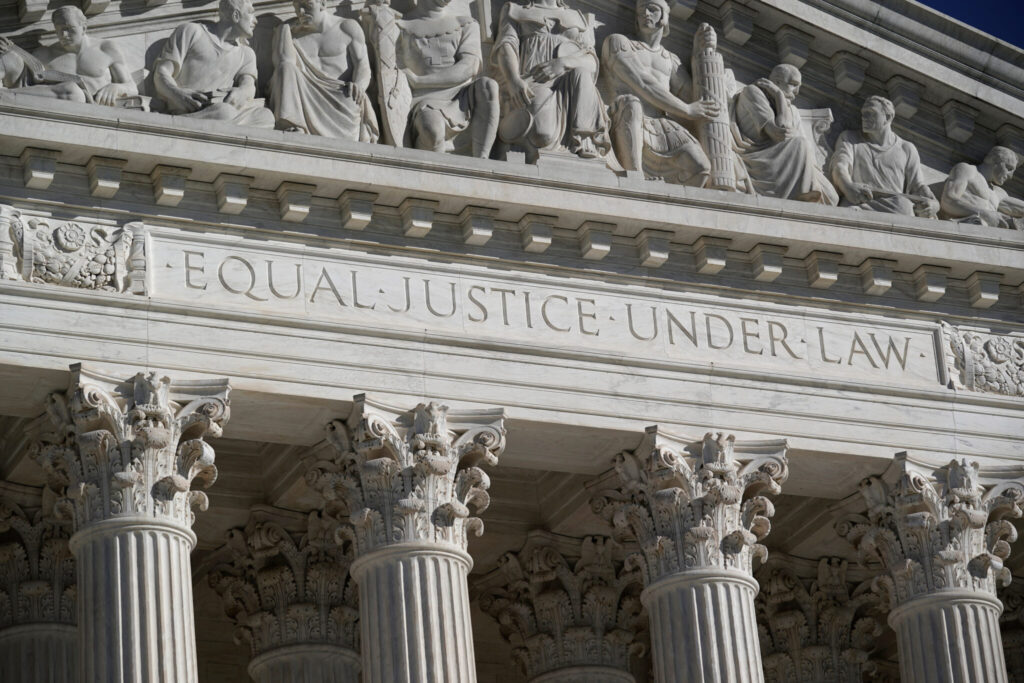
Supreme Court Immigration Judges Case Quick Looks
- The Supreme Court declined to halt a ruling favoring immigration judges.
- Judges are challenging restrictions on their public speech as unconstitutional.
- Trump administration wanted the case dismissed from federal court.
- The case could impact broader presidential firing powers.
- Justices allowed the case to proceed—for now—with no dissents noted.
- Lower courts were cautioned not to move too quickly.
- Case follows Trump’s past firings of independent federal officials.
- Immigration judges argue the case is a First Amendment issue.
- DOJ argued firings and policy limits were within presidential authority.
- Trump-era firings have raised questions about complaint system integrity.
- Supreme Court is weighing whether to expand executive firing power.
- The former immigration judge union first filed the suit in 2020.
- Attorney Ramya Krishnan said the restrictions violate free speech.
- Trump administration has recently fired judges deemed too lenient.
- Case could influence rights of other federal employees seeking legal recourse.
Deep Look: Supreme Court Allows Immigration Judges’ Free Speech Lawsuit to Proceed—Temporarily Rejecting Trump Appeal
WASHINGTON — The Supreme Court on Friday allowed a lawsuit brought by immigration judges challenging federal restrictions on their public speech to proceed, rejecting—for now—the Trump administration’s request to dismiss the case from federal court. Though the ruling was procedural, it could have long-term effects on how federal workers assert their rights and how much power the president has to remove independent officials.
At the heart of the case is whether immigration judges, who are federal employees under the Department of Justice, must use the internal federal employee complaint system to challenge workplace policies—or if they can seek relief in federal court when First Amendment rights are involved.
The union representing immigration judges, disbanded during Trump’s first term, first brought the lawsuit in 2020, arguing that the DOJ’s policy limiting what judges can say publicly violates their constitutional rights. The policy had restricted judges from speaking at law schools, legal conferences, and media interviews without prior approval, even when the topics were unrelated to active cases.
The Trump administration argued that the judges were bound by internal procedures and that federal courts had no jurisdiction over the case. The administration also pointed to Trump’s firings of key officials in the federal workplace complaint system as lawful exercises of executive authority. These firings, however, led an appeals court to question whether the system was functioning as designed, and the judges’ case was allowed to proceed.
The Department of Justice asked the Supreme Court to immediately freeze that decision, warning that it could disrupt the established process for handling disputes among federal employees. Solicitor General arguments emphasized that the president has broad authority to manage the executive branch, including disciplining or removing personnel.
But the Supreme Court declined to grant the Trump administration’s request, effectively allowing the lawsuit to move forward. In a brief order, the court said the administration could return to seek further intervention if the lower courts moved too quickly. No justices publicly dissented.
While the court’s decision is not a final ruling on the merits, it signals judicial caution in embracing sweeping executive powers to silence or remove employees—especially those engaged in speech protected under the First Amendment.
Attorney Ramya Krishnan of the Knight First Amendment Institute, who represents the former immigration judge union, welcomed the ruling. “The restrictions on immigration judges’ free speech rights are unconstitutional, and it’s intolerable that this prior restraint is still in place,” she said following the court’s decision.
The lawsuit has gained renewed urgency amid reports that the Trump administration has recently removed dozens of immigration judges who were viewed by allies as insufficiently aggressive on immigration rulings. Critics say the move is part of a broader effort to reshape the judicial landscape and suppress dissent within the federal government.
Trump officials have contended that these removals and speech policies are necessary for maintaining discipline and message control across agencies. However, opponents argue that the firings and gag orders are politically motivated and undermine public trust in government impartiality.
The case is particularly significant given the Supreme Court’s ongoing consideration of whether to overturn or weaken a 90-year-old precedent that protects independent agency officials from at-will termination by the president. A ruling to expand presidential firing authority could reshape the balance of power between the executive branch and civil service.
Friday’s order follows a pattern of the high court mostly siding with the Trump administration in past emergency decisions on immigration and executive authority. However, in this instance, the justices are urging caution.
The outcome of this case could set an important precedent not only for immigration judges but for thousands of federal employees who may wish to challenge disciplinary actions or policy restrictions outside of internal systems now overseen by political appointees.
The White House declined to comment on the ruling.