

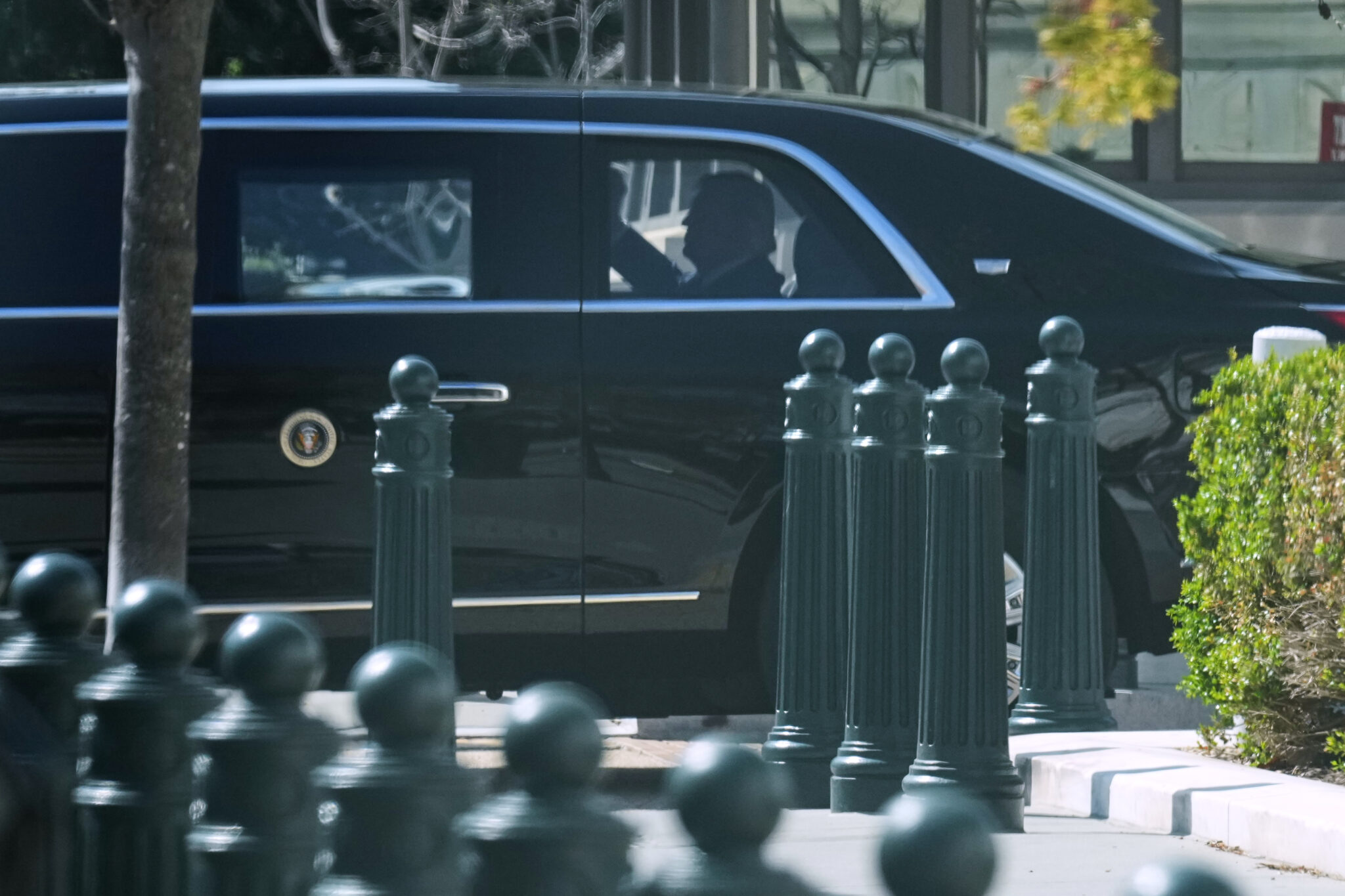
Supreme Court Casts Doubt on Trump’s bid to Limit Birthright Citizenship as He Attends Arguments/ Newslooks/ WASHINGTON/ J. Mansour/ Morning Edition/ The Supreme Court signaled skepticism toward President Donald Trump’s birthright citizenship restrictions. Justices from both ideological wings questioned the legality and practicality of the policy. Trump attended the arguments, becoming the first sitting president to do so.
Trump Birthright Citizenship Supreme Court — Quick Looks
- Supreme Court questions Trump citizenship restrictions
- Trump attends arguments in historic appearance
- Justices raise constitutional and logistical concerns
- Justice Jackson questions delivery room enforcement
- Justice Thomas appears more open to Trump argument
- Lower courts previously blocked policy nationwide
- Case centers on 14th Amendment interpretation
- More than 250,000 births affected annually
- Administration argues children of noncitizens excluded
- Decision expected by early summer
Deep Look: Supreme Court Casts Doubt on Trump’s bid to Limit Birthright Citizenship as He Attends Arguments
The U.S. Supreme Court expressed skepticism Wednesday toward President Donald Trump’s effort to restrict birthright citizenship, as justices from across the ideological spectrum questioned both the legal basis and practical implications of the policy.
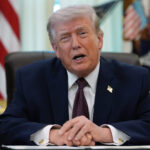
The high-stakes case drew additional attention as Trump became the first sitting president to attend oral arguments at the Supreme Court. The president spent just over an hour inside the courtroom, listening as his administration’s top lawyer defended the executive order.
Trump’s proposal would deny automatic citizenship to children born in the United States to parents who are in the country illegally or temporarily. The order, signed on the first day of Trump’s second term, represents one of the most sweeping attempts to reinterpret the Constitution’s 14th Amendment.
During arguments, several justices raised concerns about how the policy would work in practice. Justice Ketanji Brown Jackson questioned whether government officials would need to determine citizenship eligibility immediately after birth.
“Is this happening in the delivery room?” Jackson asked, highlighting logistical challenges surrounding enforcement of the policy.
Justice Clarence Thomas appeared more receptive to Trump’s argument, noting that debates surrounding the 14th Amendment historically focused on citizenship for formerly enslaved people rather than immigration.
“How much of the debates around the 14th Amendment had anything to do with immigration?” Thomas asked.
The case comes after multiple lower courts blocked Trump’s executive order, including a ruling from a federal court in New Hampshire. The restrictions have not taken effect anywhere in the United States.
The Supreme Court is now reviewing the administration’s appeal, in what could become one of the most consequential immigration rulings in decades. A decision is expected by early summer.
Trump’s birthright citizenship order challenges long-standing legal interpretation of the 14th Amendment. Ratified in 1868 following the Civil War, the amendment states that all persons born or naturalized in the United States and subject to its jurisdiction are citizens.
For more than a century, courts have interpreted the clause to grant citizenship to nearly everyone born on U.S. soil, with limited exceptions such as children of foreign diplomats or occupying forces.
Lower courts that blocked Trump’s order cited the Supreme Court’s 1898 ruling in Wong Kim Ark, which held that a child born in the United States to Chinese immigrant parents was entitled to citizenship.
The Trump administration argues that children born to noncitizen parents are not fully subject to U.S. jurisdiction and therefore should not automatically receive citizenship. Solicitor General D. John Sauer urged the court to reconsider what he described as longstanding misconceptions about constitutional meaning.
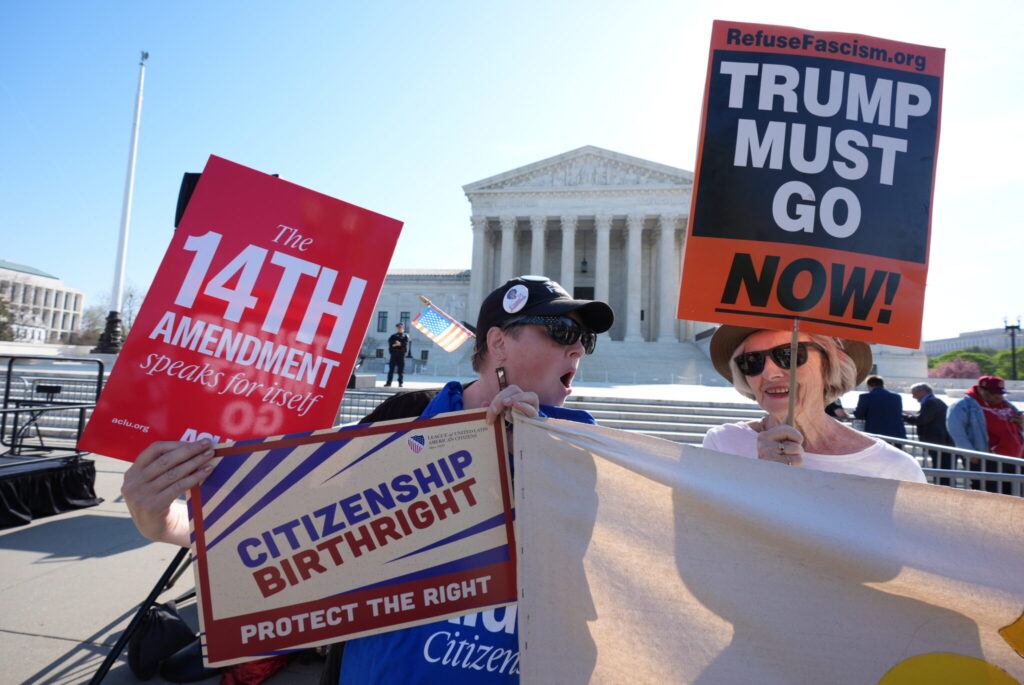
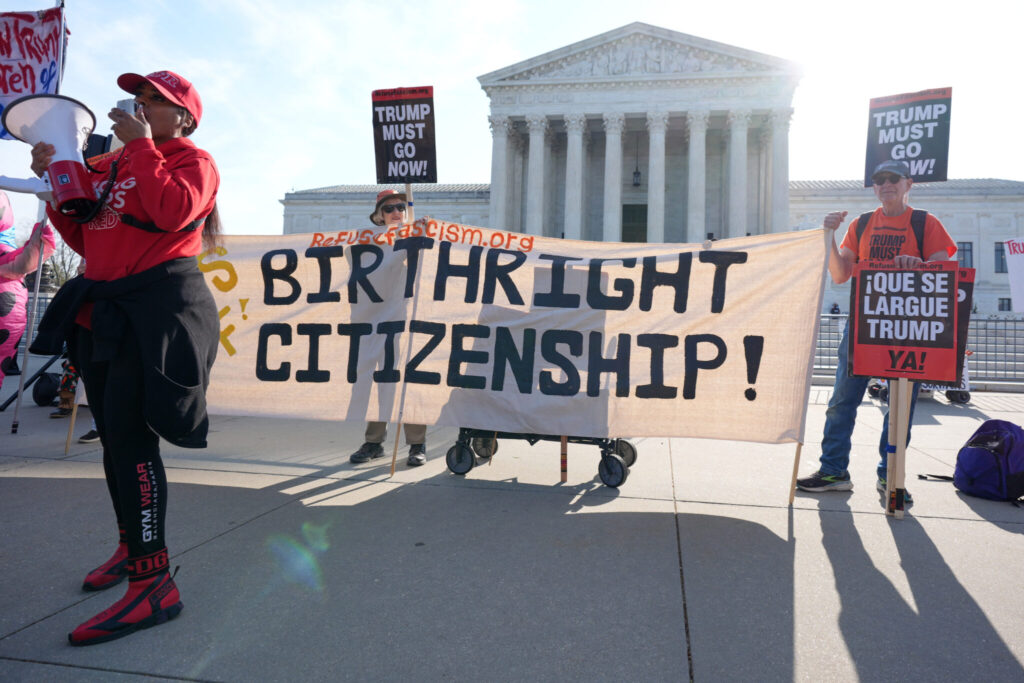
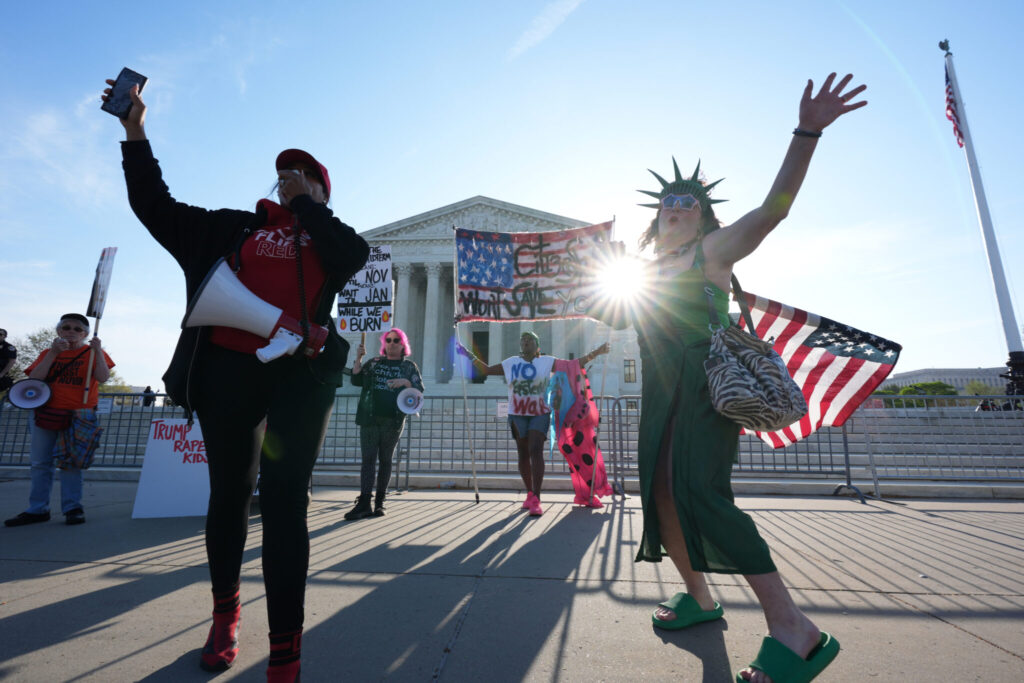
Opponents of the order, including attorneys representing pregnant women whose children would be affected, argued that the administration is attempting to radically redefine American citizenship.
“We have the president of the United States trying to radically reinterpret the definition of American citizenship,” said Cecillia Wang, legal director of the American Civil Liberties Union.
Research from the Migration Policy Institute and Pennsylvania State University estimates that more than 250,000 babies born in the United States each year could be affected by the policy.
While Trump has focused primarily on illegal immigration, the proposed restrictions would also affect people legally in the country, including students, temporary workers, and individuals applying for permanent residency.
The case also marks another test of Trump’s use of executive power. The Supreme Court has ruled in his favor in several cases but recently struck down global tariffs imposed under emergency powers, prompting criticism from the president.
Before Wednesday’s arguments, Trump issued a social media post criticizing judges and defending his interpretation of birthright citizenship.
The Supreme Court’s eventual decision could reshape U.S. immigration policy and constitutional law for decades. If upheld, Trump’s order would represent a dramatic shift in how citizenship is determined in the United States.
For now, the justices’ questioning suggests significant skepticism — signaling that Trump’s bid to limit birthright citizenship faces a challenging path before the nation’s highest court.



You must Register or Login to post a comment.