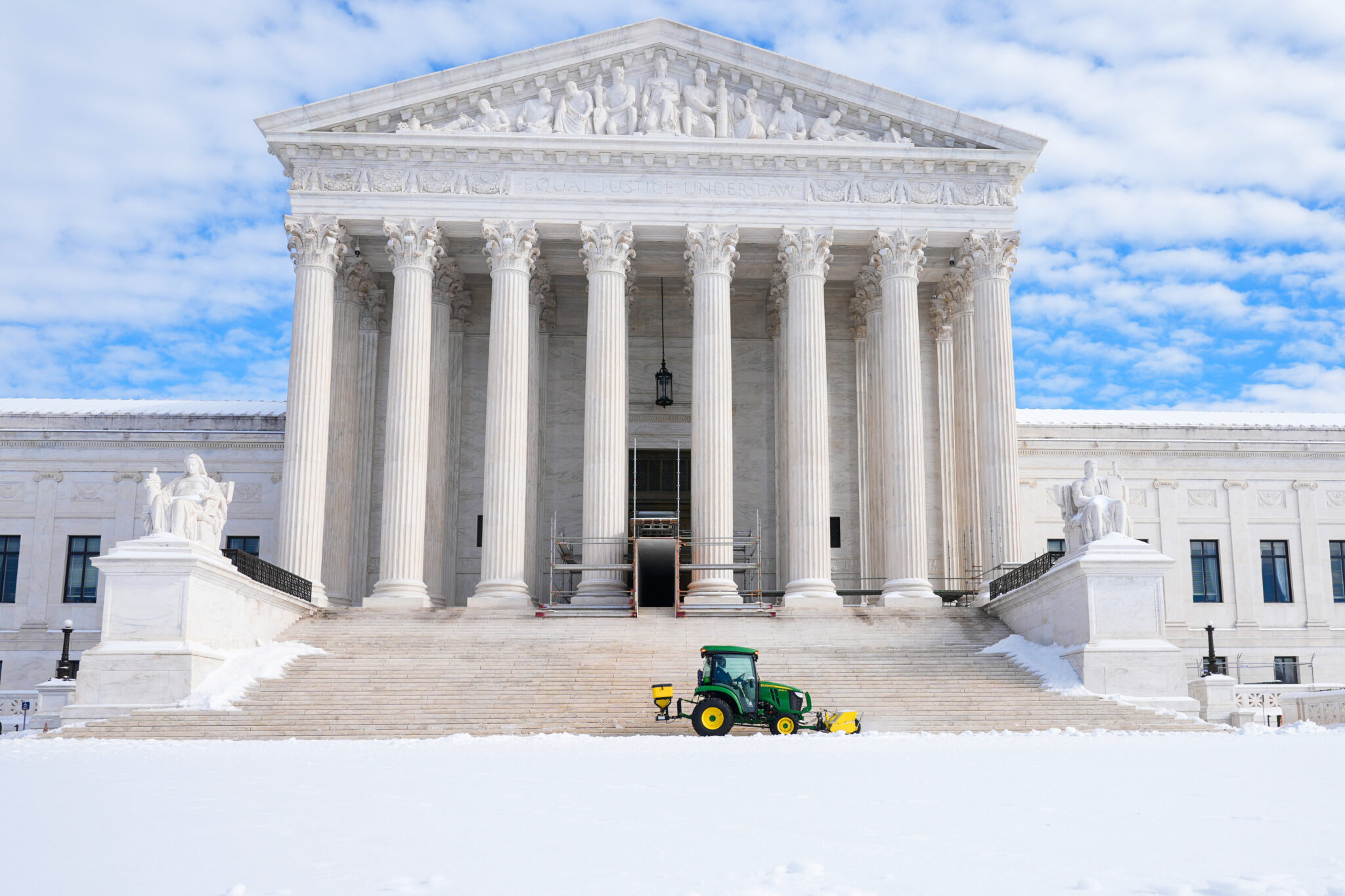
Supreme Court Rules That Trump’s Sweeping Tariffs Are Illegal/ Newslooks/ WASHINGTON/ J. Mansour/ Morning Edition/ The Supreme Court struck down President Donald Trump’s global tariffs imposed under emergency powers. The ruling deals a major setback to a central pillar of Trump’s economic agenda.
The decision limits executive authority while leaving other tariff tools available.
Supreme Court Blocks Trump’s Sweeping Global Tariffs Quick Looks
- Supreme Court invalidates emergency-based tariffs
- Ruling targets Trump’s “reciprocal” global duties
- Decision marks first major high court loss this term
- Constitution grants tariff authority to Congress
- Administration may pursue tariffs under other laws
- Businesses and states filed multiple lawsuits
- Estimated $3 trillion long-term economic impact
- Treasury collected $133 billion from disputed tariffs
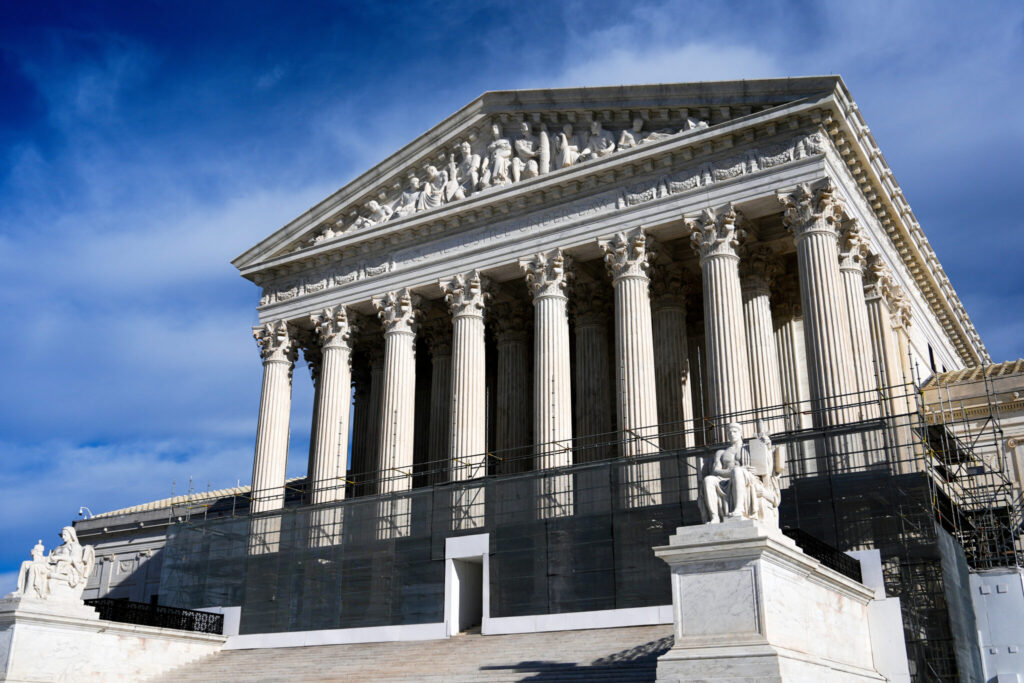
Deep Look: Supreme Court Rules That Trump’s Sweeping Tariffs Are Illegal
The U.S. Supreme Court has delivered a significant blow to President Donald Trump’s economic agenda, striking down his sweeping global tariffs that were imposed under a rarely used emergency powers statute.
In a ruling issued Friday, the high court invalidated the administration’s use of a 1977 law that allows presidents to regulate imports during national emergencies. Trump had relied on that statute to justify a broad series of import taxes — including his high-profile “reciprocal” tariffs that targeted nearly every major U.S. trading partner.
The decision represents the first major component of Trump’s second-term policy platform to be directly overturned by the nation’s highest court. It also underscores constitutional limits on executive authority in trade matters, reaffirming that Congress holds primary power over tariffs under Article I of the Constitution.
Trump had described the case as one of the most consequential in U.S. history, warning that an adverse ruling would inflict severe economic damage. However, opposition to the tariffs extended beyond Democratic critics. Libertarian groups, pro-business organizations, and small-business coalitions — many traditionally aligned with Republican economic principles — joined legal challenges arguing that the administration overstepped its authority.
The court’s ruling centers on Trump’s unprecedented interpretation of the International Emergency Economic Powers Act (IEEPA), a law historically used to impose sanctions or freeze assets during foreign crises. While prior presidents invoked the statute dozens of times, none had applied it to impose broad-based tariffs. Trump argued that persistent trade deficits constituted a national emergency, enabling him to levy sweeping import duties without congressional approval.
In April 2025, the administration introduced “reciprocal” tariffs affecting most countries, citing trade imbalances. Earlier rounds of duties targeted Canada, China, and Mexico, framed as responses to drug trafficking and border-related emergencies.
Legal challenges quickly followed. A coalition of roughly a dozen states — largely led by Democratic attorneys general — filed suit, along with small businesses selling products ranging from plumbing equipment to educational toys and specialty apparel. Plaintiffs argued that the emergency law does not explicitly authorize tariffs and that the administration’s interpretation violated established legal standards governing executive power.
The Supreme Court agreed, concluding that the statute could not be stretched to authorize sweeping import taxes. While the majority opinion did not eliminate the president’s broader trade authority, it set clearer limits on how emergency statutes may be used.
The ruling does not entirely dismantle Trump’s tariff framework. The administration retains the ability to impose trade restrictions under other laws, such as Section 232 of the Trade Expansion Act or Section 301 of the Trade Act of 1974. However, those mechanisms typically require formal investigations, procedural steps, and defined timelines — limiting the speed and scope of executive action compared to emergency declarations.
Economically, the stakes have been substantial. The Congressional Budget Office estimated that Trump’s tariffs could carry a long-term economic impact of approximately $3 trillion over a decade. Federal data from December showed that the Treasury had collected more than $133 billion in revenue from tariffs imposed under the emergency powers statute.
Businesses affected by the tariffs — including major retailers such as Costco — have sought refunds in court, arguing that the duties were unlawfully collected. The Supreme Court’s decision could open the door to further litigation over repayment of those funds.
Public opinion on tariffs has been mixed. While some manufacturing sectors welcomed the measures as protective of domestic industry, polling consistently indicated voter concerns about rising consumer prices and affordability — especially amid broader economic pressures.
The ruling also comes after a series of short-term victories for Trump on the Supreme Court’s emergency docket, where the justices allowed several controversial executive actions to proceed while litigation continued. Friday’s decision marks a more definitive check on presidential authority.
Politically, the outcome may reshape the economic debate heading into the midterm elections. Trump has championed tariffs as a cornerstone of his “America First” economic strategy, arguing they strengthen domestic manufacturing and reduce reliance on foreign goods. Critics counter that import taxes raise prices for consumers and disrupt supply chains.
The Supreme Court’s intervention underscores the enduring tension between executive ambition and constitutional boundaries. While the administration signals it will continue pursuing trade restrictions through alternative legal channels, the decision clarifies that sweeping economic actions rooted in emergency powers face significant judicial scrutiny.