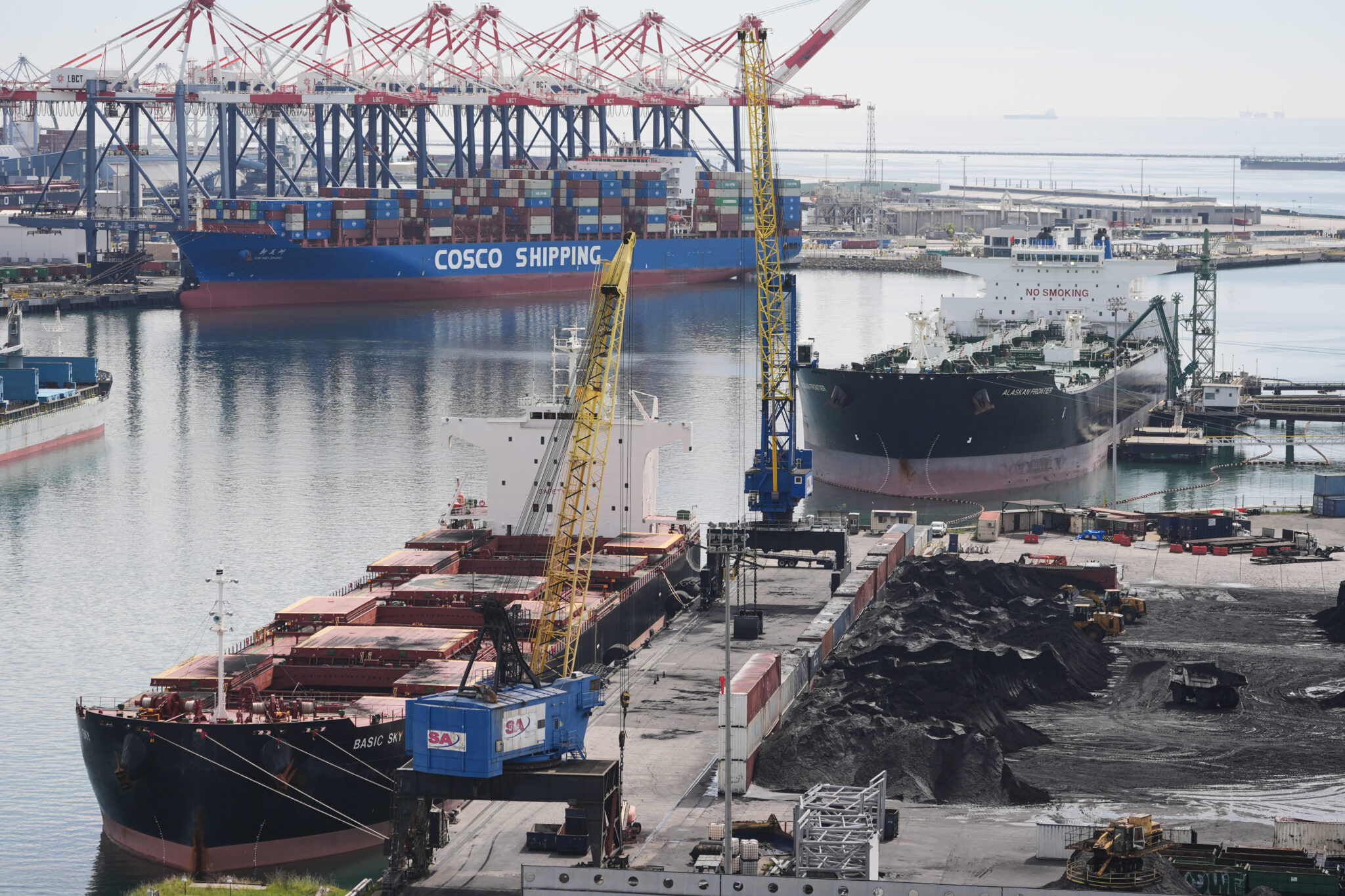
Supreme Court Tariff Ruling Sparks $133B Refund Battle/ Newslooks/ WASHINGTON/ J. Mansour/ Morning Edition/ The Supreme Court struck down President Donald Trump’s emergency tariffs, but left unresolved how $133 billion in collected duties will be refunded. Importers are seeking repayment, though the process is expected to be legally and administratively complex. Consumers are unlikely to receive direct refunds, even if companies recover funds.
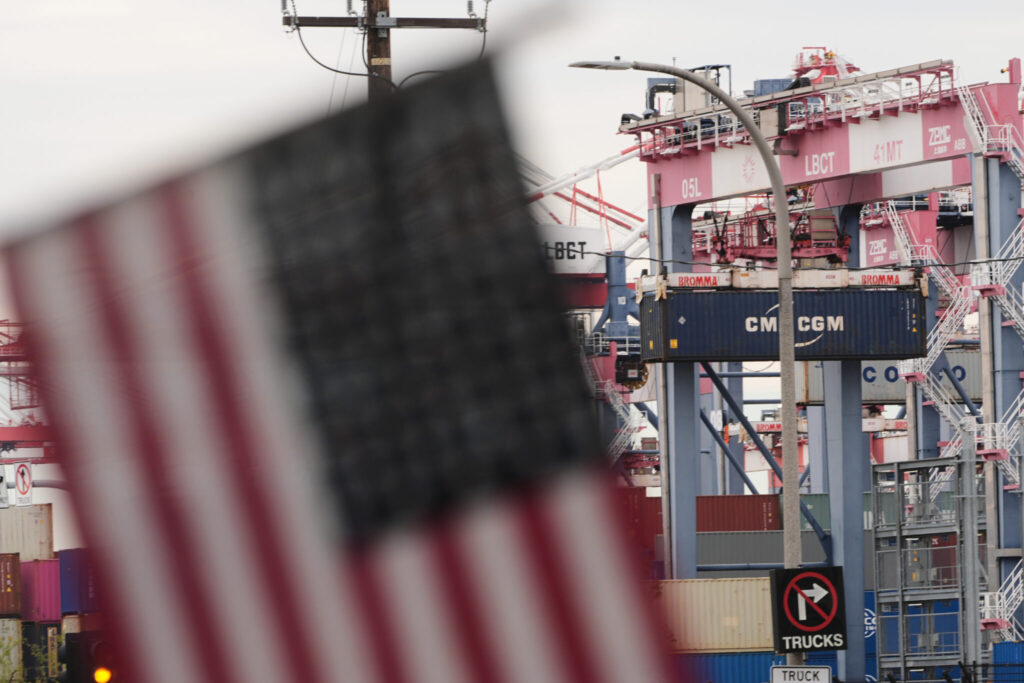
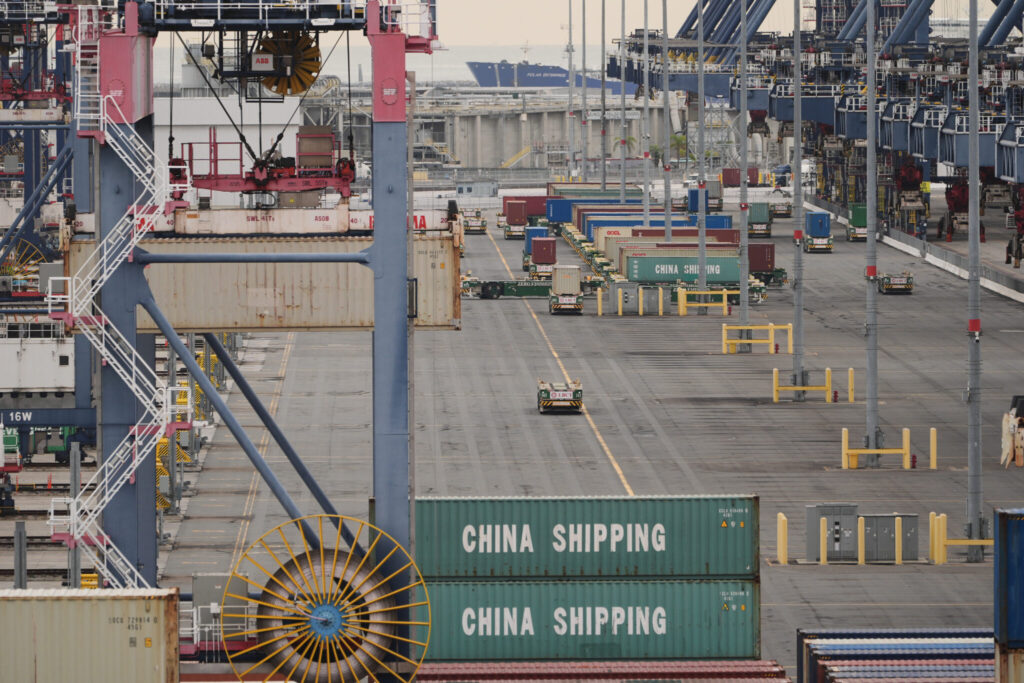
Supreme Court Tariff Ruling Sparks $133B Refund Battle Quick Looks
- Supreme Court invalidated IEEPA tariffs in 6-3 ruling
- $133 billion collected under emergency authority
- Refund process likely handled by Customs and trade courts
- Importers expected to recover funds — eventually
- Consumers unlikely to see direct repayment
- Process could take 12–18 months or longer
- New lawsuits likely across multiple jurisdictions
Deep Look: Supreme Court Tariff Ruling Sparks $133B Refund Battle
The Supreme Court of the United States delivered a decisive blow to President Donald Trump’s sweeping emergency tariffs — but left unanswered a massive question: What happens to the $133 billion already collected?
Importers who paid the duties are lining up for refunds after the court ruled 6-3 that Trump improperly used the International Emergency Economic Powers Act (IEEPA) to impose tariffs on nearly every country. The majority determined that the Constitution gives Congress — not the president — the authority to levy taxes, including import duties.
Yet the justices did not outline how, or whether, the government must repay the billions collected under a now-invalid policy.
A Complex Refund Road Ahead
Trade attorneys say refunds are likely — but the process could be slow and chaotic.
“It’s going to be a bumpy ride,” said one trade lawyer, noting that the courts and federal agencies are navigating uncharted territory.
The U.S. Customs and Border Protection agency, the New York-based Court of International Trade and other federal courts are expected to play central roles in determining how repayments proceed. Legal experts anticipate a patchwork of rulings and administrative procedures unfolding over the next year or more.
In his dissent, Justice Brett Kavanaugh criticized the majority for sidestepping the refund issue, warning the repayment effort could become a “mess.”
President Trump echoed that uncertainty, predicting extended litigation. “We’ll end up being in court for the next five years,” he said while condemning the decision.
Who Gets the Money?
The Customs agency has collected $133 billion in tariffs imposed under IEEPA as of mid-December. While businesses are expected to recover much of that money, consumers are unlikely to see direct refunds.
Companies often passed the tariff costs along through higher prices. But tracing those price increases back to specific duties could prove nearly impossible, making consumer reimbursement unlikely.
Some economists suggest refunds to businesses could provide a modest boost to the economy, similar to other tax refunds that spur investment or spending. However, analysts estimate it could take 12 to 18 months — or longer — before funds are returned.
Existing Framework, New Scale
Customs already has mechanisms to refund duties when importers demonstrate an error in collection. Legal experts say that system may serve as the foundation for processing tariff repayments.
There is precedent for mass trade refunds. In the 1990s, courts struck down a harbor maintenance tax on exports and established a claims process for exporters to recover payments. But the current situation is unprecedented in scale — involving thousands of importers and tens of billions of dollars.
The government may attempt to streamline the process, possibly creating a centralized claims portal. However, lawyers caution that officials could also place the burden on importers to pursue refunds through formal litigation.
Lawsuits Already in Motion
Even before the Supreme Court’s ruling, major companies including Costco, Revlon and Bumble Bee Foods had filed lawsuits seeking repayment, positioning themselves at the front of the line should the tariffs be invalidated.
More legal challenges may follow. Manufacturers might pursue claims against suppliers who raised prices due to tariffs. Businesses could also face disputes over how recovered funds are allocated within supply chains.
Legal experts predict years of litigation across multiple jurisdictions as stakeholders attempt to untangle financial consequences.
Political Pressure Builds
Political leaders are also pressing for repayment.
Illinois Gov. JB Pritzker demanded compensation for his state’s households, estimating that tariffs cost Illinois families $1,700 each — totaling $8.7 billion statewide. He warned of further action if refunds are not issued.
Nevada Treasurer Zach Conine submitted a formal request seeking $2.1 billion to offset the impact on Nevada residents, calling it part of his responsibility to recover funds taken from families.
Broader Economic Implications
Although the IEEPA tariffs have been struck down, many sector-specific duties remain in place under other statutes. Trump has already pledged to replace the invalidated tariffs using alternative legal authorities.
As a result, any economic relief from the ruling could be limited.
For now, businesses face uncertainty. Courts must determine how to administer repayments, agencies must design procedures, and companies must decide whether to file claims or pursue further litigation.
The Supreme Court settled the constitutional question. The financial aftermath — and the distribution of $133 billion — is just beginning.