Supreme Court Weighs State Bans On Trans Athletes/ Newslooks/ WASHINGTON/ J. Mansour/ Morning Edition/ The Supreme Court heard arguments Tuesday in two major cases challenging transgender athlete bans in West Virginia and Idaho. Justices wrestled with how constitutional protections and anti-discrimination laws apply to gender identity in school sports. The cases could shape the future of similar laws in over two dozen states.
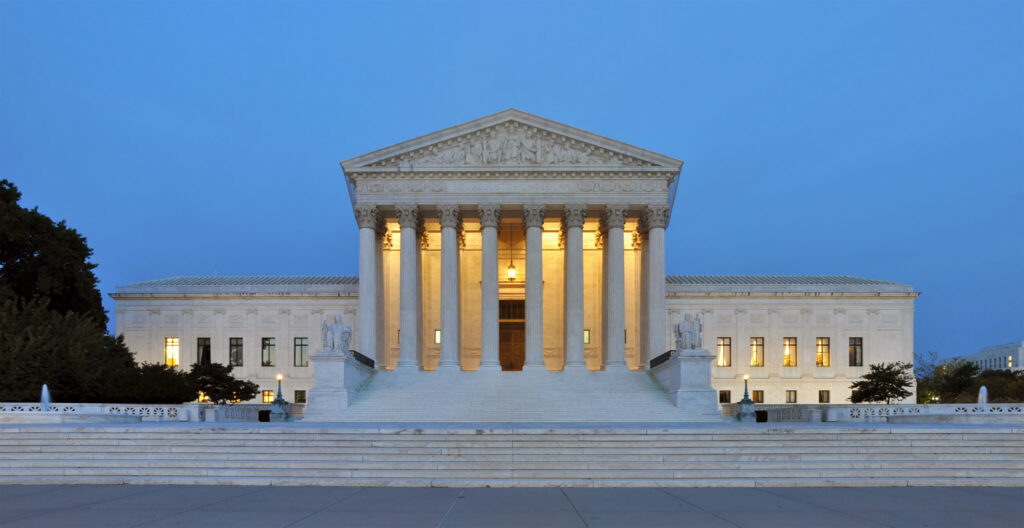
Supreme Court Trans Athlete Hearings Quick Looks
- Supreme Court hears cases on transgender athlete bans in WV and ID
- Legal debate focuses on Title IX, Equal Protection Clause, and sex-based rights
- Justices divided over whether to create a national rule
- Conservative justices question hormone blockers, biological advantages, and legal scope
- Liberal justices caution against overreach in unsettled national debate
- 27 states have similar transgender sports participation laws
- Laws blocked by lower courts citing constitutional violations
- Trump administration backs state bans, citing fairness in competition
- NCAA has limited trans athlete participation following Trump executive order
- Cases could set precedent for school sports and gender identity nationwide
Deep Look: Supreme Court Weighs State Bans On Trans Athletes
WASHINGTON — The U.S. Supreme Court on Tuesday stepped into the national debate over transgender athletes, hearing two closely watched cases that challenge state laws in West Virginia and Idaho banning transgender girls and women from competing in female sports.
While outside the courtroom the issue has been the focus of political attacks, televised debates, and cultural battles, inside the nation’s highest court, the justices took a far more analytical approach. Over the course of oral arguments, they examined constitutional interpretations, anti-discrimination statutes, and hypothetical scenarios surrounding gender identity, biology, and athletic competition.
The lawsuits were brought by transgender female athletes challenging state-level bans, with the core legal question revolving around whether such laws violate the Equal Protection Clause of the 14th Amendment and Title IX, the federal civil rights law that prohibits sex-based discrimination in education.
Justice Neil Gorsuch, a conservative appointee, reflected the complexity of the issue after hearing more than an hour of arguments. “I’ve been wondering what’s straightforward after all this discussion,” he said, highlighting the challenge of applying legal clarity to a divisive social issue.
West Virginia and Idaho passed sweeping bans on transgender girls participating in school sports that align with their gender identity. Both laws have been blocked by lower courts, and the cases now before the Supreme Court could determine whether such restrictions are constitutional.
Justices from across the ideological spectrum acknowledged the difficulty of crafting a national standard. Some conservative justices appeared focused on biological definitions of sex and the physical advantages that may arise from male puberty, even in cases where individuals later take hormone blockers or undergo transition-related treatments.
The court also considered whether the Idaho case should be dismissed as moot, as the student involved is no longer actively competing.
Justice Brett Kavanaugh questioned whether the court should be the one to impose a sweeping national rule at this stage. “Why would we at this point — just the role of this court — jump in and try to constitutionalize a rule for the whole country while there’s still, as you say, uncertainty and debate?” he asked attorney Kathleen Hartnett, who represents Lindsay Hecox, a transgender athlete in Idaho.
Liberal justices pressed whether the bans could truly be justified based on claims of competitive fairness when the actual number of transgender athletes affected is extremely small. They expressed concern that the laws may be overly broad or discriminatory.
The court’s decisions in these cases could have wide-reaching consequences. At least 27 states have already passed laws restricting transgender student-athletes’ participation in sports consistent with their gender identity. Lower court rulings against West Virginia and Idaho halted enforcement of their bans, but a favorable ruling for the states could embolden others to implement or expand similar policies.
The Biden-era NCAA has already limited transgender athlete eligibility in women’s sports, following an executive order from President Donald Trump banning transgender athletes from participating on women’s and girls’ teams.
The Trump administration has supported the state-level bans, arguing that they ensure fairness in female athletics and protect opportunities for cisgender women. Principal Deputy Solicitor General Hashim Mooppan represented the administration in court.
“It is undisputed that states may separate their sports teams based on sex,” Mooppan said. He cited biological differences between male and female athletes, arguing that even with the use of puberty blockers or hormone treatments, transgender girls and women may still retain physical advantages.
“Even assuming a man could take drugs that eliminate his sex-based physiological advantages, the law is reasonably tailored,” he added. “Male athletes who take performance-altering drugs are not similarly situated to female athletes, and states need not treat them the same.”
The issue has become politically explosive. While the Democratic Party remains divided on how to approach the matter, Republicans have largely coalesced around banning transgender women from female athletic teams, citing fairness in competition and parental rights.
If the Supreme Court sides with the states, it would likely reinforce legal arguments for similar bans nationwide. Conversely, a ruling in favor of the athletes could strike down existing laws and limit states’ ability to restrict transgender students from participating in sports aligned with their gender identity.
The court’s decision, expected later this year, will likely serve as the first major judicial interpretation of transgender athlete participation in school sports at the highest level — and could influence legislation, education policy, and civil rights for years to come.