

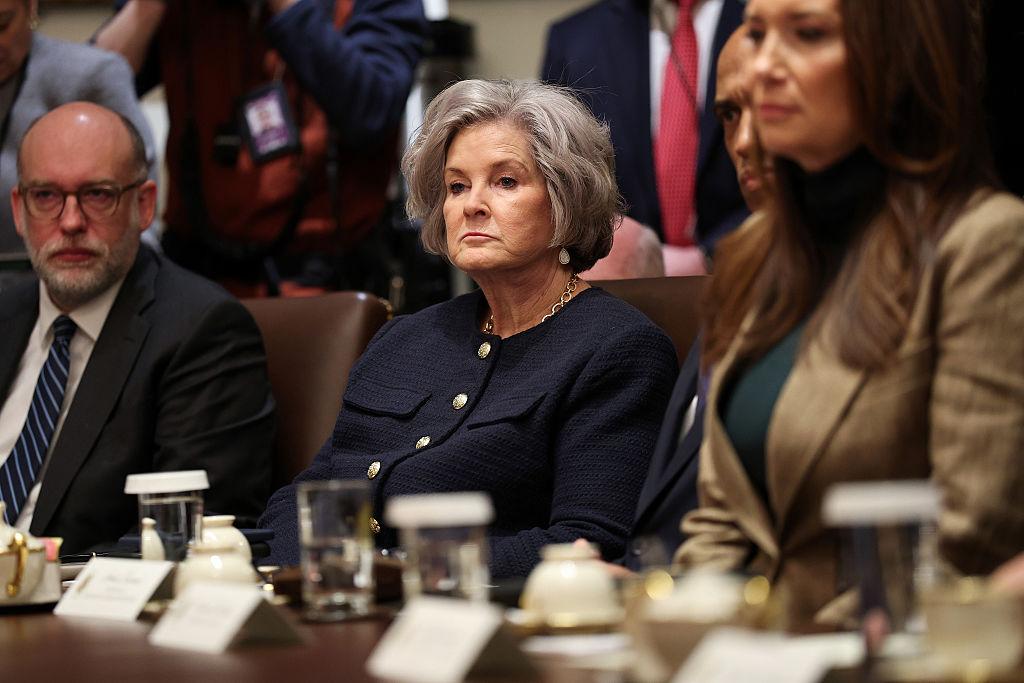
Susie Wiles Sounds The White House Alarm on Gas Prices/ Newslooks/ WASHINGTON/ J. Mansour/ Morning Edition/ White House Chief of Staff Susie Wiles is urging officials to find ways to reduce gasoline prices after the U.S. attack on Iran triggered a spike in oil markets. The administration is exploring multiple options as energy costs climb and global shipping routes face disruption. Officials say the White House is searching for solutions to calm markets and counter rising fuel costs.
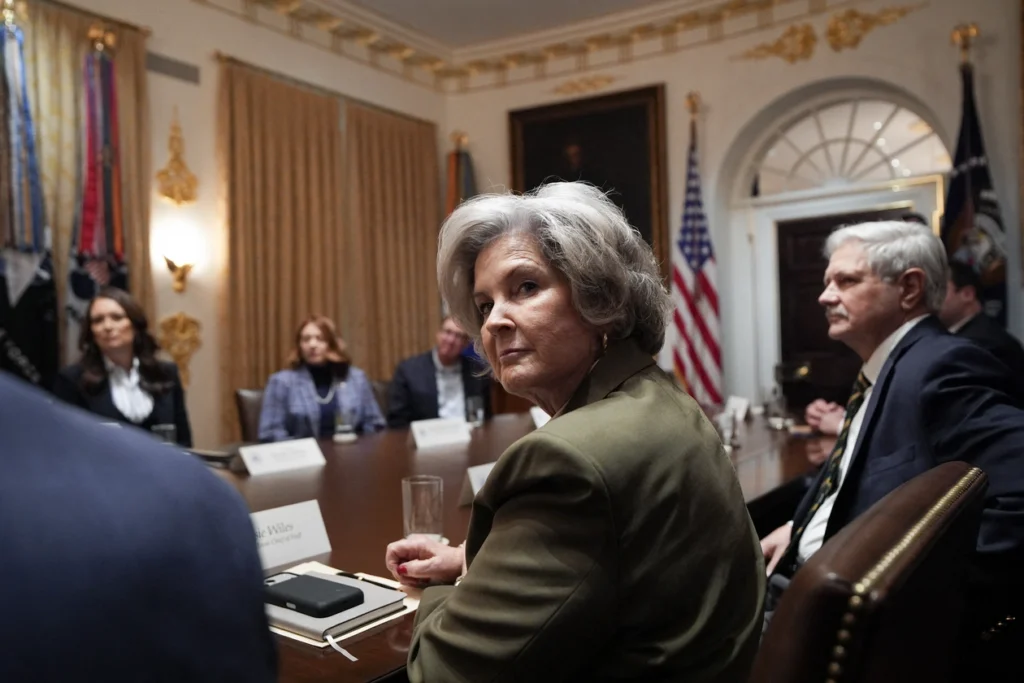

Gas Price Concerns After Iran War Quick Looks
- Susie Wiles is pushing advisers to find ways to lower gasoline prices.
- Oil prices surged after the U.S. military campaign against Iran began.
- Crude prices rose more than $10 per barrel in recent days.
- The average U.S. gasoline price climbed to about $3.25 per gallon.
- Energy officials are exploring policy and market solutions.
- The administration is considering a temporary federal gas tax holiday.
- The U.S. may expand military protection for oil tankers in the Persian Gulf.
- Rising energy costs could become a political challenge for the administration.


White House Scrambles To Address Rising Gas Prices
White House Chief of Staff Susie Wiles is urging senior officials to propose ways to bring down gasoline prices following a surge in oil markets triggered by the war with Iran.
According to energy industry executives familiar with the discussions, Wiles has asked advisers to present ideas directly to the Oval Office as the administration faces growing pressure over rising fuel costs.
One executive described the effort as the White House “looking under every rock” for solutions to ease gasoline prices.
Oil Prices Rise After Iran Conflict
Energy markets have reacted sharply since the United States launched military strikes against Iran.
Crude oil prices climbed more than $10 per barrel after Iran targeted energy infrastructure and shipping routes in the Persian Gulf.
U.S. oil prices reached around $78 per barrel, while the national average for gasoline has risen to roughly $3.25 per gallon — the highest level since President Donald Trump returned to office.
The price increases have sparked concerns that prolonged disruptions to global oil supplies could push fuel costs even higher.
Energy Team Under Pressure
Officials involved in the administration’s energy policy discussions say key advisers are under intense pressure to find ways to counter the rising prices.
Among those working on potential solutions are Energy Secretary Chris Wright and Interior Secretary Doug Burgum, who leads the administration’s National Energy Dominance Council.
According to industry sources, energy officials are rushing to develop policy announcements or strategies that could stabilize markets and improve public messaging around fuel costs.
White House Pushes Back On Reports
The White House rejected suggestions that officials are panicking about the situation.
Press Secretary Karoline Leavitt said the administration has a strategy to keep energy prices stable during the military operation.
She emphasized that the United States remains the world’s largest producer of crude oil and natural gas.
Leavitt also pointed to several actions the administration says will support energy markets, including expanding oil trade with Venezuela and offering insurance protections for ships transporting crude through the Persian Gulf.
Military Protection For Energy Routes
President Trump has also said the U.S. Navy could escort oil tankers traveling through the Strait of Hormuz if necessary.
The narrow waterway carries more than 20 percent of global oil shipments, making it one of the most important energy transit points in the world.
Iran has threatened to disrupt shipping in the strait, and several tanker attacks have already been reported.
Providing security for tanker traffic is one of the administration’s key strategies to prevent a larger supply shock.
Policy Options Under Discussion
Officials are also considering domestic policy responses to the price spike.
One option reportedly being discussed is a temporary federal gasoline tax holiday, which could lower prices at the pump.
However, such a measure would require approval from Congress and may not immediately translate into savings for drivers if fuel retailers do not pass along the tax reduction.
Another idea involves expanding U.S. military protection for energy infrastructure in the Middle East, though some regional allies — particularly Saudi Arabia — are reportedly cautious about hosting additional American forces.
Internal Policy Debate
Sources familiar with White House discussions say that during the early days of the conflict, foreign policy officials led by Secretary of State Marco Rubio dominated the administration’s strategy discussions.
Energy officials who typically focus on keeping oil prices low initially played a smaller role while military planning took priority.
But as prices rose, the focus shifted toward economic consequences.
Industry leaders say the administration began contacting energy stakeholders only after oil markets reacted sharply several days after the conflict began.
Economic Risks From Rising Energy Prices
Higher oil prices could ripple across the economy if the conflict continues.
Disruptions to the Strait of Hormuz and production cuts in countries like Iraq have already reduced global oil flows.
Energy analysts warn that sustained prices above $80 or $90 per barrel could raise transportation costs, increase inflation and slow economic growth.
European natural gas prices have already surged dramatically as regional suppliers such as Qatar face production disruptions tied to the conflict.
For now, the White House is balancing military strategy abroad with growing pressure to stabilize fuel prices at home — an issue that could become politically significant if the conflict continues.






You must Register or Login to post a comment.