Tatiana Schlossberg, JFK Granddaughter, Dies at 35 After Cancer/ Newslooks/ WASHINGTON/ J. Mansour/ Morning Edition/ Tatiana Schlossberg, an environmental journalist and granddaughter of President John F. Kennedy, has died at age 35 after battling leukemia. She revealed her terminal diagnosis in a widely read essay shortly before her death. Schlossberg was remembered for her writing, advocacy, and deep devotion to family.
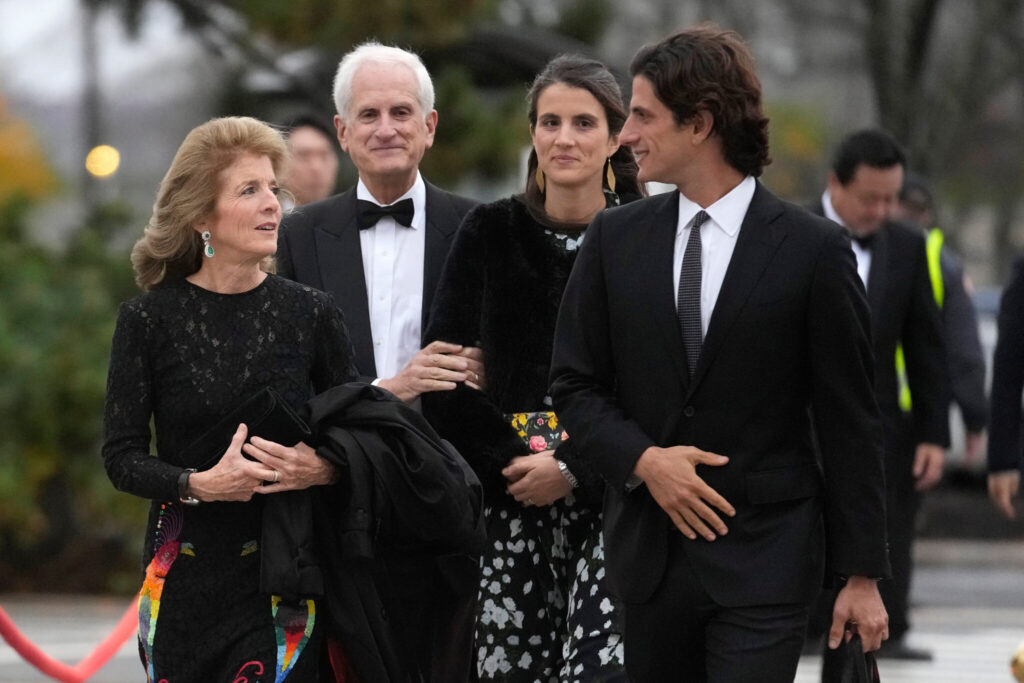
Tatiana Schlossberg Death Quick Looks
- Tatiana Schlossberg died at age 35 after leukemia diagnosis.
- She was the daughter of Caroline Kennedy and Edwin Schlossberg.
- Schlossberg revealed her terminal illness in a November essay.
- She was an environmental journalist and former New York Times reporter.
- Her 2019 book won a major environmental journalism award.
- Family announced her death through the JFK Library Foundation.
- Maria Shriver praised her courage, intellect, and compassion.
- Schlossberg was diagnosed while giving birth to her second child.
- She underwent chemotherapy, stem cell transplants, and trials.
- She is survived by her husband and two young children.
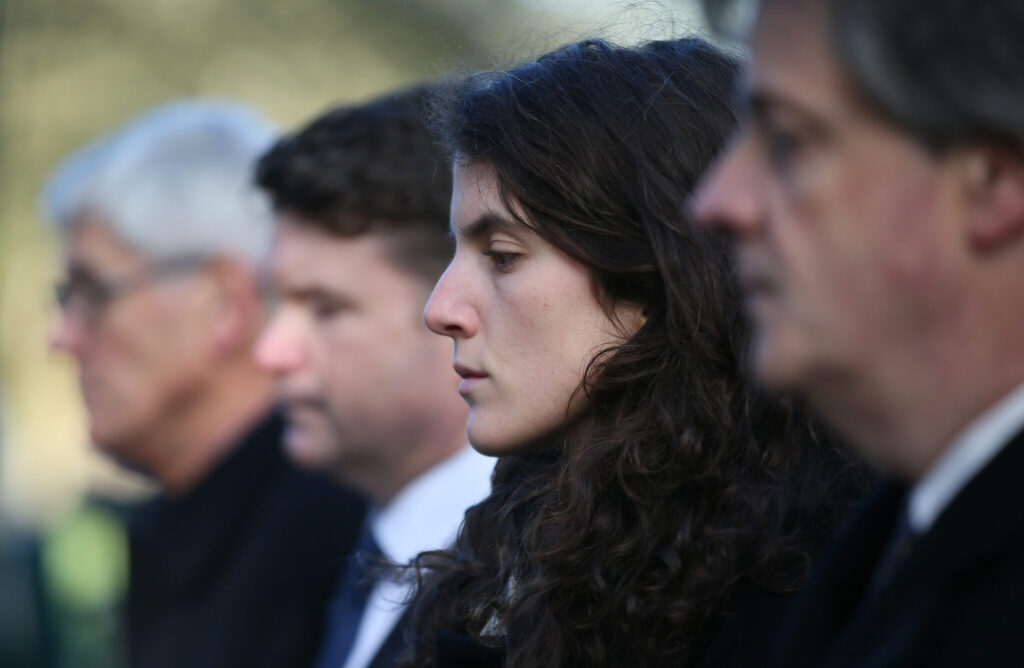
Tatiana Schlossberg, JFK Granddaughter, Dies at 35 After Cancer
Deep Look
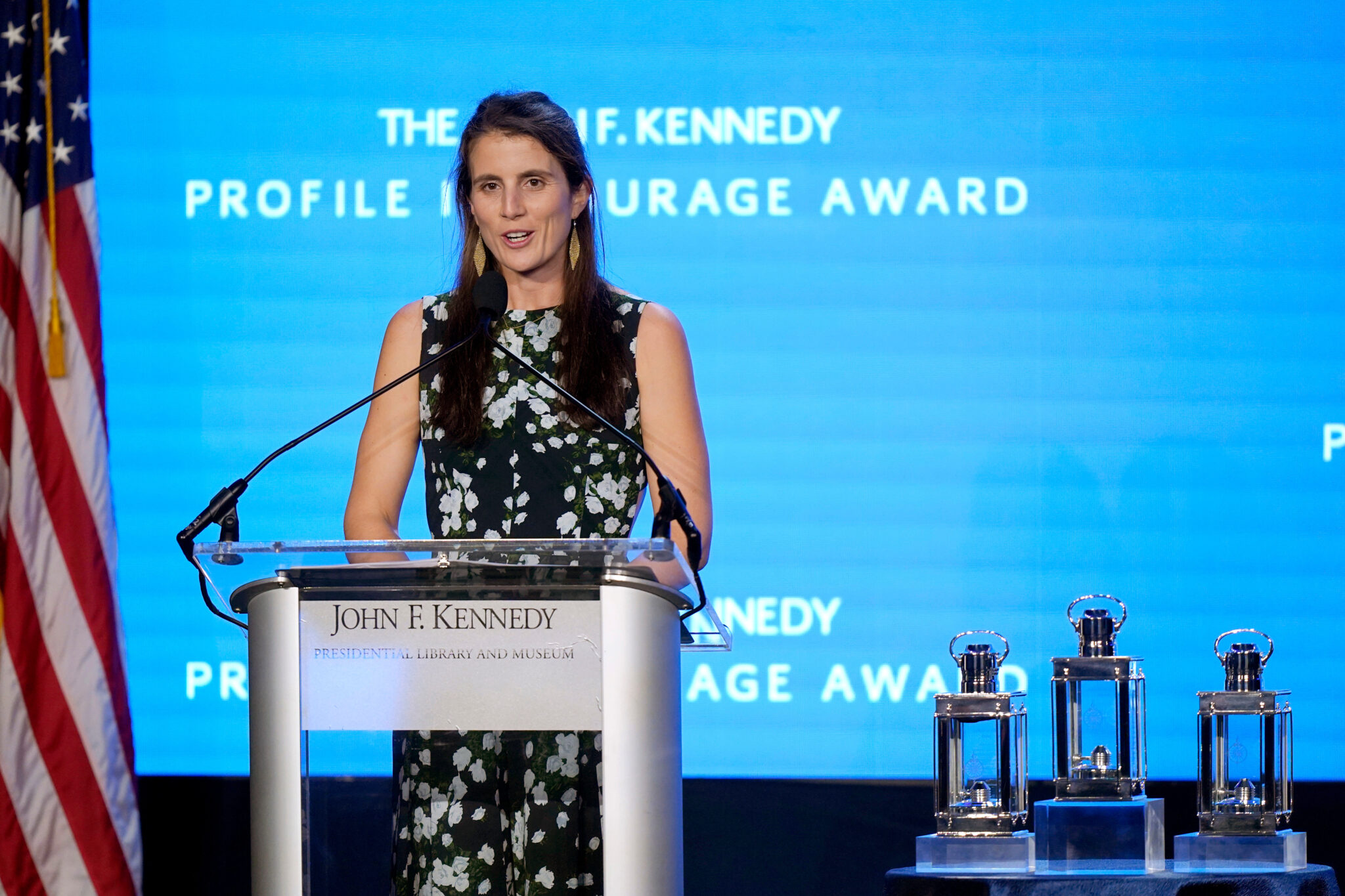
Tatiana Schlossberg, an environmental journalist and one of three grandchildren of the late President John F. Kennedy, has died at the age of 35 after a battle with leukemia. Her death was announced Tuesday in a statement shared by the John F. Kennedy Library Foundation on social media. The family did not disclose the specific cause of death or where she died.
“Our beautiful Tatiana passed away this morning. She will always be in our hearts,” the statement said.
Schlossberg was the daughter of Caroline Kennedy, the former U.S. ambassador and only surviving child of President Kennedy, and Edwin Schlossberg, an author and designer. She revealed in a deeply personal essay published in November 2025 that she had been diagnosed with terminal cancer.
In that essay, titled “A Battle With My Blood,” Schlossberg described learning she had acute myeloid leukemia in May 2024 while hospitalized for the birth of her second child. A routine blood test revealed an abnormally high white blood cell count. Further testing showed she had a rare genetic mutation usually seen in much older patients.
Schlossberg chronicled the emotional and physical toll of her illness, writing about rounds of chemotherapy, two stem cell transplants, and participation in experimental clinical trials. During her most recent trial, she recalled her doctor telling her that he might be able to keep her alive for “a year, maybe.”
Despite her diagnosis, Schlossberg continued to write with clarity and urgency. Her essay reflected on fear, grief, motherhood, and the cruelty of facing death at a young age. She wrote openly about her anguish that her young daughter and son might not remember her.
She also criticized health policies supported by her mother’s cousin, Health and Human Services Secretary Robert F. Kennedy Jr., arguing that cuts to scientific research could harm cancer patients. Caroline Kennedy had publicly urged senators to oppose his confirmation.
Schlossberg had built a respected career as an environmental journalist. She worked as a reporter for The New York Times, covering climate change and environmental science. In 2019, she published the book Inconspicuous Consumption: The Environmental Impact You Don’t Know You Have, which examined how everyday choices affect the planet. The book won the Society of Environmental Journalists’ Rachel Carson Environment Book Award in 2020.
Her work focused on making complex environmental issues accessible to a broad audience, blending scientific reporting with personal responsibility. Colleagues described her as thoughtful, rigorous, and deeply committed to truth.
Family members and friends shared tributes highlighting her resilience and warmth. Maria Shriver, a journalist and niece of President Kennedy, remembered Schlossberg as “the light, the humor, the joy” of the family.
“She loved her life, and she fought like hell to try to save it,” Shriver wrote. She described Schlossberg as brilliant, sassy, compassionate, and devoted to those she loved.
Schlossberg wrote candidly about the emotional pain her illness caused her family, especially her mother. She said she had spent her life trying to protect her family from suffering and felt devastated that she could not shield them from this loss.
“For my whole life, I have tried to be good,” she wrote. “Now I have added a new tragedy to her life, to our family’s life, and there’s nothing I can do to stop it.”
The Kennedy family has endured repeated public tragedies over generations. Caroline Kennedy was just five years old when her father was assassinated in 1963. She later lost her uncle Robert F. Kennedy in 1968 and her brother John F. Kennedy Jr. in a 1999 plane crash.
Schlossberg is survived by her husband, George Moran, and their two children. She is also survived by her siblings, Rose and Jack Schlossberg.
Though her life was cut short, Schlossberg’s writing, advocacy, and honesty left a lasting impact. Through her work on environmental issues and her final essay confronting mortality, she offered insight, courage, and empathy that resonated far beyond her famous family name.