

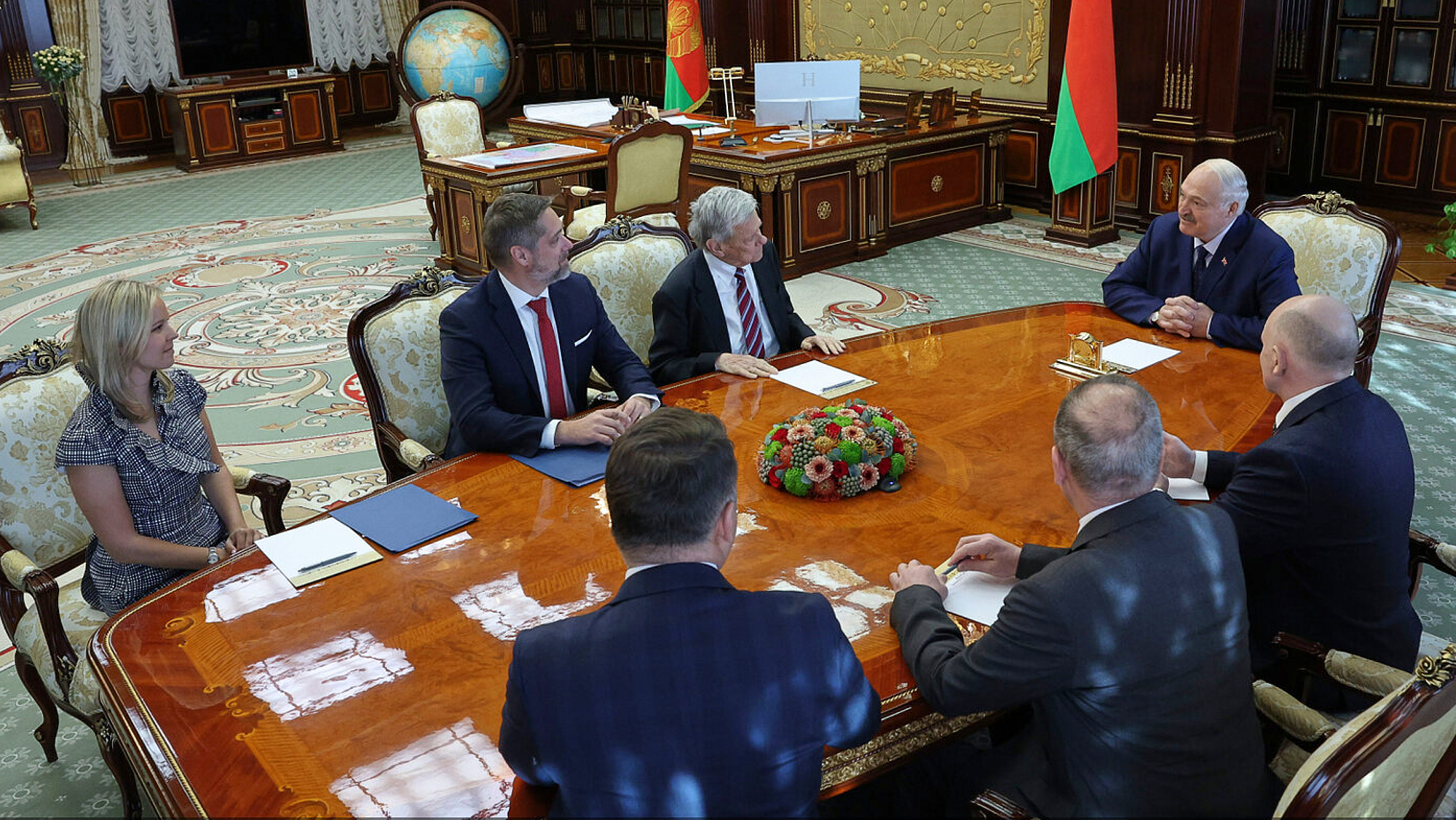
The US to Lift Some Sanctions as Belarus Frees 250 Prisoners/ Newslooks/ WASHINGTON/ J. Mansour/ Morning Edition/ Belarus released 250 political prisoners after a deal with the United States to ease some sanctions. The agreement followed talks in Minsk between Alexander Lukashenko and U.S. envoy John Coale. The move marks the largest single-day political prisoner release in Belarus and signals another step in Minsk’s effort to improve ties with Washington.
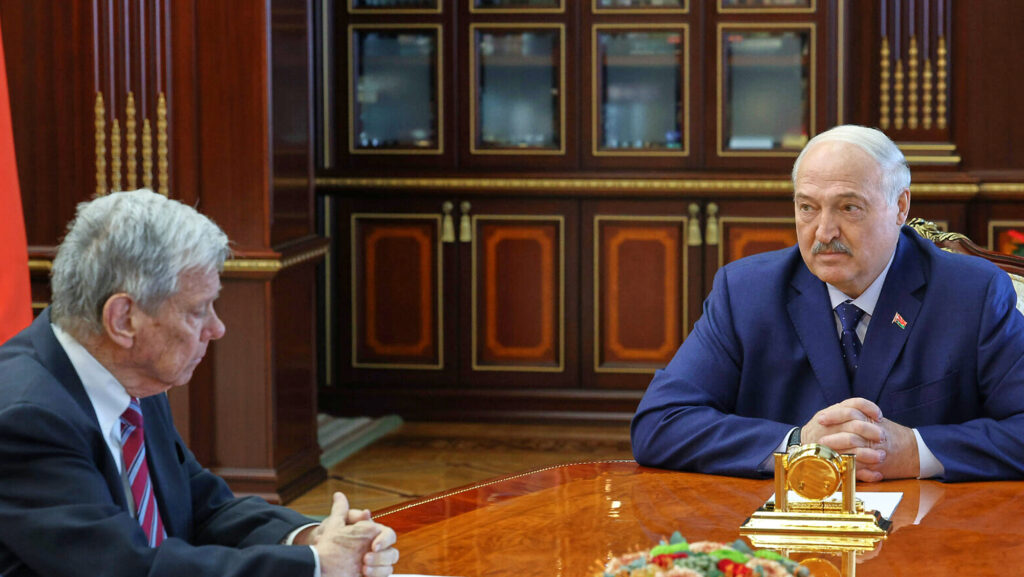
Belarus political prisoner release Quick Looks
- Belarusian President Alexander Lukashenko ordered the release of 250 political prisoners.
- The release came after a meeting in Minsk with U.S. envoy John Coale.
- The U.S. said it would lift sanctions on two Belarusian state banks and the Finance Ministry.
- Reuters reported that major potash producers were also removed from sanctions lists.
- Exiled opposition leader Sviatlana Tsikhanouskaya called the release a moment of relief and hope.
- Human rights activists said more than 1,100 political prisoners remained in Belarus before the latest release.
- The deal follows earlier prisoner releases tied to U.S.-Belarus engagement in late 2025.
- The agreement highlights Lukashenko’s push to reduce Belarus’ isolation while keeping close ties with Russia.
Deep Look: The US to Lift Some Sanctions as Belarus Frees 250 Prisoners
Belarus has released 250 political prisoners in its biggest one-time prisoner release in years, marking a significant moment in the country’s long-running standoff with the West. The move came as part of a deal with the United States that includes limited sanctions relief, offering another sign that Alexander Lukashenko is seeking to ease Belarus’ international isolation without fundamentally changing his grip on power.
The agreement followed a meeting in Minsk between Lukashenko and John Coale, a special envoy for President Donald Trump. After the talks, Coale described the release as a significant humanitarian step and said Washington would remove sanctions on two Belarusian state banks, the country’s Finance Ministry, and leading potash producers. Reuters reported that the potash relief includes major companies such as Belaruskali, Belarusian Potash Company, and Agrorozkvit, all important to Belarus’ export economy.
The prisoner release is important on both a human and political level. For families, it means reunions after years of imprisonment under one of Europe’s most repressive governments. For Lukashenko, it offers a chance to show Washington that Belarus can deliver concrete gestures in exchange for economic relief and diplomatic engagement. Exiled opposition leader Sviatlana Tsikhanouskaya welcomed the release as a moment of hope and thanked U.S. officials for helping secure the prisoners’ freedom, while also stressing that many more remain behind bars.
This is not the first such exchange. In December 2025, after another round of U.S.-Belarus contacts, 123 prisoners were released and sanctions relief was granted to part of Belarus’ potash sector. Earlier in September 2025, Belarus freed 52 political prisoners in another U.S.-brokered deal tied to the easing of sanctions on the national airline. The pattern suggests a developing formula: prisoner releases in return for selective sanctions relief, rather than a broad political opening.
The larger context remains grim. Lukashenko has ruled Belarus for more than three decades and faced massive protests after the disputed 2020 presidential election. Those demonstrations led to a sweeping crackdown, with tens of thousands detained, opposition leaders imprisoned or forced into exile, and civil society groups crushed. Western sanctions were then intensified further after Belarus allowed Russia to use its territory in the 2022 invasion of Ukraine.
Even with the latest release, the repressive system is far from dismantled. Before Thursday’s announcement, the human rights group Viasna estimated that more than 1,100 political prisoners were still being held. Reuters reported that 235 of the newly freed prisoners were released inside Belarus, while 15 were transferred to Lithuania. That means the deal, while significant, addresses only part of the wider political prison system that has defined Belarusian repression since 2020.
What makes this development notable is the strategic calculation behind it. Belarus remains a close ally of Russia, and Lukashenko has not broken from Moscow. But by dealing directly with Washington, he appears to be trying to gain room to maneuver, reduce economic pressure, and win a measure of legitimacy in the West. Reuters reported that Coale even suggested Lukashenko could eventually visit the United States, which would have been nearly unthinkable during the height of Belarus’ isolation. That does not mean Belarus is pivoting away from Russia, but it does suggest Lukashenko wants options.
For the United States, the arrangement presents a familiar policy trade-off. Limited sanctions relief can produce real humanitarian results, including the release of prisoners who might otherwise remain jailed indefinitely. But it also risks handing a diplomatic victory to an authoritarian leader who continues to suppress dissent at home. The latest deal shows Washington is willing to pursue practical gains one step at a time, even if it stops well short of a full reset in relations.
The release of 250 people is undeniably significant, especially for those leaving prison and their families. But the broader story is unfinished. Belarus is still deeply authoritarian, opposition figures remain in exile or under pressure, and more than a thousand political prisoners were believed to remain in custody before this release. The latest breakthrough may be a humanitarian milestone, but it is also a reminder that Belarus’ political crisis is not over.


You must Register or Login to post a comment.