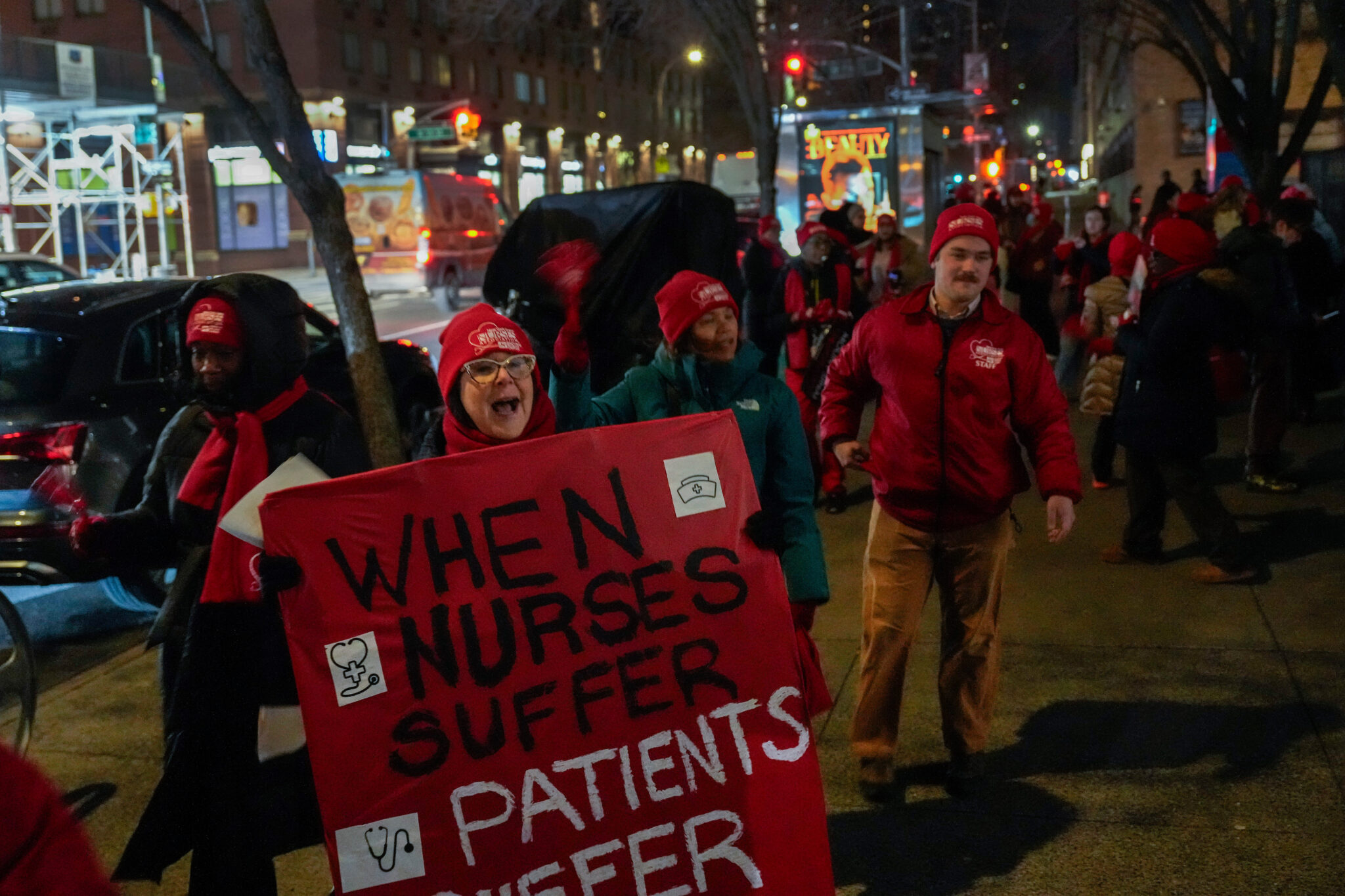
Thousands of NYC Nurses Strike Over Pay, Staffing/ Newslooks/ WASHINGTON/ J. Mansour/ Morning Edition/ Over 15,000 nurses in New York City began striking after failed contract negotiations. The walkout impacts major hospitals, raising concerns over patient care amid flu season. Core union issues include unsafe staffing levels, wage increases, and workplace safety.
NYC Nurse Strike Disrupts Major Hospitals: Quick Looks
- More than 15,000 nurses strike across major NYC hospitals
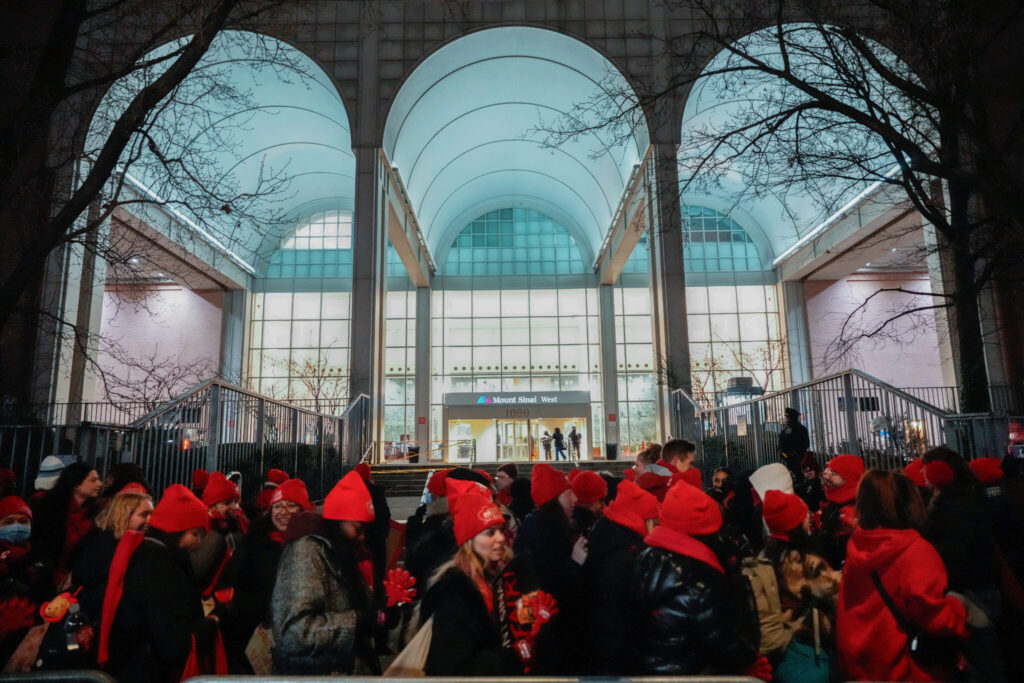
- Affected hospitals include Mount Sinai, Montefiore, and NewYork-Presbyterian
- Strike follows breakdown in weekend negotiations over wages and staffing
- Hospitals are bringing in temporary nurses to maintain patient care
- Montefiore criticizes union’s wage and safety proposals as excessive
- Union demands better staffing, higher wages, and AI usage limitations
- NY officials voice strong support for striking nurses
- Flu season and emergency services strained amid the strike
- Last major NYC nurse strike occurred in 2023, lasted 3 days
Thousands of NYC Nurses Strike Over Pay, Staffing
Deep Look
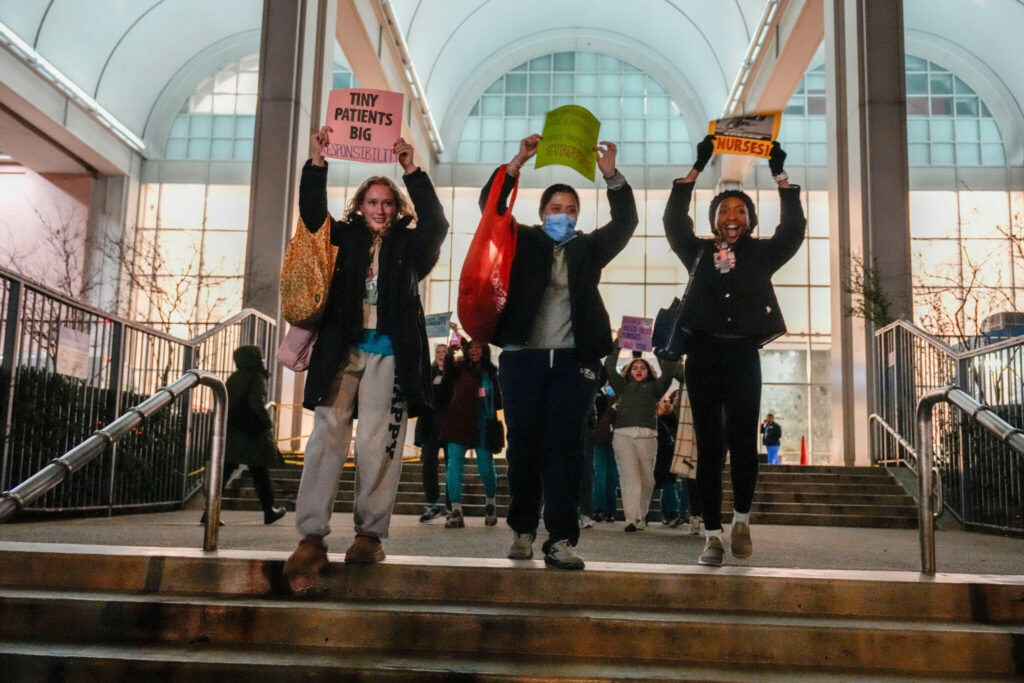
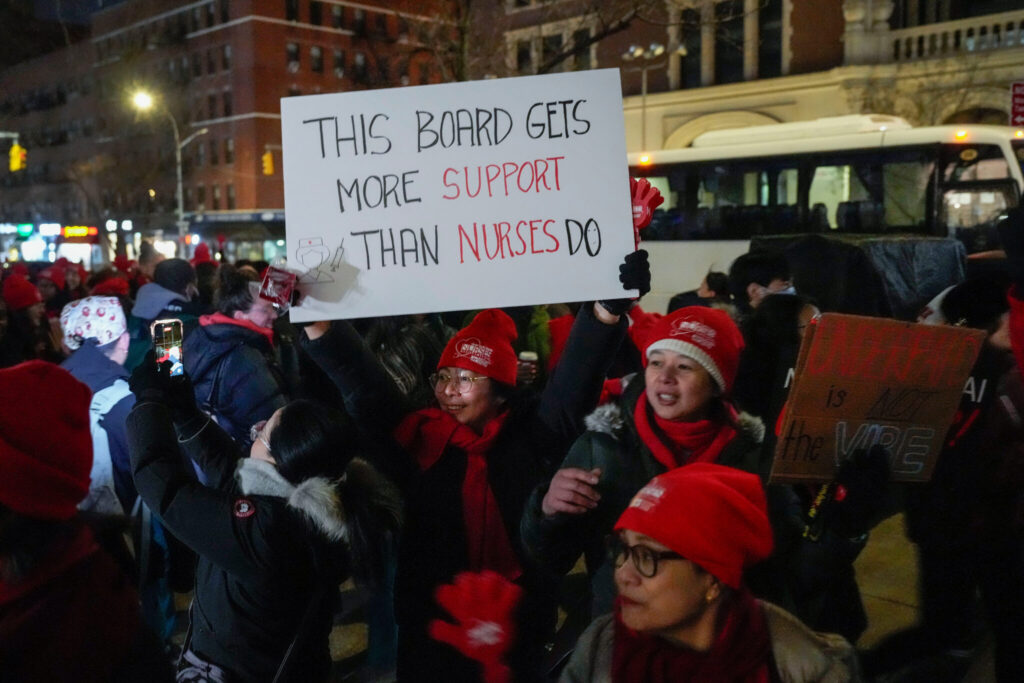
Thousands of nurses across New York City took to the picket lines on Monday, launching a large-scale strike that has disrupted operations at several major hospitals. After contract negotiations collapsed over the weekend, roughly 15,000 nurses began their walkout, according to the New York State Nurses Association (NYSNA).
The strike is impacting The Mount Sinai Hospital, two of its affiliated campuses, NewYork-Presbyterian Hospital, and Montefiore Medical Center in the Bronx. Picket lines formed outside facilities as nurses protested working conditions, pay disparities, and staffing shortages. The coordinated strike comes at a time when hospitals are already under pressure from a particularly severe flu season.
Hospitals are scrambling to mitigate disruptions. Administrators have hired temporary nursing staff to fill in for striking workers, and Montefiore issued a statement reassuring patients that scheduled appointments would still take place. Nonetheless, hospital systems may need to reroute ambulances, postpone procedures, and transfer patients due to the reduced workforce.
Montefiore spokesperson Joe Solmonese responded strongly to the union’s demands, saying, “NYSNA’s leaders continue to double down on their $3.6 billion in reckless demands, including nearly 40% wage increases, and their troubling proposals like demanding that a nurse not be terminated if found to be compromised by drugs or alcohol while on the job.”
He added that Montefiore remains committed to providing “safe and seamless care” throughout the strike, regardless of its length.
NewYork-Presbyterian accused the union of using the strike to “create disruption,” but stated that the hospital system had made preparations to maintain patient services. In a public statement, the hospital said, “We’re ready to keep negotiating a fair and reasonable contract that reflects our respect for our nurses and the critical role they play, and also recognizes the challenging realities of today’s healthcare environment.”
Despite the unified nature of the strike, each hospital is engaged in its own set of contract negotiations with NYSNA. Several hospitals in other parts of New York City and the surrounding suburbs were able to avoid labor stoppages by reaching deals with the union in recent days.
Core issues in the ongoing labor dispute include staffing levels, nurse-to-patient ratios, pay raises, and safety protocols. Union leaders claim that nurses are regularly overwhelmed with workloads that jeopardize patient safety. They also cite a recent alarming incident in which a man armed with a sharp object barricaded himself in a Brooklyn hospital room before being killed by police.
Another point of contention is the increasing use of artificial intelligence in hospitals. NYSNA is pushing for limits on how AI technologies are implemented in clinical decision-making and staffing logistics.
The hospitals, all nonprofit institutions, maintain that they have made efforts to improve staffing and workplace safety. However, they argue that the union’s demands are financially unrealistic and would undermine the long-term sustainability of patient care.
This latest strike was authorized by nurses in a vote held last month.
Political leaders in New York have expressed concern and solidarity with the nurses. Governor Kathy Hochul and New York City Mayor Zohran Mamdani urged both sides to remain at the negotiation table. Mamdani emphasized the essential role nurses have played, especially during the COVID-19 crisis and other public health emergencies.
“Our nurses kept this city alive through its hardest moments. Their value is not negotiable,” Mamdani said.
State Attorney General Letitia James echoed that sentiment, stating, “Nurses put their lives on the line every day to keep New Yorkers healthy. They should never be forced to choose between their own safety, their patients’ well-being, and a fair contract.”
This isn’t the first time New York City has seen nurses walk off the job. A similar strike occurred in 2023 at Mount Sinai and Montefiore. That walkout lasted just three days and resulted in a contract that included a 19% pay increase spread over three years, as well as promises to improve staffing levels.
Yet, disputes remain over whether those staffing improvements were fully implemented. The union accuses the hospitals of backtracking on previous commitments, while the hospitals claim progress has been made.
With negotiations stalled and thousands of nurses on the line, New York’s healthcare infrastructure is facing another serious test.