

Three Countries Reportedly Mediating Between US and Iran/ Newslooks/ WASHINGTON/ J. Mansour/ Morning Edition/ Trump postponed strikes on Iran’s power grid for five days. Talks between U.S. and Iranian officials show potential progress. Markets reacted positively as tensions briefly eased.
Trump Delays Iran Strikes Quick Looks
- Trump pauses planned strikes on Iranian power plants
- U.S. and Iran reportedly held “productive” talks
- Envoys Witkoff and Kushner involved in negotiations
- Turkey, Egypt and Pakistan reportedly mediating
- Oil prices drop and global markets rebound
- Israel continues strikes despite diplomatic signals
Deep Look: Three Countries Reportedly Mediating Between US and Iran
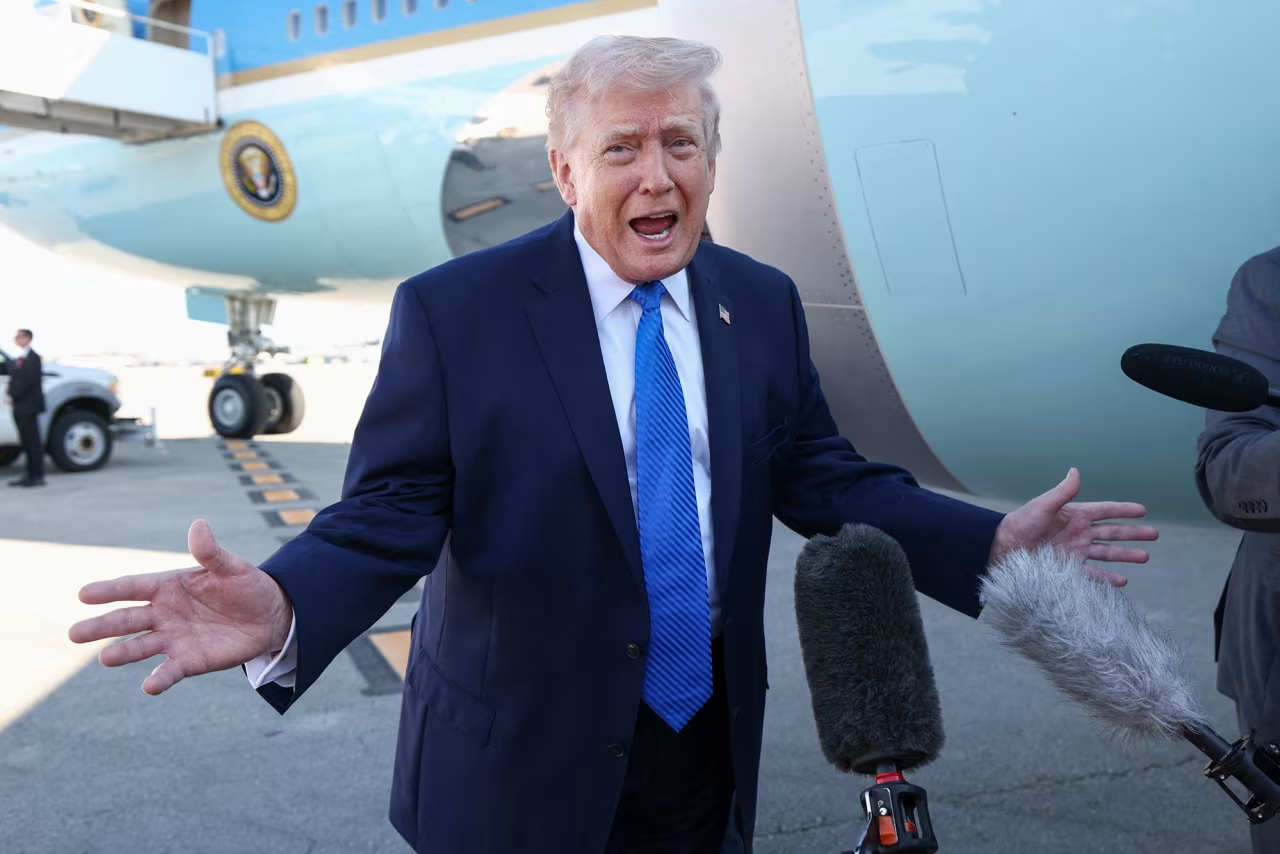
President Donald Trump has ordered a temporary halt to planned U.S. strikes on Iran’s power infrastructure, signaling a possible shift toward diplomacy as the conflict enters its fourth week.
The decision delays military action for five days, just hours before a deadline Trump had set for potential escalation. The pause follows what the president described as “very good and productive” discussions between U.S. and Iranian officials aimed at reaching a broader resolution to hostilities in the Middle East.
According to Trump, key members of his diplomatic team — including special envoy Steve Witkoff and adviser Jared Kushner — have been engaged in ongoing talks with Iranian representatives. While the president declined to identify the specific officials involved on Tehran’s side, he suggested that negotiations are taking place with influential figures still active within Iran’s leadership.
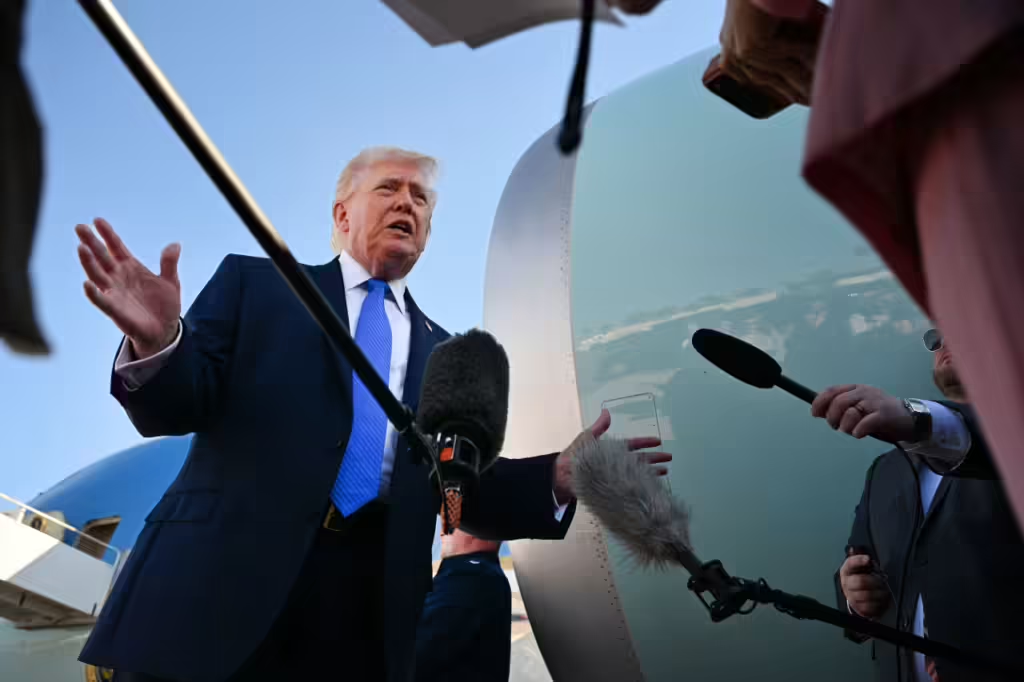
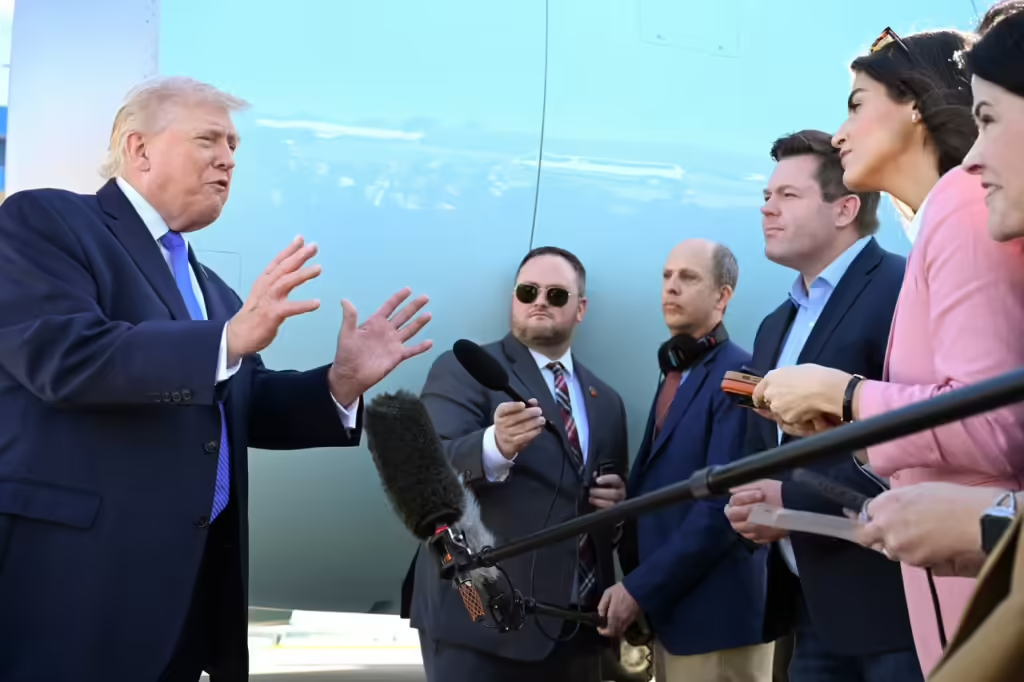
“We are in the midst of a real possibility of making a deal,” Trump told reporters, emphasizing that discussions had revealed significant areas of agreement.
Diplomatic efforts appear to extend beyond bilateral talks. Reports indicate that intermediaries from Turkey, Egypt and Pakistan have been involved in facilitating communication between Washington and Tehran. Iranian officials have acknowledged that there are ongoing initiatives aimed at reducing tensions, though they have insisted that the United States must take a direct role as the party that initiated the conflict.
The announcement had an immediate impact on global markets. Oil prices dropped sharply following Trump’s remarks, with Brent crude briefly falling below $100 per barrel after hovering near $120 in previous days. U.S. stock futures also rebounded, reversing earlier losses as investors responded to signs of potential de-escalation.
The temporary reprieve comes after Trump had warned Iran that its power plants could be targeted if it failed to reopen the Strait of Hormuz — a critical global shipping route through which roughly one-fifth of the world’s oil and liquefied natural gas flows. Iran’s effective closure of the strait has been a central factor driving energy price spikes and fueling concerns about global inflation.
Despite the diplomatic overtures, tensions remain high. Iran’s Revolutionary Guard has warned it would retaliate by targeting Israeli infrastructure and facilities linked to U.S. operations in the Gulf if attacks proceed. Iranian officials have also threatened to mine key waterways, a move that could further disrupt global energy supplies and intensify the crisis.
The broader humanitarian and economic toll continues to mount. More than 2,000 people have been killed since the conflict began on Feb. 28, while the war has disrupted global markets, driven up fuel costs and strained international alliances.
Energy experts warn that the current crisis could surpass previous global shocks. The International Energy Agency has indicated that the disruption rivals — or even exceeds — the oil crises of the 1970s and the energy fallout from Russia’s 2022 invasion of Ukraine.
Complicating matters further are the risks associated with targeting energy infrastructure in the Gulf region. Electricity is critical not only for economic activity but also for basic survival in desert nations, where desalination plants supply most of the drinking water. Any widespread damage to power systems could have cascading humanitarian consequences.
Meanwhile, Israel has continued its military campaign, launching a new wave of strikes on targets in Tehran and other parts of Iran. Reports from Iranian media indicate casualties from attacks on residential areas and infrastructure, underscoring the ongoing intensity of the conflict even as diplomatic channels remain open.
Across the region, missile threats and countermeasures persist. Saudi Arabia reported intercepting incoming projectiles aimed toward Riyadh, highlighting the risk of further regional escalation.
Trump’s decision to delay strikes reflects the delicate balance between military pressure and diplomatic opportunity. While the pause offers a window for negotiations, it remains unclear whether the talks will lead to a lasting agreement — or merely delay another phase of escalation.
Turkey steps up diplomatic efforts to end war in Iran

Turkey’s Foreign Minister Hakan Fidan speaks during an interview in Ankara, Turkey, on March 14.Khalil Hamra/AP
Turkey is stepping up diplomatic efforts to end the war in Iran, with Foreign Minister Hakan Fidan conducting more than a dozen calls with regional and global counterparts over the past 48 hours, according toreadouts of the foreign ministry’s phone traffic.
On Sunday, Fidan held separate calls with his Iranian and Egyptian counterparts as well as US and EU officials where “steps aimed at stopping the war were discussed,” a Turkish diplomatic source said.
Fidan also held calls yesterday with the prime minister and foreign minister of Qatar, Saudi’s foreign minister as well as Pakistani officials, in which they “evaluated the ongoing efforts to bring the war to an end.”
The phone diplomacy continued today with calls to leaders in Egypt and Norway where “the discussions focused on efforts to stop the war,” the source said.
The Turkish Foreign Ministry told CNN they would not comment on Ankara’s mediation efforts at this stage.
People familiar with the talks say both Turkey and Egypt have relayed messages between parties as part of a broader push to de-escalate rising tensions around key energy infrastructure and power facilities.
Egypt welcomes Trump’s decision to postpone energy strikes
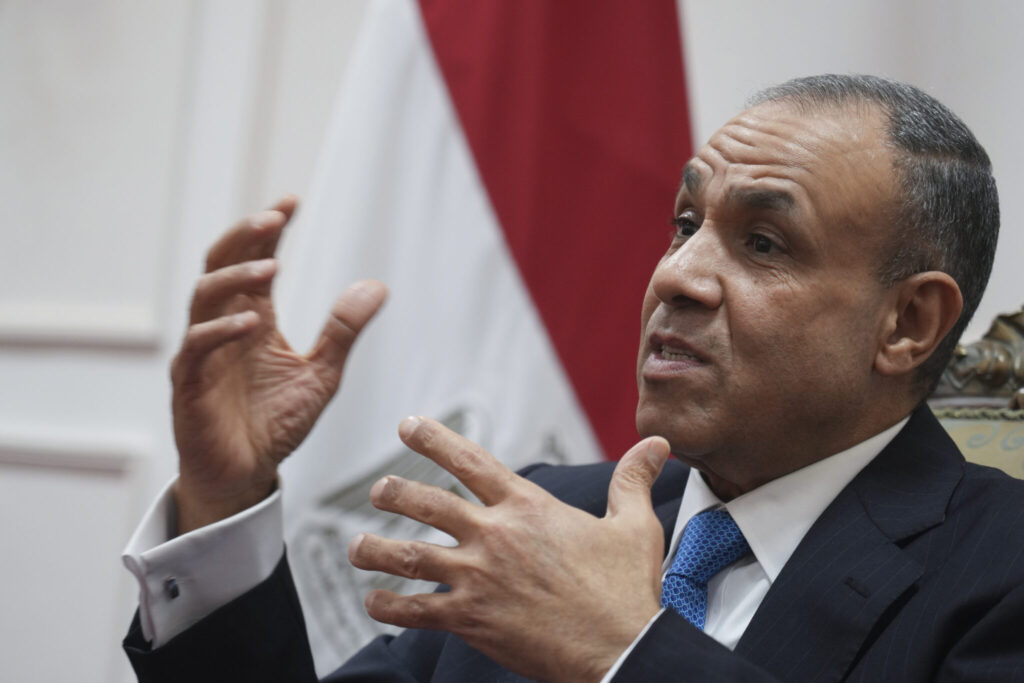
Egypt, a key regional mediator, said today it appreciates US President Donald Trump’s decision to hold off military strikes against Iranian energy sites, while stressing the importance of “seizing this opportunity and building on it in order to prioritize dialogue.”
“Egypt values the statements made today, March 23, by U.S. President Donald Trump, in which he referred to his intensive contacts aimed at de-escalation and his intention to halt the targeting of Iranian energy facilities,” the country’s foreign ministry said in a statement.
The ministry said it recognizes the “importance of seizing this opportunity and building on it in order to prioritize dialogue, stop the escalation, and ultimately bring the war to an end.”
It added that Egypt is working in close coordination with regional and international parties to “urge all concerned sides to de-escalate,” as well as to prevent the expansion of the conflict in the region.




You must Register or Login to post a comment.