

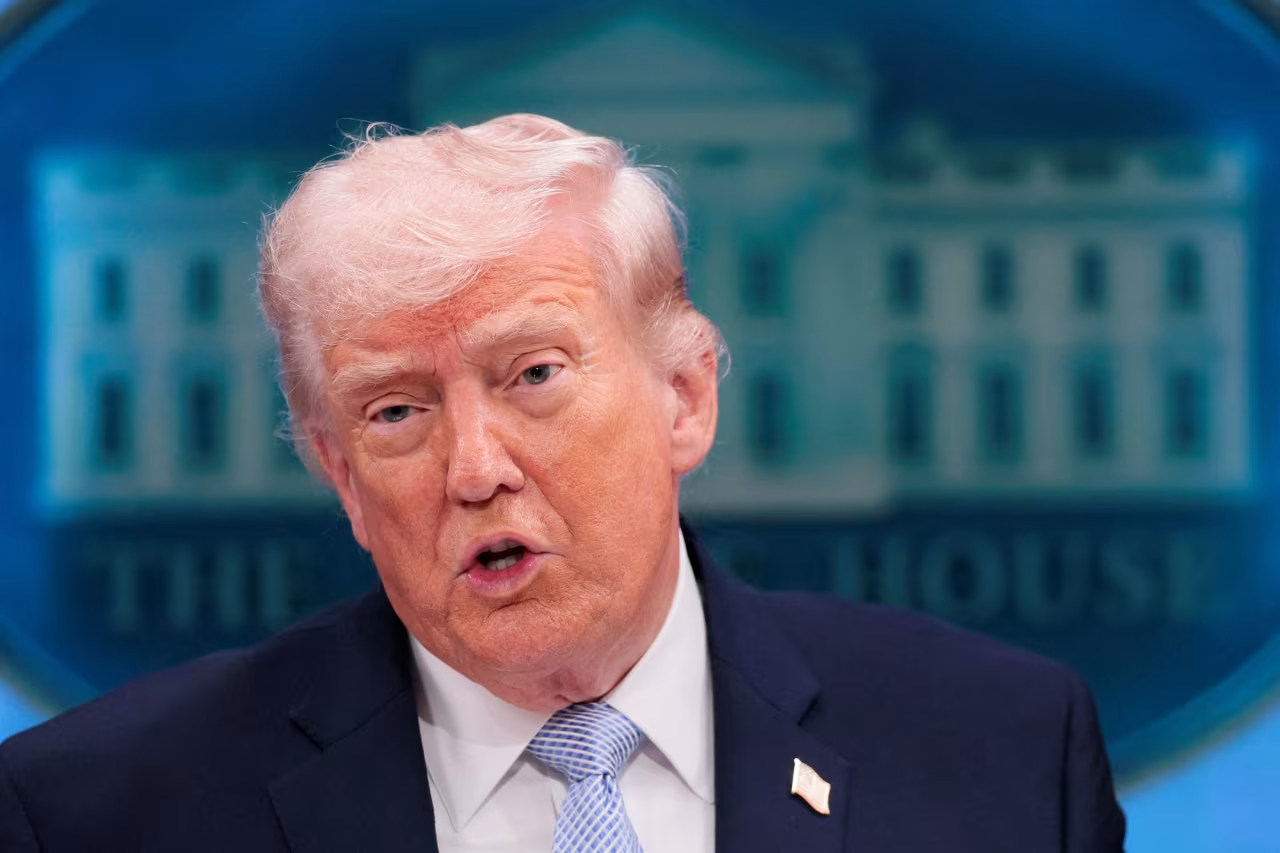
Trump: ‘A Whole Civilization Will Die Tonight’ If a Deal with Iran Isn’t Reached/ Newslooks/ WASHINGTON/ J. Mansour/ Morning Edition/ Trump warned a “whole civilization” could collapse if Iran fails to reopen the Strait of Hormuz before his deadline. Airstrikes hit Iranian infrastructure while Tehran mobilized volunteers and launched retaliatory attacks. Global leaders warned the conflict could trigger war crimes, economic turmoil, and broader regional escalation.
Trump Iran Warning Quick Looks
- Trump issued a final deadline to Iran
- Iran called citizens to form human chains
- Airstrikes hit bridges, railways, and energy sites
- Israel struck multiple Iranian cities
- Iran fired missiles toward Saudi Arabia and Israel
- Oil prices surged above $108 per barrel
- Global leaders warned of possible war crimes
- Diplomats raced to prevent broader regional conflict
- Strait of Hormuz blockade disrupted global oil supply
- More than 1,900 deaths reported in Iran

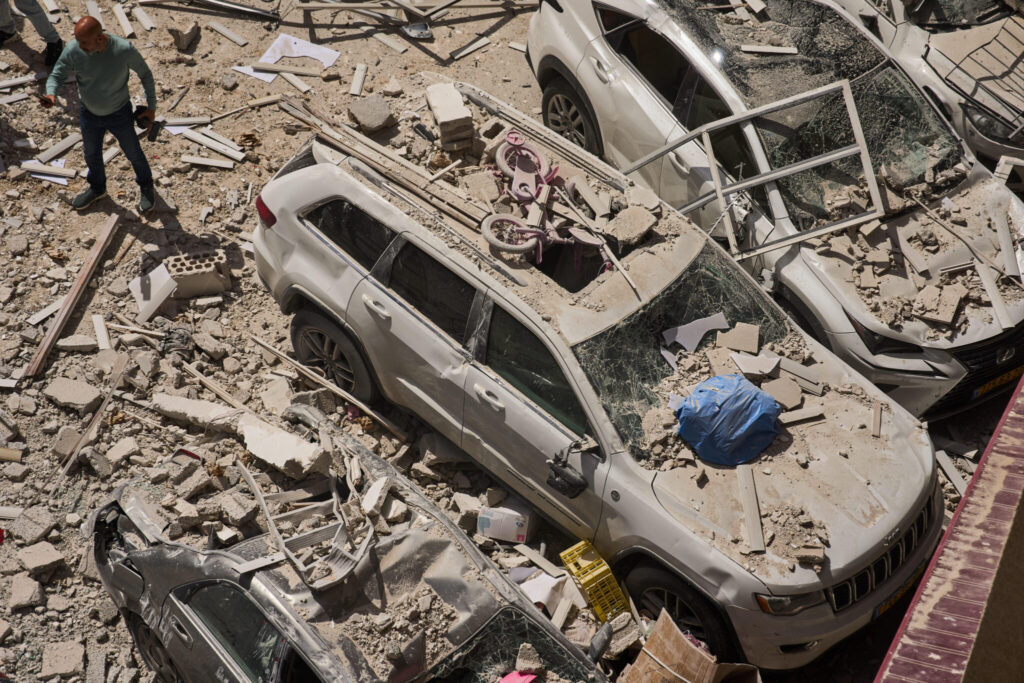
Deep Look: Trump Warns ‘Civilization Could Die’ As Iran Conflict Intensifies
TEHRAN — Global tensions surged Tuesday after U.S. President Donald Trump issued a stark warning that “a whole civilization will die tonight” unless Iran agrees to reopen the strategically critical Strait of Hormuz and accept a new diplomatic deal.
The dramatic warning came as airstrikes targeted Iranian infrastructure and Tehran mobilized civilians to protect key facilities, signaling the conflict may be approaching a dangerous new phase. Iranian officials urged young people to form human chains around power plants and other critical infrastructure, a move reminiscent of earlier confrontations between Tehran and Western nations.
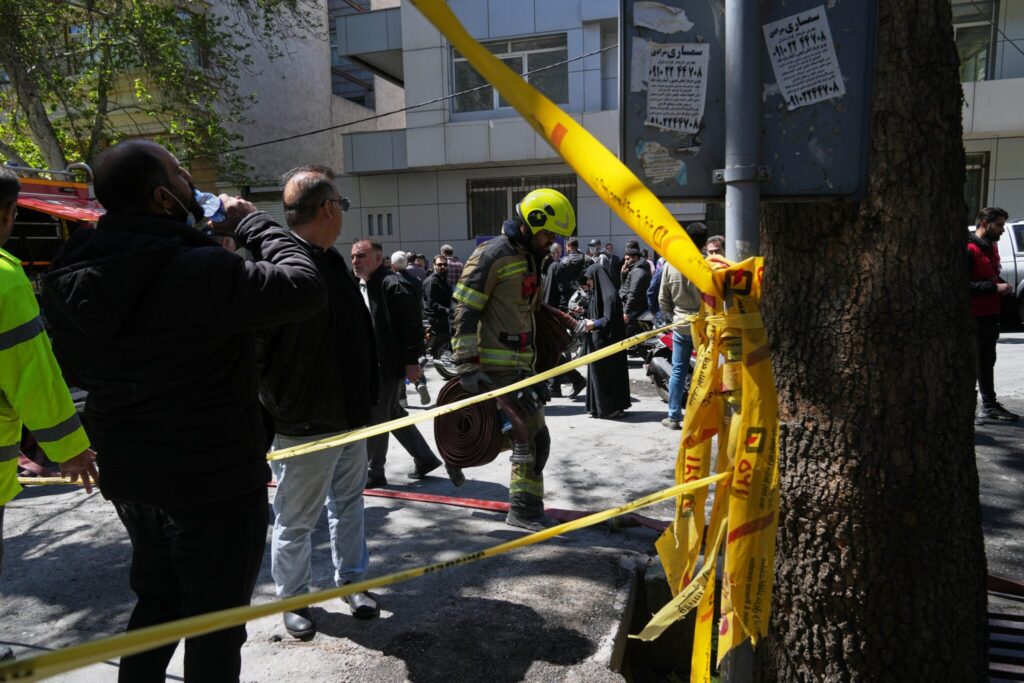
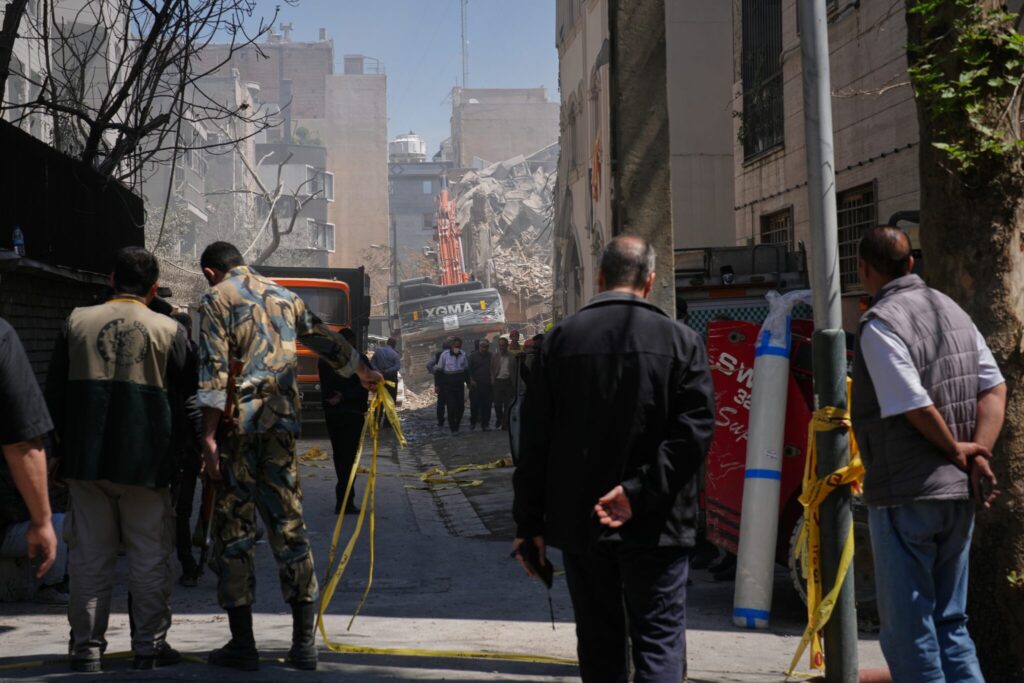
The crisis escalated further after U.S. forces struck military targets on Kharg Island, Iran’s major oil export hub, marking the second American attack on the location. Meanwhile, Israeli warplanes reportedly hit bridges and rail networks across multiple Iranian cities, including Tehran, Karaj, Tabriz, Kashan, and Qom.
Trump’s deadline, set for 8 p.m. Washington time, appeared to represent a final attempt to force Tehran into negotiations. The U.S. president warned that failure to comply could result in the destruction of Iran’s power plants and bridges — threats that intensified fears of widespread infrastructure collapse.
Iranian President Masoud Pezeshkian responded by claiming that 14 million citizens had volunteered to fight. A Revolutionary Guard general also urged parents to send their children to man checkpoints, underscoring the growing domestic mobilization.
Meanwhile, Iranian officials warned that if attacked, Tehran would target regional energy infrastructure and disrupt oil and gas supplies for years. These threats carried significant weight, as Iran continues to maintain control over the Strait of Hormuz — a vital shipping route responsible for roughly one-fifth of global oil supply.
Airstrikes Expand Across Region
Airstrikes intensified across Iran, including in residential areas of Tehran. Israeli forces also struck a petrochemical facility in Shiraz for the second consecutive day. A U.S. official said American strikes on Kharg Island targeted military assets rather than oil infrastructure.
The conflict expanded beyond Iran’s borders. Saudi Arabia reported intercepting seven ballistic missiles and four drones launched by Iranian forces. The attacks prompted the temporary closure of the King Fahd Causeway connecting Bahrain and Saudi Arabia.
Iran also fired on Israel, further raising fears of a broader Middle East war. Casualty figures continued to climb:
- Over 1,900 killed in Iran
- More than 1,500 killed in Lebanon
- Over 1 million displaced in Lebanon
- 23 deaths reported in Israel
- 13 U.S. service members killed
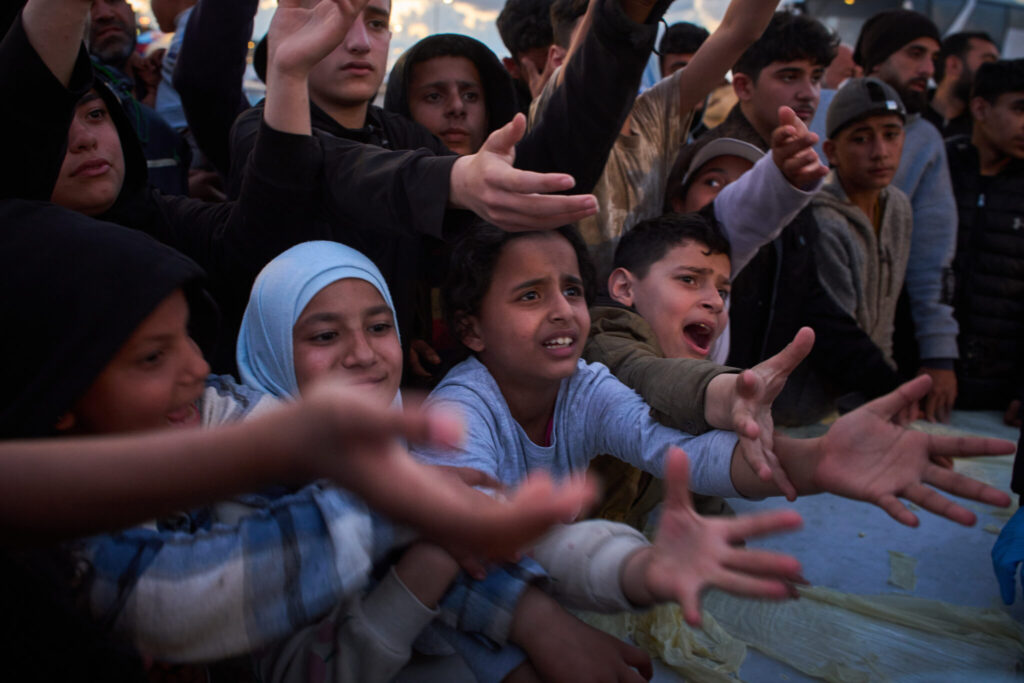
These figures highlight the growing humanitarian crisis and widening regional impact.
Global Leaders Warn of War Crimes
International leaders raised concerns over Trump’s threats to target civilian infrastructure. French Foreign Minister Jean-Noël Barrot warned that attacks on energy and civilian facilities could violate international law and trigger further escalation.
United Nations Secretary-General António Guterres echoed those concerns, cautioning that strikes targeting civilian infrastructure are prohibited under international law.
Trump dismissed those concerns, telling reporters he was “not at all” worried about potential war crimes allegations.
Oil Prices Surge, Global Economy Shaken
The Strait of Hormuz blockade has already caused major economic ripple effects. Oil prices surged above $108 per barrel, representing roughly a 50% increase since the conflict began. Rising energy costs have driven up gasoline, food prices, and transportation costs worldwide.
Iran closed the Strait after U.S. and Israeli strikes on Feb. 28 triggered the broader conflict. Since then, Tehran has linked reopening the shipping route to sanctions relief.
Diplomatic negotiations continued behind the scenes, with mediators from Pakistan, Egypt, and Turkey attempting to broker a compromise. U.S. officials signaled willingness to ease some sanctions, particularly those affecting Iran’s oil sector, in an effort to stabilize global markets.
Still, Iran rejected a 45-day ceasefire proposal, demanding a permanent end to hostilities.
Civilians Fear Worsening Crisis
In Tehran, anxiety grew as residents braced for possible strikes. A teacher speaking anonymously expressed fears that infrastructure destruction could push the country into chaos.
“If we don’t have electricity, water, and gas, we’re really going back to the Stone Age,” she said, reflecting widespread concerns among civilians.
With Trump’s deadline approaching, diplomats raced to avert further escalation. But with both sides escalating rhetoric and military action, the situation remained volatile — and the possibility of a broader regional war continued to grow.






You must Register or Login to post a comment.