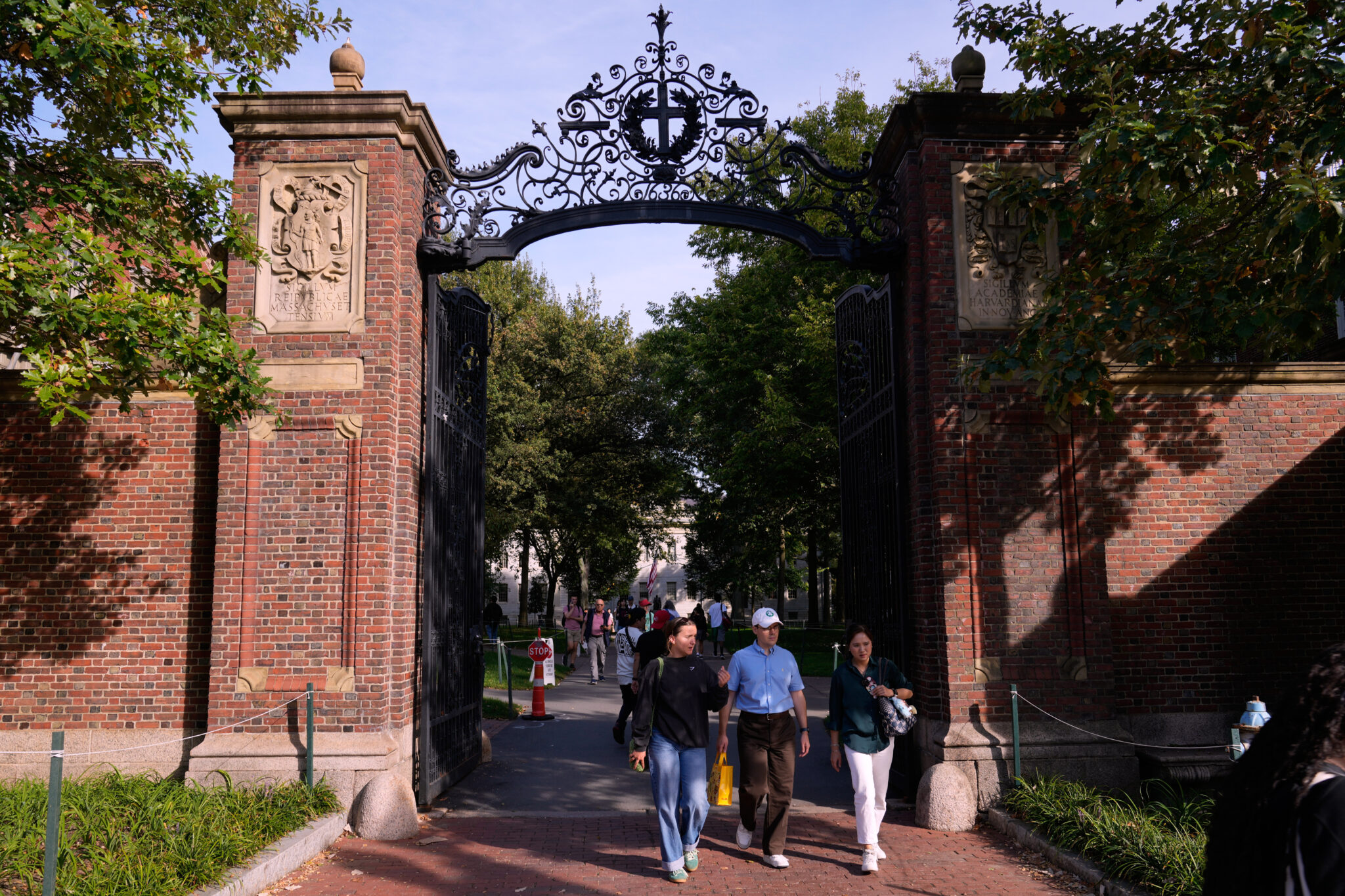
Trump Admin Appeals Judge’s Ruling Restoring Harvard Funding/ Newslooks/ WASHINGTON/ J. Mansour/ Morning Edition/ The Trump administration has filed an appeal challenging a federal judge’s decision that restored billions in funding to Harvard University. The ruling found that the funding cuts violated Harvard’s First Amendment rights and federal procedures. The case highlights a broader conflict between the White House and elite universities over governance and ideology.
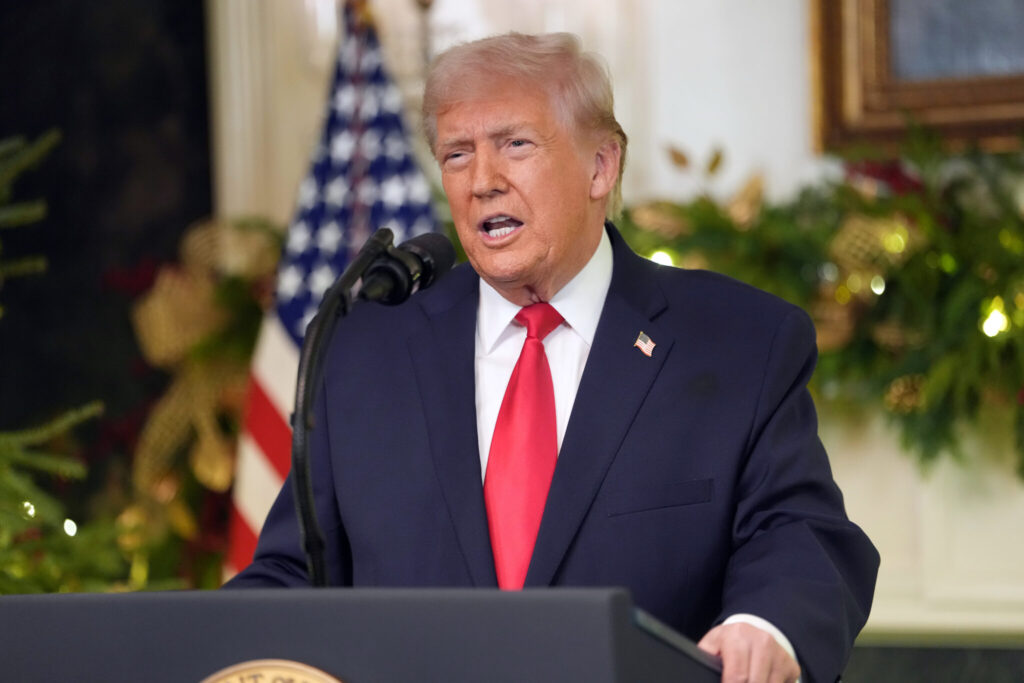
Trump Administration Harvard Funding Appeal Quick Looks
- The Trump administration filed a notice of appeal late Thursday.
- The appeal challenges a ruling that reversed over $2.6 billion in funding cuts to Harvard.
- U.S. District Judge Allison Burroughs ruled the cuts violated the First Amendment.
- The judge said the government imposed unconstitutional conditions on funding.
- Harvard and the AAUP brought consolidated lawsuits against the government.
- The administration accused Harvard of failing to address antisemitism on campus.
- The judge rejected that claim, calling it a pretext for ideological retaliation.
- Harvard says it remains confident in its legal position.
- The appeal does not yet include legal arguments.
- Other universities have reached settlements with the Trump administration.
- Harvard continues negotiations while contesting the funding cuts.
- Trump previously floated a $500 million proposal tied to workforce training.
- That proposal never materialized.
Deep Look: Trump Administration Appeals Ruling Restoring Harvard Funding
The Trump administration has formally escalated its legal battle with Harvard University by filing an appeal of a federal judge’s order that restored billions of dollars in research funding to the Ivy League institution. The move extends a high-profile confrontation over the White House’s efforts to pressure elite universities into sweeping reforms tied to ideology, governance, and campus culture.
The Justice Department submitted a notice of appeal late Thursday, signaling its intention to challenge a September ruling by U.S. District Judge Allison Burroughs. The ruling reversed more than $2.6 billion in federal funding cuts imposed on Harvard, finding that the Trump administration violated constitutional protections and failed to follow established federal procedures.
The appeal stems from two consolidated lawsuits brought by Harvard University and the American Association of University Professors. Together, the cases have become a major test of how far the federal government can go in using research funding as leverage to force institutional changes at private universities.
Judge Burroughs ruled that the administration’s actions violated Harvard’s First Amendment rights by attaching unconstitutional conditions to federal funding. She also found that the government bypassed required processes that allow federal agencies to penalize universities for civil rights violations, concluding that the funding cuts were imposed improperly.
Central to the administration’s justification was an accusation that Harvard had been slow to respond to allegations of antisemitism on campus.
Burroughs rejected that argument, writing that the administration was using antisemitism “as a smokescreen for a targeted, ideologically-motivated assault on this country’s premier universities.” Her ruling framed the funding cuts as retaliatory rather than corrective.
While the notice of appeal marks the first procedural step toward overturning the decision, it does not outline the legal arguments the government plans to present. Those arguments are expected to be detailed in future filings as the case moves forward in the appellate courts.
Harvard responded with a statement expressing confidence in the ruling and in its legal position. University officials emphasized the importance of the restored funding, noting that it supports scientific research, medical breakthroughs, national security initiatives, and broader economic competitiveness.
The White House did not immediately comment on the appeal, nor did the American Association of University Professors. The silence underscores the ongoing and sensitive nature of negotiations that have continued even as the legal dispute unfolds.
Harvard has emerged as the most prominent target in President Donald Trump’s campaign to exert federal influence over higher education. Trump has repeatedly criticized elite universities, accusing them of being dominated by “woke” ideology and disconnected from the needs of working Americans. His administration has sought to use federal research funding as a tool to compel changes in admissions, governance, and campus policies.
While several institutions, including Columbia University, Brown University, and Cornell University, have reached agreements with the federal government, Harvard has resisted what it views as excessive and politically motivated demands. That resistance has made the university a focal point in the broader national debate over academic freedom and government oversight.
Throughout the legal battle, Trump has publicly suggested that a negotiated resolution was close. In September, he said discussions were underway on a potential deal that would require Harvard to contribute $500 million toward creating a large-scale trade school designed to train workers for American manufacturing plants. The proposal was framed as a way to redirect elite academic resources toward workforce development.
That proposal never came to fruition, and the president has largely stopped discussing it publicly since then. The failure to reach a settlement has left the dispute to play out in court, with significant implications for higher education nationwide.
Legal experts say the outcome of the appeal could shape future relationships between the federal government and universities that rely heavily on public research funding. At stake is whether administrations can impose ideological or policy-based conditions on funding without following established enforcement mechanisms.
For now, Harvard’s funding remains reinstated under Judge Burroughs’ order. The appeal ensures that the standoff will continue, keeping the university, the Trump administration, and the broader academic community locked in a legal and political struggle that extends well beyond a single institution.