
Trump Admin Nutrition Guides Target Ultra-Processed Food, Ease up on Red Meat, Saturated Fats/ Newslooks/ WASHINGTON/ J. Mansour/ Morning Edition/ The 2025-2030 U.S. Dietary Guidelines advise Americans to avoid processed foods and limit added sugars. The Trump administration’s new recommendations emphasize fresh vegetables, whole proteins, and reduced refined carbohydrates. The guidance may reshape school meals and federal nutrition policies nationwide.


Healthy Diet Guidelines Quick Looks
- New U.S. guidelines released by Health and Agriculture Secretaries
- Major focus on limiting highly processed foods and added sugars
- “Eat real food” message central to Trump administration’s plan
- Guidelines advise doubling protein intake from whole food sources
- Graphic replaces food pyramid with an inverted nutrition model
- Saturated fats still capped at 10% of daily intake
- Guidance influences National School Lunch Program and federal meals
- Plant-based protein groups criticize emphasis on meat and dairy
- “No amount” of added sugar is considered healthy
- Alcohol limits rolled back; general caution on drinking advised

Trump Admin Nutrition Guides Target Ultra-Processed Food, Ease up on Red Meat, Saturated Fats
Deep Look
Washington, D.C. – A major update to federal dietary guidelines urges Americans to dramatically reduce their consumption of processed foods and added sugars, marking one of the most significant shifts in national nutrition policy in years.
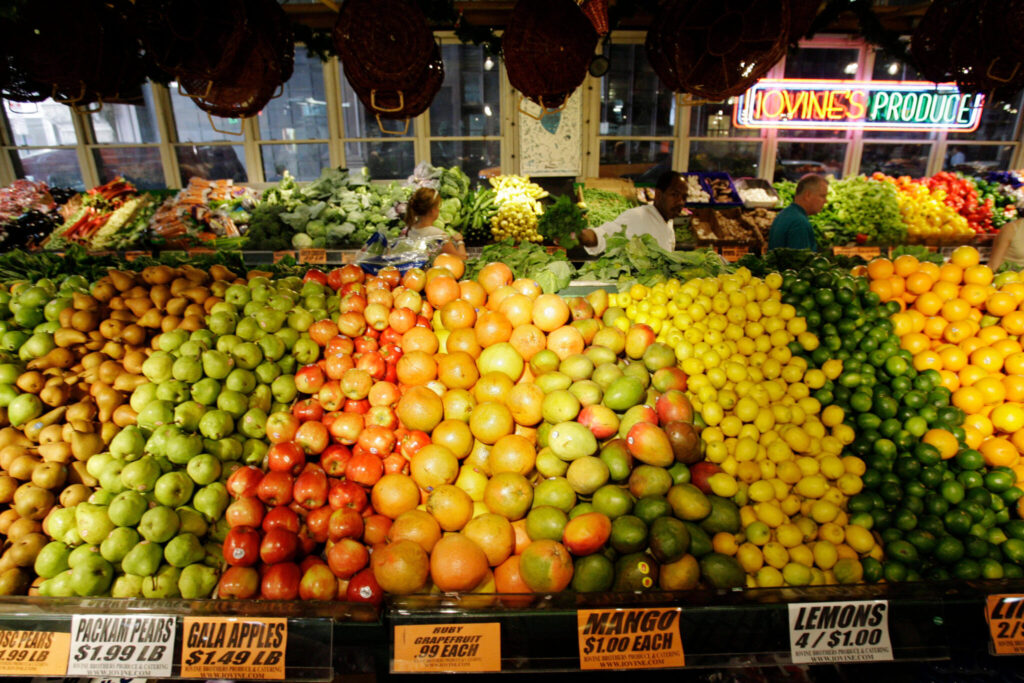
The 2025–2030 U.S. Dietary Guidelines, released Wednesday by Health Secretary Robert F. Kennedy Jr. and Agriculture Secretary Brooke Rollins, promote whole foods, fresh vegetables, and higher protein intake while warning against “highly processed” packaged products and sugary snacks.
“Our message is clear: Eat real food,” Kennedy said during a White House briefing, reiterating a central theme of President Donald Trump’s “Make America Healthy Again” initiative.
A new inverted food pyramid visual places protein, dairy, fruits, vegetables, and healthy fats at the top, while whole grains now occupy the lower end — a reversal of decades-old USDA food models.
What’s New in the Guidelines?
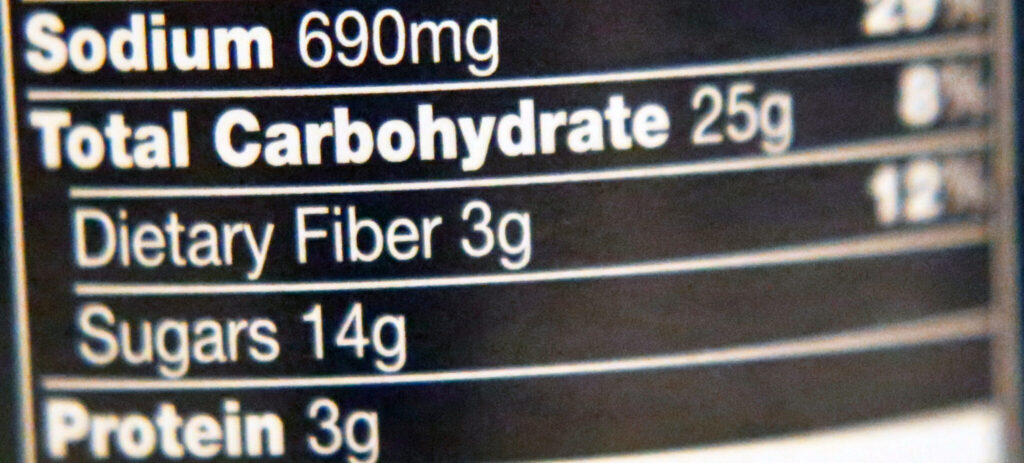
- Limit Processed Foods: The guidance warns against “packaged, prepared, ready-to-eat or other foods that are salty or sweet,” such as cookies, chips, and candy.
- Cut Added Sugars: Americans are urged to avoid added sugars altogether, with a limit of just 10 grams per meal, or 2 teaspoons.
- Boost Protein Intake: The guidelines now recommend 1.2 to 1.6 grams of protein per kilogram of body weight, a notable increase from prior recommendations.
- Whole-Food Fats Preferred: Saturated fats from foods like avocados, meat, and whole-fat dairy are permitted, but still capped at 10% of daily caloric intake.
- Avoid Excess Alcohol: Prior hard limits are replaced with advice to “consume less alcohol for better health.”
The move away from ultraprocessed foods, which make up over 50% of the average American’s caloric intake, comes amid growing links to obesity, diabetes, and heart disease. Though some health experts had expected the Trump administration to relax restrictions on saturated fats, the guidelines instead walked a middle line — advocating moderation and whole-food sources.
Praise and Pushback
Prominent medical professionals welcomed the shift:
“There should be broad agreement that eating more whole foods and reducing highly processed carbohydrates is a major advance,” said Dr. David Kessler, a former FDA commissioner.
The American Medical Association called the guidance a step toward recognizing that “food is medicine.”
However, critics expressed concern over a continued emphasis on meat and dairy over plant-based alternatives. “Overall, if people eat the way these are recommended, they will be eating more calories, not less,” said Marion Nestle, a veteran nutritionist and food policy advisor.
The American Heart Association urged caution around animal-based protein and saturated fats. “We encourage consumers to prioritize plant-based proteins, seafood, and lean meats,” the organization said.
School Meals, Policy Impacts, and Simplicity
The 10-page document reflects a push by Kennedy to make the guidelines more digestible for the general public — down from a 164-page version in 2020. These guidelines will inform federal nutrition programs, including the National School Lunch Program, which feeds 30 million children per day.
Turning the new principles into actual school nutrition standards will be the responsibility of the USDA, a process that may take several years to implement.
Scientific Divergence on Ultraprocessed Foods
Interestingly, the new guidance did not strictly follow the advice of its 20-member scientific advisory panel, which refrained from making recommendations on ultraprocessed foods due to concerns about research quality.
Still, the Trump administration moved forward with policy language aimed at discouraging consumption of such foods — though a final, legal definition for “ultraprocessed” is still pending.
“The focus should be on highly processed carbohydrates,” said Dr. David Ludwig of Boston Children’s Hospital, cautioning that not all processing is harmful.
Protein and Macronutrient Guidance
The guidelines mark a shift from previous protein recommendations — previously 0.8 grams per kg of body weight — to up to 1.6 grams per kg. For a 150-pound person, that means up to 109 grams of protein per day.
Health officials say earlier protein guidance represented the minimum to avoid deficiency, not the ideal for overall health. Advocates say boosting protein can help displace reliance on refined carbohydrates.
Sugar and Alcohol: Harder Limits, Softer Language
While sugar intake receives the most stringent warning — with no added sugars recommended — guidance on alcohol has been softened. Previous recommendations that limited alcohol to one drink for women and two for men daily were replaced with general advice to reduce consumption.
“Consume less alcohol for better health,” the document states, while warning that some groups — such as pregnant individuals and those recovering from alcohol use — should avoid it entirely.
Final Thoughts
As America grapples with record levels of obesity and chronic disease, the Trump administration’s dietary guidelines could have sweeping impacts on public health, food industry labeling, school nutrition, and future federal food subsidies.
Still, only time will tell whether Americans — and federal agencies — will embrace the pivot away from processed food toward simpler, real ingredients.