


Trump Administration Eases Russian Oil Sanctions Amid Rising Prices/ Newslooks/ WASHINGTON/ J. Mansour/ Morning Edition/ The United States has temporarily eased certain sanctions on Russian oil shipments to stabilize global energy markets. The decision comes amid surging crude prices caused by supply disruptions linked to the Iran war. Despite the move, oil prices remain above $100 per barrel, highlighting ongoing market volatility.

US Russian Oil Sanctions Easing Quick Looks
- Temporary sanctions relief: U.S. suspends restrictions on certain Russian oil shipments for 30 days.
- Market stability goal: The move aims to calm energy markets during Middle East supply disruptions.
- High oil prices: Brent crude remains above $100 per barrel.
- Ukraine criticism: Kyiv warns the decision could boost Russia’s war funding.
- Global energy shock: Tanker disruptions in the Strait of Hormuz are tightening supply.
- Sanctions still active: Major Russian oil companies remain under U.S. sanctions.
Deep Look: Trump Administration Eases Russian Oil Sanctions Amid Rising Prices
The United States has temporarily eased some sanctions on Russian oil shipments as global energy markets struggle with soaring crude prices triggered by supply disruptions linked to the ongoing Iran war.
The move reflects growing concern among policymakers and energy analysts that tightening supply could further destabilize the global economy and accelerate inflation.
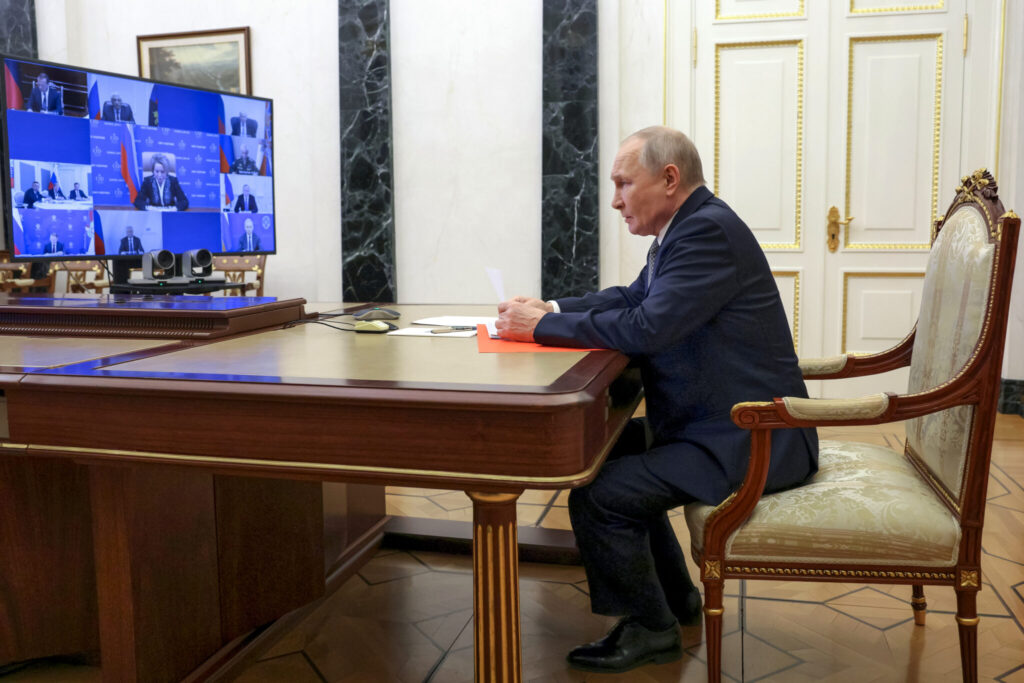
U.S. Treasury Secretary Scott Bessent announced the decision, saying sanctions would not apply for 30 days to Russian oil shipments that had already been loaded onto tankers as of Thursday. The short-term reprieve allows buyers to accept these shipments without risking violations of U.S. sanctions rules.
Temporary Relief for Oil Markets
The policy shift is designed as a narrow, short-term measure intended to stabilize energy markets rather than fundamentally alter the broader sanctions regime targeting Russia’s energy sector.
According to Bessent, the goal is to help prevent further price spikes caused by sudden disruptions to global oil supplies.
The Trump administration had already granted a similar 30-day reprieve to oil refineries in India, which have become major buyers of discounted Russian crude since Western nations imposed sanctions following Moscow’s invasion of Ukraine.
Bessent described the policy as part of President Donald Trump’s strategy to maintain stability in global energy markets and prevent dramatic increases in fuel prices.
He also argued that allowing already-loaded Russian oil shipments to reach buyers would not generate additional revenue for the Kremlin because the Russian government collects most of its taxes when the oil is extracted.
Sanctions against Russia’s two largest oil companies—Lukoil and Rosneft—remain in effect.
Russia Welcomes the Move
Officials in Moscow reacted positively to the announcement.
Kremlin spokesperson Dmitry Peskov said stabilizing global energy markets would be difficult without Russian oil supplies, which remain a significant portion of worldwide exports.
However, Ukrainian leaders strongly criticized the decision.
President Volodymyr Zelenskyy warned that easing restrictions—even temporarily—could provide Russia with billions of dollars that might be used to fund its war against Ukraine.
“This easing alone could provide Russia with about $10 billion for the war,” Zelenskyy said, arguing that energy revenues are a major source of funding for Moscow’s military operations.
Oil Prices Remain Elevated
Despite the announcement, global oil prices remained high.
Benchmark Brent crude briefly dipped after the policy change but quickly rebounded, rising above $100 per barrel and trading around $103.24 on Friday afternoon.
Just weeks earlier, before the outbreak of the Iran conflict, Brent had been trading below $73 per barrel.
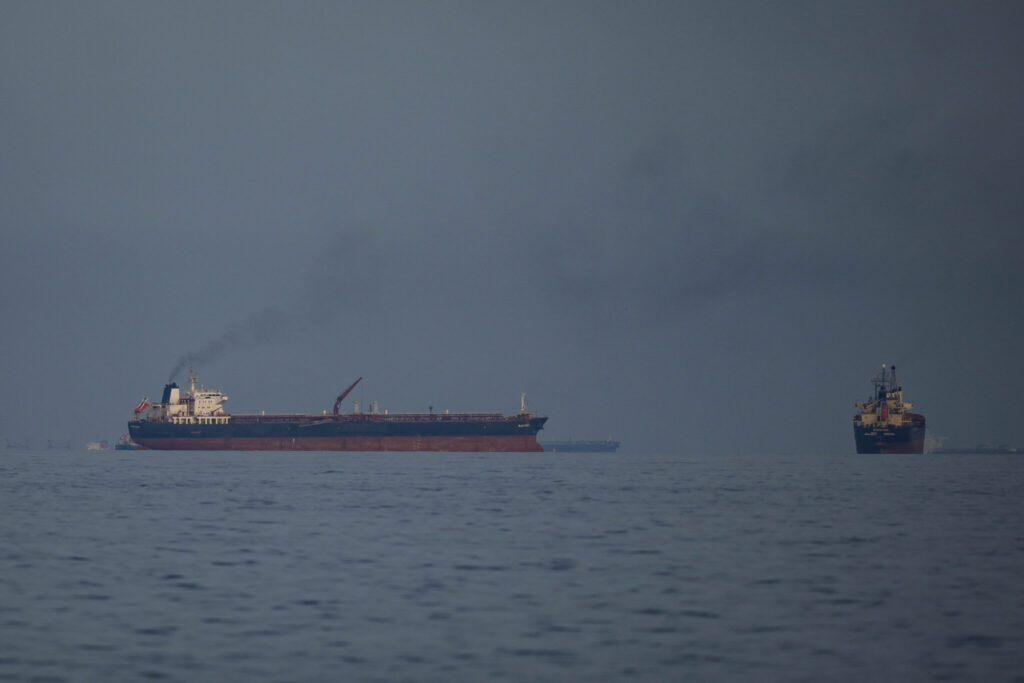
The sharp increase reflects a massive disruption to energy transport through the Strait of Hormuz, a critical shipping route linking Persian Gulf producers to global markets.
Roughly 20% of the world’s oil supply normally passes through the narrow waterway. Fighting related to the Iran war has significantly reduced tanker traffic through the region, cutting off large portions of Middle Eastern oil and gas exports.
Energy analysts say the loss of shipments from the Gulf has created a major supply shock for the global economy.
Limited Impact on Long-Term Sanctions
Experts believe the U.S. decision could slightly increase available oil supplies in the short term, helping ease pressure on prices.
Simone Tagliapietra, an energy analyst at the Brussels-based think tank Bruegel, said allowing stranded Russian oil to reach buyers could modestly stabilize markets.
Estimates suggest roughly 125 million barrels of Russian oil are currently being transported by tanker. That volume equals about five to six days of normal shipments through the Strait of Hormuz.
However, analysts say the policy change is unlikely to significantly alter long-term sanctions pressure on Russia.
Russia’s Oil Trade Has Already Adapted
Since Russia’s full-scale invasion of Ukraine in 2022, Western sanctions have reshaped global oil trade patterns.
The European Union, once Russia’s largest customer, largely stopped purchasing Russian crude. Many Western companies followed suit.
Instead, Moscow redirected exports to Asian markets, particularly China and India, where buyers have been willing to purchase Russian oil at discounted prices.
Those discounts were partly driven by a price cap imposed by the United States and its allies, which attempted to limit the amount Russia could earn from oil exports.
Over time, Russia developed a large fleet of aging tankers—often referred to as a “shadow fleet”—to bypass restrictions on shipping and insurance.
Still, the sanctions had a significant financial impact.
In late 2025, Russia’s Urals crude traded below $40 per barrel, dramatically reducing Moscow’s energy revenue. Oil and gas exports typically account for roughly 20% to 30% of Russia’s federal budget.
Rising Prices Strengthen Russia’s Position
The global oil shock caused by the Iran war has reversed some of that pressure.
Russian crude prices have risen alongside global benchmarks and now trade above $80 per barrel. While still discounted compared with Brent crude, the higher prices have boosted Russia’s export revenue.
According to the Centre for Research on Energy and Clean Air, Russia’s daily income from oil and liquefied natural gas exports has increased significantly since the conflict began.
The group estimates Moscow is currently earning about 510 million euros, or roughly $588 million, per day from energy exports.
Analysts say the U.S. decision to allow certain shipments may slightly narrow the discount applied to Russian oil by reducing sanctions risks for buyers.
However, experts believe the broader sanctions system remains intact.
Former Russian central bank official Sergei Aleksashenko said the policy change will likely have only a modest impact on Russia’s overall finances because the oil shipments would probably have found buyers anyway given the current supply shortage.
Political Debate Among Western Allies
The move has also sparked debate among Western allies.
German Chancellor Friedrich Merz said the issue of Russian oil was discussed during meetings of the Group of Seven industrialized democracies.
According to Merz, six of the seven G7 members expressed concern that easing restrictions—even temporarily—could send the wrong signal during the ongoing war in Ukraine.
The dispute highlights the difficult balancing act facing governments as they attempt to maintain pressure on Russia while also stabilizing energy markets strained by geopolitical conflict.






You must Register or Login to post a comment.