

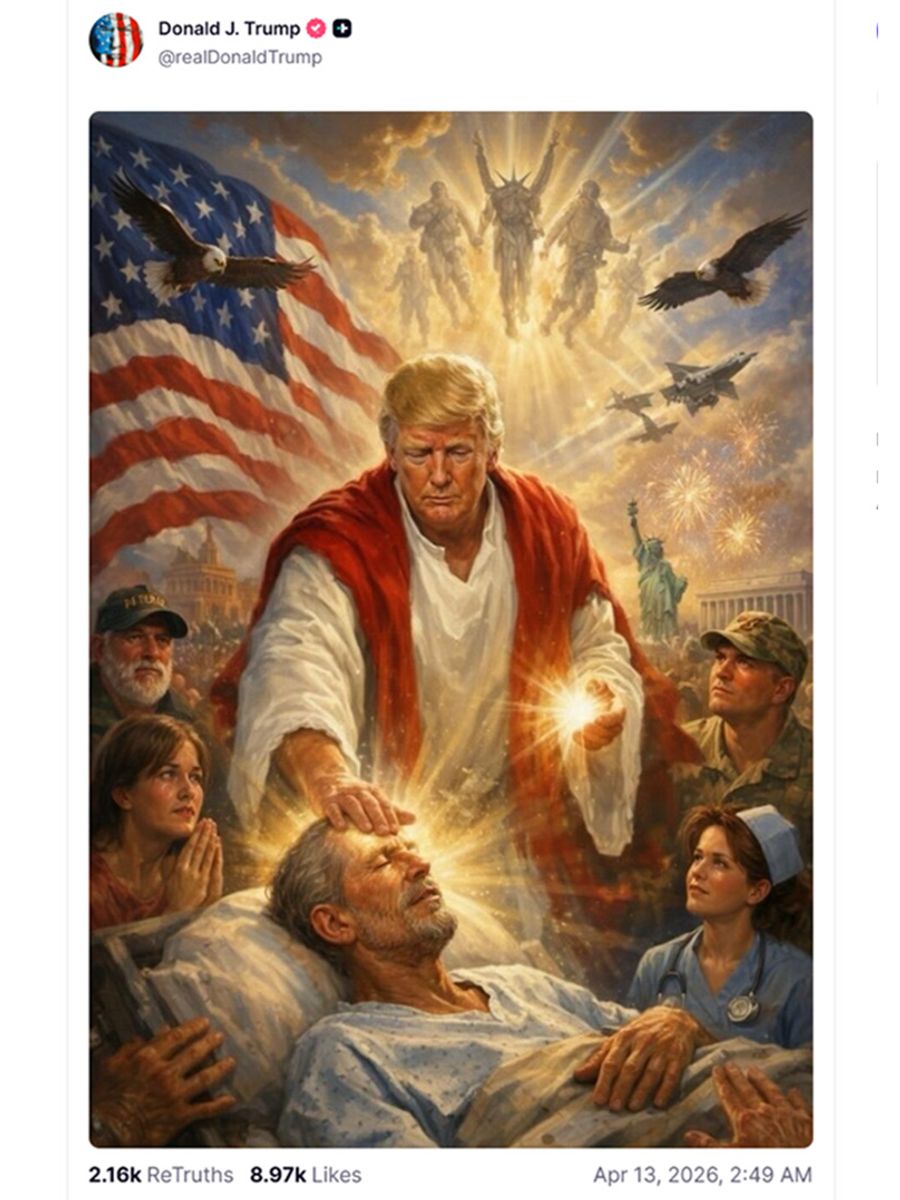
Trump AI Jesus Image Post Sparks Christian Backlash/ Newslooks/ WASHINGTON/ J. Mansour/ Morning Edition/ President Donald Trump faced backlash from Christian leaders and supporters after posting an AI-generated image depicting himself as a Jesus-like figure. Critics called the post blasphemous and urged its removal. The image was later deleted following widespread condemnation across political and religious circles.
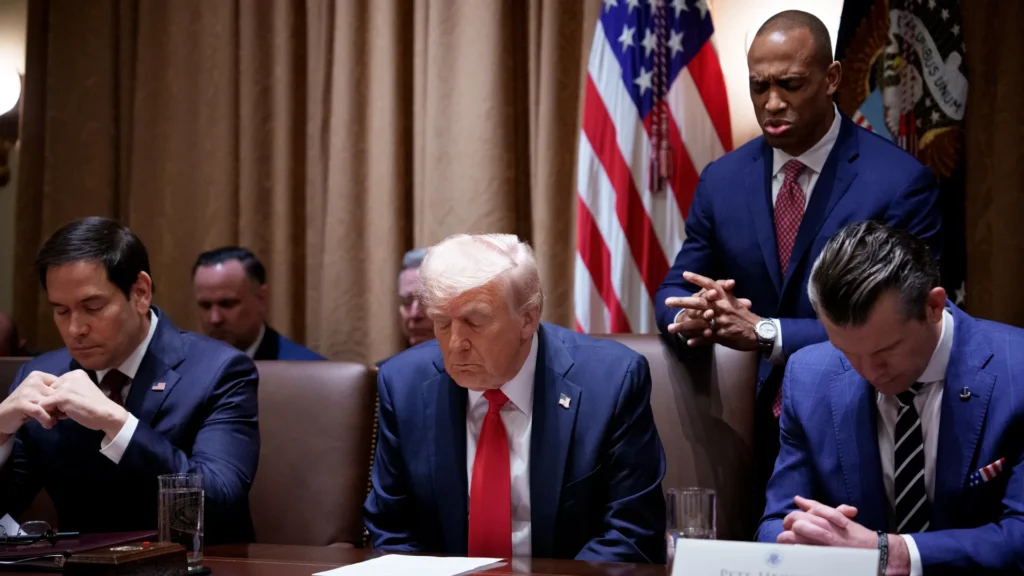
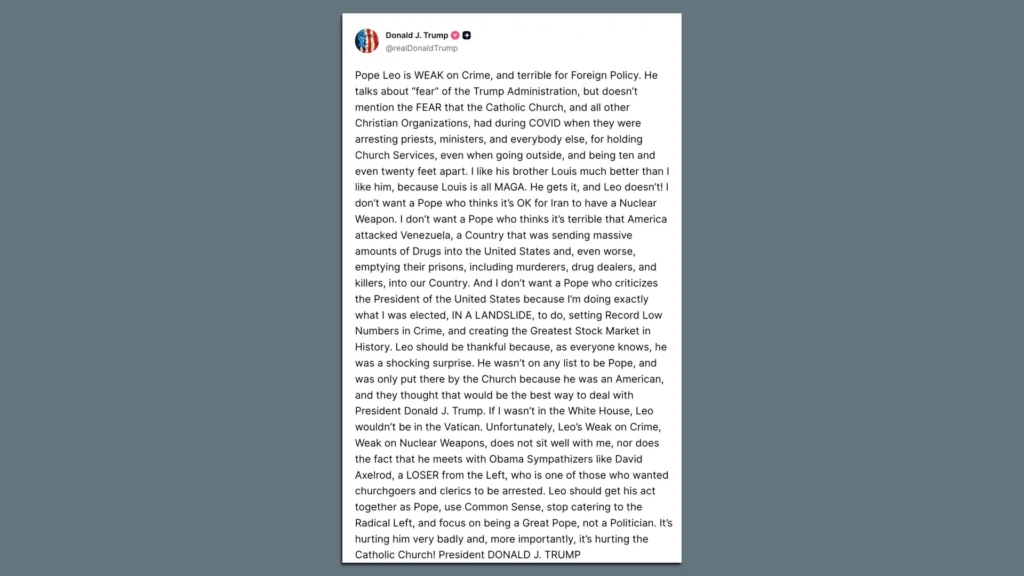
Trump Jesus Post Quick Looks
- Trump posted AI-generated Jesus-like image
- Christians and allies criticize post as blasphemy
- Image showed Trump healing sick man
- Post appeared Sunday, deleted Monday
- Criticism came from conservative supporters
- Trump also attacked Pope Leo XIV
- Faith leaders warn against political-religious fusion
- Some allies defended post as meme
- White House did not immediately comment
- Controversy deepens Trump-faith tensions
- Both right and left criticized image
- Debate reflects growing religious political divide
Deep Look: Trump AI Jesus Image Sparks Christian Backlash
President Donald Trump faced criticism from Christians, including several prominent allies, after posting an AI-generated image depicting himself in a Jesus-like role — a move many described as blasphemous and inappropriate.
The image, shared Sunday evening on Truth Social, portrayed Trump dressed in white and red robes, appearing to heal a sick man while light emanated from his hand. Patriotic imagery including the American flag, bald eagle, and Statue of Liberty surrounded the scene.
The post quickly sparked backlash from religious leaders, conservative commentators, and political figures. The image was later deleted Monday morning after widespread criticism.
The controversy comes at a time when Trump’s relationship with Christian leaders — a key voting bloc — has shown increasing tension.
Faith Leaders Condemn Image
Several Christian leaders voiced concern that the image blurred the line between religious faith and political leadership.
Rev. Paul D. Erickson, bishop of the Greater Milwaukee Synod of the Evangelical Lutheran Church in America, criticized the post as an example of Christian nationalism.
Erickson warned that such imagery risks creating “an unholy and unhealthy alliance between political leadership and divine providence,” arguing that it confuses religious belief with government authority.
The criticism underscores growing discomfort among some faith leaders about political messaging tied to religion.
Conservative Allies Also Criticize
Notably, backlash also came from conservative figures typically supportive of Trump.
Fox News contributor Riley Gaines questioned the post, writing:
“Why? Seriously, I cannot understand why he’d post this… a little humility would serve him well. God shall not be mocked.”
Conservative commentator Brilyn Hollyhand called the image “gross blasphemy,” adding that comparing oneself to Jesus undermines deeply held religious values.
Podcast host Michael Knowles also urged Trump to remove the image, arguing it could harm him both spiritually and politically.
Other conservative voices echoed similar concerns:
- RedState writer Bonchie called for an apology
- Journalist Megan Basham urged Trump to seek forgiveness
- Influencer Mike Cernovich criticized religious double standards
- Conservative commentator Carmine Sabia said Christians should be offended
The criticism reflected rare pushback from within Trump’s political base.
Trump’s Ongoing Vatican Tensions
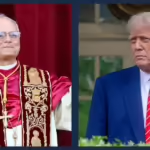
The controversy intensified after Trump also criticized Pope Leo XIV in a separate post Sunday, calling the pontiff “weak on crime” and “terrible for foreign policy.”
Pope Leo later responded to reporters, saying he had “no fear” of the Trump administration.
Archbishop Paul Coakley, president of the U.S. Conference of Catholic Bishops, expressed disappointment over Trump’s remarks about the pope.
The exchange highlights growing tensions between Trump and Catholic leadership, particularly over foreign policy and the Iran conflict.
Mixed Reactions Among Supporters
While many criticized the image, some Trump allies defended it as satire or political messaging.
Far-right activist Laura Loomer dismissed the backlash, suggesting critics were overreacting to a meme.
Some supporters argued the image symbolized Trump “healing the nation” rather than portraying himself as a religious figure.
Others pointed out similar images have circulated among supporters for years.
Still, criticism from both conservatives and liberals dominated the reaction.
Broader Political and Religious Divide
The controversy reflects broader divisions over the role of religion in politics.
Trump’s administration has pledged to combat what it calls “anti-Christian bias,” while some faith leaders have criticized policies related to immigration, foreign policy, and the Iran conflict.
The widening gap was highlighted in a recent interview where Catholic leaders questioned whether the Iran war met standards for a “just war.”
These disagreements have created friction between Trump and parts of the Christian community that traditionally support conservative candidates.
White House Response
The White House did not immediately respond to requests for comment following the controversy.
Despite the deletion of the image, the episode underscores ongoing tensions between political messaging and religious symbolism — and highlights how even loyal supporters can push back when faith issues arise.

You must Register or Login to post a comment.