Trump Announces 10% Global Tariff After Supreme Court Ruling/ Newslooks/ WASHINGTON/ J. Mansour/ Morning Edition/ President Donald Trump announced a new 10% global tariff under Section 122 following the Supreme Court’s ruling against his emergency-based import taxes. He sharply criticized the court and vowed to pursue alternative legal authorities. Markets and lawmakers reacted swiftly as the tariff debate intensified.
Trump Announces 10% Global Tariff After Ruling Quick Looks
- 10% global tariff to be imposed under Section 122
- Applies on top of existing tariffs
- Section 301 national security tariffs remain
- Trump calls ruling “deeply disappointing”
- White House prepared backup tariff plans
- Partisan reactions split sharply
- Analysts estimate $200B tariff revenue loss
- Markets react cautiously to ruling
Deep Look: Trump Announces 10% Global Tariff After Supreme Court Ruling
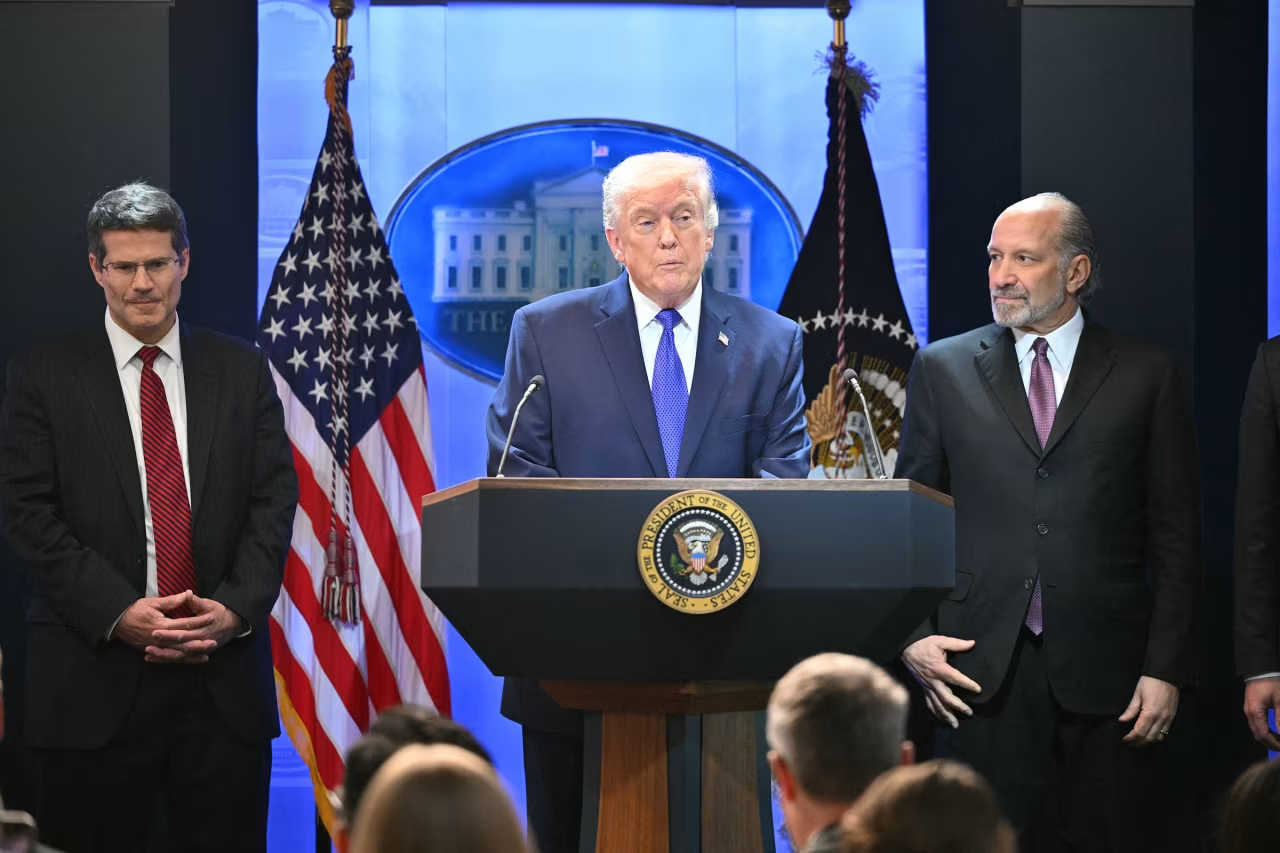
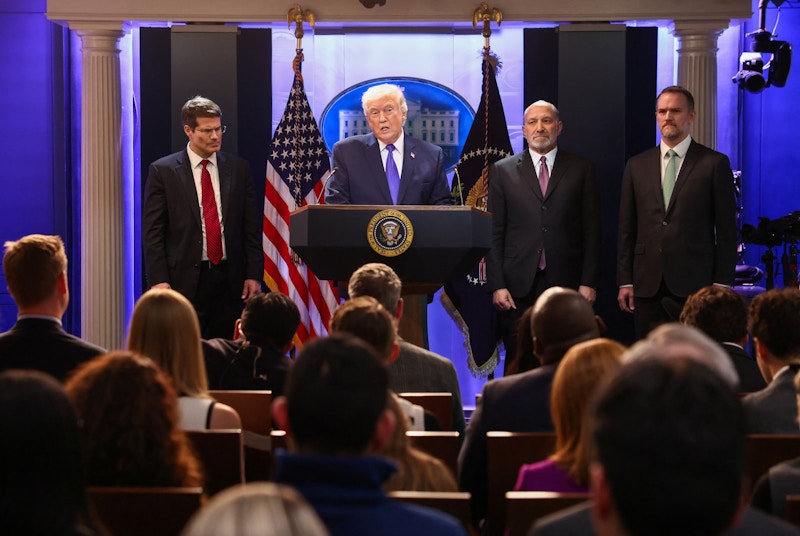
President Donald Trump announced Friday that he will sign an executive order imposing a new 10% global tariff under Section 122 of the Trade Act of 1974, just hours after the Supreme Court of the United States struck down his sweeping emergency-based import taxes.
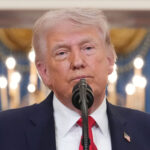
“Today, I will sign an order to impose a 10% global tariff under Section 122, over and above our normal tariffs already being charged,” Trump said during remarks at the White House.
The move signals that the administration intends to pivot quickly to alternative legal authorities after the court ruled 6-3 that Trump overstepped his authority under the 1977 International Emergency Economic Powers Act (IEEPA). The justices determined that the emergency powers law did not grant the president the broad ability to impose tariffs on nearly every country worldwide.
Trump Criticizes the Court
Trump called the ruling “deeply disappointing” and said he was “ashamed of certain members of the court” who joined the majority opinion. He specifically praised Justices Clarence Thomas, Samuel Alito, and Brett Kavanaugh for dissenting in the decision.
Quoting from Kavanaugh’s dissent, Trump argued that the ruling does not meaningfully restrict presidential tariff authority going forward. “He’s right,” Trump said. “In fact, I can charge much more than I was charging.”
The president questioned the logic of the ruling, saying, “I can embargo. I can do anything I want, but I can’t charge $1 because that’s not what it says. How ridiculous is that?”
Trump also claimed, without presenting evidence, that foreign interests had influenced the outcome and warned that countries celebrating the ruling “won’t be dancing for long.”
Section 122: A Faster Path
Section 122 of the Trade Act of 1974 allows the president to impose tariffs of up to 15% for up to 150 days in response to large and serious balance-of-payments deficits. Unlike other trade laws, it does not require lengthy investigations or public hearings.
Legal analysts had suggested even before the ruling that Trump could quickly pivot to Section 122 if the court limited his emergency authority. Treasury Secretary Scott Bessent had previously indicated that the administration was prepared to rely on Sections 232, 301, 122, and 338 of existing trade statutes if necessary.
A source close to the White House confirmed that contingency plans were always in place. “This was always a possibility that they planned for,” the source said.
Existing Tariffs Remain
Trump emphasized that tariffs imposed under Section 301 — which targets unfair trade practices — remain in force. Section 232 national security tariffs under the Trade Expansion Act of 1962 also continue to apply to sectors such as steel, aluminum, autos, copper, and lumber.
He indicated that additional investigations would be initiated under various trade authorities to potentially expand tariffs further.
“We have alternatives,” Trump said. “Could be more money. We’ll take in more money and we’ll be a lot stronger for it.”
Market and Political Reaction
Financial analysts estimate that the Supreme Court ruling removes more than $200 billion in expected annual tariff revenue. Olu Sonola of Fitch Ratings described the decision as “Liberation Day 2.0,” noting that it reduces the effective U.S. tariff rate from about 13% to around 6%.
On Capitol Hill, reactions fell along party lines.
House Democratic Leader Hakeem Jeffries called the decision “a big victory for the American people,” framing it as a rejection of what he described as executive overreach.
House Speaker Mike Johnson defended Trump’s tariff strategy, arguing that it generated billions in revenue and strengthened U.S. negotiating leverage.
Trade lawyers offered differing views on what comes next. Some say the ruling narrows Trump’s options to slower, investigation-based tools such as Section 301. Others argue he could quickly impose temporary tariffs under Section 122 while pursuing longer-term measures under Section 232 or even the rarely used Section 338 of the Tariff Act of 1930.
A Shift, Not an End
While the Supreme Court curtailed Trump’s use of emergency powers to enact global tariffs, the president’s immediate announcement of a new 10% global levy suggests that his broader trade strategy remains intact.
By pivoting to Section 122, Trump is signaling that the administration will continue to prioritize aggressive tariff policy despite judicial limits. The coming days may determine how quickly the new tariff is implemented and whether it faces additional legal challenges.
For now, the White House appears determined to rebuild its tariff framework through alternative statutory pathways — reinforcing that trade policy will remain a defining feature of Trump’s economic agenda.