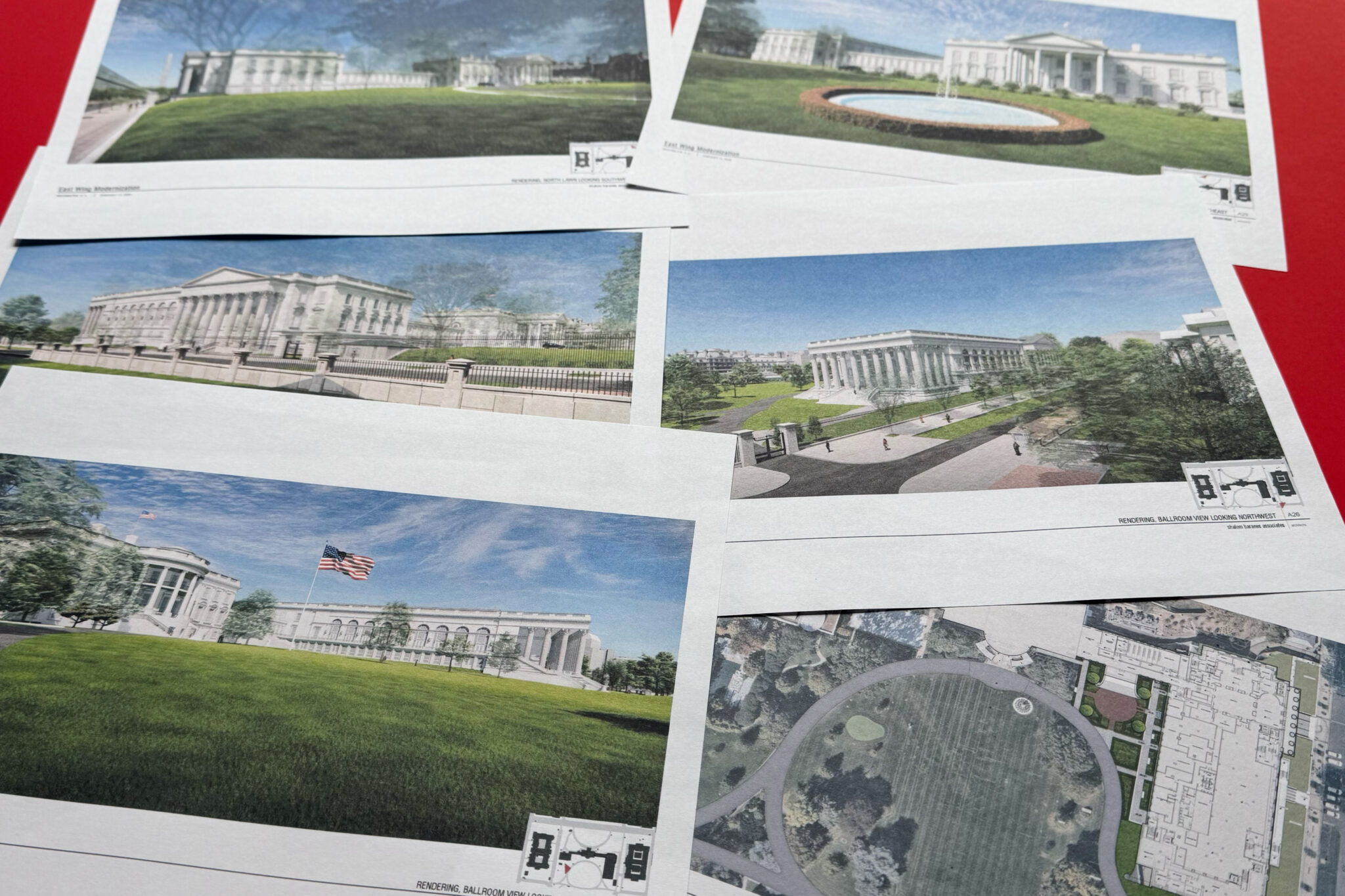
Trump-Appointed Commission Backs White House Ballroom Expansion/ Newslooks/ WASHINGTON/ J. Mansour/ Morning Edition/ A federal arts panel composed of Trump appointees approved President Donald Trump’s proposal to build a massive White House ballroom. Six of seven commissioners voted in favor, with one abstaining due to prior architectural involvement. The project now heads to another federal planning body as legal challenges continue.
Trump White House Ballroom Proposal Quick Looks
- U.S. Commission of Fine Arts approved design and project
- Six commissioners voted yes; one abstained
- Ballroom would replace demolished East Wing
- Trump argues it would end use of “tents” for state dinners
- Project faces lawsuit from preservationists
- National Capital Planning Commission review next
- Critics question scale and historic impact
- Court ruling pending on legal challenge
Deep Look: Trump-Appointed Commission Backs White House Ballroom Expansion
President Donald Trump’s controversial proposal to construct a grand ballroom at the White House cleared a key hurdle Thursday after receiving approval from the U.S. Commission of Fine Arts, a body composed entirely of Trump appointees.
The commission voted to approve both the design and the project itself during a meeting that was initially scheduled to focus solely on design revisions. Chairman Rodney Mims Cook Jr. introduced a motion to hold a final vote on the project, and six of the seven commissioners supported the measure. Commissioner James McCrery abstained from voting because he previously served as the initial architect on the ballroom proposal.
“Our sitting president has actually designed a very beautiful structure,” Cook said prior to the vote. “The United States just should not be entertaining the world in tents.”
A Ballroom Larger Than the White House
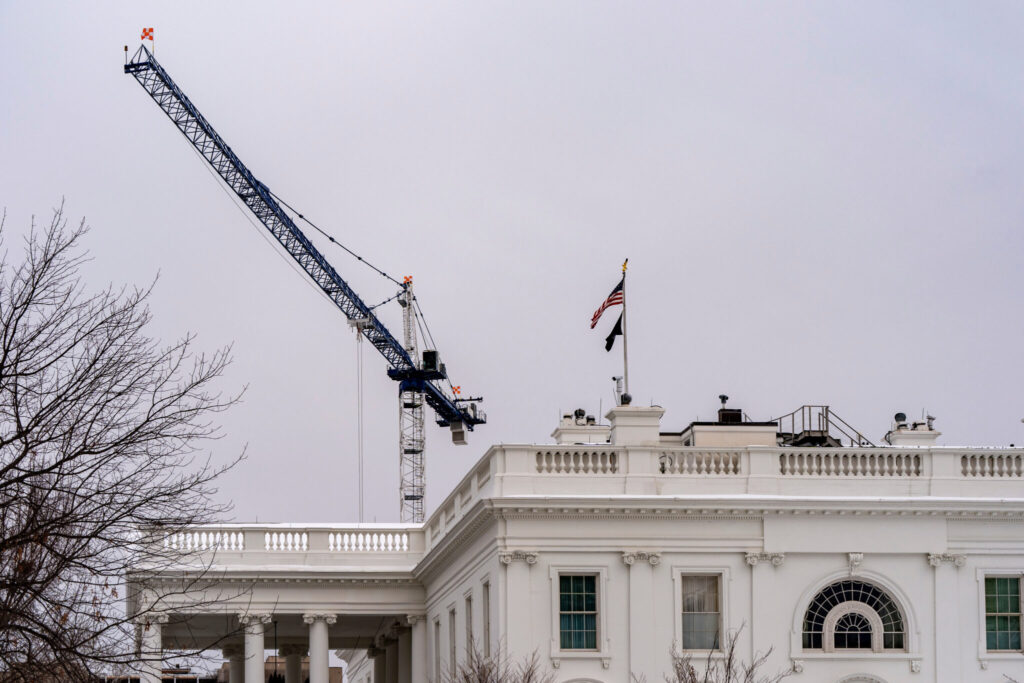
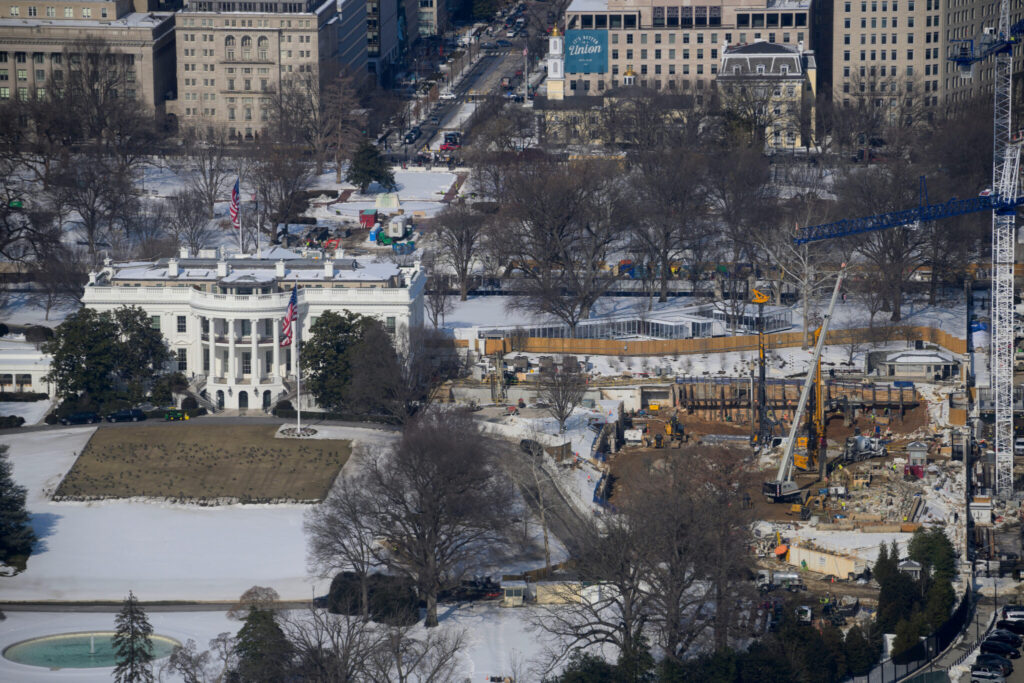
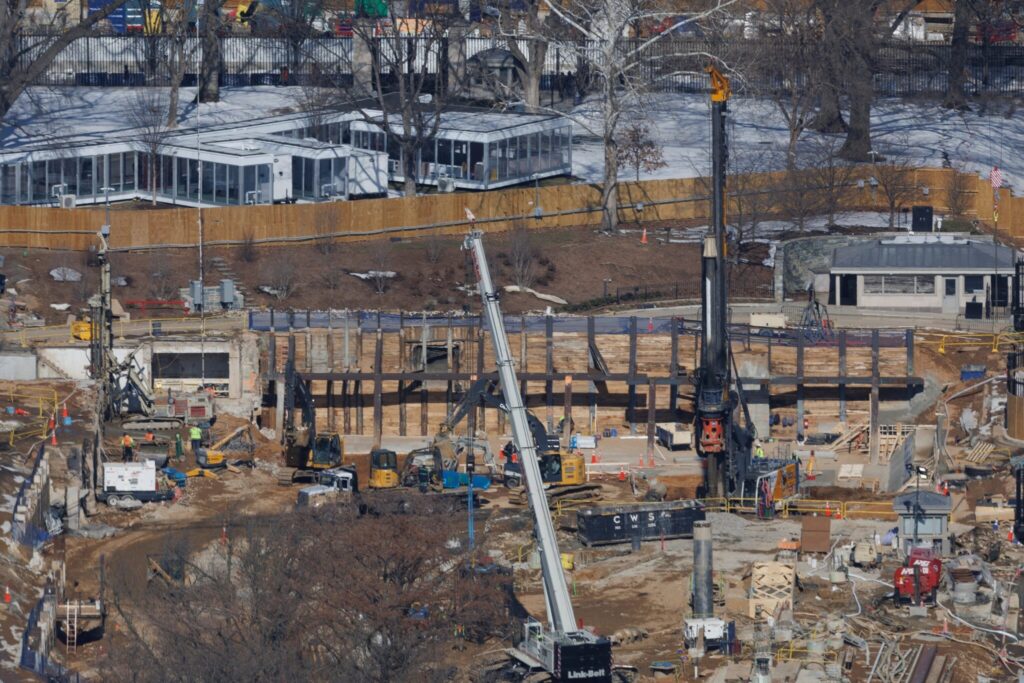
Trump’s plan envisions a ballroom roughly twice the size of the White House itself, replacing the former East Wing, which was demolished in October. The president has long criticized the practice of erecting temporary structures — which he calls “tents” — on the South Lawn to host state dinners and other high-profile events.
Supporters argue the ballroom would modernize the White House’s event capacity and eliminate the need for temporary installations. Cook noted that no previous president had undertaken such a project to permanently address space limitations.
However, the scale of the proposal has sparked concern among preservationists and some commissioners during earlier discussions. At a January meeting, members questioned the immense size and architectural impact of the design. Revised plans presented Thursday incorporated some of the suggested modifications, which commissioners welcomed.
Legal and Planning Hurdles Remain
Despite Thursday’s approval, the project faces additional review and legal challenges. The National Capital Planning Commission is scheduled to discuss the ballroom at a March 5 meeting. The commission oversees major construction and renovations involving federal properties in the Washington region and is chaired by a senior White House aide.
The project is also the subject of a lawsuit filed by the National Trust for Historic Preservation, which seeks to halt construction. The nonprofit argues that demolition of the East Wing began without the customary independent reviews, congressional authorization, and public comment typically required for significant alterations to historic federal buildings. A federal court decision in the case is pending.
Broader Debate Over Preservation
Trump’s decision to move forward with demolition before completing the standard review process triggered public outcry among preservation advocates. Critics contend the White House is not only a functioning executive residence but also a symbol of national heritage that warrants rigorous oversight for structural changes.
The administration maintains that the ballroom project enhances the White House’s functionality while preserving its architectural integrity. Supporters describe it as a long-overdue modernization effort, while opponents view it as an unprecedented alteration to one of the country’s most historic landmarks.
With approval from the Commission of Fine Arts secured, attention now shifts to the planning commission review and the outcome of the preservation lawsuit. The final fate of the ballroom — and its potential reshaping of the White House complex — remains uncertain as the legal and regulatory process continues.