
Trump Appoints Members to Oversee White House Ballroom/ Newslooks/ WASHINGTON/ J. Mansour/ Morning Edition/ President Donald Trump quietly appointed four new members to the Commission of Fine Arts, enabling the stalled panel to resume work and review his controversial White House ballroom project. The East Wing has already been demolished to make way for the 90,000-square-foot structure, sparking lawsuits and preservationist backlash. Trump’s appointments raise concerns over potential fast-tracking of the costly addition, intended as a lasting presidential legacy.
Trump 2026 White House Ballroom Plan: Quick Looks
- Trump appointed four new members to the Commission of Fine Arts, restoring its quorum.
- The commission will review Trump’s 90,000-square-foot White House ballroom project.
- The project has already begun; the East Wing was demolished in late 2025.
- Architect James McCrery, formerly leading the project, is among the new appointees.
- The project is estimated to cost $400 million, funded by private donations.
- Critics, including the National Trust for Historic Preservation, filed a lawsuit to halt construction.
- Trump fired six commissioners last fall, and the panel has been inactive for months.
- The next commission meeting is scheduled for January 22, with full reviews expected in February and March.
- Appointees include Mary Anne Carter, Roger Kimball, and Matthew Taylor, all with prior Trump affiliations.
- The National Capital Planning Commission has already begun preliminary review of the proposal.
Deep Look: Trump Appoints New Commissioners to Advance Controversial White House Ballroom Plan
WASHINGTON (AP) — President Donald Trump has quietly reshaped the federal commission that must review his ambitious plan to add a massive ballroom to the White House grounds, reviving concerns about the future of presidential legacy projects and the integrity of federal oversight processes.
This week, the White House revealed in court filings that four new members have been appointed to the Commission of Fine Arts, giving the body its first working quorum in months. The appointments arrive just as the panel prepares to evaluate Trump’s proposed 90,000-square-foot ballroom, a structure that would permanently transform the iconic executive mansion and leave an enduring mark on the nation’s capital.
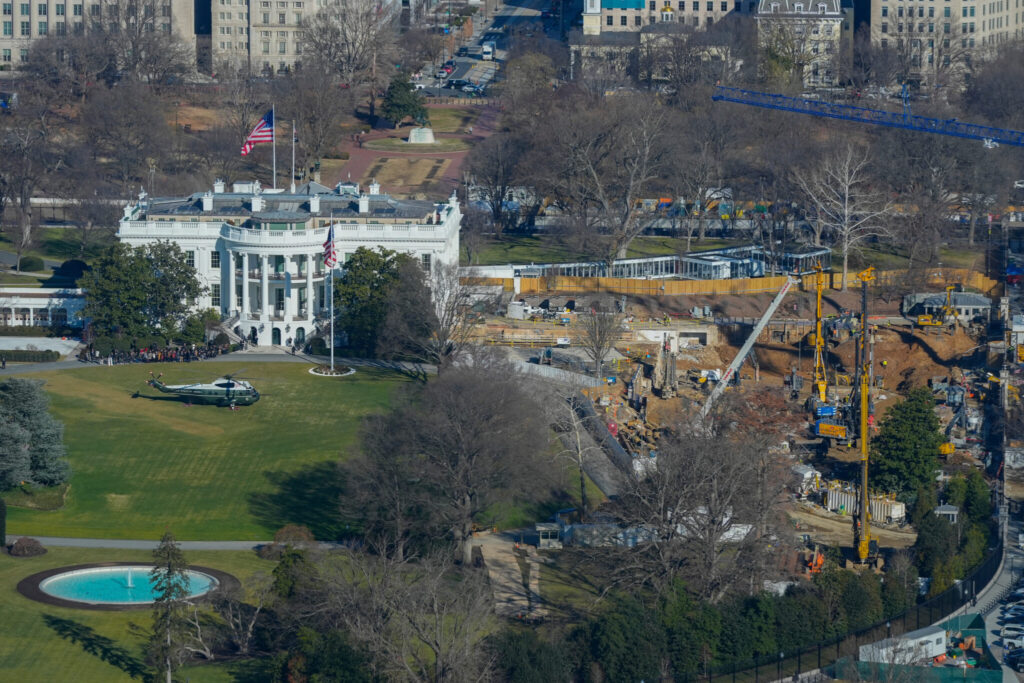
The addition, dubbed the East Wing Modernization Project, has already disrupted the historic White House footprint. The original East Wing has been demolished, and construction activity is underway, despite the absence of full approval from federal oversight bodies. The Trump administration has insisted that no taxpayer funds will be used, asserting the $400 million cost will be covered by private donors, including the former president himself.
Among the new appointees is architect James McCrery, who previously led the ballroom project before being replaced in late 2025. A Trump ally and former commissioner, McCrery’s return raises eyebrows about the objectivity of the commission’s pending decisions. Joining him are Mary Anne Carter, the former chair of the National Endowment for the Arts during Trump’s first term; Roger Kimball, a conservative art critic; and Matthew Taylor, a Washington, D.C.-based design advisor.
These new members restore the seven-seat commission’s ability to conduct business. The panel had been inactive since late 2025, after Trump dismissed six commissioners following the East Wing’s demolition. The final remaining member, who chaired the commission, had resigned earlier after his term expired.
The next commission meeting is scheduled for January 22, with Trump’s ballroom project listed on the agenda. The White House is expected to formally present the project in February and March, during meetings slated for the 19th of each month, according to court documents submitted by Heather Martin, a deputy assistant to the president.
Trump has long expressed interest in constructing a ballroom at the White House. During his first term, he floated the idea as part of broader discussions about modernizing the executive residence and creating more space for large-scale diplomatic and ceremonial events. But opponents argue that the size and permanence of the proposed structure go far beyond modernization, crossing into self-aggrandizing territory.
The National Trust for Historic Preservation filed a federal lawsuit to stop the construction, alleging that the Trump administration violated federal preservation laws by beginning work without obtaining approvals from both the Commission of Fine Arts and the National Capital Planning Commission (NCPC), the two key agencies tasked with reviewing significant alterations to federal buildings.
The lawsuit also claims that the White House failed to allow for public input or congressional review, required under federal law for major changes to historic government property. Critics say the administration’s fast-tracked approach undermines transparency and accountability, with decisions potentially being made by appointees loyal to Trump.
So far, the NCPC has conducted a preliminary review, hearing an initial presentation of the ballroom project on January 8. While the panel did not take a formal vote, members raised questions about the building’s scale, impact on sightlines, and long-term maintenance costs.
The controversy surrounding the ballroom reflects broader concerns about how presidents shape their legacies through architectural additions. Previous presidents have added wings, gardens, and even swimming pools—but rarely have such changes stirred legal battles and federal oversight challenges at this scale.
Trump, however, appears determined to move forward. A photo released by the White House shows him surveying the construction site alongside architect McCrery in August 2025, just weeks before the East Wing was taken down.
‘If approved, the ballroom would be among the most significant additions to the White House since Harry Truman’s post-war reconstruction and could become a symbol of Trump’s presidential brand—a visible and enduring monument to his leadership style.